
Choosing the right engine oil is one of the most critical decisions you can make to ensure the longevity, performance, and efficiency of your vehicle’s engine. When comparing 10W-50 and 5W-30 engine oils, neither option is universally superior; the correct choice depends entirely on your vehicle manufacturer’s specifications, the ambient temperatures of your driving environment, and the current condition of your engine. Using an oil with the wrong viscosity can lead to inadequate lubrication, accelerated component wear, or unnecessary drag that reduces fuel efficiency.
To make an informed decision, you must first understand what these numbers represent. The Society of Automotive Engineers (SAE) established a numerical code system to grade motor oils according to their viscosity characteristics. Viscosity refers to a fluid’s resistance to flow; a low-viscosity oil is thin and flows easily, while a high-viscosity oil is thick and flows more slowly.
Decoding Viscosity: What 10W-50 and 5W-30 Actually Mean
The “W” in these ratings stands for Winter. The number preceding the “W” indicates the oil’s flow characteristics at low temperatures, specifically during cold starts. A 5W oil flows more easily in cold weather than a 10W oil, reducing the time it takes for the lubricant to reach critical engine components when you turn the key. This rapid flow minimizes metal-on-metal contact during those crucial first seconds of operation.
Products mentioned in this guide
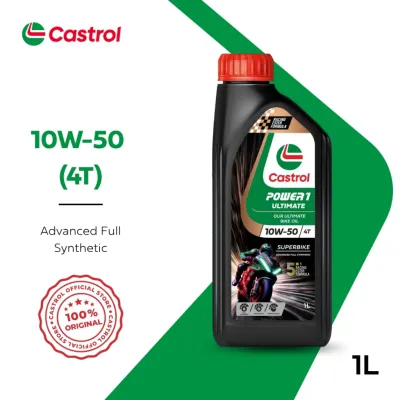
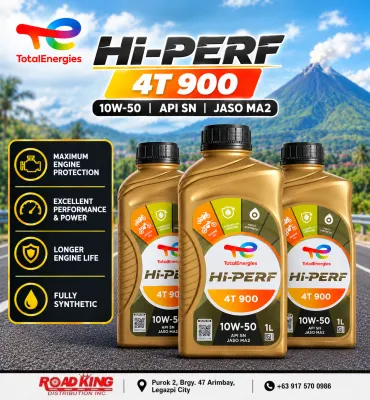
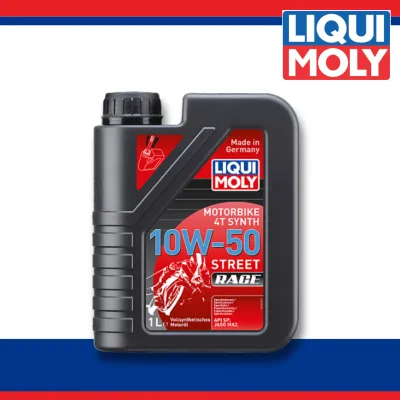
41 Lazada user ratings
I get impressive motorcycle performance with this full synthetic oil; and it somewhat dissipate hot motor temperature. The package in the pi…Read full reviewShow less
I get impressive motorcycle performance with this full synthetic oil; and it somewhat dissipate hot motor temperature. The package in the picture is still waiting for my next change oil
Great packaging! 1 Lt of LiquiMoly securely wrapped with layers of bubble wrap and plain plastic wrap. Surely, this was done for safe shippi…Read full reviewShow less
Great packaging! 1 Lt of LiquiMoly securely wrapped with layers of bubble wrap and plain plastic wrap. Surely, this was done for safe shipping. I recommend this product
Price:10/10 Viscosity:10/10 Brand:10/10Excellent engine cleanliness, Tested on racing machines, Smooth clutch engagement, 1 liter convenient…Read full reviewShow less
Price:10/10 Viscosity:10/10 Brand:10/10Excellent engine cleanliness, Tested on racing machines, Smooth clutch engagement, 1 liter convenient size,
High-performance for motorcycles, Smooth clutch engagement, Brand: Reliable and durable, Viscosity: Enhances fuel efficiency,
Authentic. Easy to use considering it has its own small spout for dispensing which also prevents contamination.
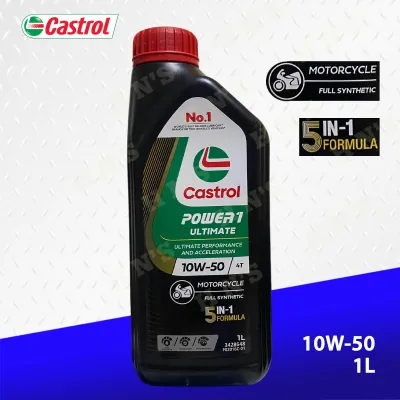
142 Lazada user ratings
Quality:legit sya, unang tingin palang. dami kasi nagkalat na fake sa market. kaya ingat tlga sa pag buy. Appearance:w. seal and super orig.…Read full reviewShow less
Quality:legit sya, unang tingin palang. dami kasi nagkalat na fake sa market. kaya ingat tlga sa pag buy. Appearance:w. seal and super orig. Performance:pag na try kona palit. edit ko sa performance.
Appearance:no leak well packed with bubble wrap around sa box and the seal is intact Quality:2nd time order n sa store and legit ung oil san…Read full reviewShow less
Appearance:no leak well packed with bubble wrap around sa box and the seal is intact Quality:2nd time order n sa store and legit ung oil sana next time may freebies hehe
This will be my first time to use this on my motorcycle. Will update this review when there are notable results to share. 🙂
thank you! will order again soon, haven't used it yet but im satisfied with the store's legitimacy.
ayos Po maraming salamat 👍🏼👍🏼
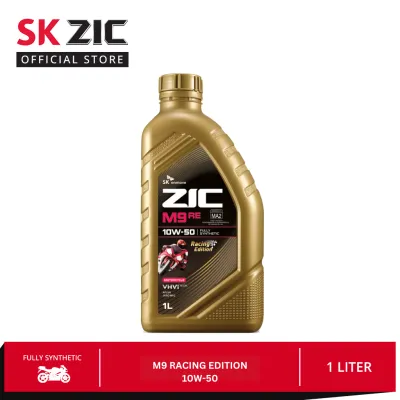
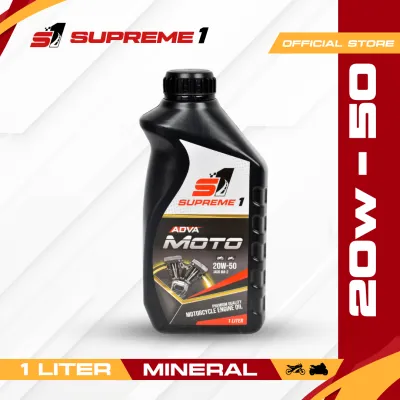
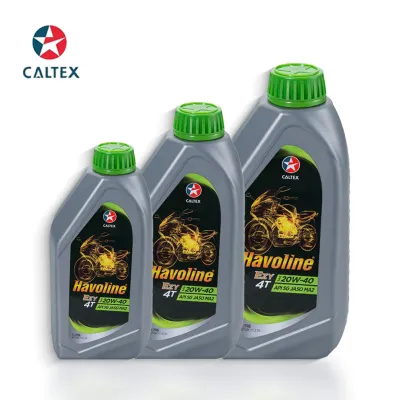
817 Lazada user ratings
Optimal for high-speed rides, Reduces engine wear, Price:Budget-friendly, Viscosity:Enhances fuel efficiency, Brand:Well-known manufacturer,…Read full reviewShow less
Optimal for high-speed rides, Reduces engine wear, Price:Budget-friendly, Viscosity:Enhances fuel efficiency, Brand:Well-known manufacturer, "delivered within the delivery lead time, i would recommend the product and the seller, thanks Lazada, the Seller, and the Logistics"
now lang naka review. nandito na ang product. nagustohan ko mag order kasi may discount at free shipping. murang langis para sa motor ko. bu…Read full reviewShow less
now lang naka review. nandito na ang product. nagustohan ko mag order kasi may discount at free shipping. murang langis para sa motor ko. bukas ako mag change oil. salamat seller at rider.
Price:goods Viscosity:goods Brand:nice thank you po next time po uli order ako salamat maayos na dumating ang items ang bilis ng shipping th…Read full reviewShow less
Price:goods Viscosity:goods Brand:nice thank you po next time po uli order ako salamat maayos na dumating ang items ang bilis ng shipping thank you
legit store ang ganda dito ulit ako oorder sulit. ang mura pa thankyou seller. recommend this shop
ok sana kaso nabutas...sa warehouse cguro or sa delivery
Prices are valid at publication and may change. Please refer to the product page for the latest price.
The second number in the rating—30 or 50—represents the oil’s kinematic viscosity measured at 100°C, which is the typical operating temperature of a fully warmed-up engine. A higher number indicates a thicker oil that maintains a more robust protective film under extreme heat and heavy mechanical loads. Consequently, a 10W-50 oil remains significantly thicker at operating temperature than a 5W-30 oil.
It is important to recognize that these viscosity grades are standardized measurements of flow behavior, not direct indicators of overall oil quality or synthetic formulation. Both 5W-30 and 10W-50 oils can be found in conventional, semi-synthetic, or full synthetic formulations. The base oil type and the specific additive package determine the oil’s overall performance, cleanliness, and resistance to thermal breakdown.
10W-50 vs 5W-30: Comparing Performance and Protection
The physical behavior of these two oils under different temperature and load conditions directly impacts how they protect your engine. Cold start protection is a primary differentiator. When an engine sits idle, gravity pulls the oil down into the oil pan, leaving only a microscopic film on the moving parts. Upon startup, the oil pump must quickly distribute the oil back to the top of the engine. Because 5W-30 has a lower cold-viscosity rating, it circulates much faster than 10W-50, especially during cooler mornings. This rapid circulation minimizes initial wear on the camshafts, valvetrain, and piston rings.

Conversely, high-temperature protection is where 10W-50 excels. Under extreme operating conditions—such as sustained high-RPM driving, heavy towing, or operating in exceptionally hot climates—engine temperatures can climb well above normal limits. Under these harsh conditions, a thinner oil like 5W-30 can thin out excessively, potentially allowing the protective oil film to rupture. A 10W-50 oil resists this thermal thinning, maintaining a robust barrier between moving metal parts and preventing direct contact that could lead to catastrophic engine damage.
Fuel economy is another critical factor influenced by viscosity. Thicker oils like 10W-50 create more fluid drag within the engine. The oil pump must work harder to circulate the thick fluid, and the pistons and crankshaft encounter more resistance as they move through it. This parasitic loss of energy requires the engine to consume more fuel. A 5W-30 oil, being thinner, reduces this internal friction, allowing the engine to rotate more freely and operate with greater fuel efficiency.
However, real-world performance is not determined by viscosity alone. The chemical composition of the oil plays a massive role in how it behaves under stress. High-quality full synthetic oils utilize advanced shear-stable polymers that prevent the oil from permanently thinning out under high mechanical shear. They also contain robust additive packages, including anti-wear agents, friction modifiers, and detergents, which enhance protection regardless of whether you choose a 5W-30 or 10W-50 grade.
How to Choose the Correct Oil for Your Vehicle
Selecting the right viscosity requires a systematic approach that balances manufacturer requirements with your specific driving environment.
Step 1: Consult the Owner's Manual
Your first and most important step is to consult your vehicle’s owner’s manual. Automobile manufacturers spend thousands of hours engineering and testing engines to determine the exact oil specifications required. The manual will list the approved SAE viscosity grades, often accompanied by a temperature chart. Additionally, look for specific industry standards such as API (American Petroleum Institute) or ACEA (Association des Constructeurs Européens d’Automobiles) classifications. Using an oil that does not meet these exact specifications can void your warranty and lead to premature engine wear.
Step 2: Evaluate the Local Climate
Next, consider the ambient temperatures where you primarily drive. In the Philippines, the tropical climate means you rarely, if ever, experience sub-zero temperatures. This warm environment reduces the absolute necessity for ultra-low cold-start viscosities like 0W or 5W purely for freezing weather. However, you should not automatically assume a thicker oil is better. Modern engines are designed with incredibly tight internal clearances that require thinner oils to flow properly, even in hot climates. The local ambient temperature should only guide your choice within the specific range of viscosities permitted by your vehicle’s manufacturer.
Step 3: Assess Engine Condition and Driving Habits
Finally, evaluate your vehicle’s current condition and how you use it. A brand-new commuter car operating in daily stop-and-go traffic has very different lubrication needs than an older utility vehicle used for hauling heavy loads up steep mountain passes. If you drive a modern vehicle under normal commuting conditions, sticking to the manufacturer’s recommended 5W-30 is typically the best course of action. If you operate a high-performance vehicle on a racetrack or subject your engine to continuous heavy towing in extreme heat, a higher viscosity oil might be warranted, provided the manufacturer allows it.
Decision Summary
To simplify your choice, consider these general guidelines:
- Choose 5W-30 if: You drive a modern vehicle, your daily routine consists of standard commuting or stop-and-go city driving, your owner's manual recommends this grade, and you want to maximize fuel efficiency and cold-start protection.
- Choose 10W-50 if: You drive a high-performance vehicle designed for track use, you operate an older engine with specific high-viscosity requirements, you regularly tow heavy loads in extreme heat, and your manufacturer explicitly approves or recommends this viscosity grade for these conditions.
When to Deviate from the Manufacturer's Recommendation
While adhering to the owner’s manual is the safest policy, there are specific, limited scenarios where a qualified mechanic might advise switching to a higher viscosity oil like 10W-50.
As engines age and accumulate high mileage, the constant friction gradually wears down internal components, slightly increasing the clearances between bearings, pistons, and cylinder walls. This increased clearance can lead to minor oil leaks, increased oil consumption as oil slips past the piston rings into the combustion chamber, or a drop in oil pressure. In these specific cases, switching to a thicker oil like 10W-50 can help seal these wider gaps, reduce oil consumption, and restore adequate oil pressure.
Severe duty cycles also justify a deviation. If you modify your vehicle for competitive racing or sustained high-RPM track use, the engine will generate far more heat than it would during normal street driving. Under these extreme thermal conditions, standard 5W-30 oil can thin out to a point where it no longer provides adequate protection. A 10W-50 oil provides the necessary thermal stability and film strength to protect the engine under these extreme loads.
However, using an oil that is too thick for a modern engine carries significant risks. Modern engines often utilize variable valve timing (VVT) systems that rely on precise hydraulic pressure from the engine oil to actuate. An oil that is too thick, such as 10W-50 in an engine designed for 5W-30, can cause sluggish VVT operation, trigger check engine lights, and reduce engine performance. Additionally, a thicker oil increases the load on the oil pump, reduces fuel economy, and can cause delayed lubrication during cold starts, leading to accelerated wear on startup. Always consult a qualified mechanic or your vehicle’s dealership before permanently changing your oil viscosity.
Frequently Asked Questions (FAQ)
Can I mix 5W-30 and 10W-50 engine oils?
While mixing 5W-30 and 10W-50 engine oils will not cause an immediate, catastrophic chemical reaction, it is highly discouraged. Mixing these two different viscosities results in an unpredictable intermediate viscosity that may not meet the precise design requirements of your engine. Furthermore, different oil brands and viscosity grades use distinct additive packages; mixing them can dilute these additives, reducing the oil’s overall effectiveness. You should only mix different viscosity grades in an absolute emergency when your oil level is critically low and no matching oil is available, and you should perform a complete oil and filter change as soon as possible.
Does using 10W-50 instead of 5W-30 damage my engine?
Using 10W-50 in an engine specifically designed and clearanced for 5W-30 can indeed cause long-term damage. Because 10W-50 is significantly thicker, it will not flow as quickly through the narrow oil passages of a modern engine, especially during cold starts. This delayed lubrication can cause severe wear on critical components like the camshafts and bearings. Additionally, the thicker oil increases internal resistance, which strains the oil pump, lowers fuel economy, and can disrupt the operation of hydraulic systems like variable valve timing. Always adhere to the viscosity recommendations outlined in your vehicle’s owner’s manual to prevent avoidable engine damage.

Community discussion
Share your experience or ask a question. Comments are reviewed before publication.