
To power a 24V device from a standard 12V vehicle utility socket, you need a specialized car charger 12v to24v setup. However, compatibility depends entirely on matching the electrical requirements of your device with the specific output capabilities of your charger. Connecting mismatched electronics can permanently damage your equipment or blow your vehicle’s fuses, especially under high-heat tropical conditions where thermal limits are reached more quickly.
Understanding 12V to 24V Car Chargers and Device Requirements
To safely power a 24V device from a standard 12V vehicle utility socket, you must understand the difference between a step-up converter and a dual-voltage input charger. A step-up converter (a DC-to-DC boost converter) takes the 12V output from your car’s battery and increases it to a stable 24V output. This is necessary when you have a specialized device that strictly requires a 24V power source.
Conversely, a dual-voltage input charger is designed to accept either 12V or 24V from a vehicle’s electrical system and step it down to standard USB outputs (like 5V or 9V) to charge consumer electronics like smartphones. If you plug a device requiring a true 24V input into a standard USB charger, it will not receive the correct voltage.
Products mentioned in this guide
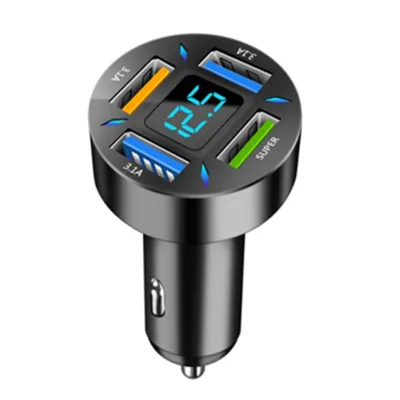
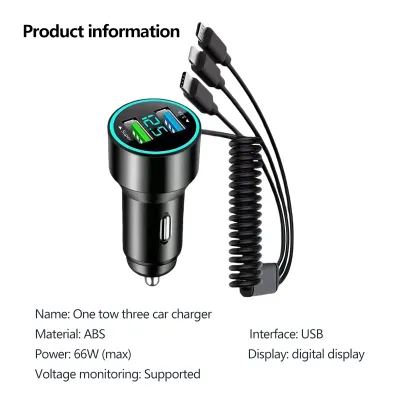

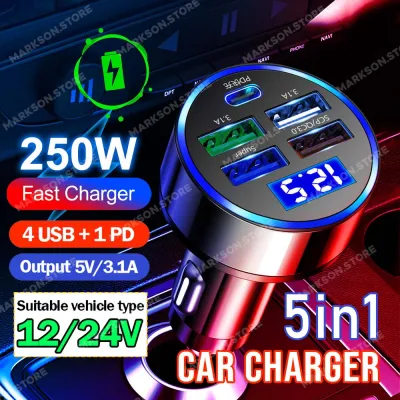
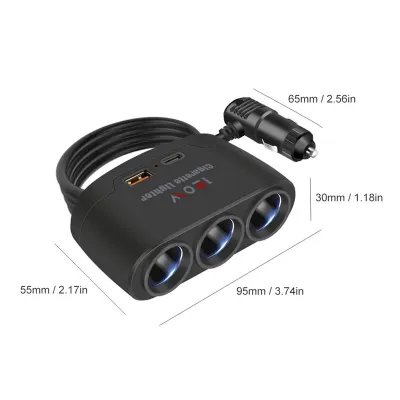
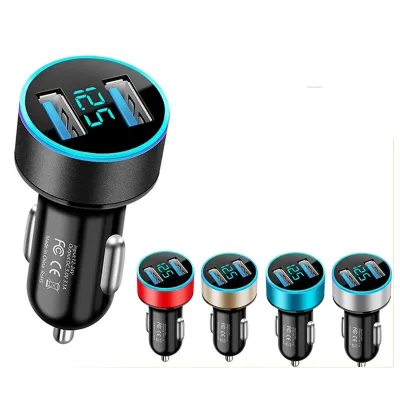
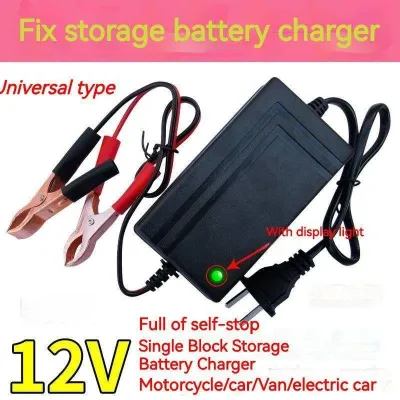
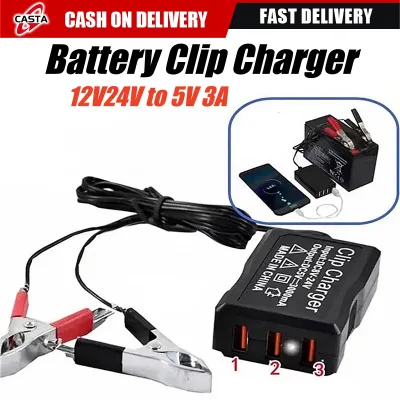
Prices are valid at publication and may change. Please refer to the product page for the latest price.
Matching the exact output voltage of your charger to the input requirement of your device is critical. Supplying a 24V device with only 12V can cause it to brown out or fail to start. Conversely, supplying too much voltage will permanently destroy its circuitry. Before connecting any step-up equipment, you must also verify your vehicle’s power outlet rating and fuse limits to ensure the car’s electrical system can handle the conversion load.
Step-by-Step Guide to Checking Voltage and Power Compatibility
Verifying compatibility requires a systematic check of both your device’s power demands and your charger’s capabilities.

First, locate the electrical nameplate or power adapter label on your 24V device. This label is typically found on the bottom of the unit or printed on its original AC-to-DC wall adapter. Look for the “Input” specifications, which must explicitly state “24V DC” (or a voltage range that includes 24V). Note the current draw listed in Amperes (A) or the power consumption listed in Watts (W).
Next, examine the specifications printed on the car charger 12v to24v unit. The “Output” section must match the 24V DC requirement of your device. Additionally, the charger’s rated output current (Amps) or output power (Watts) must meet or exceed the maximum requirements of your device.
Finally, calculate the power margin to ensure safe operation. You can determine wattage by multiplying voltage by current (Watts = Volts x Amps). To prevent overheating—especially in the high-ambient-temperature and high-humidity environments typical of the Philippines—your step-up charger should have a maximum rated output that is at least 20% to 30% higher than your device’s maximum draw. Operating a charger at its absolute limit for extended periods generates excessive heat, reducing its lifespan and risking thermal shutdown.
Common 24V Devices and Power Considerations
Understanding what types of equipment utilize 24V power helps clarify why standard car accessories are not always compatible.
Common 24V devices include commercial fleet electronics, such as specialized GPS tracking systems, heavy-duty dash cameras, and mobile data terminals. Other examples include specialized communication equipment like high-powered two-way radios, portable medical devices like certain CPAP machines, and heavy-duty pneumatic tools or small appliances designed for long-haul trucks. These devices are engineered for 24V systems because higher voltage allows them to operate more efficiently with lower current draw.
When dealing with motorized or highly active electronic devices, you must account for startup surge currents. Motors, compressors, and large internal capacitors often draw a brief spike of current when they first turn on, which can be double or triple their steady-state operating current. If your step-up converter is only rated for the steady-state current, this initial surge can trigger the charger’s overload protection, preventing the device from starting.
Always consult the device manufacturer’s manual before connecting it to an aftermarket DC-DC converter. Some sensitive electronics require highly regulated, clean DC power and may have specific warnings against using non-isolated step-up power sources, which can introduce electrical noise or voltage ripples into the system.
Safety Boundaries and Installation Checks
Operating step-up power equipment in a vehicle requires strict adherence to safety boundaries to protect your vehicle’s wiring and prevent costly electrical repairs that can run into thousands of pesos (₱).
Before purchasing or installing a step-up charger, consult your vehicle’s owner’s manual to locate the fuse box and identify the fuse rating for your accessory socket. Most passenger vehicles use a 10A or 15A fuse. On a standard 12V system, a 10A fuse limits the total input power to 120W (12V x 10A). Because DC-to-DC converters lose roughly 10% to 15% of their energy as heat during the step-up process, a 24V device drawing 100W will actually pull closer to 115W from the 12V socket, pushing the circuit dangerously close to its limit.
Perform a physical inspection of the charger and its wiring before use. Ensure the wire gauge is thick enough to handle the current without warming up, and verify that the plug fits tightly into the utility socket. Loose connections create electrical resistance, which generates localized heat capable of melting the socket housing. Look for clear product labels indicating built-in safety features, such as overcurrent, overvoltage, short-circuit, and thermal protection.
Establish clear stop conditions for your setup. Immediately disconnect the charger if the casing becomes hot to the touch, if you notice a burning plastic odor, if the vehicle’s fuse blows, or if the connected device flickers or fails to power on consistently. For complex setups, hardwired installations, or high-wattage demands, always seek qualified professional installation to ensure the wiring is safely integrated with your vehicle’s electrical system.
Frequently Asked Questions (FAQ)
Can I use a 12V to 24V step-up converter for devices that require AC power?
No, you cannot use a step-up converter for AC devices. A 12V to 24V car charger outputs Direct Current (DC) power, which is suitable only for DC-compatible electronics. Devices that require standard household Alternating Current (AC) power—such as standard laptop chargers, household fans, or small appliances—require a dedicated power inverter. An inverter converts the vehicle’s DC power into AC power, rather than simply boosting the DC voltage.
What happens if my 24V device draws more power than the car charger can provide?
If your device’s power demand exceeds the charger’s maximum output, several safety issues or malfunctions can occur. The charger may overheat rapidly, trigger its internal thermal or overcurrent shutdown protection, or experience a severe voltage drop that causes your device to power off or behave erratically. Additionally, the excessive current draw can overload your vehicle’s accessory circuit, blowing the vehicle’s fuse and disabling the outlet entirely. Always ensure your charger’s rated wattage comfortably exceeds your device’s maximum power draw.
Community discussion
Share your experience or ask a question. Comments are reviewed before publication.