
When maintaining a diesel vehicle, selecting the correct lubricant is vital to preserving engine life. If you have ever looked at a bottle of motor oil on a shelf in the Philippines, you have undoubtedly seen the label “15W-40.” This designation is not just a random sequence of numbers; it is a standardized rating that tells you exactly how the oil behaves under different thermal conditions. Understanding 15w40 diesel engine oil and its viscosity properties helps you make an informed decision, preventing premature wear and avoiding expensive mechanical failures.
Decoding the 15w40 Diesel Engine Oil Viscosity Rating
The Society of Automotive Engineers (SAE) established the SAE J300 standard to categorize engine oils based on their flow characteristics, or viscosity. Viscosity refers to a fluid’s resistance to flow; thicker oils flow slowly, while thinner oils flow more rapidly. A multi-grade oil like 15W-40 is engineered to perform across a wide temperature spectrum, acting like two different oils in one. This adaptability is crucial because engines experience vast temperature differences between a cold startup and normal highway operation.
The first part of the rating, “15W,” describes the oil’s behavior at lower temperatures. The “W” stands for “Winter,” indicating how easily the oil flows during cold starts. While a lower number like 5W remains more fluid in freezing conditions, a 15W rating provides ample flow and protection in warm or temperate climates where temperatures do not drop below freezing.
Products mentioned in this guide
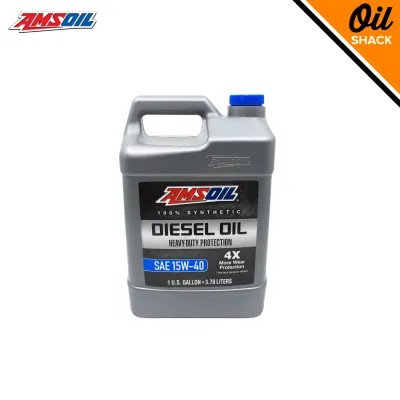
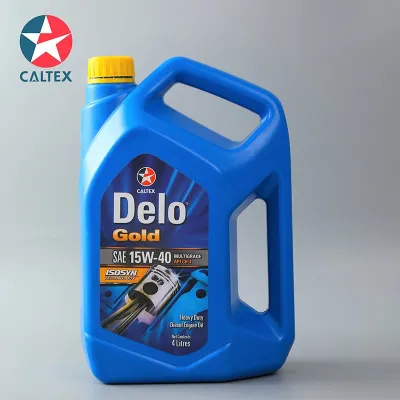
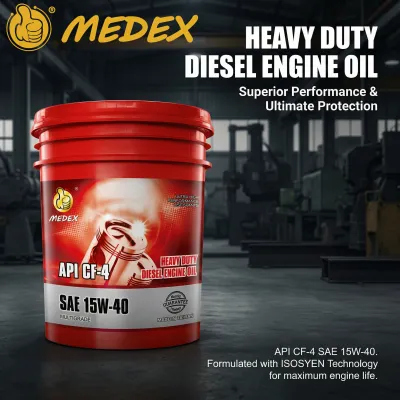
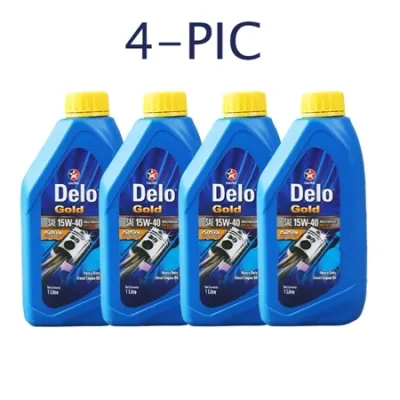
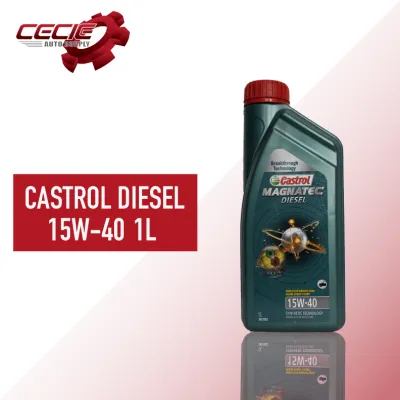
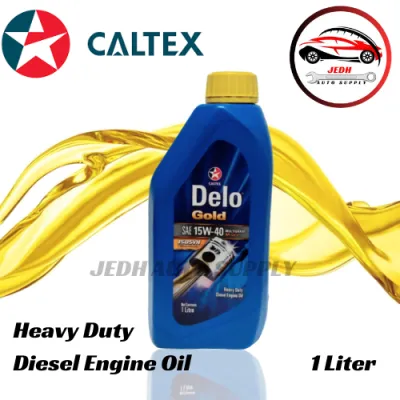
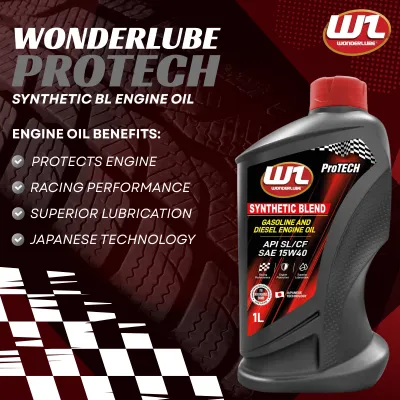
Prices are valid at publication and may change. Please refer to the product page for the latest price.
The second part, “40,” represents the oil’s kinematic viscosity at normal engine operating temperatures (100°C). This indicates the strength and thickness of the oil film when the engine is fully warmed up. A rating of 40 means the oil maintains a robust, protective barrier that prevents metal surfaces from grinding against each other, which is critical for preventing thermal breakdown and maintaining consistent oil pressure under load.
To achieve this dual-temperature capability, manufacturers blend multi-grade oils with polymer additives called Viscosity Index Improvers (VIIs). At cold temperatures, these polymers remain contracted, allowing the oil to flow easily. As the engine heats up, the polymers expand, preventing the oil from thinning out excessively and allowing it to behave like a more protective 40-weight oil.
Why Diesel Engines Require Robust Oil Films
Diesel engines operate under high compression ratios to ignite fuel, creating immense cylinder pressures and mechanical forces. These extreme pressures exert heavy loads on internal components like crankshaft bearings, pistons, and wrist pins. A robust oil film is mandatory to cushion these parts and prevent direct metal-to-metal contact, which would otherwise cause rapid wear.

Furthermore, diesel engines generate substantial heat under heavy loads or sustained high torque. Under these conditions, lower-viscosity oils can suffer from shear, where mechanical forces physically tear the oil’s polymer chains and reduce its viscosity. A high-temperature “40” grade oil provides the shear stability needed to maintain its protective barrier under severe operating conditions.
While viscosity provides physical protection, handling soot, neutralizing acids, and preventing oxidation is primarily the job of the oil’s chemical additive package. Diesel combustion naturally produces soot and corrosive byproducts. The performance specifications of the oil govern these chemical defenses, meaning that selecting the correct additive package is just as critical as choosing the right viscosity grade.
Is 15W-40 the Right Choice for Your Engine and Climate?
Determining whether 15W-40 is appropriate for your vehicle requires evaluating your local environment, your engine’s design, and how you use your vehicle.
Climate and Operating Temperatures In the tropical climate of the Philippines, ambient temperatures remain high year-round. Because there are no freezing winters, the cold-start limitations of a “15W” rating are practically irrelevant. The oil flows easily during startup. More importantly, the high-temperature “40” rating is highly beneficial, as it resists thinning caused by intense tropical heat and the extreme thermal loads of stop-and-go traffic in congested urban areas.
Engine Age and Design Older diesel engines, high-mileage utility vehicles, and heavy-duty trucks are prime candidates for 15W-40 oil. These older engines were designed with wider internal clearances and benefit from the thicker protective cushion that a 40-weight oil provides. However, modern light-duty diesel engines—such as those found in newer mid-size SUVs and pickup trucks—are engineered with incredibly tight tolerances. These advanced engines often require thinner lubricants like 5W-30 or 0W-20 to ensure rapid oil circulation through narrow passages.
Duty Cycle and Vehicle Usage If your vehicle is used for commercial hauling, public transport, towing, or long-distance deliveries, it experiences a demanding duty cycle. Under these heavy loads, the engine operates at high temperatures for extended periods. A 15W-40 oil is a reliable choice for these applications because its robust formulation resists shearing and maintains stable oil pressure under continuous stress.
The Core Decision Rule It is a common misconception that a thicker oil is always better. Using a 15W-40 oil in a modern engine designed for a 5W-30 grade can lead to sluggish oil flow during startup, increased internal friction, reduced fuel economy, and potential damage to sensitive components. Conversely, using an oil that is too thin in an older, heavy-duty engine can lead to low oil pressure and accelerated wear. Always match the oil viscosity to the engine’s design requirements rather than assuming a higher viscosity equals better performance.
Beyond Viscosity: Matching OEM Performance Specifications
Selecting the correct SAE viscosity grade is only the first step. The numbers “15W-40” only describe the physical thickness of the fluid, not its chemical composition or its ability to protect specific engine components and emissions systems. To ensure complete protection, you must match the oil’s performance certifications with your vehicle manufacturer’s specifications.
International bodies establish performance categories to grade the chemical capabilities of engine oils. The American Petroleum Institute (API) uses designations like CK-4 or CJ-4 for modern diesel engines, while the European Automobile Manufacturers’ Association (ACEA) uses categories like E7 or E9. These standards dictate how well the oil handles soot, resists oxidation, and protects against wear over its service life.
Matching these specifications is critical for vehicles equipped with modern emissions control systems. Modern diesel engines utilize Exhaust Gas Recirculation (EGR) systems, Diesel Particulate Filters (DPFs), and Selective Catalytic Reduction (SCR) to minimize emissions. These systems require specific low-SAPS (Sulfated Ash, Phosphorus, and Sulfur) oil formulations. Using an oil with the incorrect chemical additive package can quickly clog a DPF or poison an SCR catalyst, leading to restricted exhaust flow, engine power loss, and repairs that can cost tens of thousands of pesos (₱).
Before purchasing any oil, perform these essential verification checks:
- Check the Owner's Manual: Locate the engine oil section to find the recommended SAE viscosity and required performance standards.
- Verify the Oil Filler Cap: Many vehicles have the recommended viscosity grade printed directly on the oil filler cap.
- Inspect the Oil Bottle Label: Look for the API donut or ACEA specifications on the back of the bottle to ensure they match your vehicle's requirements.
- Consult a Professional: If your owner's manual is missing or if the engine has been modified, consult a certified mechanic before changing your oil.
Frequently Asked Questions (FAQ)
Can I use 15W-40 diesel oil in a gasoline engine?
While some modern oils carry dual certifications (such as API CK-4/SN) and are safe for both engine types, you should avoid using a dedicated heavy-duty 15W-40 diesel oil in a modern gasoline passenger car. Diesel oils contain higher levels of zinc and phosphorus additives to combat heavy wear. In a gasoline engine, these high additive levels can poison and permanently damage the catalytic converter. Furthermore, the thicker viscosity can restrict oil flow during cold starts in gasoline engines designed for lighter grades like 0W-20, leading to increased wear and lower fuel efficiency.
Is 15W-40 better than 5W-40 for diesel engines?
Neither grade is universally superior; the ideal choice depends entirely on your engine’s design and operating environment. A 5W-40 oil is typically a synthetic formulation that flows much better at extremely cold temperatures and offers quicker lubrication during startup. It is often specified for modern, high-performance light-duty diesel engines. A 15W-40 oil is often a conventional or semi-synthetic blend that is highly cost-effective and perfectly suited for older, heavy-duty engines operating in warm climates like the Philippines. Always follow the specific grade recommended by your vehicle manufacturer.
How does 15W-40 affect fuel economy?
Thicker oils like 15W-40 create higher internal fluid resistance (viscous drag) within the engine compared to thin, fuel-efficient oils like 5W-30. This extra resistance requires the engine to work slightly harder, which can result in a minor decrease in fuel economy. However, in heavy-duty engines designed specifically for a 15W-40 grade, this thicker oil is necessary to maintain the load-bearing oil film under extreme heat and pressure. Attempting to improve fuel economy by using a thinner oil than recommended in a heavy-duty engine can result in severe mechanical wear and costly engine damage.
Community discussion
Share your experience or ask a question. Comments are reviewed before publication.