
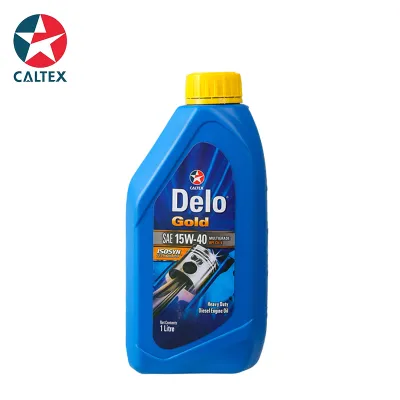
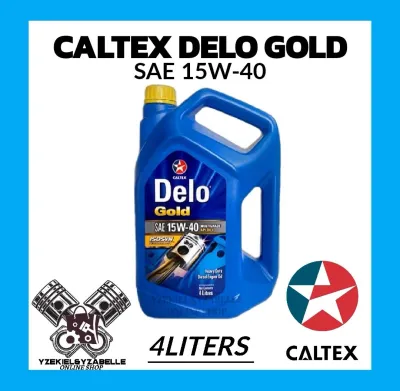
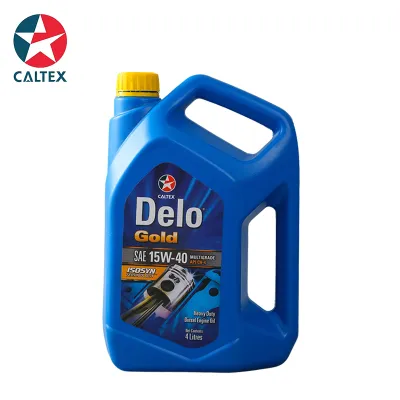
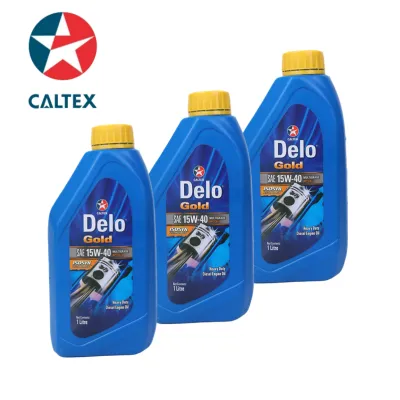
Selecting the right motor oil is one of the most critical decisions you can make for your vehicle’s longevity, especially when operating a diesel engine in a tropical environment. Among the various options lining auto supply shelves, 15W-40 is arguably the most recognizable and widely used viscosity grade for diesel powerplants. Whether you are maintaining a family SUV, a commercial utility vehicle, or a heavy-duty truck, choosing a reputable formulation like delo gold 15w40 diesel oil can make a substantial difference in wear protection. However, understanding exactly what these numbers mean—and how they interact with high ambient temperatures, heavy traffic, and specific engine designs—is essential before your next oil change.
What the 15W-40 Viscosity Grade Actually Means
The alphanumeric code “15W-40” represents a multi-grade viscosity rating established by the Society of Automotive Engineers (SAE). Viscosity refers to a fluid’s resistance to flow; in simpler terms, it describes how thick or thin the oil is under specific temperature conditions. Multi-grade oils are engineered to perform reliably across a broad temperature spectrum, protecting the engine during both initial startup and sustained high-speed operation.
The first part of the designation, 15W, indicates the oil’s low-temperature viscosity, with the “W” standing for winter. This rating measures how easily the oil flows and how effectively the oil pump can circulate it when the engine is cold. While the Philippines does not experience freezing winter temperatures, cold-start protection remains highly relevant. When a vehicle sits overnight, the oil drains back into the oil pan, leaving internal components with only a microscopic film of lubrication. During morning startups, or when operating in cooler, high-altitude regions like Baguio or Tagaytay, the oil must flow quickly to the overhead camshafts and valve trains to prevent dry metal-on-metal friction. A 15W rating ensures the lubricant remains fluid enough at these lower ambient temperatures to reach critical engine parts within seconds of turning the key.
Products mentioned in this guide
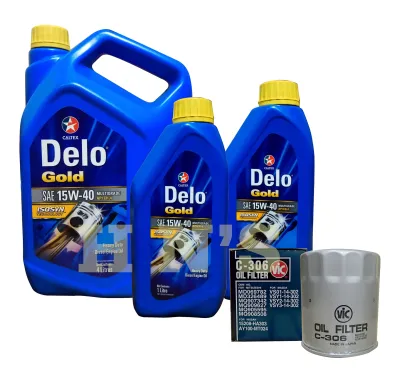
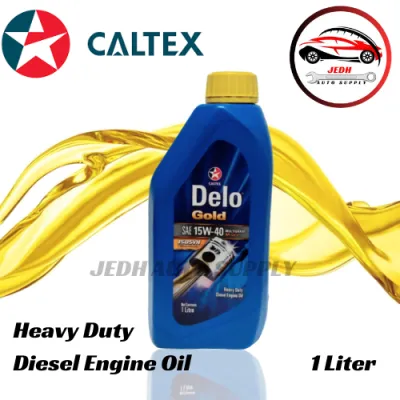
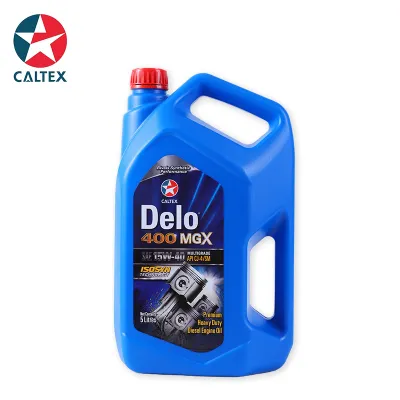
Prices are valid at publication and may change. Please refer to the product page for the latest price.
The second number, 40, represents the oil’s kinematic viscosity at normal engine operating temperature, standardized at 100°C. This rating indicates the oil’s thickness and structural strength when the engine is fully warmed up. A higher hot-viscosity number means the oil forms a thicker, more resilient lubricating film. This film acts as a physical barrier between rapidly moving components, such as the pistons, cylinder walls, and crankshaft bearings, preventing destructive metal-to-metal contact under intense thermal and mechanical stress.
Diesel engines operate under significantly different parameters than their gasoline counterparts, which dictates their reliance on robust viscosity grades like 40. Diesel combustion involves exceptionally high compression ratios, which subjects internal components to immense mechanical loads. Additionally, diesel combustion naturally produces soot, an abrasive byproduct that can migrate into the crankcase. A robust 15W-40 formulation is specifically engineered to suspend these soot particles, maintain its structural viscosity, and resist shearing—the permanent thinning of oil caused by the mechanical slicing action of moving engine parts.
How 15W-40 Handles the Philippine Tropical Climate
The environmental and driving conditions in the Philippines present a unique set of challenges for engine lubricants. High ambient temperatures, which frequently exceed 35°C during the dry season, combine with severe traffic congestion in urban areas like Metro Manila and Metro Cebu. In prolonged stop-and-go traffic, an engine lacks the cooling benefit of high-speed airflow, causing under-hood temperatures to climb dramatically. Under these extreme thermal conditions, lower-viscosity oils can thin out excessively, compromising the protective oil film. A 15W-40 oil provides the necessary thermal stability to resist thinning, ensuring that the lubricant maintains its structural integrity and keeps oil pressure within safe operating limits even during hours of idling in intense heat.

Furthermore, diesel vehicles in the local market are frequently utilized for demanding commercial activities, towing, or carrying heavy passenger loads. Whether it is a utility van transporting cargo across provinces, a family SUV climbing steep mountain roads, or a public utility jeepney operating all day, these engines operate under sustained heavy loads. The thicker oil film provided by a 40-grade lubricant acts as a critical cushion for the engine’s main and rod bearings, absorbing mechanical shocks and reducing long-term wear.
However, a 15W-40 viscosity grade is not a universal solution for every diesel vehicle. Modern, light-duty passenger diesel vehicles—such as newer crossover SUVs and compact pickups—are often engineered with incredibly tight internal clearances. These modern engines are frequently designed to run on lower-viscosity synthetic oils, such as 5W-30 or 0W-30, to reduce internal fluid drag and maximize fuel efficiency. Using a thicker 15W-40 oil in an engine specifically designed for a thinner lubricant can lead to increased fuel consumption, sluggish performance, and inadequate lubrication during startup because the oil cannot flow easily through the narrow oil passages. Consequently, while climate is an important consideration, the vehicle manufacturer’s design specifications must always dictate your final choice.
Choosing the Right Delo Gold 15W-40 Diesel Oil and Matching Specifications
Selecting the correct engine oil requires looking beyond the viscosity numbers on the front of the bottle. Viscosity only describes how the oil flows; it does not indicate the chemical performance, additive quality, or compatibility with emission control systems. To ensure complete engine protection, you must match the oil’s performance specifications with the requirements set by your vehicle’s manufacturer.
These performance standards are established by organizations like the American Petroleum Institute (API). For diesel engines, API service categories begin with the letter “C” (which historically stood for Commercial, but is commonly associated with compression-ignition engines). These categories progress alphabetically—such as CH-4, CI-4, CJ-4, and CK-4—with each subsequent letter representing a more advanced formulation designed to handle higher temperatures, control soot more effectively, and protect modern emissions equipment.
When evaluating options like delo gold 15w40 diesel oil, you should turn the bottle over and inspect the API service symbol, often referred to as the “API donut.” This symbol clearly displays the oil’s performance rating. To verify compatibility, cross-reference this rating with the specifications listed in your vehicle’s owner’s manual. A general rule of thumb is that newer API categories are backward-compatible with older standards; for instance, if your manual calls for an API CI-4 oil, a newer CK-4 oil is generally safe to use and will offer superior protection. However, you must always verify this in your specific vehicle documentation to avoid warranty issues.
Additionally, it is important to distinguish between heavy-duty commercial formulations and passenger-car diesel lubricants. Heavy-duty 15W-40 oils are blended with robust detergent and dispersant additive packages designed to manage the massive soot loads generated by large commercial truck fleets and industrial machinery over extended drain intervals. While these formulations offer excellent wear protection, lighter passenger diesel vehicles equipped with sensitive exhaust after-treatment devices, such as Diesel Particulate Filters (DPF), may require specialized low-SAPS (Sulfate Ash, Phosphorus, and Sulfur) formulations to prevent filter clogging. Always check both the viscosity and the chemical specification requirements before purchasing.
Maintaining 15W-40 Oil Health in Tropical Conditions
The demanding combination of high ambient humidity, intense heat, and stop-and-go driving accelerates the aging process of any engine oil. Over time, sustained operating heat causes the base oil to react with oxygen, a process known as oxidation. Oxidation leads to the formation of harmful acids, varnish, and thick sludge, while simultaneously depleting the protective additive packages that prevent wear and corrosion.
To maintain engine health, you must establish an appropriate oil drain interval. It is highly advisable to avoid relying on generic mileage recommendations or advice from unauthorized online forums. Instead, consult your vehicle owner’s manual and locate the maintenance schedule for “severe driving conditions.” In the Philippines, typical daily driving—which involves short trips, prolonged idling, dusty environments, and high humidity—almost always falls under the severe service category. This classification typically requires more frequent oil and filter changes than standard highway driving schedules.
Between scheduled oil changes, performing regular physical inspections using the engine dipstick is a simple yet highly effective way to monitor oil health.
- Check the Oil Level: Ensure the oil level rests between the minimum and maximum indicators on the dipstick. Running an engine with low oil volume accelerates thermal degradation and risks severe mechanical damage.
- Inspect the Fluid Condition: Wipe the dipstick on a clean white paper towel to observe the oil's color and consistency. While diesel oil naturally turns black quickly due to suspended soot, it should remain smooth and fluid.
- Look for Contamination Signs: If the oil appears milky, frothy, or resembles chocolate milk, this indicates coolant contamination, which is a serious issue requiring immediate professional diagnostics. Conversely, if the oil feels unusually thin or smells strongly of diesel fuel, it may suffer from fuel dilution, which drastically reduces its lubricating ability and warrants a prompt inspection by a qualified mechanic.
Frequently Asked Questions (FAQ)
Can I use 15W-40 in a modern common-rail diesel engine?
Whether you can use 15W-40 in a modern common-rail direct injection (CRDI) engine depends entirely on the manufacturer’s specifications. While many older or heavy-duty common-rail engines are designed to operate perfectly on 15W-40, many newer light-duty passenger diesel engines require lower viscosity oils, such as 5W-30 or 5W-40 synthetic formulations. These thinner oils are necessary to ensure rapid lubrication of tight clearances, reduce emissions, and optimize fuel economy. Always consult your vehicle’s owner’s manual to confirm the approved viscosity grades and API specifications before introducing any lubricant to your engine.
Is it safe to mix 15W-40 with a different viscosity grade?
Generally, you should avoid mixing different viscosity grades or different brands of engine oil. Motor oils are highly engineered fluids containing specific chemical balances of base oils and additive packages. Mixing them can disrupt this delicate balance, potentially reducing the oil’s overall protective capabilities, altering its viscosity profile, or causing additive drop-out. You should only mix different oils in an absolute emergency—such as when the oil level is critically low and running dry would cause immediate engine failure. If you must top up with a different oil to reach a safe operating level, schedule a professional oil drain, flush, and filter replacement as soon as possible to restore proper engine protection.
Community discussion
Share your experience or ask a question. Comments are reviewed before publication.