
Selecting the right tire set is critical for your vehicle’s safety, handling, and operating costs. The 235/70 R15 tire size is a common specification for mid-size SUVs, older utility pickups, and multi-purpose vehicles driven on Philippine roads. This size represents a section width of 235 millimeters, an aspect ratio of 70 percent, and a radial construction designed for 15-inch wheels. Because this size bridges the gap between daily city commuting and rugged provincial utility, drivers must often choose between Highway Terrain (HT) and All-Terrain (AT) tires.
These two tire types are engineered for fundamentally different environments. Highway Terrain tires are optimized for paved roads, offering enhanced fuel efficiency, a quieter cabin, and smooth handling during daily commutes. Conversely, All-Terrain tires are built for mixed surfaces, providing the structural durability needed to withstand unpaved roads, loose gravel, and heavier utility loads. Your choice should depend directly on your typical weekly routes, your vehicle’s drivetrain configuration, and your personal comfort preferences.
Because tires are the sole point of contact between your vehicle and the road, an incorrect choice can compromise braking distances, wet-weather traction, and suspension longevity. Before purchasing any new set of tires, always consult your vehicle’s original owner’s manual or the tire placard on the driver’s side door jamb to verify the recommended load index and speed rating. Furthermore, because tire mounting, wheel balancing, and wheel alignment directly impact vehicle stability and safety, all installations should be carried out by a qualified professional technician.
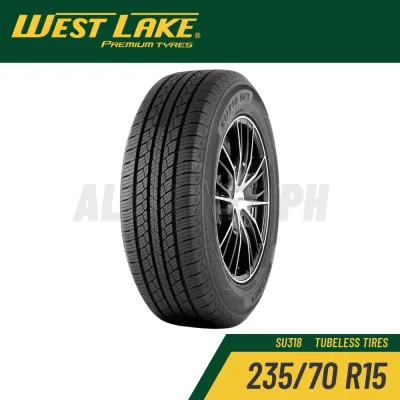
Products mentioned in this guide
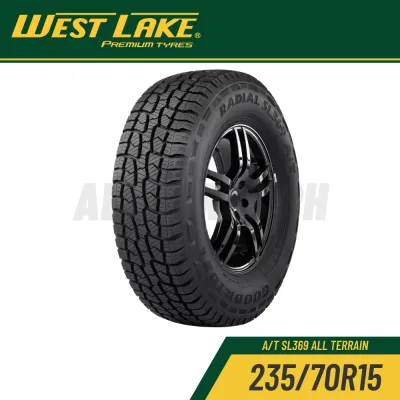
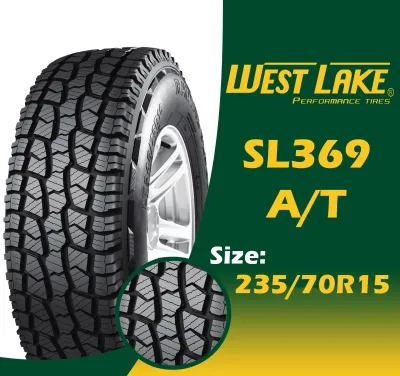
30 Lazada user ratings
maganda at legit pero dko pa nabubuksan...kaya ireview ko ulit Kong mabuksan at magamit ko na..sana tumagal lang...
legit westlake,2024 ang production year.....manit si seller laging may respond sa aking ng tanong.
💰Price: mas mababa kumpara sa labas and maganda saka 2026 ang manufactured date salamat sa seller
goodz na goodz👍👍👍👍👍👍👍👍
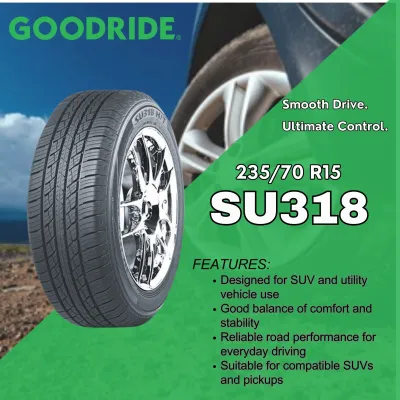
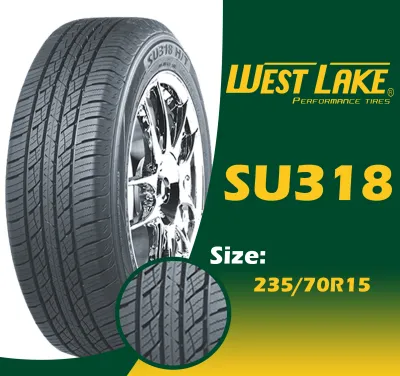
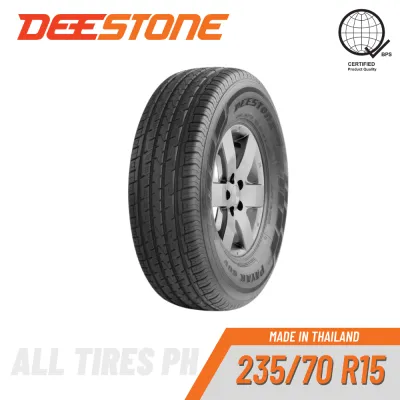
22 Lazada user ratings
good quality ok thanks very much. appears to be original westlake tires and legit supplier.
🛠️Durability:good quality 💰Price:price is good value 🦶Traction:works well even on wet roads
good quality,nice appearance hope it will last long
148 Lazada user ratings
like it very much. cheaper in cost comparatively. inviting everyone to buy Westlake tires. thanks Lazada and the seller.
Great performance on all terrains,High-quality materials used,
Quality:good Appearance:good Performance:good
🛠️Durability:Great value for money,
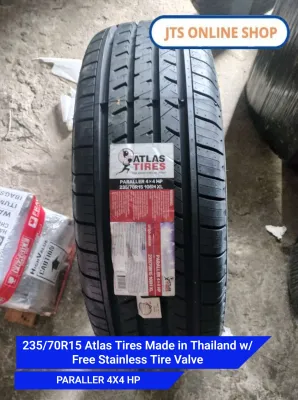
2 Lazada user ratings
The tires have goid appearance but the free valve is missing.
Prices are valid at publication and may change. Please refer to the product page for the latest price.
Key Comparison Dimensions for Your Daily Drive
Evaluating the differences between Highway Terrain and All-Terrain tires requires looking past marketing claims and focusing on physical, observable characteristics. The tread pattern, rubber compound hardness, and internal casing structure dictate how a tire behaves under load, how much noise it generates, and how long it lasts. By analyzing these physical specifications, you can determine which tire type aligns with your vehicle’s mechanical limits and your daily driving routes.
The following comparison table outlines the key observable specifications that distinguish Highway Terrain tires from All-Terrain tires in the 235/70 R15 size:
| Observable Feature | Highway Terrain (HT) Tires | All-Terrain (AT) Tires |
|---|---|---|
| Tread Pattern Design | Continuous ribs with narrow, longitudinal grooves | Large, independent tread blocks with wide void spaces |
| Typical Tread Depth | Shallow to moderate (typically 8 mm to 10 mm) | Deep and aggressive (typically 10 mm to 14 mm) |
| Siping Density | High density of micro-grooves for water evacuation | Moderate siping, optimized for block stability on dirt |
| Sidewall Construction | Standard 2-ply or 3-ply casing for flexibility | Reinforced casing with thicker rubber to resist punctures |
| Void Ratio | Low void ratio (maximum rubber contact on pavement) | High void ratio (designed to eject mud, stones, and sand) |
Tread Pattern, Noise, and Ride Comfort
The physical layout of a tire’s tread blocks directly influences the amount of noise and vibration transmitted into your vehicle’s cabin. Highway Terrain tires feature a tread pattern characterized by continuous circumferential ribs and tightly spaced tread blocks. This design minimizes the volume of air trapped beneath the tire as it rolls, which significantly reduces road hum and creates a smoother, more comfortable ride on paved surfaces. If your daily commute consists primarily of well-paved highways and smooth city streets, the low-vibration characteristics of an HT tire will provide a noticeably quieter cabin environment.
In contrast, All-Terrain tires are designed with larger, more aggressive tread blocks separated by wide void channels. While these open spaces are essential for off-road traction, they allow a much larger volume of air to become compressed and released as the tire rotates, resulting in a distinct tread hum at highway speeds. Over long distances, this increased road noise can lead to driver fatigue, particularly in vehicles with standard cabin insulation. When shopping for AT tires, it is highly recommended to inspect the manufacturer’s physical tire label for decibel ratings or consult verified user feedback regarding the specific model’s noise levels on asphalt.
Fuel Efficiency and Rolling Resistance
Fuel consumption is closely tied to a tire’s rolling resistance, which is determined by its weight, tread design, and rubber compound. Highway Terrain tires are generally constructed with lighter internal steel belts and more flexible sidewalls, which reduces the overall mass of the tire. The smoother tread pattern also experiences less tread squirm—the microscopic flexing of tread blocks under load—which translates to lower rolling resistance. Consequently, vehicles equipped with HT tires typically achieve better fuel economy, making them a cost-effective option for high-mileage drivers who stick to paved roads.
All-Terrain tires, on the other hand, require heavier internal construction, including extra nylon or steel plies, to protect against punctures from sharp rocks and debris. This added reinforcement increases the unsprung weight of each wheel, requiring more engine power to initiate and maintain rotation. Additionally, the tall, independent tread blocks of an AT tire flex more during acceleration and braking, absorbing energy that would otherwise propel the vehicle forward. To evaluate the potential impact on your fuel budget, always check the standardized rolling resistance coefficients or fuel efficiency grades printed on the tire’s physical label before making a purchase.
Traction, Durability, and Off-Road Capability
Traction requirements vary dramatically depending on whether you are navigating a rain-slicked highway or a muddy provincial road. Highway Terrain tires are engineered to maximize contact with paved surfaces, utilizing a high density of sipes—tiny slits in the tread blocks—to slice through surface water and prevent hydroplaning. This design ensures reliable braking performance and lateral stability on wet asphalt during heavy monsoon downpours. However, if an HT tire is driven onto soft mud or loose wet clay, its narrow grooves quickly become packed with debris, turning the tread slick and causing the vehicle to lose traction.
All-Terrain tires excel in environments where the pavement ends, thanks to their high void ratio and self-cleaning tread designs. The wide channels between the tread blocks allow the tire to scoop up and eject mud, gravel, and sand, maintaining constant contact with the solid ground beneath. Furthermore, the reinforced sidewalls of AT tires are specifically engineered to resist cuts, tears, and punctures from sharp stones or jagged debris commonly found in construction zones and rural trails. When choosing between these types, you must carefully weigh the necessity of off-road durability against the superior wet-weather braking performance of HT tires on clean asphalt.
Decision Framework: Which Tire Type Fits Your Vehicle Usage?
To select the correct tire type for your 235/70 R15 fitment, you must analyze your actual driving habits rather than preparing for rare, worst-case scenarios. Installing an overly aggressive tire for a vehicle that rarely leaves the city can lead to unnecessary fuel expenses and a harsh ride, while choosing an under-equipped tire for rugged terrain can result in frequent punctures and stranded situations.

Choose Highway Terrain if:
- Your driving routes consist of 90% or more paved roads, including city streets, expressways, and well-maintained provincial highways.
- You prioritize cabin quietness, ride comfort, and minimizing road vibrations during long-distance travel.
- You want to maximize your vehicle's fuel efficiency and extend the overall tread life of your tires through lower rolling resistance.
- Your vehicle is primarily a rear-wheel-drive or front-wheel-drive model used for family commuting, light cargo transport, or daily school runs.
Choose All-Terrain if:
- You regularly drive on unpaved roads, gravel pathways, construction sites, or rural barangay roads that are prone to mud and washouts.
- Your vehicle is equipped with a four-wheel-drive (4WD) or all-wheel-drive (AWD) system, and you frequently utilize its off-road capabilities.
- You require extra sidewall puncture resistance to handle sharp rocks, deep potholes, and unpredictable road debris without risking tire failure.
- You frequently haul heavy loads or tow trailers over mixed, uneven surfaces where extra tread bite is necessary to maintain momentum.
Verify first if:
- You are considering changing your tire size or moving to a significantly heavier AT tire, as this can alter your vehicle's speedometer accuracy, suspension clearance, and braking dynamics.
- Your vehicle's suspension is completely stock; some aggressive AT tires may have wider shoulder blocks that can rub against inner fender liners or suspension components during tight turns.
- You plan to drive in highly specialized environments, such as deep mud or extreme rock crawling, which may require dedicated Mud Terrain (MT) tires rather than standard All-Terrain options.
Verification Checklist Before You Buy
Purchasing new tires represents a significant financial investment, making thorough pre-purchase verification essential for both safety and value. Before finalizing your order for a set of 235/70 R15 tires, complete the following actionable checks to ensure compatibility and optimal performance:
- Verify the Load Index and Speed Rating: Locate the tire specification placard on your vehicle's door jamb or consult the owner's manual. Ensure the new tires meet or exceed these original equipment manufacturer (OEM) specifications to prevent overloading or high-speed tire failure.
- Inspect for Uneven Wear: Examine your current tires before they are removed. Uneven wear on the inner or outer edges, cupping, or feathering often indicates underlying wheel alignment, suspension bushing, or shock absorber issues that must be repaired by a professional technician before mounting your new tires.
- Check the DOT Manufacturing Date: Locate the Department of Transportation (DOT) code on the tire sidewall, which ends in a four-digit number representing the week and year of manufacture (e.g., "3226" indicates the 32nd week of 2026). Avoid purchasing tires that have been sitting in storage for more than five years, as rubber compounds naturally degrade and harden over time, reducing grip and safety.
- Confirm Rim Width Compatibility: Ensure your vehicle's current 15-inch rims fall within the manufacturer's approved rim width range for a 235/70 R15 tire, which typically ranges from 6.0 to 8.0 inches.
Frequently Asked Questions (FAQ)
Can I mix highway terrain and all-terrain tires on the same vehicle?
Mixing different tread types on the same vehicle is highly discouraged and can compromise your safety. Different tread designs possess distinct grip characteristics, water evacuation rates, and stiffness levels, which can cause unpredictable handling, uneven braking, and reduced stability during emergency maneuvers. For optimal safety, you should always replace your tires in matching sets of four. If you must replace only two tires, ensure that the new tires match the existing tires’ tread pattern and are installed on the rear axle, particularly on four-wheel-drive or all-wheel-drive vehicles where mismatched tire diameters or traction levels can cause severe drivetrain stress and mechanical damage.
Do all-terrain tires in 235/70 R15 require more frequent rotation?
Yes, All-Terrain tires generally require more frequent and disciplined rotation intervals compared to Highway Terrain tires. Because AT tires feature large, independent tread blocks and a more aggressive void pattern, they are highly susceptible to uneven wear patterns, such as heel-and-toe wear, if left in the same position for too long. Regular rotation helps distribute the unique forces experienced by the front steering axle and the rear drive axle evenly across all four tires. To maximize the lifespan of your AT tires, it is recommended to rotate them every 8,000 to 10,000 kilometers, or as specified by your vehicle manufacturer’s maintenance schedule, utilizing a cross-rotation pattern suitable for your vehicle’s drivetrain.
Community discussion
Share your experience or ask a question. Comments are reviewed before publication.