
Quick Answer: Do You Need a 360 View Camera?
Deciding between a 360-degree view camera and a standard dashcam depends on whether you need active maneuvering assistance or simple liability protection. For most drivers, a high-quality dual-channel dashcam is entirely sufficient. It provides the essential video evidence required by insurance companies and traffic authorities to resolve disputes after an accident.
Conversely, a 360 view camera for car installations is a highly practical upgrade if you regularly navigate exceptionally tight urban streets, park in cramped multi-level basements, or drive a large vehicle with significant blind spots. While a standard dashcam acts as a silent witness for high-speed road incidents, a 360-degree system serves as an active parking and low-speed driving aid that helps prevent physical damage to your vehicle before it happens.
Diagnose Your Daily Driving Environment
To determine which system fits your daily routine, start by analyzing the specific roads and traffic patterns you encounter. Philippine urban centers present unique driving challenges, from narrow barangay roads lined with parked vehicles to sudden lane-filtering by motorcycles and tricycles. If your daily commute consists of wide highways or well-planned arterial roads, your exposure to tight side-clearance hazards is relatively low. However, if you frequently squeeze through congested residential side streets where centimeters matter, spatial awareness becomes a daily struggle.
Products mentioned in this guide
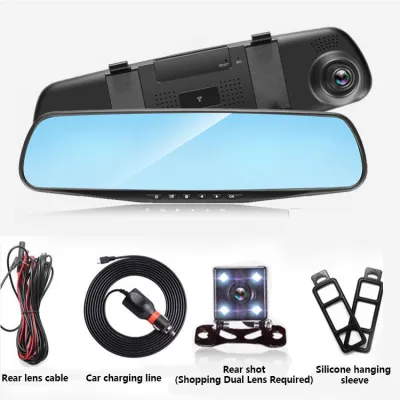
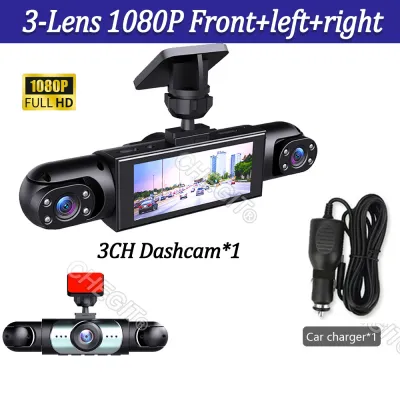
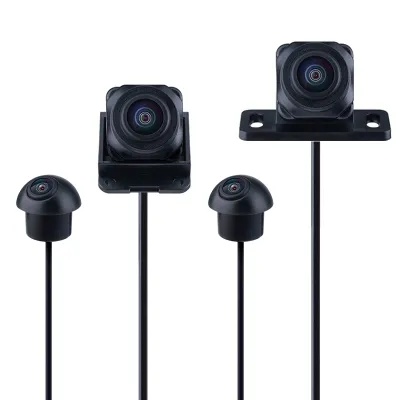
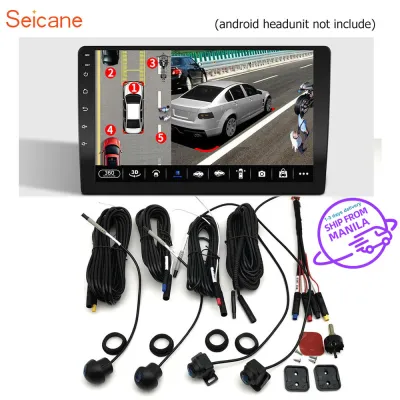
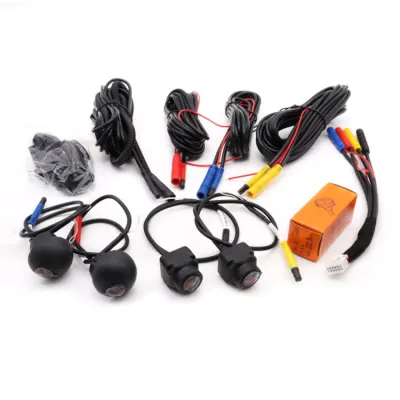
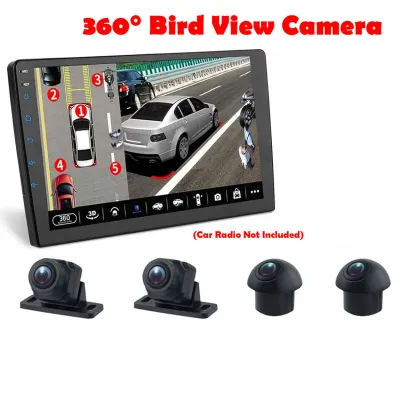
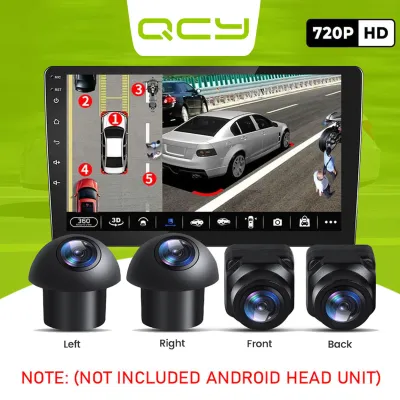
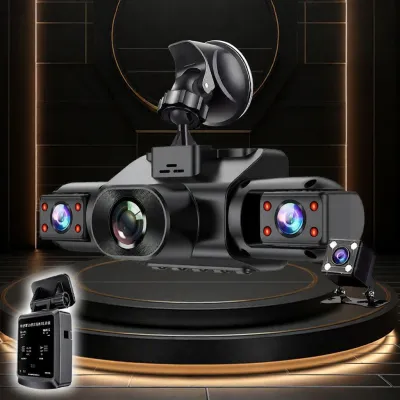
Prices are valid at publication and may change. Please refer to the product page for the latest price.

Parking environments also play a massive role in this decision. Many commercial parking structures, older mall basements, and office garages feature tight turns, narrow slots, and unforgiving concrete pillars. Squeezing a vehicle into these spaces often requires multiple adjustments. If you rely on street parking where high curbs, open drainage canals, or low-lying obstacles are common, estimating your distance from the driver’s seat can be incredibly difficult without visual aid.
Finally, evaluate your vehicle’s physical dimensions and natural visibility. Compact hatchbacks and small sedans generally offer excellent outward visibility, making it easy to judge distances using standard mirrors. On the other hand, mid-size SUVs, pickup trucks, and large MPVs have high hood lines, long wheelbases, and massive blind spots directly in front of the bumper and along the passenger side. Driving a larger vehicle in crowded areas significantly increases the utility of a surround-view system.
When a Regular Dashcam is Enough
A standard front-and-rear dashcam is designed for one primary purpose: capturing high-definition video evidence of the road. In the event of a collision, traffic dispute, or fraudulent claim, this footage serves as indisputable proof for insurance adjusters and law enforcement. Because these cameras mount directly to your windshield and rear glass, they capture a wide, unobstructed view of traffic flow, traffic lights, and road signs.
However, standard dashcams have clear physical limitations. They are mounted high up on the glass, meaning they cannot see low-lying obstacles near your wheels, such as high curbs, parking barriers, or deep potholes. They also leave significant blind spots along the sides of your vehicle. If another car scrapes your door panels while merging or parking, a standard dashcam setup will likely miss the direct point of impact, though it may capture the vehicle entering or leaving the frame.
This system is ideal for highway commuters, experienced drivers with strong spatial awareness, and those operating smaller vehicles. If your primary goal is to protect yourself from liability during daily commutes on major roads, a reliable dual-channel dashcam offers the best balance of simplicity, cost-effectiveness, and essential protection without requiring complex modifications to your vehicle.
When a 360 View Camera System is Necessary
A 360-degree surround-view system utilizes four ultra-wide-angle cameras positioned at the front grille, under each side mirror, and at the rear tailgate. A specialized control module stitches these four independent video feeds together in real time, projecting a seamless, top-down bird’s-eye view of your vehicle onto your dashboard screen. This perspective allows you to see exactly how close your tires are to curbs, walls, and other vehicles.
This active visual feedback is incredibly valuable for preventing low-speed scrapes, bumper damage, and wheel scuffs. Instead of guessing where your passenger-side wheel is positioned relative to a deep drainage ditch or a high concrete planter, you can look directly at your display to make precise steering adjustments. It transforms stressful parking maneuvers into controlled, highly visible actions.
Implementing a 360 view camera for car setups requires a compatible display interface. If your vehicle did not come with a factory-installed screen, you will generally need to upgrade to an aftermarket head unit that supports multi-camera inputs and processing. Because of the hardware requirements, specialized control modules, and extensive wiring involved, these systems represent a premium investment. You must also budget for professional installation and calibration, as the cameras must be precisely aligned using physical calibration mats to ensure the stitched image is accurate and free of dangerous blind spots.
Decision Checklist: Match Your Profile to the Right System
Use this comparison matrix to evaluate how each system aligns with your driving needs, vehicle type, and budget:
| Feature / Dimension | Regular Dual Dashcam | 360 View Camera System |
|---|---|---|
| Primary Use Case | Incident recording & liability proof | Active parking aid & low-speed maneuvering |
| Coverage Area | Front and rear road views | Complete 360-degree surround view |
| Installation Complexity | Low (often plug-and-play via 12V outlet) | High (requires professional wiring & calibration) |
| Vehicle Compatibility | Universal for all vehicle types | Requires compatible dashboard screen/head unit |
| Hardware Cost | Budget-friendly to moderate | Premium investment |
| Side Blind Spot Protection | Limited | Comprehensive |
Before purchasing any system, stop and reassess your vehicle’s current status. If your car is brand new and covered by a comprehensive manufacturer warranty, making extensive electrical modifications to install an aftermarket 360 system could risk voiding your electrical coverage. In such cases, a non-invasive, plug-and-play dual dashcam is the safer choice. If you decide to proceed with a 360 system, your next step should be consulting an authorized dealership or a certified automotive electronics specialist to identify compatible hardware options that preserve your vehicle’s wiring integrity.
Installation Realities and Safety Boundaries
Installing a standard dashcam is a straightforward process that many car owners complete themselves. It typically involves mounting the cameras to the glass with adhesive pads and routing the power cable behind the interior trim panels to a 12V accessory outlet or the fuse box. While neatness requires some patience, the safety risks are minimal as long as the cables do not obstruct your view or block airbag deployment paths.
In contrast, installing a 360-degree camera system is a highly complex automotive modification. It requires drilling mounting holes into your side mirror housings, routing delicate wiring harnesses through door rubber grommets, tapping into reverse light triggers, and integrating with the vehicle’s main infotainment system. Because of these technical demands, DIY installation is highly discouraged.
Safety Warning: Improper electrical work can lead to short circuits, parasitic battery drain, or permanent damage to your vehicle’s electronic control units. You must stop and consult a qualified automotive electrician if the installation requires splicing into the main wiring harness, routing cables near side-curtain airbag modules, or working near steering column sensors. Always refer to your vehicle’s official service manual to identify safe power tapping points and ensure that aftermarket cameras do not interfere with factory-installed advanced driver-assistance systems (ADAS) like lane-departure sensors or radar modules.
Frequently Asked Questions (FAQ)
Can I add a 360 camera to an older car?
Yes, you can retrofit a 360-degree camera system to an older vehicle, but it requires installing an aftermarket head unit that supports surround-view video processing. The installer must mount four separate cameras and route the wiring to this central screen. Professional calibration is absolutely essential during this process; without it, the stitched bird’s-eye view will suffer from severe visual distortions, rendering the system inaccurate and unsafe for parking assistance.
Do these cameras work during heavy rain or night driving?
Their performance in adverse conditions depends heavily on the camera sensor quality and lens maintenance. During heavy tropical downpours, water droplets can cling to the exposed camera lenses under your side mirrors and on your front grille, temporarily blurring or blocking the view. For night driving, look for systems that specify high-sensitivity image sensors and adequate low-light performance. Always check the manufacturer’s specifications for high ingress protection (IP) ratings to ensure the external camera housings can withstand high humidity and heavy rain.

Community discussion
Share your experience or ask a question. Comments are reviewed before publication.