
Maintaining a vehicle’s exterior in a tropical climate like the Philippines presents unique challenges. Intense UV exposure, sudden monsoon downpours, and fine road dust can quickly dull a car’s finish, making regular washing a necessity. When it comes to wiping away grime or drying off water after a wash, the choice of towel is critical to preventing paint damage. Both 3M automotive cleaning cloths and regular microfiber cloths can safely wash and dry a vehicle, but they differ significantly in construction, edge treatment, and long-term durability.
Choosing between these two options depends on your detailing goals, budget, and how much risk you are willing to accept regarding your vehicle’s clear coat. A dedicated 3M cleaning cloth is engineered specifically for automotive paint, featuring specialized edge designs like ultrasonic or laser cuts to minimize swirl marks. These cloths provide consistent quality for detailing enthusiasts who want to protect their investment and are willing to pay a premium for verified, automotive-grade materials.
On the other hand, regular microfiber cloths are ideal if you are on a budget or need bulk quantities for heavy-duty, high-contamination tasks. Using generic cloths for cleaning wheels, wiping down greasy engine bays, or cleaning dirty door jambs prevents you from ruining more expensive towels. However, using regular microfiber on highly visible painted panels requires you to carefully inspect and maintain the towels to ensure they do not harbor debris or feature rough edges that could mar the clear coat.
Products mentioned in this guide
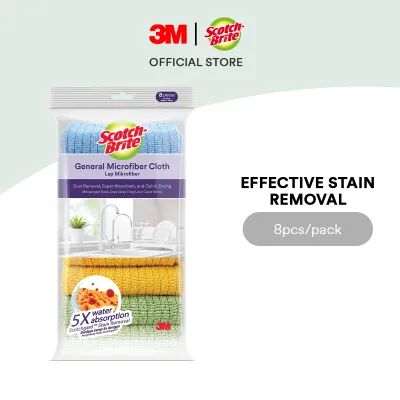
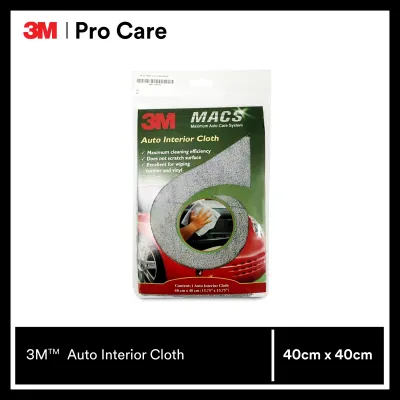
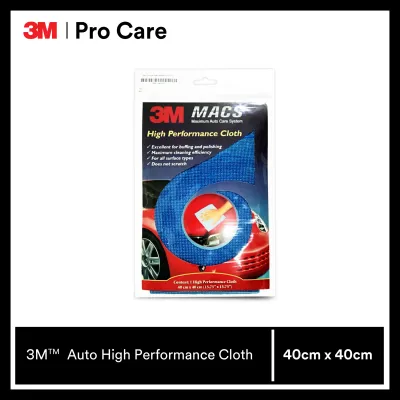
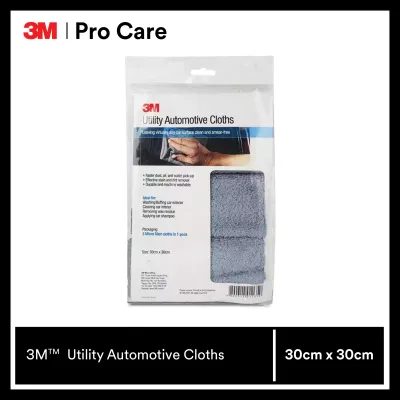
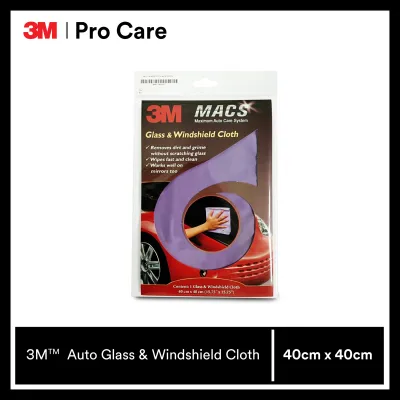
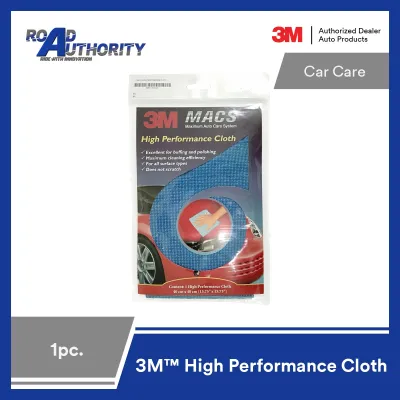
Prices are valid at publication and may change. Please refer to the product page for the latest price.
It is important to recognize that “regular microfiber” is an incredibly broad category. The quality of generic cloths varies wildly from high-grade detailing towels to cheap, ultra-thin household wipes. This comparison assumes a standard, readily available automotive or household microfiber cloth versus 3M’s dedicated automotive cleaning line.
Understanding the Build: 3M vs. Standard Microfiber
To understand why these cloths perform differently on a car’s delicate clear coat, it helps to look at how they are manufactured. Microfiber is a synthetic material typically made from a blend of polyester and polyamide. Polyester provides the scrubbing power and structural integrity, while polyamide provides the absorbency and softness. The ratio of these materials and how the fibers are split during manufacturing dictate the cloth’s performance.
3M Automotive Cleaning Cloths
3M automotive cleaning cloths are engineered with precise polyester-polyamide blend ratios designed specifically for automotive surfaces. They feature specialized knit patterns that optimize the surface area of the cloth, allowing them to lift particles efficiently without requiring heavy pressure. The fibers are consistently split to create microscopic channels that trap liquid and dirt deep within the fabric, keeping them away from the paint.
Edge treatment is another area where 3M focuses on paint safety. Many of their premium automotive cloths feature edgeless, laser-cut, or silk-banded borders. Standard thread stitching at the edges of a towel can become stiff and scratchy over time, but these specialized edge treatments eliminate that risk entirely. Because 3M offers various lines for drying, polishing, or interior dusting, you should always check the specific product label to match the cloth’s pile height and texture to your current detailing task.
Regular Microfiber Cloths
Regular microfiber cloths, especially those sold in budget-friendly bulk packs, usually feature a traditional terry-loop weave. These loops are highly effective for general cleaning but often come with standard stitched edges. The thread used for these stitched borders is frequently made from cotton or nylon, which can stiffen after a few wash cycles and act like fine sandpaper when dragged across automotive paint.
There is massive variance in the generic microfiber market. While some independent detailing brands offer high-quality, automotive-grade regular microfiber, many inexpensive bulk packs use lower pile heights and inconsistent fiber blends. Some budget cloths contain a very high percentage of polyester (sometimes up to 100 percent) with minimal polyamide. This composition makes the cloth cheaper to produce but leaves it stiff, non-absorbent, and highly likely to inflict micro-scratches on a vehicle’s clear coat.
On-the-Car Performance: Absorbency, Dirt Trapping, and Scratch Safety
When performing a DIY car wash, a towel must excel at three main tasks: soaking up water quickly, lifting residual dirt safely, and protecting the clear coat from scratches. Under the hot Philippine sun, drying efficiency is particularly critical because water evaporates rapidly, leaving behind unsightly mineral spots if the surface is not dried quickly.

Water Absorption and Drying Efficiency
An automotive towel’s absorbency is driven by its pile height, fiber density—measured in grams per square meter (GSM)—and weave type. High-GSM towels (typically 400 to 600+ GSM) are thicker and hold significantly more water than thin, low-GSM utility towels. The weave also plays a major role; waffle-weave and twist-loop patterns are highly efficient at channeling water away from the surface without leaving streaks.
While 3M drying towels are engineered specifically for high water retention and streak-free finishes, a high-GSM regular microfiber drying towel can perform similarly if it is designed for automotive use. The brand name alone does not guarantee superior drying; a thin 3M polishing cloth will not dry a car as effectively as a thick, generic 500 GSM twist-loop drying towel. For drying tasks, always check the GSM and weave type on the packaging rather than relying solely on the brand label.
Dirt Trapping and Paint Safety
During the wiping or drying phase, any remaining dirt particles on the paint can cause scratch damage if they are dragged across the surface. Microfiber prevents this through capillary action, pulling abrasive particles up into the deep pile of the fabric and holding them away from the paint. A deeper, plusher pile provides more space for this dirt to hide, making it safer for delicate clear coats.
This is where the design of the cloth’s edges becomes highly important. 3M cloths often feature edgeless or soft-bound designs that eliminate the hard stitched seams responsible for many micro-scratches. Regular microfiber cloths with standard stitched hems pose a much higher risk of scratching if you accidentally drag the edge of the towel across the paint under pressure.
However, even the most expensive 3M cleaning cloth cannot prevent scratches if your technique is poor. Proper paint safety requires ample lubrication from a high-quality car shampoo, folding the cloth into quadrants to ensure you are always using a clean face, and avoiding heavy downward pressure. The cloth is only one part of a safe wash process; proper technique is equally critical.
Durability and Care: Maximizing the Lifespan of Your Cloths
Microfiber is a durable material, but its lifespan and paint safety depend heavily on how it is washed and maintained. Over time, improper care can ruin the delicate fibers of both premium 3M cloths and regular microfiber, turning a soft detailing towel into a scratch hazard.
To maximize the lifespan of your cloths, follow these universal washing rules:
- Wash separately: Never wash microfiber cloths with cotton towels or other lint-producing fabrics, as the microfiber will trap the lint, rendering the cloth useless for paint finishes.
- Use mild liquid detergent: Avoid powder detergents, which may not dissolve completely and can leave abrasive particles trapped in the fibers.
- Skip the fabric softener: Fabric softeners and dryer sheets coat the microfibers in a layer of wax or silicone, which clogs the tiny channels, ruins absorbency, and prevents the cloth from trapping dirt.
- Dry with care: Tumble dry on low heat or air dry in a clean, shaded area. Avoid hanging microfiber in direct, harsh tropical sunlight, as extreme heat can melt the polyester fibers, causing them to stiffen.
3M automotive cloths are generally constructed to withstand repeated washing without shedding, linting, or degrading quickly, provided you follow the care instructions. They retain their softness and structural integrity over dozens of wash cycles, making them a reliable long-term investment.
In contrast, cheaper regular microfiber cloths often degrade much faster. After a few wash cycles, they may begin to shed lint, lose their absorbency, or develop stiff, frayed edges. You must regularly inspect your towels and immediately retire any cloth that feels stiff, has frayed edges, or contains embedded debris like twigs or tiny pebbles that will not wash out.
Cost and Value: Is the Premium Price Justified?
When looking at the price tags in automotive supply shops or online marketplaces, 3M automotive cloths carry a higher upfront cost per piece compared to bulk-pack regular microfiber. A single premium 3M towel can sometimes cost as much as a pack of five or ten basic utility microfiber cloths. Deciding whether this premium is justified requires looking at the long-term value and risk mitigation.
For the final drying, polishing, and wax-removal stages, paying a premium for a 3M cleaning cloth is highly justified. The cost of correcting paint damage—such as professional compounding and polishing to remove severe swirl marks—can easily run into thousands of Pesos (₱). Investing in a few high-quality, paint-safe towels is a cost-effective way to avoid expensive paint correction down the road.
For budget-conscious DIYers, a hybrid approach offers the best balance of cost and performance:
- Paint Contact: Invest in premium, edgeless cloths (like 3M or equivalent high-grade detailing brands) for washing, drying, and polishing the painted panels of your car.
- Utility Tasks: Use inexpensive, bulk-pack regular microfiber cloths for non-paint tasks such as cleaning wheels, tires, exhaust tips, engine bays, door jambs, and textured interior plastics.
This strategy ensures your delicate clear coat is always protected by premium materials, while saving you money on tasks where ultra-soft, edgeless towels are unnecessary. When shopping, compare current prices, bundle deals, and user reviews on online marketplaces to find the best value for your budget.
Practical Checks: How to Verify Cloth Quality at Home
You do not need laboratory equipment to determine whether a microfiber cloth is safe for your vehicle’s paint. You can perform several simple, practical checks at home to verify the quality of any towel before it touches your car.
- The Edge Test: Run the edge of the cloth over your clean, sensitive inner forearm. If the stitching or fabric edge feels rough, scratchy, or rigid, do not use it on your car's painted panels. Reserve that towel for wheels, glass, or engine bay cleaning.
- The Absorbency Test: Pour a small splash of water onto a hard, flat surface and wipe it with the cloth. A high-quality microfiber cloth should absorb the water instantly in a single pass without pushing the liquid around or leaving heavy streaks behind. If the water beads up and resists absorption, the cloth may contain too much polyester, lack split fibers, or be coated in fabric softener.
- The Lint Check: Shake the dry cloth vigorously under a bright light source or inspect it closely after its first wash. Excessive shedding or loose fibers indicate lower-quality manufacturing, meaning the cloth will likely leave annoying lint residue on your paint and glass.
- The Stretch and Recovery Test: Gently pull the fabric of the cloth in opposite directions. A high-quality microfiber towel should stretch slightly and immediately snap back into its original shape. Lower-quality blends often stretch out permanently, causing the dense pile structure to loosen and degrade.
Frequently Asked Questions (FAQ)
Can I use regular household microfiber towels for my car?
Using regular household microfiber towels on your car’s exterior paint is generally not recommended. Household towels are often designed with shorter piles and harsh, stitched nylon edges that can easily scratch a vehicle’s delicate clear coat. Additionally, if these towels have been washed alongside cotton fabrics or treated with fabric softeners, they will have lost their absorbency and may transfer lint and grease back onto your car’s finish.
How do I wash microfiber cloths to prevent them from scratching my car?
To keep your microfiber cloths safe for paint, wash them separately from other fabrics in warm water using a mild liquid detergent. Never use fabric softeners, bleach, or dryer sheets, as these chemicals coat the fibers and destroy their dirt-trapping abilities. Dry the cloths on low heat in a machine or air dry them in a clean, dust-free indoor area away from direct, harsh sunlight to prevent the synthetic fibers from melting and stiffening.
Community discussion
Share your experience or ask a question. Comments are reviewed before publication.