
While a 4K dashcam provides four times the pixels of a 1080p model, capturing readable license plates in dense, fast-moving traffic relies heavily on motion handling, sensor quality, and lighting. A high-quality 1080p or 2K 7omai dash camera with an advanced sensor and faster shutter speed can often outperform an entry-level 4K model at night or during high-speed driving. Choosing the right resolution requires balancing your typical driving routes, local weather conditions, and hardware specifications.
To make an informed decision for real-world road conditions in the Philippines, it is essential to look beyond marketing numbers. High resolution is highly valuable under the right conditions, but it is not a universal solution for capturing critical details during an incident. Understanding how these devices process light and motion will help you select a camera that delivers clear, actionable evidence when you need it most.
Why Resolution Alone Does Not Guarantee Readable Plates
Many drivers assume that upgrading to a higher resolution automatically guarantees a clear view of every license plate on the road. However, capturing a legible plate on a moving vehicle involves complex physical and optical challenges that pixel count alone cannot solve.
Products mentioned in this guide
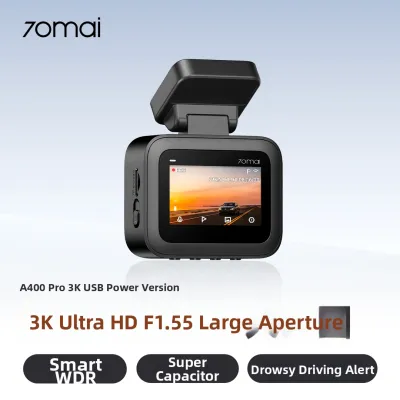
![[New Launch]70mai T800E Dash Cam 4K 3-Channel 360° Rotatable Car Camera HDR GPS With Night Vision](https://img.lazcdn.com/g/p/e7ff1ff40b833845cc4787b57b3d2b12.jpg_400x400q80.jpg_.webp)
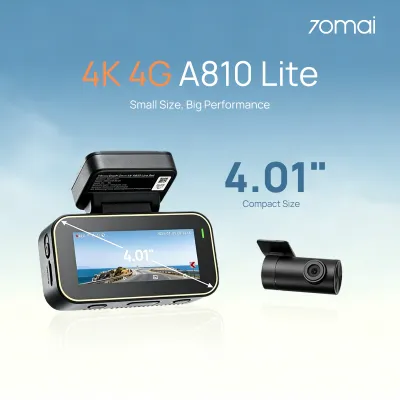
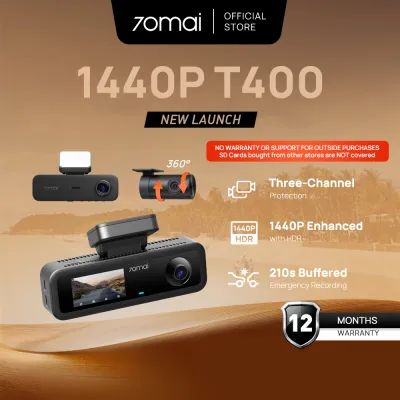
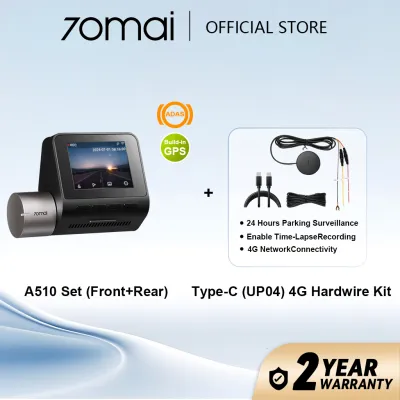

Prices are valid at publication and may change. Please refer to the product page for the latest price.
Motion blur is the primary obstacle when attempting to read license plates in active traffic. When vehicles are moving at different speeds, a dashcam must use a fast shutter speed to freeze the action. If the camera’s internal processor cannot maintain a high shutter speed, the resulting image will be blurry, regardless of whether the video is recorded in 1080p or 4K.
There is also a physical trade-off between high resolution and low-light performance. A 4K sensor must pack approximately eight million pixels onto a very small physical surface. This means each individual pixel is much smaller than those on a 1080p sensor of the same size. Smaller pixels gather less light, which can lead to dark, noisy footage when driving at night or through poorly lit streets.
Furthermore, video compression plays a significant role in image clarity. To prevent video files from consuming too much space on your memory card, dashcams compress the recorded footage. If the camera’s compression algorithm is too aggressive or the bitrate is too low, fine details like the letters and numbers on a license plate can be compressed into unreadable blocks of pixels.
1080p Dashcams: Practical Use Cases and Limitations
A 1080p 7omai dash camera serves as a highly practical and reliable tool for many daily drivers. For those who primarily commute through congested city streets, a standard high-definition resolution offers several distinct advantages that make it more than adequate for general use.

In bumper-to-bumper city traffic, vehicle speeds are generally low, and cars remain close to one another. Under these conditions, a 1080p camera easily captures the license plates of vehicles directly in front of or behind you. It provides clear, indisputable evidence of traffic light violations, sudden lane cuts, and low-speed collisions, which are the most common incidents in urban areas.
Operating a 1080p camera also offers significant practical benefits regarding storage and thermal management. Because 1080p video files are relatively small, your memory card can store many hours of footage before it begins overwriting older files. Additionally, processing lower-resolution video generates much less heat. In the intense tropical climate of the Philippines, where parked cars are exposed to extreme daytime temperatures, lower heat generation reduces the risk of system crashes and extends the lifespan of the device.
However, 1080p models have clear limitations when it comes to capturing distant details. If an incident occurs several lanes away on a wide avenue or a highway, zooming in on a 1080p video frame will quickly result in heavy pixelation. The lack of pixel density makes it difficult to resolve small text, meaning a hit-and-run vehicle escaping at a distance may remain unidentified.
4K Dashcams: When the Upgrade Actually Matters
Upgrading to a 4K dashcam becomes highly beneficial when your daily driving involves higher speeds and more complex road environments. The massive increase in pixel count provides a level of detail that can be crucial in specific, high-stakes scenarios.
When driving on multi-lane expressways, vehicles travel at high speeds and are often spread across three or four lanes. A 4K camera captures a much wider and more detailed field of view, allowing you to read license plates on vehicles overtaking you from adjacent lanes or traveling several car lengths ahead. This extra coverage is invaluable for documenting highway incidents where vehicles quickly distance themselves from the scene.
The primary advantage of 4K resolution is the ability to digitally zoom into recorded footage during post-processing. If you need to identify a vehicle after an accident, you can crop and enlarge a small portion of the video frame. Because a 4K frame contains four times the data of a 1080p frame, the letters and numbers on the license plate are much more likely to remain sharp and legible under close inspection.
Despite these benefits, running a 4K camera requires a more robust supporting setup. The high data rate demands premium, high-endurance microSD cards with fast write speeds to prevent recording errors or file corruption. Additionally, the increased processing power draws more energy from your vehicle’s electrical system and generates more heat, making proper ventilation and a stable power connection essential.
Critical Specifications to Check Beyond Pixel Count
To ensure your dashcam can reliably capture license plates under all driving conditions, you must evaluate several critical hardware specifications that go beyond simple resolution numbers.
The physical size of the image sensor is one of the most important factors in low-light performance. A larger sensor allows more light to reach the pixels, resulting in cleaner, brighter footage at night. When comparing models, look for those equipped with larger, high-quality sensors designed specifically for automotive environments, as they handle high-contrast scenes much better than standard sensors.
Lens aperture is another key specification that directly affects image clarity. The aperture determines how much light passes through the lens to reach the sensor, and it is represented by an f-number, such as f/1.8 or f/1.6. A lower f-number indicates a wider aperture, which allows more light to enter the camera, helping to maintain a fast shutter speed and minimize motion blur during night drives.
High Dynamic Range (HDR) and Wide Dynamic Range (WDR) processing are essential for managing difficult lighting transitions. On local roads, you often encounter extreme lighting contrasts, such as driving out of a dark underpass into bright midday sunlight, or facing intense glare from oncoming high-beam headlights at night. HDR technology balances these extreme light levels, preventing license plates from being washed out by bright lights or lost in deep shadows.
Finally, physical stability is crucial for maintaining image sharpness. Even the most advanced sensor will produce blurry footage if the camera vibrates constantly while driving over uneven road surfaces. Ensure your camera is mounted securely using a high-quality adhesive mount rather than a suction cup, and position it close to the windshield glass to minimize vibrations from the engine and the road.
Decision Framework: Which 70mai Model Fits Your Drive?
Choosing the right resolution for your 7omai dash camera ultimately depends on your typical driving environment, your budget, and your willingness to manage high-performance hardware.
A 1080p model is the ideal choice if your daily commute consists primarily of slow-moving city traffic, such as navigating congested urban business districts. It offers a highly cost-effective solution with lower upfront costs in ₱, generates minimal heat, and works reliably with standard high-endurance memory cards. This setup provides excellent general liability protection without requiring constant monitoring or expensive storage upgrades.
A 4K model is highly recommended if you frequently travel on high-speed expressways, commute long distances between provinces, or want the maximum possible detail for insurance and legal security. To support a 4K camera, you must be prepared to invest in a premium, high-endurance microSD card rated for continuous 4K recording and ensure your vehicle’s 12V power supply is stable and properly configured.
If you want a balance between these two options, a 2K or 1440p model serves as an excellent middle ground. It provides a noticeable improvement in digital zoom capability over 1080p, allowing you to read plates at moderate distances, while generating less heat and consuming less storage space than a full 4K system. This makes it a highly versatile option for drivers who experience a mix of city traffic and highway driving.
Before finalizing your purchase, always verify your vehicle’s electrical setup and check the manufacturer’s specifications for memory card compatibility. Ensuring your power source is stable and your storage media can handle the camera’s write-speed requirements will guarantee that your dashcam operates reliably whenever you are on the road.

Community discussion
Share your experience or ask a question. Comments are reviewed before publication.