
Choosing a dashcam for your vehicle in the Philippines requires looking past basic marketing buzzwords to understand how technical specifications perform under real-world conditions. The 70mai A800S is a popular choice due to its high-resolution capabilities, built-in GPS, and driver assistance features. However, translating these technical specifications into actual road safety and reliable evidence collection depends heavily on local driving environments, installation choices, and physical limitations.
To get the most out of this device, you must understand how its 4K resolution, Advanced Driver Assistance Systems (ADAS), and GPS logging function amidst heavy tropical downpours, intense cabin heat, and congested city traffic. This guide breaks down these key specifications so you can configure and use the dashcam effectively on local roads.
Video Quality: Evaluating 4K Resolution and Sensor Performance
The primary appeal of a 4K dashcam is its ability to capture fine details, such as license plates and road signs, which serve as crucial evidence during traffic disputes. In theory, a higher resolution means more pixels are packed into each frame, allowing you to zoom in on distant objects without immediate pixelation. When paired with a larger image sensor, the camera can gather more light, which is essential for maintaining clarity during night driving or inside dimly lit parking structures.
Products mentioned in this guide

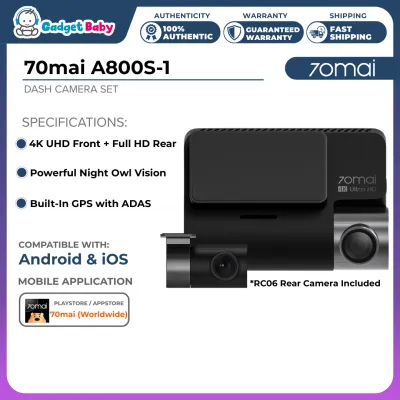
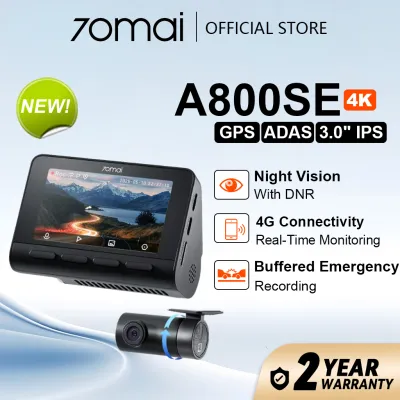
Prices are valid at publication and may change. Please refer to the product page for the latest price.
However, low-light performance is not solely about resolution. When evaluating the 70mai A800S, you should check the product packaging or official manual for specific low-light enhancement technologies, such as dynamic noise reduction and wide aperture ratings. These features work together to balance exposure, preventing headlights from completely washing out the license plates of vehicles directly in front of you.
Despite these advanced sensor capabilities, physical real-world factors can severely degrade video quality. In the Philippines, heavy windshield tints are incredibly common to combat intense solar heat, but dark or metallic tints can significantly reduce the amount of light reaching the camera sensor, leading to darker, grainier night footage. Additionally, tropical rainstorms, road dust, and smudges on the glass will scatter light and create glare, meaning regular maintenance of your wiper blades and windshield is necessary to keep your footage clear.
ADAS Features: Practical Use and Limitations in Heavy Traffic
The Advanced Driver Assistance Systems (ADAS) built into modern dashcams are designed to act as an extra set of eyes on the road. Standard ADAS logic uses real-time image processing to detect lane markings and calculate the distance to the vehicle ahead, triggering audible alerts for lane departures or potential forward collisions. These warnings are intended to prevent highway drifting and rear-end accidents caused by momentary driver distraction.

While these features sound highly beneficial, their real-world utility changes dramatically in dense, unpredictable traffic. On congested roads where lane markings are often faded, absent, or ignored, the lane departure warning system may struggle to calibrate correctly. Furthermore, the frequent stop-and-go movement, sudden lane-splitting by motorcycles, and abrupt stops by public utility vehicles can trigger frequent false alerts, which may lead to driver annoyance and alarm fatigue.
Because of these environmental variables, it is vital to treat ADAS strictly as an assistive tool rather than a safety guarantee. These camera-based systems cannot replace active driver attention, quick reflexes, and defensive driving habits. You should consult the user manual to learn how to adjust the sensitivity of these alerts or disable them entirely if they become too distracting during your daily commute.
GPS and Speed Logging: Verifying Incidents and Route History
A built-in GPS receiver does more than just track your location; it embeds real-time speed and coordinate data directly onto your recorded video files. In the event of a traffic apprehension or an insurance claim, having an accurate, synchronized log of your speed and exact location can serve as objective proof of your driving behavior. This data can help protect you against unwarranted accusations of speeding or reckless driving.
However, GPS signal acquisition is subject to physical interference. Heavy metallic window tints, which are popular for heat rejection, can act as a shield and block satellite signals from reaching the dashcam’s internal antenna. Similarly, driving through dense urban canyons—areas with dense clusters of high-rise buildings—can cause signal reflection and temporary GPS dropouts, meaning your speed overlay might occasionally lag or disappear.
To manage this data properly, you should connect the dashcam to its companion mobile application and review the privacy and storage settings. Verify how the app handles speed overlays, as some drivers prefer to disable the speed display on the video while keeping the coordinate logging active. Understanding how to export these GPS-embedded video files directly to your smartphone ensures you have ready-to-share evidence when dealing with authorities or insurance adjusters.
Power and Installation: Ensuring Reliable Operation in Hot Climates
Operating electronic devices in a tropical climate presents unique challenges, particularly regarding heat management and power delivery. Dashcams mounted directly to the windshield are exposed to direct sunlight and extreme cabin temperatures when parked outdoors. To ensure reliable operation and prevent internal battery swelling or degradation, you must understand the device’s power requirements and thermal limits.
While the dashcam contains a small internal battery, this is typically designed only to save files during a sudden power loss, not to run the camera for extended periods. For continuous parking monitoring, relying on a dedicated hardwire kit connected to your vehicle’s fuse box is highly recommended. This setup provides a stable power supply while monitoring your car’s battery voltage to prevent complete drainage.
Because vehicle electrical systems and panel disassembly carry safety risks, you should always consult your vehicle’s original manual and seek qualified professional installation for hardwiring. When mounting the camera, place it behind the rearview mirror to avoid obstructing your line of sight, ensuring the lens has a clear, level view of the road through the swept area of your windshield wipers. Check the official manual for the recommended operating temperature range to ensure the device is rated to withstand intense local heat.
Frequently Asked Questions (FAQ)
What type of microSD card is required for continuous 4K recording?
Recording continuous 4K video generates a massive volume of data and requires a high-performance storage medium. You must use a microSD card rated as High Endurance with a minimum speed class of U3 (UHS Speed Class 3) or V30 (Video Speed Class 30) to handle the constant write cycles without failing. Standard memory cards will quickly degrade and cause recording errors under these intense conditions; always check the official manual for the maximum supported storage capacity and perform regular in-device formatting to maintain card health.
Does the 70mai A800S support a rear camera add-on?
Yes, this model is designed to support dual-channel recording with a compatible rear camera module, but you must verify the official compatibility list in the product documentation before purchasing. Adding a rear camera provides valuable rear-facing coverage, but it also increases the overall data load on your memory card. This dual-channel setup will consume storage space much faster and may adjust the maximum recording resolution or frame rate of the front camera to balance processing power, making a high-capacity, high-endurance memory card even more critical.

Community discussion
Share your experience or ask a question. Comments are reviewed before publication.