
Understanding the correct lubricant for your vehicle’s drivetrain is essential for long-term reliability. The 75W-90 designation refers to a specific multi-grade viscosity rating for gear oil, commonly used in manual transmissions, differentials, and transfer cases. This guide breaks down what these numbers mean, where this fluid is typically applied, and how to verify the exact specification your vehicle requires before performing any maintenance.
Understanding the 75W-90 Viscosity Rating
The numbers and letters in a 75W-90 rating represent the oil’s flow characteristics under different temperature conditions, as defined by the Society of Automotive Engineers (SAE). The “75W” portion indicates the low-temperature viscosity, where the “W” stands for Winter. This rating measures how easily the oil flows when the vehicle is cold, ensuring that critical gear components receive immediate lubrication during startup, even in cooler climates or during early morning drives.
The “90” rating represents the oil’s kinematic viscosity and film strength at high operating temperatures, typically measured at 100°C. This number indicates how well the oil maintains its thickness and protective barrier when the drivetrain components reach their normal, hot operating state. Under heavy loads or high ambient temperatures, such as driving in tropical conditions, a higher high-temperature rating ensures the oil does not become too thin to protect the metal surfaces.
Products mentioned in this guide
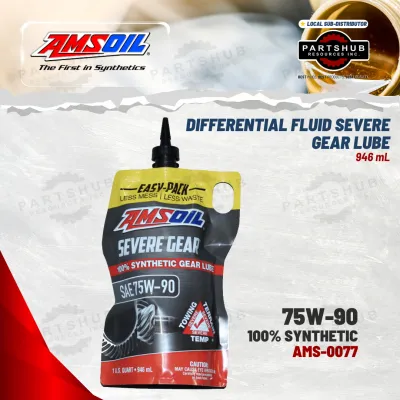
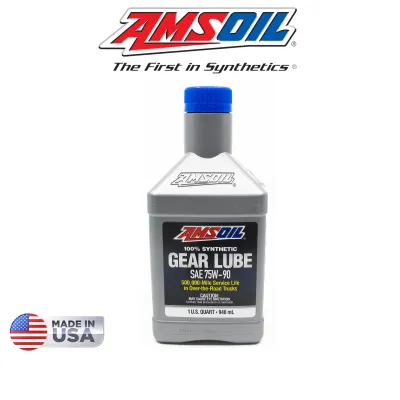
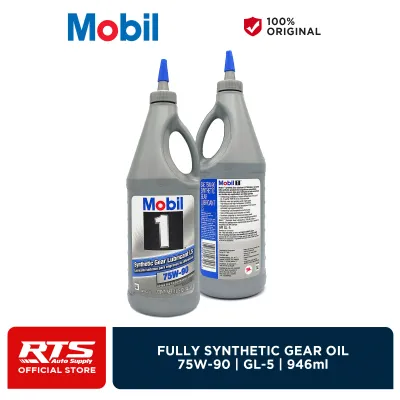
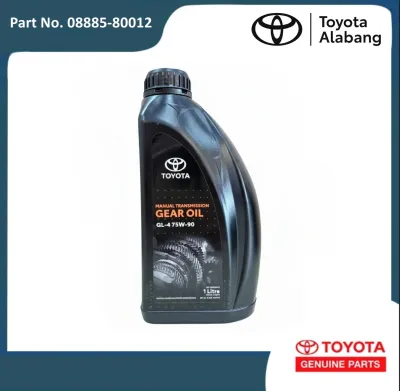
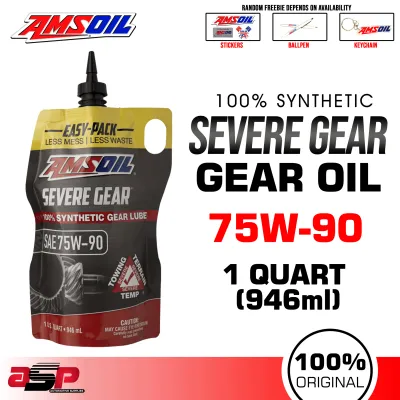
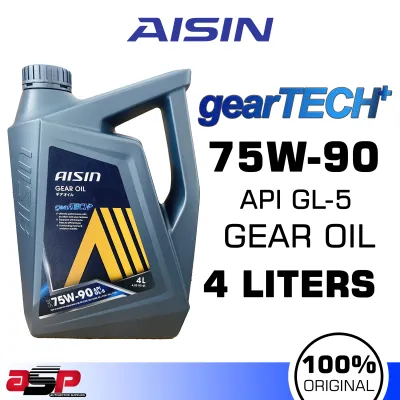
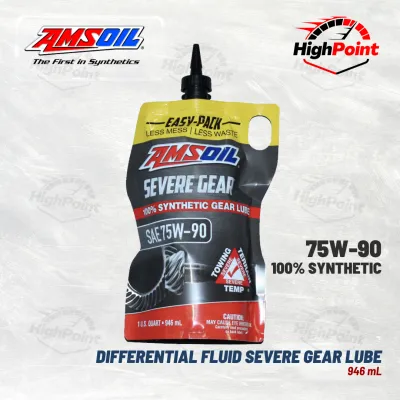
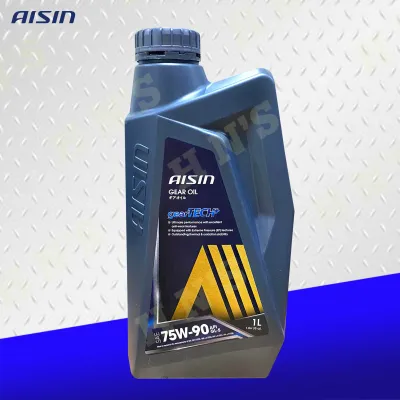
Prices are valid at publication and may change. Please refer to the product page for the latest price.
Multi-grade oils like 75W-90 offer a significant advantage over single-grade alternatives by maintaining stable protection across a wider temperature range. They flow easily enough to protect components during cold starts while remaining thick enough to prevent metal-on-metal contact under extreme heat. This versatility makes them highly suitable for vehicles that experience varied driving conditions and heavy workloads.
It is important to clarify that the SAE viscosity grade only describes the flow properties of the oil. It does not indicate the additive package, performance classification, or chemical compatibility of the fluid. To ensure complete protection, vehicle owners must also look at other specifications, such as the API (American Petroleum Institute) service classification, which defines the oil’s suitability for specific gear designs.
Common Vehicle Components That Use 75W-90 Gear Oil
Drivetrain systems rely on specialized lubricants to handle high friction and heavy mechanical loads. Manual transmissions frequently utilize 75W-90 gear oil to protect the gears from wear while facilitating smooth synchronizer engagement. The fluid must provide enough friction for the synchronizers to match speeds during gear shifts, yet offer sufficient lubrication to prevent gear teeth from grinding.

Differentials are another common application for this viscosity grade, particularly in rear-wheel-drive and four-wheel-drive vehicles. These components experience extreme pressure and heavy loads between meshing gears, especially in hypoid gear designs where sliding friction is high. The high film strength of 75W-90 oil helps absorb these heavy shock loads and prevents premature wear on the gear teeth.
Transfer cases in four-wheel-drive and all-wheel-drive vehicles also frequently require 75W-90 gear oil. In these systems, the fluid lubricates internal chains, gears, and bearings that distribute power between the front and rear axles. Proper lubrication in the transfer case prevents overheating and mechanical binding when engaging different drive modes.
While these components commonly use this viscosity, the vehicle manufacturer’s owner’s manual remains the ultimate authority for fluid selection. Blindly adding fluid based solely on viscosity is unsafe and can lead to severe mechanical damage. Always verify the exact requirements of your specific vehicle model and year before purchasing or adding any gear oil.
How to Verify the Exact Gear Oil Specification for Your Vehicle
To confirm whether your vehicle requires 75W-90 gear oil, always consult the “Fluids and Capacities” or “Specifications” section of your official owner’s manual. This document provides the precise requirements determined by the vehicle’s engineers, ensuring compatibility with the internal materials and design of your drivetrain.
Alongside the SAE viscosity, you must match the API service classification, such as GL-4 or GL-5, or specific original equipment manufacturer (OEM) approvals. These classifications indicate the level of extreme-pressure additives present in the oil. Using a fluid with the wrong API classification can lead to severe component damage, even if the viscosity rating is correct.
For example, using a GL-5 oil in a manual transmission that specifies GL-4 can cause rapid wear on yellow metal synchronizers. GL-5 fluids contain high levels of sulfur-phosphorus additives that can chemically attack and degrade brass or bronze components over time. Conversely, using a GL-4 fluid where GL-5 is required can lead to accelerated gear wear due to insufficient extreme-pressure protection.
If the owner’s manual is unavailable, you can check component labels, dipsticks, or filler caps for factory specification hints. Many manufacturers stamp the required fluid type directly onto the fill plug or an adjacent metal tag. When in doubt, contact an authorized dealership or a qualified professional to verify the correct specification using your vehicle identification number (VIN).
Recognizing When Your Gear Oil Needs Inspection or Replacement
Over time, gear oil degrades due to heat, friction, and contamination, which can lead to noticeable changes in vehicle performance. Common symptoms of worn or low gear oil include difficult or stiff shifting in manual transmissions, whining or grinding noises from the gearbox, or an unusual howl from the differential under load. These noises often indicate that the fluid is no longer providing an adequate protective barrier between moving parts.
Before checking fluid levels or condition, always observe basic safety prerequisites. Park the vehicle on a level surface, engage the parking brake, and allow the vehicle to cool completely to avoid burns from hot components. If you need to raise the vehicle, always use properly rated jack stands and wheel chocks to secure it safely.
During a visual inspection, look for signs of fluid degradation such as dark discoloration, a strong burnt smell, or the presence of metallic particles suspended in the oil. Healthy gear oil is typically amber or light brown and relatively clear. If the fluid appears milky, it indicates water contamination, which severely compromises its lubricating properties and requires immediate attention.
If you discover significant fluid leaks, find metallic debris in the oil, or feel unsure about the inspection and replacement process, stop operating the vehicle. Consult a qualified technician to diagnose the issue and perform the necessary repairs. Operating a vehicle with insufficient or severely degraded gear oil can lead to catastrophic drivetrain failure.
Frequently Asked Questions (FAQ)
Can I mix 75W-90 with other gear oil viscosities?
Mixing different gear oil viscosities is not recommended because it alters the overall flow characteristics of the lubricant. This can compromise the oil’s ability to protect components under extreme hot or cold conditions, potentially leading to accelerated wear. To ensure predictable performance and avoid additive clashes between different formulations, it is best to completely drain the old fluid before refilling the component with the correct, single specification.
Is 75W-90 gear oil the same as automatic transmission fluid (ATF)?
No, 75W-90 gear oil and automatic transmission fluid (ATF) are entirely different lubricants designed for distinct mechanical environments. They differ significantly in base viscosity, friction modifiers, and additive packages. Substituting ATF for gear oil, or vice versa, can lead to rapid wear, overheating, or complete failure of the transmission or differential, making strict adherence to the manufacturer’s manual mandatory.
Community discussion
Share your experience or ask a question. Comments are reviewed before publication.