
Finding a reliable helmet for kids in the Philippines is one of the most critical decisions a parent can make. Whether you are taking your child on a short ride to the local market or navigating a daily commute to school, safety must always be the top priority. A proper helmet for kids must protect their developing skull and neck while complying with local road safety laws. Fortunately, keeping your child safe does not require spending an exorbitant amount of money. Certified protection is available across various price points, provided you know how to distinguish genuine safety features from cosmetic additions and how to verify local certifications.
In the Philippines, motorcycle safety is strictly regulated, and children are particularly vulnerable on the road. Understanding how to balance your budget with non-negotiable safety standards ensures that you purchase a helmet that offers real protection in an accident. By focusing on certified products, understanding what each price tier offers, and ensuring a precise fit, you can confidently secure a helmet that keeps your child safe and comfortable in tropical riding conditions.
Understanding Philippine Safety Standards for Kids' Helmets
Before looking at price tags or graphic designs, you must understand the legal and safety baselines required for motorcycle helmets in the Philippines. Under Republic Act No. 10054, also known as the Motorcycle Helmet Act of 2009, all motorcycle riders, including children, must wear standard protective motorcycle helmets. The Department of Trade and Industry (DTI), through the Bureau of Philippine Standards (BPS), mandates that these helmets bear specific certification marks to prove they have passed rigorous safety testing.
Products mentioned in this guide
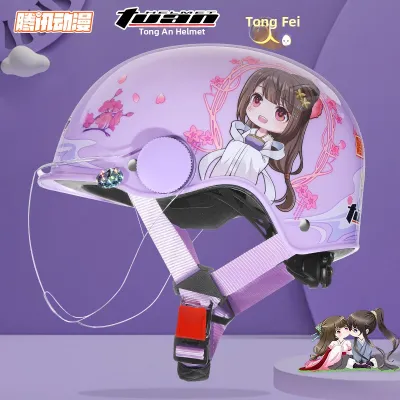
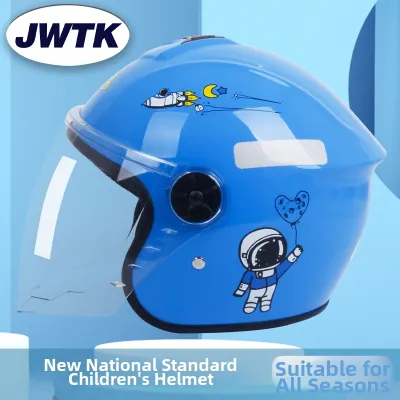
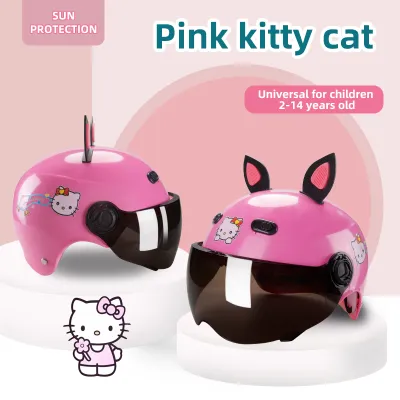
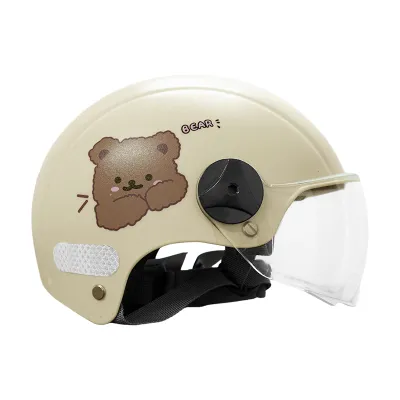
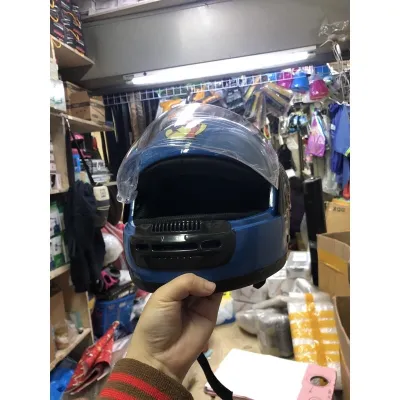
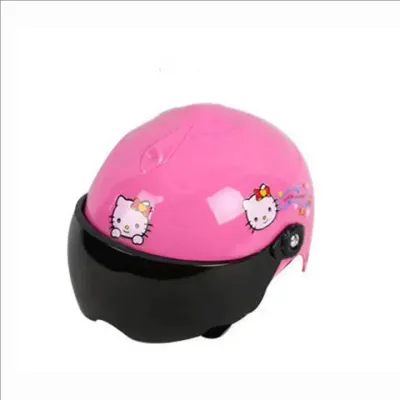
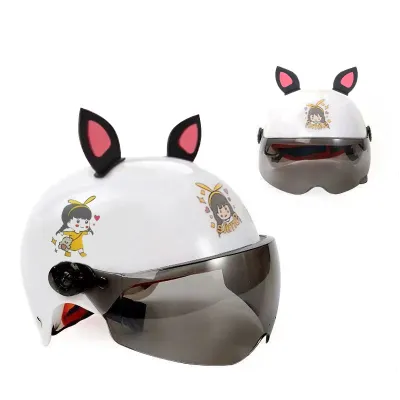
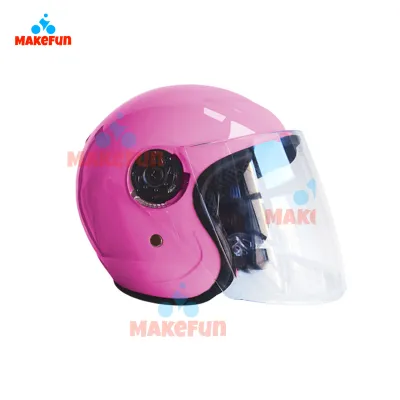
Prices are valid at publication and may change. Please refer to the product page for the latest price.
For locally manufactured or assembled helmets, the Philippine Standard (PSB) mark is required. For imported helmets, the Import Commodity Clearance (ICC) sticker is mandatory. These certifications prove that the helmet has undergone tests for impact attenuation, penetration resistance, chin strap strength, and retention system effectiveness. A helmet without these marks is not legally compliant for road use in the Philippines, regardless of how sturdy it may look.
While international standards like the United States Department of Transportation (DOT) or the Economic Commission for Europe (ECE 22.05 or 22.06) are excellent indicators of high manufacturing quality, they do not replace local legal requirements. A helmet sold in the Philippines must carry the physical PSB or ICC sticker to be considered road-legal. Many premium imported helmets will feature both an ECE certification and an ICC sticker, which represents the highest level of safety verification available.
To verify the authenticity of these marks, parents should physically inspect the helmet shell. Genuine ICC and PSB stickers are holographic, tamper-evident, and typically located at the rear of the helmet. They feature a unique serial number that can be verified against the DTI’s database of certified brands and importers. Never purchase a helmet where the sticker is a simple paper printout, appears easily peelable, or is missing entirely, as counterfeit stickers are common on unbranded products sold online.
How to Set Your Budget and Prioritize Features
Setting a budget for a child’s helmet requires distinguishing between features that directly impact safety and those that merely add convenience or aesthetic appeal. The absolute non-negotiables of any purchase are a valid PSB/ICC certification, a proper physical fit, and an intact, high-quality Expanded Polystyrene (EPS) liner. The EPS liner is the thick, shock-absorbing foam layer beneath the outer plastic shell that cushions the head during an impact. If any of these three elements are compromised, the helmet cannot perform its protective function.

Conversely, there are several “nice-to-have” features that you can compromise on if you need to keep costs down. Premium brand logos, complex licensed cartoon graphics, elaborate multi-port ventilation systems, and advanced quick-release buckle mechanisms naturally drive up the price. While these features are convenient, a basic, solid-colored helmet with a simple but secure double-D ring retention system and standard ventilation offers the exact same level of impact protection, provided it carries the mandatory certification.
Deciding whether to stretch your budget depends largely on your child’s riding frequency and the nature of your trips. If your child only rides occasionally for short distances at low speeds—such as inside a residential subdivision—a basic, certified entry-level helmet is entirely sufficient. However, if your child commutes daily, travels on busy highways, or experiences neck fatigue during longer rides, investing in a mid-range or premium helmet is highly recommended. Lighter materials and superior ventilation significantly improve comfort and reduce a child’s resistance to wearing safety gear.
Avoid the common trap of prioritizing appearance over safety. Many uncertified helmets are decorated with bright colors, popular cartoon characters, or plastic aerodynamic fins to appeal to children. These products are often made of cheap, brittle plastics that shatter upon impact, and they lack the dense EPS foam needed to prevent traumatic brain injuries. Always verify the safety certification first, and let your child choose from a selection of pre-approved, certified options.
What to Expect at Different Price Tiers
Understanding what features are common at different price points helps you manage expectations and identify genuine value. In the Philippine market, kids’ helmets generally fall into three distinct price categories, each offering a different balance of materials, weight, and comfort features.
Entry-Level Options: Meeting the Baseline
Entry-level certified helmets typically range from ₱500 to ₱1,500. These options are designed to meet the minimum legal safety requirements without adding costly extras. They are usually basic open-face (half-face) designs or very simple full-face models that provide the essential physical coverage required by law.
At this price tier, manufacturers primarily use standard ABS (Acrylonitrile Butadiene Styrene) plastic for the outer shell. While ABS is highly impact-resistant, it is heavier than advanced composites. The inner comfort padding is usually fixed and non-removable, which makes cleaning difficult—a notable drawback in the hot and humid Philippine climate. These helmets are best suited for short, low-speed trips, as the heavier weight can cause neck fatigue during prolonged use.
Mid-Range Choices: Better Fit and Comfort
Mid-range helmets generally cost between ₱1,500 and ₱3,500. This tier represents the sweet spot for most families, offering a significant upgrade in daily usability, comfort, and hygiene without a prohibitive price tag.
In this category, you will find lighter ABS blends or polycarbonate shells that reduce overall weight. The interior padding is typically removable and washable, allowing parents to keep the helmet clean and odor-free after sweaty rides. Ventilation is also improved, featuring adjustable intake and exhaust ports that channel breeze across the scalp. Additionally, these helmets often feature user-friendly micrometric quick-release buckles that make it easier for parents to secure the strap on an impatient child.
Premium Selections: Advanced Materials and Features
Premium kids’ helmets are priced above ₱3,500. These models are engineered for maximum comfort, superior protection, and long-term durability, making them ideal for frequent riders or long-distance travel.
These helmets utilize advanced shell materials such as fiberglass composites or highly refined polycarbonates, which drastically reduce weight while maintaining high structural integrity. The reduced weight is crucial for minimizing neck strain on growing children. Premium models also feature advanced aerodynamics to reduce wind buffeting, high-quality optical visors with anti-scratch and anti-fog coatings, and highly engineered multi-channel ventilation systems. The interior fabrics are often hypoallergenic, moisture-wicking, and designed to cradle the head comfortably without pressure points.
Ensuring the Right Fit for Your Child
A certified helmet will fail to protect your child if it does not fit correctly. During an impact, an oversized helmet can slide off the head entirely, shift and block the child’s vision, or fail to cushion the specific areas of the skull it was designed to protect. Before purchasing, you must measure your child’s head and perform physical fitment tests.
To find your child’s correct helmet size, follow these steps:
- Measure the circumference: Use a soft, flexible measuring tape. Wrap it horizontally around your child's head, approximately 2.5 centimeters (one inch) above the eyebrows and just above the ears.
- Compare with manufacturer charts: Take the measurement in centimeters and compare it directly to the sizing chart of the specific helmet brand you are considering. Sizing varies significantly between brands; a "Small" in one brand may be a "Medium" in another.
- Perform the Shake Test: Once the helmet is on and the chin strap is securely fastened, ask your child to shake their head vigorously from side to side and up and down. The helmet should snuggle firmly against their head and move with it. If the helmet slides independently, slips over their eyes, or rotates, it is too large.
- Perform the Roll-off Test: With the chin strap secured, place your hand on the back of the helmet base and gently try to roll the helmet forward off the child's head. If the helmet can be pulled off or exposes a significant portion of the forehead, the retention system or the shell size is incorrect.
Never buy a larger helmet with the intention of letting your child “grow into” it. While this is a common practice for clothing, it is extremely dangerous for safety gear. Excess space inside the helmet reduces the effectiveness of the EPS liner, as the head will gain momentum inside the shell before hitting the foam during a crash. The helmet must fit snugly from day one.
Finally, check the pressure of the cheek pads and the position of the visor. The cheek pads should press firmly against the child’s cheeks, pushing them slightly forward (often referred to as “chipmunk cheeks”) without causing pain or pinching. Ensure that the lower edge of the helmet does not press uncomfortably against the back of the neck or the collarbone, and verify that the child’s peripheral vision is completely unobstructed when looking straight ahead.
Where to Buy and How to Verify Authenticity
To ensure you are purchasing a genuine, certified helmet, you must choose your retail channels carefully. The safest option is to buy from authorized physical brand dealers, established motorcycle accessory shops, or the official flagship stores of reputable brands on major e-commerce platforms. Avoid purchasing from unknown, third-party online sellers who offer unbranded helmets at prices that seem too good to be true.
When buying online, watch out for red flags such as listings that use generic stock photos instead of original product pictures, listings that fail to show the physical ICC/PSB stickers, or sellers who claim their products are “factory overruns” or “surplus stock.” Genuine safety gear is never sold through unauthorized channels as surplus. If the price is significantly lower than the manufacturer’s suggested retail price, the product is highly likely to be a counterfeit that lacks real protective capabilities.
Upon receiving the helmet, perform a thorough physical inspection before allowing your child to use it or accepting the delivery. Check the following items:
- Sticker Integrity: Verify that the ICC or PSB sticker is present, holographic, and displays a clear, unique serial number.
- EPS Liner Check: Gently pull back the comfort padding to inspect the black or white EPS foam liner. Ensure there are no cracks, deep indentations, or signs of compression.
- Manufacturing Date: Look for a manufacturing date sticker inside the helmet. EPS foam naturally degrades over time; avoid buying helmets that have been sitting in storage for more than five years.
- Packaging and Documentation: A genuine certified helmet will arrive in its original branded box, accompanied by a fabric helmet bag, a user manual detailing care instructions, and a valid manufacturer warranty card.
Additionally, never purchase a second-hand helmet for your child. While buying used gear may seem like an easy way to save money, it carries extreme safety risks. The EPS liner is designed to compress permanently upon impact to absorb energy. Once a helmet has been dropped from a significant height or involved in a minor accident, the liner is compromised and cannot protect a child in a subsequent crash. Because this internal damage is often completely invisible from the outside, there is no way to verify the safety history of a used helmet.
Frequently Asked Questions (FAQ)
Can my child use a bicycle helmet for riding a motorcycle?
No, a bicycle helmet is not a safe or legal substitute for a motorcycle helmet. Bicycle helmets are designed, tested, and certified only for low-speed impacts and do not offer the structural coverage required for motorized road travel. They lack the dense EPS liner and tough outer shell needed to withstand the high-velocity impacts and abrasion forces associated with motorcycle accidents. Furthermore, bicycle helmets do not carry the mandatory PSB or ICC certification required by Philippine law for motorcycle use, meaning you can be fined for non-compliance.
How often should I replace my child's motorcycle helmet?
As a general safety rule, you should replace a motorcycle helmet every 3 to 5 years from its date of first use. Over time, exposure to sweat, hair oils, UV rays, and tropical humidity naturally degrades the protective EPS liner and outer shell resins, reducing their ability to absorb impacts. Additionally, you must replace the helmet immediately if it is dropped onto a hard surface from handlebar height or involved in any accident, regardless of whether there is visible damage. Finally, because children grow quickly, you must perform regular fitment checks and replace the helmet as soon as it becomes too tight, even if the 3-to-5-year limit has not been reached.
Community discussion
Share your experience or ask a question. Comments are reviewed before publication.