
A dual lens helmet is one of the most practical investments a rider in the Philippines can make. It solves the daily struggle of transitioning from the blinding glare of the tropical sun to sudden downpours or night riding. To stay legally compliant and physically protected on local roads, your helmet must carry either a valid Import Commodity Clearance (ICC) sticker or a Philippine Standard (PS) certification mark, which is issued by the Bureau of Philippine Standards. Finding the right balance between safety, comfort, and cost requires understanding what each budget tier offers, how to verify genuine safety markings, and which features are absolutely non-negotiable for your daily commute.
Non-Negotiables: PSB/ICC Certification and Dual Lens Helmet Safety
In the Philippines, road safety regulations enforced by the Land Transportation Office (LTO) and local government units make safety certifications mandatory. The Import Commodity Clearance (ICC) sticker is issued to imported helmets that pass stringent local safety audits, while the Philippine Standard (PS) mark is applied to locally manufactured or officially distributed gear. These certifications ensure the helmet’s shell, impact-absorbing liner, and retention straps can withstand specific levels of force during an accident.
Choosing a dual lens helmet—which features a clear outer shield and an integrated, drop-down inner sun visor—directly addresses the challenging weather conditions of the country. During midday rides along open highways like EDSA or Commonwealth Avenue, the intense tropical glare can severely limit your vision. Instead of carrying a second tinted visor or constantly swapping shields, a dual lens system allows you to drop the inner dark visor with a simple external lever.
Products mentioned in this guide
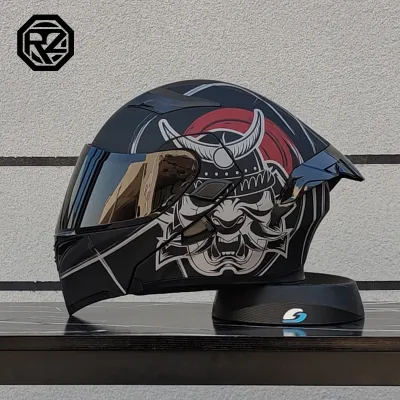
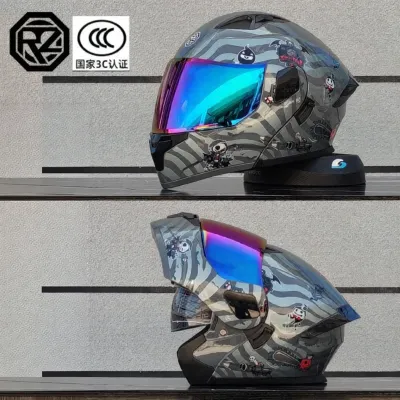
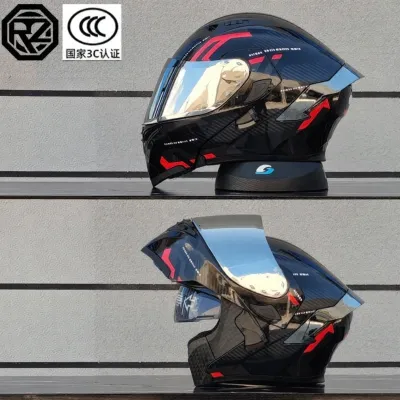
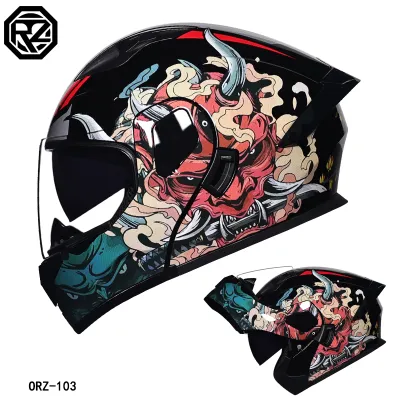
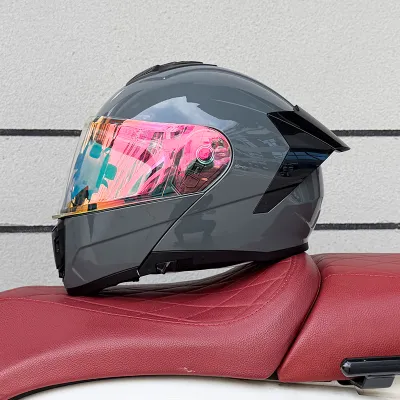
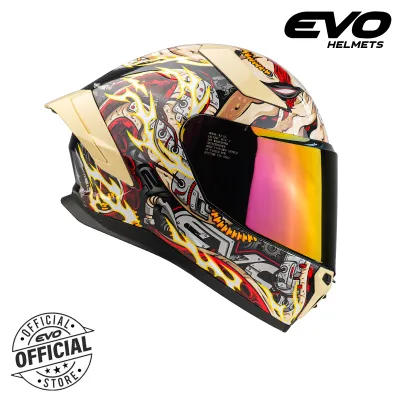
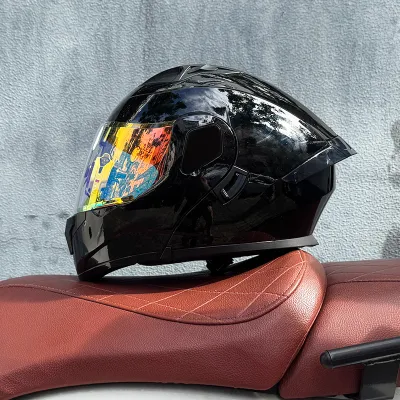
Prices are valid at publication and may change. Please refer to the product page for the latest price.
When dusk falls or a sudden afternoon thunderstorm hits, you can instantly retract the inner visor to maintain maximum visibility through the clear outer shield. This versatility minimizes the risk of riding with impaired vision, which is a common cause of accidents during sudden weather transitions.
No matter how attractive a helmet’s graphic design, aerodynamic wing, or low price point may be, it must never take precedence over verified safety certifications. A cheap, uncertified helmet might look identical to premium models, but it often lacks the structural integrity needed to protect your head during an impact. Investing in a certified helmet is a non-negotiable step to protect your life and avoid costly fines at roadside checkpoints.
Setting Your Budget: What to Expect at Different Price Tiers
Navigating the helmet market in the Philippines reveals distinct price segments, each offering different materials, refinement, and comfort features. Understanding these tiers helps you set realistic expectations and avoid overpaying or compromising on safety.

Entry-Level Tier (Typically ₱1,500 to ₱3,500) At this price point, the primary focus is basic, certified protection. Most helmets in this bracket utilize injection-molded Acrylonitrile Butadiene Styrene (ABS) plastic shells. While ABS is heavier than advanced composites, it provides reliable impact resistance when properly engineered and certified. The dual lens mechanisms in this tier are functional but may feel slightly stiff or mechanical. The interior liners are usually removable for washing, though the fabric may feel coarser against the skin. For budget-conscious daily commuters, achieving valid ICC or PS certification is the absolute priority here, and many reputable local and international brands offer highly reliable options in this bracket.
Mid-Range Tier (Typically ₱3,500 to ₱8,000) Moving into the mid-range introduces advanced polycarbonate shells or lightweight thermoplastic blends that reduce overall neck fatigue during long rides. The drop-down inner visor mechanisms become noticeably smoother, often utilizing spring-loaded or finely detented sliders that are easier to operate with riding gloves. You will also find better optical quality in both lenses, reducing distortion at the peripheral edges. Ventilation systems are more sophisticated, featuring multiple intake and exhaust ports that are crucial for staying cool in stop-and-go city traffic.
Premium Tier (Typically ₱8,000 and above) The premium segment showcases advanced shell constructions, such as fiberglass composites, aramid fibers, or pure carbon fiber. These materials dramatically lower the helmet’s weight while maintaining exceptional structural strength. The outer visors frequently feature rapid-release mechanisms for easy cleaning, high-grade anti-scratch coatings, and optical class 1 ratings that eliminate visual distortion. The inner sun visors offer superior UV protection and smooth, quiet operation. Interior liners utilize premium moisture-wicking, hypoallergenic fabrics that keep sweat away from your skin during long, hot rides.
When evaluating these tiers, use these descriptions as a checklist against current market listings. Always calculate the total cost of ownership before making a purchase. If you are buying from an authorized dealer online, factor in shipping fees, potential customs duties, or the cost of spare visors. For physical retail purchases, consider the travel distance to the shop, as trying on a helmet in person remains the most reliable way to guarantee a perfect fit.
Must-Have vs. Nice-to-Have Features by Budget
When shopping for a dual lens helmet on a tight budget, it is easy to get distracted by flashy graphics or high-tech add-ons. To get the safest and most practical gear for your money, you must distinguish between essential safety features and optional conveniences.
Must-Have Features (Non-Negotiable) Your helmet must feature a genuine, verifiable ICC or PSB safety mark. The retention system must be robust; look for either a classic double D-ring system, which is the gold standard for track and road safety, or a high-quality, metal-reinforced micro-metric quick-release buckle. Additionally, the slider mechanism for the inner sun visor must operate smoothly without sticking, rattling, or dropping down unexpectedly while riding over uneven roads or speed bumps.
Nice-to-Have Features (Acceptable Compromises) If your budget is limited, you can safely compromise on complex exterior graphics. Solid-colored helmets (such as gloss white or matte black) are often cheaper than their graphic-heavy counterparts while offering identical protection. You can also compromise on integrated Bluetooth communication cutouts or ultra-plush interior fabrics. While a highly breathable liner is comfortable, a standard, removable, and washable liner is perfectly sufficient for maintaining hygiene.
Highly Recommended but Optional A Pinlock-ready outer visor is highly beneficial for riding in the Philippines. The extreme humidity and sudden temperature drops during heavy downpours cause visors to fog up rapidly, blinding the rider. A Pinlock insert acts as a double-glazed window, preventing condensation. If your budget does not allow for a Pinlock lens immediately, ensure the helmet’s outer visor is at least “Pinlock-ready” so you can purchase and install the insert later when funds permit.
Before finalizing your purchase, verify several physical specifications. Check the helmet’s total weight; a heavy helmet can cause severe neck strain during long commutes. Try operating the inner visor slider while wearing your actual riding gloves to ensure the control lever is easily reachable and tactile. Finally, always confirm the seller’s return and exchange policy. A helmet that does not fit your specific head shape—whether round oval or intermediate oval—will not protect you correctly, making an easy exchange policy vital.
How to Verify Authenticity and Avoid Fake Certifications
The popularity of motorcycle riding in the Philippines has unfortunately led to a rise in counterfeit safety gear and fake certification stickers. Protecting yourself requires a vigilant approach when inspecting potential purchases, especially when shopping online.
To verify the authenticity of an ICC sticker, look closely at the holographic properties of the decal. Genuine ICC stickers feature a distinct metallic sheen, sharp, clear serial numbers, and micro-printed security patterns that are difficult to replicate. The serial numbers on the sticker should correspond to legitimate import records, which can sometimes be verified through official Department of Trade and Industry (DTI) databases or authorized distributor lists.
The most effective way to eliminate the risk of buying a counterfeit helmet is to purchase exclusively from authorized brand distributors, official brand stores, or highly reputable physical motorcycle accessory shops. These establishments source their inventory directly from manufacturers and undergo strict regulatory checks, ensuring that every helmet on their shelves carries a genuine, legally obtained safety mark.
When browsing online marketplaces, watch out for several immediate red flags. Be highly skeptical of premium, internationally recognized helmet brands offered at fraction-of-the-cost prices. If a listing lacks clear, high-resolution photos of the actual safety stickers, or if the seller evades questions regarding official DTI import clearance, do not proceed with the transaction.
If a seller cannot provide concrete proof of authenticity, or if the physical sticker on a delivered helmet looks dull, peeling, or poorly printed, walk away from the purchase immediately. Saving a few hundred pesos is never worth risking your life with a substandard helmet that could fail when you need it most.
Frequently Asked Questions (FAQ)
Can I use a helmet with only a DOT or ECE certification in the Philippines?
While Department of Transportation (DOT) and Economic Commission for Europe (ECE) certifications are highly respected international safety standards, they do not automatically grant legal road status in the Philippines. Under Republic Act No. 10054, or the Motorcycle Helmet Act, all riders on Philippine roads must wear helmets that bear the official Import Commodity Clearance (ICC) or Philippine Standard (PS) mark.
If you purchase a high-quality helmet that is ECE or DOT certified, it must still undergo the local clearance process to receive an official ICC sticker before it is legally compliant for road use. To avoid fines at Land Transportation Office (LTO) checkpoints or during routine traffic stops, always prioritize helmets that already carry the local ICC or PS certification mark, or choose models officially imported by authorized distributors who have pre-cleared the stock.
How do I maintain the inner sun visor mechanism?
Maintaining the dual lens system is straightforward but requires gentle handling to prevent scratching the delicate plastics. To clean the inner sun visor, lower it fully and wipe it gently with a clean, dry microfiber cloth. If there is stubborn dirt or sweat buildup, damp the cloth slightly with warm water or use a dedicated, alcohol-free lens cleaner. Never use harsh household glass cleaners, dishwashing soaps, or solvents, as these can strip away protective anti-fog or anti-scratch coatings.
Keep the external slider tracks and activation levers free of road dust, sand, and grit. You can use a can of compressed air or a soft-bristled brush to blow out any debris lodged in the mechanism. Avoid applying heavy grease or oil lubricants to the slider tracks, as these substances attract dirt and will eventually cause the mechanism to jam. If the slider feels stiff, refer to the manufacturer’s care instructions or contact an authorized service center rather than forcing the lever, which could break the internal cable or plastic gears and void your warranty.
Community discussion
Share your experience or ask a question. Comments are reviewed before publication.