
Navigating the busy roads of the Philippines demands reliable protective gear that can withstand both the intense tropical heat and sudden monsoon downpours. For daily commuters and weekend riders alike, finding a high-quality half face helmet for women with icc certification is a critical step in ensuring on-road safety. A half-face design offers a practical balance of ventilation and protection, making it a highly popular choice for navigating dense city traffic. However, with hundreds of options flooding the local market, selecting a helmet that fits your budget without compromising your safety requires a clear understanding of what different price tiers offer.
Why the ICC Mark is Your Non-Negotiable Baseline
The Import Commodity Clearance (ICC) mark is not just a sticker; it is the legal and structural baseline for motorcycle safety in the Philippines. Administered by the Department of Trade and Industry (DTI) through the Bureau of Philippine Standards (BPS), this certification proves that a specific helmet model has undergone rigorous testing to withstand impact, penetration, and retention system failures. Under Republic Act No. 10054, also known as the Motorcycle Helmet Act, riding without an approved helmet bearing this official mark can result in heavy fines and confiscated licenses at Land Transportation Office (LTO) checkpoints.
To protect yourself from substandard products, you must know how to visually verify the authenticity of the ICC sticker. Genuine ICC marks feature a unique serial number and a security hologram that reflects light differently when tilted. Many counterfeit helmets sold online carry fake stickers that lack these holographic details or use duplicate serial numbers. Before making a purchase, riders should cross-reference the helmet’s brand and model with the official list of certified products provided on the DTI website to ensure compliance.
Products mentioned in this guide
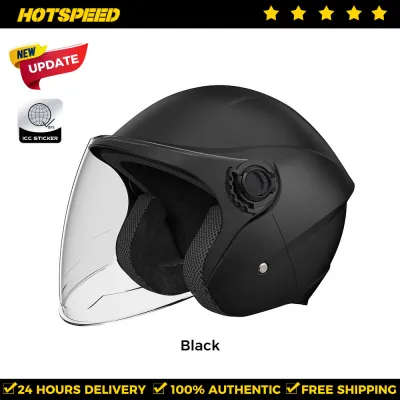
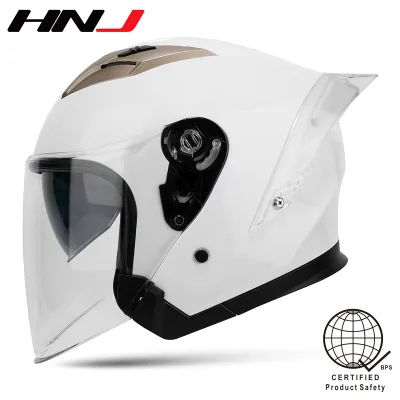
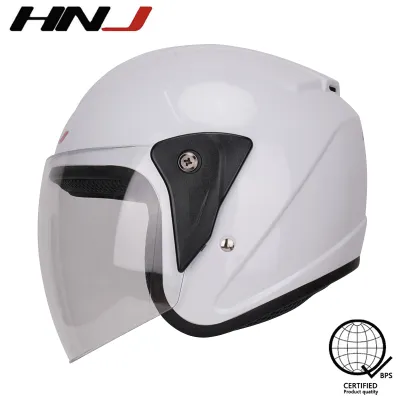
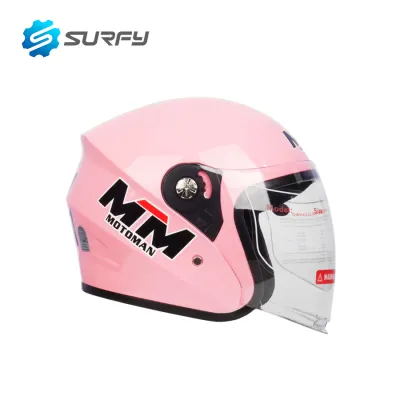
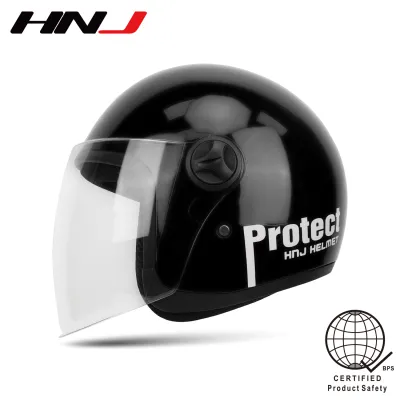
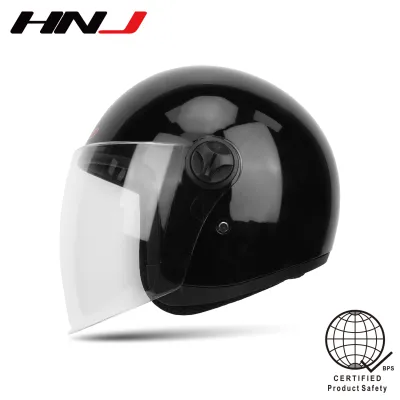
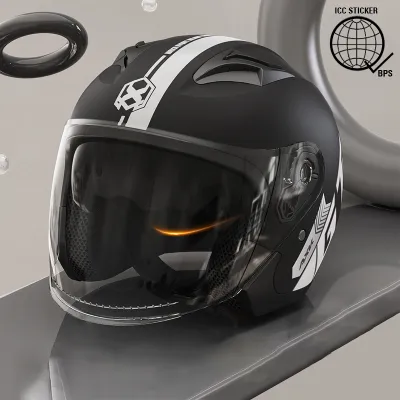
Prices are valid at publication and may change. Please refer to the product page for the latest price.
Regardless of whether you are shopping for a budget-friendly option or a high-end luxury helmet, safety certification must never be compromised. Some riders are tempted to prioritize eye-catching graphic designs, trendy pastel colors, or cheaper price tags over official safety marks. A stylish helmet that lacks proper certification may fail to protect your head during a collision, leading to severe injuries. Always treat the ICC sticker as your starting point, and refuse to buy any helmet that does not clearly display it.
What to Expect Across Different Budget Tiers
As you explore the local riding gear market, you will find that helmets generally fall into three distinct price tiers based on their materials, construction quality, and comfort features. Understanding these tiers helps you manage your expectations and identify where your money is actually going. While every certified helmet meets the same baseline safety requirements, higher-end models offer significant improvements in weight reduction, interior materials, and long-term durability.

To help you navigate these options, the market can be broadly categorized into entry-level, mid-range, and premium brackets. Entry-level options typically cost under ₱1,500, mid-range helmets sit between ₱1,500 and ₱4,000, and premium models range from ₱4,000 to well over ₱10,000. Each tier serves a different type of rider, from the occasional pillion passenger to the daily long-distance commuter.
Entry-Level: Meeting the Safety Minimums
Helmets in the entry-level tier, generally priced under ₱1,500, focus strictly on meeting the legal safety standards without any extra frills. These helmets are almost exclusively constructed from standard Acrylonitrile Butadiene Styrene (ABS) plastic, which is highly impact-resistant but naturally heavier than advanced composites. Inside, you will find a standard Expanded Polystyrene (EPS) impact liner designed to absorb forces during a crash, paired with basic fabric padding that may be fixed or only partially removable.
Because of the simpler manufacturing processes used in this price bracket, entry-level helmets tend to feel heavier on the head and feature basic, non-adjustable ventilation ports. This can make riding in hot, humid Philippine weather somewhat uncomfortable during long, slow-moving traffic jams. Additionally, the visors on entry-level models are often prone to scratching and may lack advanced optical clarity, which can distort your vision slightly under bright sunlight or streetlights.
When shopping within this budget, your primary focus must remain on structural integrity and a secure fit rather than aesthetic add-ons. Avoid helmets that promise lightweight carbon fiber looks or complex ventilation systems at suspiciously low prices, as these are often marketing gimmicks that compromise shell strength. Stick to reputable, basic models from established local distributors who can guarantee genuine ICC certification.
Mid-Range: Balancing Weight, Comfort, and Style
Moving into the mid-range bracket, which spans from ₱1,500 to ₱4,000, introduces a noticeable leap in daily comfort, material refinement, and aesthetic options. Manufacturers in this tier often utilize advanced polycarbonate shells or high-grade ABS blends that offer excellent impact protection while shedding unnecessary weight. This weight reduction is highly beneficial for riders with smaller frames, as it significantly reduces neck strain during daily commutes.
One of the most valuable upgrades in this tier is the inclusion of fully removable, washable, and hypoallergenic interior liners. In the tropical climate of the Philippines, sweat and facial oils quickly accumulate inside a helmet, leading to unpleasant odors and potential skin irritation. Being able to easily pull out the padding for a quick wash helps maintain hygiene and extends the overall lifespan of the helmet. Always consult the manufacturer’s care instructions before washing, as harsh detergents can degrade the foam and fabric.
Additionally, mid-range helmets offer superior ventilation systems with adjustable intake and exhaust ports that actively channel cool air across the scalp. You will also find more sophisticated visor mechanisms, including dual-visor systems with an integrated drop-down sun shield to protect your eyes from the harsh midday sun. These models also tend to have tighter visor seals, which help keep out heavy rain during sudden afternoon downpours and minimize distracting wind noise at higher speeds.
Premium: Advanced Materials and Ergonomics
For riders who spend hours on the road every day or enjoy long-distance touring, investing in a premium half-face helmet priced above ₱4,000 offers unparalleled comfort and safety. Helmets in this category are engineered using advanced composite materials, fiberglass, or pure carbon fiber. These materials are exceptionally strong yet remarkably lightweight, allowing the helmet to disperse impact energy highly efficiently while keeping the physical load on your neck to an absolute minimum.
The interior of a premium helmet is designed with ergonomics and skin health in mind, featuring high-density, laser-cut foam cheek pads that contour precisely to your face. The fabrics used are typically moisture-wicking and quick-drying, ensuring that sweat is rapidly pulled away from your skin during hot afternoon rides. Many high-end brands also offer customizable fit systems, allowing you to swap out cheek pads of varying thicknesses to achieve a tailored, glove-like fit.
These advanced material and ergonomic upgrades translate directly into reduced rider fatigue, making long journeys much safer and more enjoyable. Premium helmets also feature aerodynamically optimized shell shapes designed in wind tunnels to minimize drag and lift at high speeds. While the initial investment is higher, the superior build quality, scratch-resistant visors, and long-lasting interior components ensure that a premium helmet remains a reliable companion for years to come.
Tailoring the Fit: Choosing a Half Face Helmet for Women with ICC Standards
Achieving a proper fit is just as important as choosing a certified helmet, as an ill-fitting helmet can slip out of position or fail to protect your head during an accident. To find your correct size, start by measuring your head circumference using a soft measuring tape. Wrap the tape horizontally around your head, approximately 2.5 centimeters (one inch) above your eyebrows and just above your ears, keeping it level from front to back. Take this measurement in centimeters and compare it directly to the specific manufacturer’s sizing chart, as generic labels like “small” or “medium” vary significantly between different brands.
For women riders, weight distribution and overall helmet balance are critical factors to consider during the fitting process. A helmet that is poorly balanced or excessively heavy can place immense strain on a smaller neck and shoulder frame, leading to chronic fatigue and reduced situational awareness on the road. When trying on a helmet, secure the chin strap tightly and gently shake your head from side to side; the helmet should move with your skin without sliding, rotating, or leaving painful pressure points on your forehead or temples.
Daily practicalities should also influence your choice of interior design. If you frequently wear your hair in a ponytail, braid, or bun, look for helmets that offer slightly more rear clearance or specific interior channels to accommodate these hairstyles without pushing the helmet forward. Additionally, riders who wear prescription glasses or sunglasses should verify if the cheek pads feature built-in eyewear grooves that prevent the frame from pressing uncomfortably against the sides of the head. Finally, because cosmetics, sunblock, and skincare products can transfer onto the fabric, prioritize helmets with dark-colored, stain-resistant, and easily washable liners to keep your gear looking and smelling fresh.
Hidden Costs and Pre-Purchase Checks
When purchasing a helmet, especially through online marketplaces or specialized e-commerce platforms, the checkout price is rarely the final cost of ownership. Bulky items like helmets require large packaging, which can lead to higher shipping fees and optional transit insurance costs that you must factor into your overall budget. It is also wise to check the seller’s return and exchange policies before finalizing your order, as many distributors enforce strict hygiene regulations that prohibit the return of helmets once the inner padding has been worn or the protective visor film has been removed.
Beyond the helmet itself, several optional but highly useful accessories can enhance your riding experience and add to your total expenses. If you frequently ride during the rainy season, investing in an anti-fog visor insert (such as a Pinlock lens, provided your visor is compatible) is highly recommended to maintain clear vision when humidity levels spike. Other valuable add-ons include breathable balaclavas to manage sweat and protect the helmet liner, replacement visors in tinted or silver-mirror finishes for bright daytime riding, and specialized helmet cleaning sprays. Always ensure that any aftermarket visor or accessory you purchase is fully compatible with your specific helmet model to avoid compromising its safety features or structural integrity.
Frequently Asked Questions (FAQ)
Can I use a standard men's half-face helmet if it fits my head size?
Yes, you can absolutely use a standard or unisex helmet if the physical measurements match your head size, as safety certifications are identical across all designs. However, many standard helmets are designed around larger, wider head profiles, which may feel loose or bulky on riders with smaller, narrower facial structures. Some manufacturers offer women-specific or highly adjustable unisex models that feature narrower cheek pads and lighter shell dimensions to provide a more secure, comfortable fit. It is always best to try on the helmet in person to check for any gaps or pressure points before making a purchase.
Is a half-face helmet safe enough for daily city commuting?
An ICC-certified half-face helmet provides excellent, legally compliant protection for the top, sides, and back of your head, making it a popular choice for navigating slow-moving city traffic where ventilation is a priority. However, because the half-face design leaves your chin, jaw, and face exposed, it inherently offers less protection during a front-impact collision than a full-face helmet. When deciding on a helmet style, you must carefully weigh the practical benefits of superior airflow, lighter weight, and easier communication against the safety trade-offs of leaving your lower face unprotected in unpredictable road environments.
Community discussion
Share your experience or ask a question. Comments are reviewed before publication.