
Finding the right motorcycle helmet in the Philippines requires balancing your personal budget with the uncompromising need for road safety. KYT has become a highly visible brand on Philippine roads, offering options that span from accessible daily commuter gear to high-end track helmets. Navigating these options involves understanding what features you actually receive at each price tier and how to verify that your investment provides genuine protection.
Understanding KYT Helmet Tiers and Budget Priorities
When planning your helmet purchase, your budget allocation should prioritize safety certifications first, followed by fit, and finally comfort or aesthetic features. In the Philippines, every helmet used on public roads must carry valid safety markings, such as the Import Commodity Clearance (ICC) sticker or the Product Safety (PS) mark, alongside international standards like ECE or DOT.
A common mistake is prioritizing custom graphics or aerodynamic spoilers over shell construction and proper fitment. Non-negotiable safety standards include a robust impact-absorbing EPS liner, a secure retention system, and a shell that matches your head shape. Negotiable features include quick-release visors, integrated sun shields, premium liner fabrics, and advanced ventilation ports.
Products mentioned in this guide
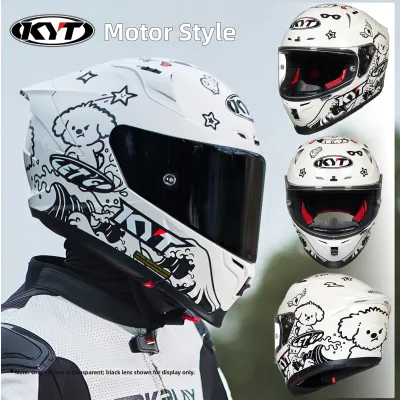
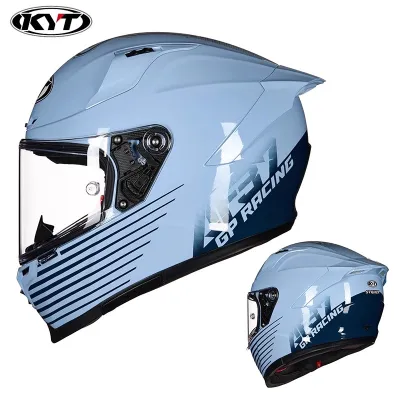
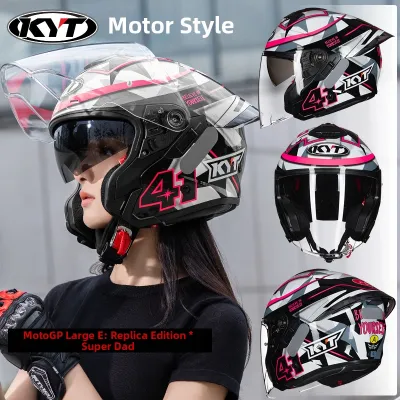
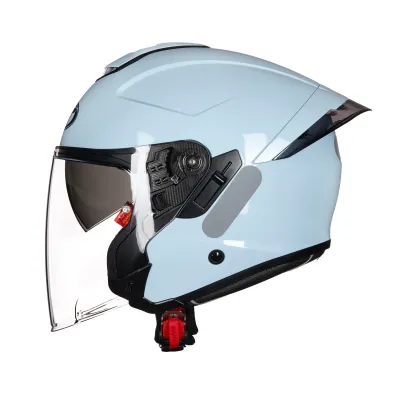
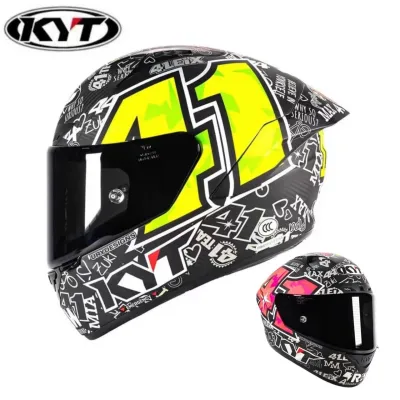
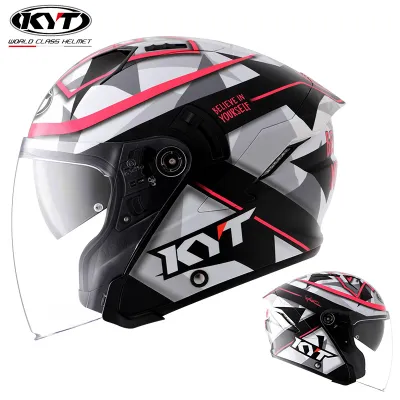
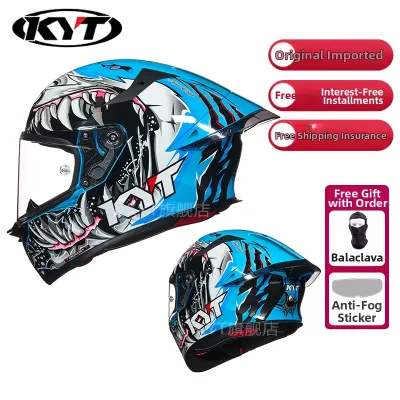
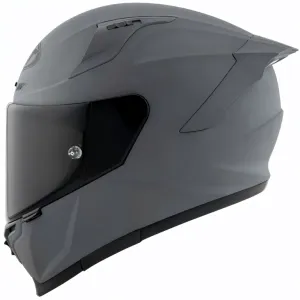
Prices are valid at publication and may change. Please refer to the product page for the latest price.
The brand’s lineup generally divides into three tiers. Entry-level options focus on basic protection and essential comfort for short commutes. Mid-range models introduce better aerodynamics, dual-visor systems, and improved ventilation. Premium tiers leverage lightweight composite materials and racing-derived designs.
If your current budget only allows for a helmet that lacks basic safety certifications or does not fit your head shape correctly, it is highly recommended to delay your purchase. Riding with an ill-fitting or uncertified helmet compromises your safety on the road. Saving for a slightly higher tier can yield significant improvements in daily comfort and long-term durability.
Entry-Level KYT Helmets: Essential Safety on a Tight Budget
Entry-level helmets are designed primarily for daily city commuting and short-distance riding. At this price point, manufacturers typically utilize injection-molded thermoplastic resins for the outer shell. While thermoplastic is highly durable and capable of dispersing impact energy effectively, it requires a thicker profile to achieve the same strength as advanced composites, resulting in a slightly heavier helmet.

Visor mechanisms in this tier are usually straightforward, featuring basic detents for opening and closing. When inspecting an entry-level model, verify that the visor seals tightly against the eyeport gasket to prevent rainwater from leaking inside during sudden tropical downpours. Look for models that offer toolless visor removal, which simplifies cleaning and replacement.
Even on a tight budget, certain comfort features remain essential. Ensure the helmet features a fully removable and washable inner liner. In the hot and humid Philippine climate, sweat and oil accumulate rapidly; being able to wash the cheek pads and comfort liner is critical for hygiene and odor control. Additionally, check for basic forehead and chin vents to maintain airflow.
Retention systems in this tier often consist of micrometric quick-release buckles, which offer convenient fastening for quick trips. The primary trade-offs in this tier are increased wind noise at higher speeds and a heavier overall weight, which can lead to neck fatigue during extended rides. You can mitigate wind noise by wearing high-quality riding earplugs, which protect your hearing without blocking essential ambient traffic sounds.
Mid-Range KYT Helmets: Balancing Comfort, Features, and Cost
Stepping up to the mid-range tier introduces refinements that directly benefit daily commuters and weekend tourers alike. One of the most noticeable upgrades is improved aerodynamic profiling. Mid-range shells are often shaped in wind tunnels to reduce drag and lift, which significantly decreases neck strain when riding at highway speeds on expressways.
Ventilation systems in mid-range models are substantially more sophisticated. Instead of simple open-and-close ports, they feature multi-channel EPS liners that actively draw hot air away from the rider’s head and exhaust it through rear spoilers. This active airflow is highly beneficial when idling in heavy traffic under the midday sun.
Convenience features also become standard in this category. Many mid-range models incorporate an internal, drop-down sun visor operated by an external slider. This dual-visor configuration allows you to adapt instantly to changing light conditions, such as transitioning from bright sunlight to shaded mountain passes. Additionally, look for visors that are Pinlock-ready, allowing you to install an anti-fog insert to maintain clear vision during rainy commutes.
To determine if a mid-range model is worth the extra investment over an entry-level option, use a simple checklist. Assess your weekly mileage, the average speed of your commutes, and your sensitivity to heat. If you ride more than an hour daily or frequently travel on open highways, the reduction in wind noise, improved ventilation, and dual-visor convenience easily justify the additional cost.
Premium KYT Helmets: Advanced Materials and Track-Ready Performance
Premium helmets are engineered for high-performance riding, track days, and long-distance touring where weight reduction and high-speed stability are paramount. The defining characteristic of this tier is the use of advanced composite materials, such as fiberglass, carbon fiber, or aramid weave combinations. These materials offer exceptional tensile strength and impact dispersion while keeping the overall weight remarkably low.
A lighter helmet significantly reduces the kinetic energy transferred to your neck during an impact and minimizes physical fatigue during long hours in the saddle. Beyond the shell material, premium models feature advanced aerodynamic spoilers designed to stabilize the helmet at high speeds, preventing buffeting and lifting when tucked behind a motorcycle’s windscreen.
Safety features in the premium tier are highly specialized. Look for emergency quick-release cheek pads, which allow emergency medical personnel to remove the helmet safely without putting strain on the rider’s spine. The interior liners often utilize advanced moisture-wicking, antibacterial fabrics that dry rapidly and feel exceptionally plush against the skin. These models almost exclusively use double D-ring retention systems, which are mandatory for track use due to their reliability under extreme tension.
Before investing in a premium, track-ready helmet, evaluate your actual riding habits. If your riding consists solely of low-speed city commuting, the extreme aerodynamic tuning and tight, race-fit cheek pads of a track helmet may feel restrictive and overly warm. However, if you participate in track days, ride high-displacement motorcycles, or undertake long-distance touring, the advanced safety and fatigue-reduction features are highly valuable.
How to Verify Authenticity and Safety Certifications Before Buying
With the popularity of the brand in the Philippines, counterfeit helmets have become a concern on the market. Riding with a counterfeit helmet poses extreme safety risks, as these imitation products lack the structural integrity and impact-absorbing materials required to protect your head in a crash. Verifying authenticity before handing over your money is a critical step.
Start by inspecting the physical security markers on the helmet. Genuine helmets sold in the Philippines must feature an official Import Commodity Clearance (ICC) sticker with a unique serial number and a holographic security pattern, or a Product Safety (PS) mark. Additionally, check for international certification labels, such as the ECE 22.05 or ECE 22.06 stamp on the rear of the shell or sewn onto the chin strap.
Always purchase your riding gear from authorized physical retail stores or official brand outlets. Reputable dealers can provide clear warranty terms, replacement parts like visors and cheek pads, and professional assistance with sizing. If you prefer to buy online, stick to verified flagship stores on major ecommerce platforms and avoid third-party sellers with unverified track records.
Be highly suspicious of common red flags when browsing online marketplaces. If a price seems too good to be true compared to authorized retail pricing, it is almost certainly a counterfeit product. Other warning signs include helmets shipped without the original branded box, missing protective dust bags, or sellers who cannot provide clear photos of the safety certification labels and serial numbers.
Frequently Asked Questions (FAQ)
Are KYT helmets suitable for daily commuting in the Philippines?
Yes, many models are well-suited for daily commuting, provided you select a model with adequate ventilation. The tropical climate and heavy traffic require a helmet that can channel air efficiently at low speeds. Look for models with multiple intake vents and a clear visor that offers a wide field of view. If you commute during both day and night, a dual-visor system or a clear visor paired with sunglasses is highly practical for managing sun glare and sudden rain.
How do I know if a KYT helmet fits my head shape correctly?
A proper fit is essential for both safety and comfort. To check the fit, measure the circumference of your head at its widest point and compare it to the manufacturer’s sizing chart. When trying the helmet on, it should feel snug all around without creating painful pressure points on your forehead or temples. Perform the finger test: you should not be able to easily slide your finger between your forehead and the helmet liner. The cheek pads should press firmly against your cheeks, pushing them up slightly, but without causing you to bite the inside of your mouth.
Community discussion
Share your experience or ask a question. Comments are reviewed before publication.