
Retro-style motorcycle helmets offer classic aesthetics, but navigating safety standards and legal requirements can be challenging. This guide helps riders in the Philippines evaluate certified options across different budgets, focusing on how to verify compliance, understand material trade-offs, and choose a helmet that balances vintage looks with modern protection.
Riding with a vintage aesthetic does not mean sacrificing safety or breaking the law. To ride legally and safely on local roads, a retro helmet must carry either a Philippine Standard (PS) mark or an Import Commodity Clearance (ICC) sticker. Choosing the right helmet requires balancing classic design elements—like round shells, bubble visors, and chrome trim—with modern impact-absorption materials, secure retention systems, and verified certification labels that match your specific budget.
Understanding PS and ICC Certification for Retro Helmets
In the Philippines, motorcycle helmet safety is governed by Republic Act No. 10054, also known as the Motorcycle Helmet Act of 2009. This law mandates that all motorcycle riders wear standard protective helmets while riding on public roads. To prove compliance, helmets must bear official certification marks issued by the Bureau of Philippine Standards (BPS) under the Department of Trade and Industry (DTI).
Products mentioned in this guide
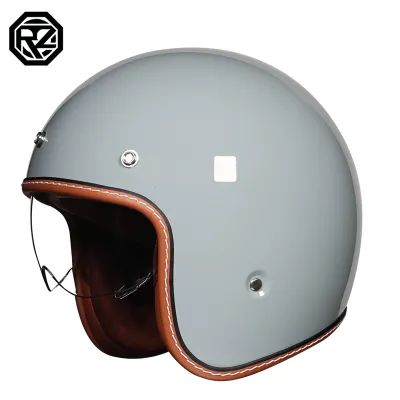
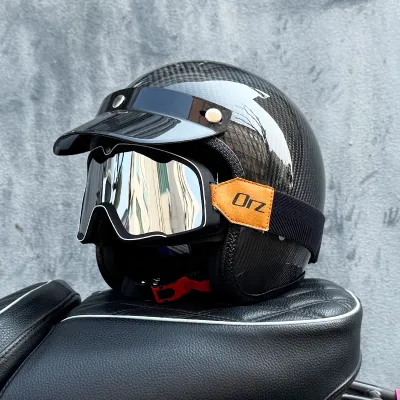
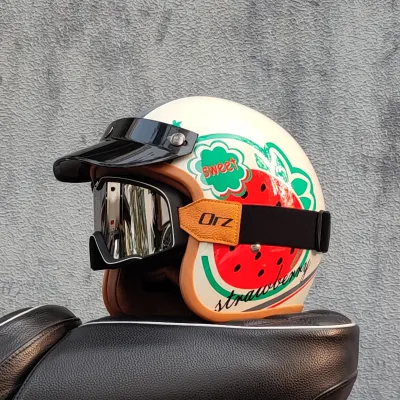
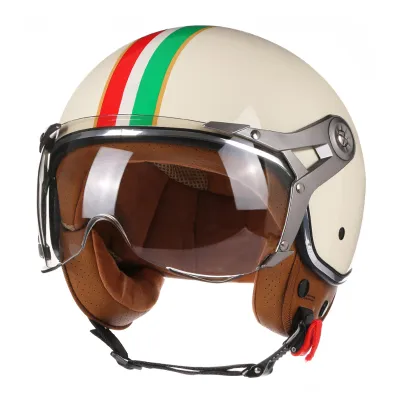
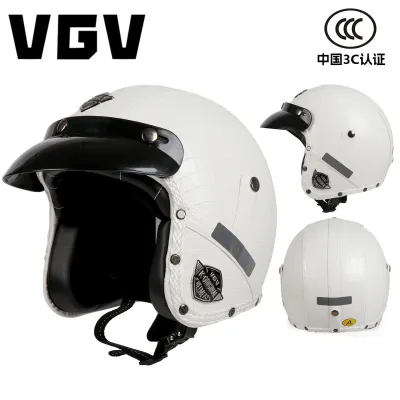
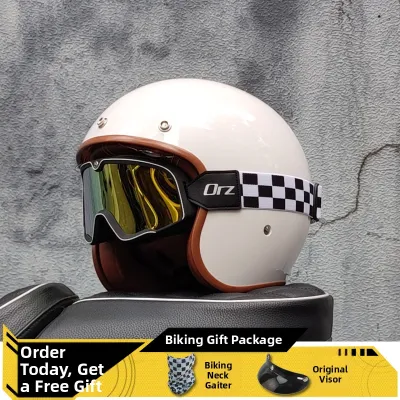
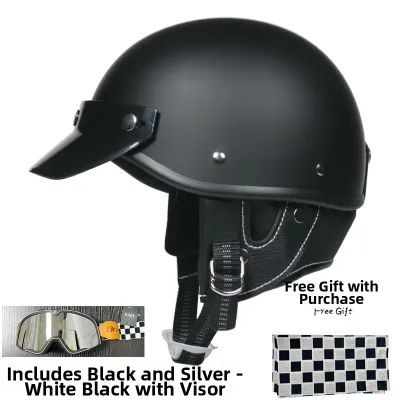
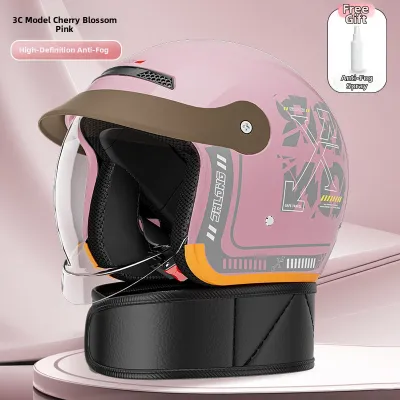
Prices are valid at publication and may change. Please refer to the product page for the latest price.
The Philippine Standard (PS) mark is typically issued for helmets manufactured locally or brands with dedicated local manufacturing audits. Conversely, the Import Commodity Clearance (ICC) sticker is applied to imported helmets that have successfully passed verification and sampling tests upon arrival in the country. Both marks serve as proof that the helmet has undergone rigorous testing to withstand specific impact forces, penetration, and retention system failures.
Retro-style helmets often face stricter scrutiny regarding certification due to the prevalence of novelty or uncertified imports. Many cheap, vintage-style “half-helmets” or “brain buckets” mimic classic designs but lack the essential expanded polystyrene (EPS) foam liner required to absorb impact energy. These purely decorative helmets offer virtually zero protection in a crash and are illegal to use on public highways.
Riding with an uncertified, fake-certified, or decorative helmet carries significant legal penalties, including heavy fines from traffic enforcers and potential confiscation of your driver’s license. More importantly, it exposes you to catastrophic safety risks. In the event of an accident, a non-certified helmet can easily split open, fail to absorb the shock, or fly off your head entirely, leading to severe head trauma.
What to Expect at Different Price Points
When shopping for a retro motorcycle helmet, understanding how price correlates with materials, comfort, and safety features will help you make an informed decision. While all legally sold helmets must meet the same baseline safety standards to earn a PS or ICC mark, premium models offer superior materials that reduce weight, improve comfort, and enhance long-term durability.

Retro helmets generally feature rounder, less aerodynamic shell shapes than modern sport helmets. This classic design can sometimes result in higher wind noise and less efficient ventilation. As you move up the price tiers, manufacturers use advanced engineering to mitigate these inherent design limitations without compromising the vintage silhouette.
For the purposes of this guide, budget tiers are defined using general market observations in Philippine Pesos (₱). Entry-level options typically fall under ₱3,000, mid-range options range from ₱3,000 to ₱8,000, and premium models are positioned above ₱8,000. Keep in mind that these ranges are estimates, and riders should always verify current pricing and stock with authorized local dealers.
Entry-Level (Budget) Retro Helmets
Entry-level retro helmets, generally priced under ₱3,000, offer an accessible entry point for riders who want a classic look on a tight budget. At this tier, the outer shell is almost exclusively constructed from Acrylonitrile Butadiene Styrene (ABS) plastic. While ABS is highly impact-resistant and tough, it is heavier than composite materials, meaning budget helmets often feel noticeably heavier on your neck during long rides.
The interior of a budget retro helmet typically features basic, fixed, or partially removable comfort liners. The fabrics used may feel rougher against the skin and have limited moisture-wicking capabilities, which can lead to heat buildup and sweat retention in hot, humid tropical weather. Ventilation is usually minimal, often relying on a few small, non-adjustable vents or none at all to preserve the clean, round vintage shape.
Visor mechanisms at this price point are simple, often utilizing basic snap-on bubble visors or simple friction hinges. When buying in this tier, it is crucial to use a checklist to verify legitimate certification. Avoid suspiciously cheap helmets sold on unregulated online marketplaces; if a helmet costs less than ₱1,000 and claims full certification, it is highly likely a counterfeit product that has not undergone legitimate safety testing.
Mid-Range Retro Helmets
Stepping up to the mid-range tier, which spans from ₱3,000 to ₱8,000, yields significant improvements in comfort, material quality, and overall refinement. Shells in this category often transition from basic ABS to fiberglass composites or advanced polycarbonate blends. Fiberglass is lighter and distributes impact energy more efficiently, allowing manufacturers to produce a slightly smaller, more authentic retro profile without sacrificing safety.
One of the most noticeable upgrades in mid-range helmets is the interior liner. These models typically feature fully removable, washable, and anti-bacterial liners made from moisture-wicking fabrics. This is a massive advantage for daily commuters in the Philippines, as it allows you to wash out sweat and grime regularly, preventing unpleasant odors and skin irritation.
Mid-range retro helmets also offer better noise reduction and improved visor optics. Many come with anti-scratch treatments, smoother hinge mechanisms, or even integrated drop-down sun visors. This tier represents the sweet spot for daily urban commuters and weekend riders who want a reliable, comfortable, and legally certified helmet without spending a fortune.
Premium Retro Helmets
Premium retro helmets, priced above ₱8,000, represent the pinnacle of vintage style combined with modern safety technology. These helmets utilize high-end shell materials such as carbon fiber, Kevlar, or proprietary multi-composite fibers. These advanced materials offer exceptional strength-to-weight ratios, resulting in an incredibly lightweight helmet that drastically reduces neck fatigue during long-distance touring.
The craftsmanship in premium helmets is evident in the interior details. You can expect luxurious, plush fabrics, genuine leather trim, and multi-density EPS liners tailored for precise impact absorption. Ventilation is highly engineered, featuring hidden air channels carved directly into the EPS liner to provide excellent cooling airflow without disrupting the smooth, classic exterior lines.
Additionally, premium retro helmets often come equipped with integrated speaker pockets for Bluetooth communication systems, high-quality double D-ring retention systems with magnetic strap keepers, and exquisite paint finishes. While the initial investment is higher, the superior build quality, long-term durability, and enhanced comfort easily justify the cost for serious riders and touring enthusiasts.
Key Features to Evaluate Beyond the Retro Look
While aesthetics are the primary draw of a retro helmet, you must evaluate several practical features to ensure the helmet is usable and comfortable for your specific riding conditions. The first feature to consider is the visor configuration. Classic retro helmets often come in three main styles: open-face with snap-on bubble visors, full-face with flat shields, or goggle-and-peak setups.
Bubble visors offer a distinct 1970s look and provide excellent peripheral vision, but they can catch the wind at highway speeds, causing neck strain. Flat visors are more aerodynamic and seal better against wind and rain, which is crucial during sudden tropical downpours. If you prefer an open-face helmet or a vintage motocross look, you will need to pair it with riding goggles and a snap-on peak visor, though this setup offers less protection against heavy rain and road debris.
Ventilation efficiency is another critical factor to assess, especially given the local climate. Because classic round shells often lack prominent external vents, look for helmets that feature subtle brow vents, chin bar vents, or deep internal cooling channels in the EPS liner. A helmet with poor ventilation will quickly become hot and stuffy, causing your visor to fog up during slow-moving city traffic or rainy days.
Next, compare the retention systems. The double D-ring system is the gold standard for safety, offering a simple, fail-safe connection that is required for track use. Micrometric or quick-release buckles offer excellent convenience for quick city errands, but they must be adjusted correctly to ensure a secure fit. Finally, check for practical fitment details, such as dedicated channels in the foam for prescription glasses and molded ear pockets to accommodate aftermarket intercom speakers.
How to Verify Certification and Avoid Fakes
With the rise of counterfeit riding gear, knowing how to verify a helmet’s legal and safety status before handing over your money is essential. The most visible indicator of compliance is the physical PS mark or ICC sticker. On a legitimate helmet, the ICC sticker is a high-quality, holographic label with a unique serial number, typically placed on the rear of the helmet shell.
Beyond the external sticker, you must check the permanent manufacturer markings inside the helmet. Legitimate, certified helmets are required by law to have a permanent label sewn into the comfort liner or chin strap. This label must clearly state the manufacturer’s name, model designation, shell size, production date, and the international safety standards the helmet meets, such as ECE 22.05, ECE 22.06, or DOT.
Be alert to common red flags that indicate counterfeit certification or unauthorized imports. If the ICC sticker peels off easily like a cheap paper label, lacks holographic elements, or has a blurry serial number, it is likely a fake. A complete lack of internal manufacturing labels, extremely flexible outer shells that deform easily when squeezed, or helmets sold without proper brand packaging and manuals are also major warning signs.
To guarantee authenticity and protect your safety, always purchase your helmet from authorized physical dealerships, official brand flagship stores, or reputable riding gear shops. Avoid buying from unauthorized third-party sellers or unregulated online marketplaces where counterfeit safety gear is common. Purchasing from an authorized dealer also ensures you receive a valid manufacturer warranty and access to genuine replacement parts, such as visors and cheek pads.
Frequently Asked Questions (FAQ)
Can I use a DOT or ECE certified helmet if it lacks a PS or ICC mark?
Legally, you cannot use a helmet on public roads in the Philippines if it lacks a local PS or ICC mark, even if it carries highly respected international certifications like DOT (United States) or ECE (Europe). Local traffic laws require physical proof of local certification to ensure the helmet has been officially imported and verified by the Department of Trade and Industry. If you purchase an imported helmet that only has ECE or DOT markings, you must take it to a DTI office to have it inspected and issued an official ICC sticker to avoid fines and apprehension by traffic enforcers.
Are open-face retro helmets as safe as full-face options?
No, open-face retro helmets do not provide the same level of safety as full-face options. While open-face (three-quarter) helmets offer excellent ventilation, a wider field of view, and a classic cruiser aesthetic, they leave your chin, jaw, and face completely exposed to impacts. Accident statistics show that a significant percentage of helmet impacts occur in the chin and face area. A full-face retro helmet offers comprehensive protection, shielding your entire head from impacts, road debris, wind, and heavy rain.
How do I clean and maintain a vintage-style helmet interior?
Always check the manufacturer’s care label inside the helmet before cleaning. If your retro helmet has a removable liner, hand wash it in warm water using a mild, non-chemical soap or baby shampoo to preserve the delicate fabrics and faux-leather trims. Avoid harsh detergents, bleach, or fabric softeners, as they can degrade the materials and cause skin irritation. For non-removable liners, use a specialized helmet interior foam cleaner, gently wiping the surface with a damp microfiber cloth, and allow the helmet to air dry completely in a well-ventilated, shaded indoor area away from direct sunlight or high heat sources.
Community discussion
Share your experience or ask a question. Comments are reviewed before publication.