
Finding a reliable full face helmet in the Philippines requires balancing your personal budget with verified safety standards. Navigating the local market means understanding which certifications are legally required, what features actually justify a higher price tag, and how to avoid dangerous counterfeit products. Whether you are a daily commuter braving the stop-and-go traffic of Metro Manila or a weekend rider exploring provincial highways, a properly certified helmet is your most critical piece of safety gear.
While many local riders colloquially use the term “PSB” when discussing helmet certifications, the legally binding safety marks in the country are issued by the Bureau of Philippine Standards (BPS). Choosing the right helmet is not about finding the most expensive option, but rather about verifying legitimate safety marks and selecting a model that fits your riding conditions and head shape perfectly.
Understanding Philippine Helmet Safety Certifications
To ride legally and safely on Philippine roads, your helmet must carry specific local certification marks. The Bureau of Philippine Standards (BPS) regulates these safety marks to ensure that every helmet sold can withstand significant impact forces, penetration, and retention system failures.
Products mentioned in this guide
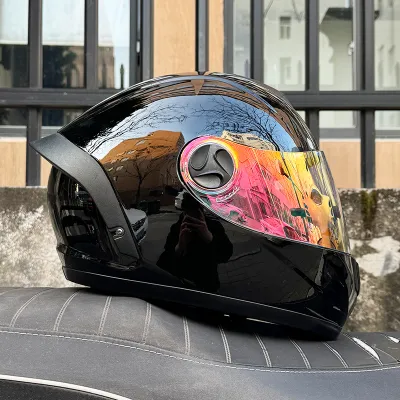
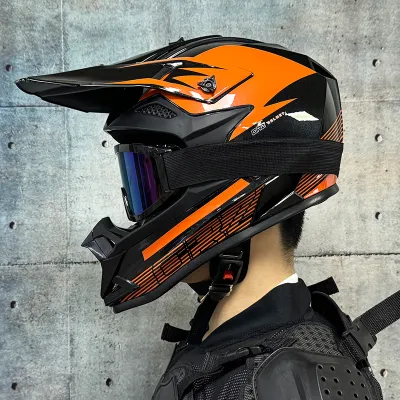
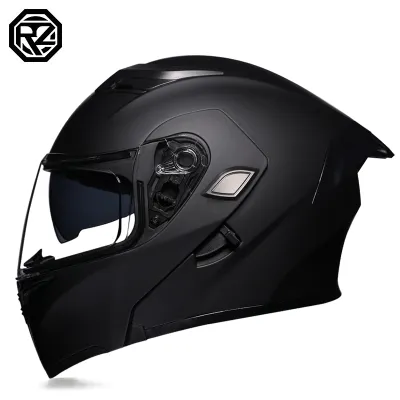
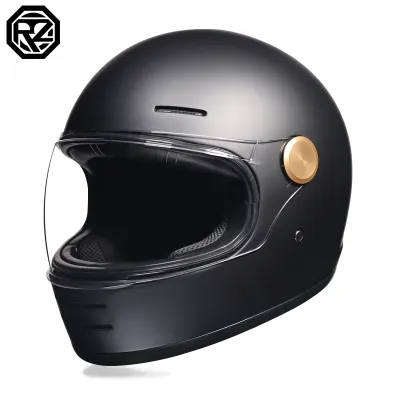
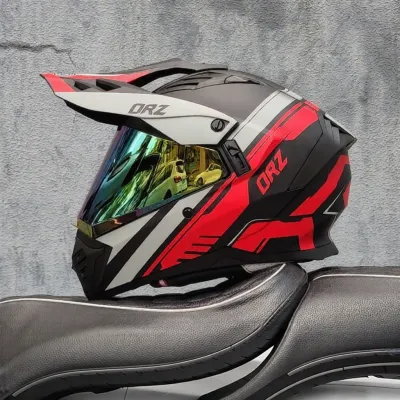
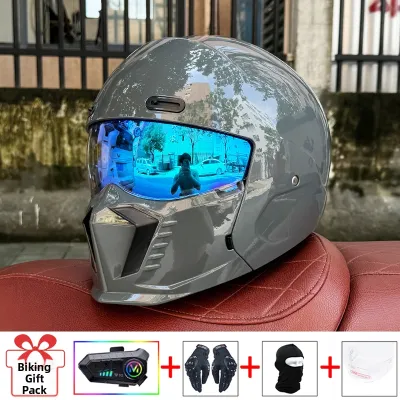
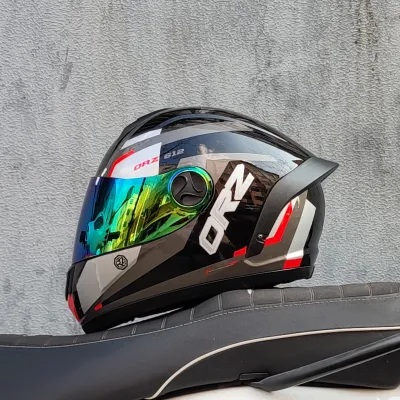
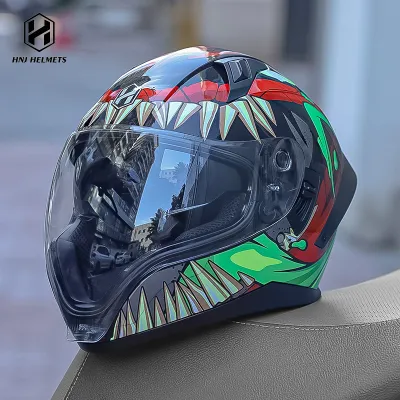
Prices are valid at publication and may change. Please refer to the product page for the latest price.
The Philippine Standard (PS) quality mark is typically found on helmets that are manufactured or assembled locally. This mark proves that the production facility and the helmets themselves undergo regular audits and testing by the Department of Trade and Industry (DTI).
For imported helmets, which make up the vast majority of the local market, the Import Commodity Clearance (ICC) sticker is the mandatory certification. This holographic sticker is applied to imported shipments that have successfully passed the rigorous batch testing and verification processes established by the BPS.
Many high-quality helmets sold locally also carry international certifications, such as the United States’ DOT (Department of Transportation) standard, Europe’s ECE (Economic Commission for Europe) 22.05 or 22.06 standards, or the independent SNELL certification. While these international marks indicate excellent safety engineering, they do not replace local legal requirements. Under the Motorcycle Helmet Act, any helmet used on public roads must feature an official, untampered PS or ICC sticker to be considered road-legal.
What to Expect at Different Budget Tiers
Helmet manufacturers cater to various price points by utilizing different shell materials, manufacturing processes, and interior features. Understanding what you are paying for at each tier helps you make an informed decision without overspending or compromising on basic safety.

Entry-Level Helmets: Essential Protection
Helmets in the entry-level tier, typically priced under ₱2,000, focus entirely on delivering the minimum required safety protection without expensive cosmetic or comfort upgrades. The outer shells in this category are almost exclusively made of Acrylonitrile Butadiene Styrene (ABS) plastic or standard polycarbonate. While these materials are highly impact-resistant, they require a thicker construction to pass safety tests, making entry-level helmets noticeably heavier than their premium counterparts.
At this price point, expect basic single-pane visors that lack advanced anti-fog coatings. The retention system is usually a micrometric quick-release plastic or metal buckle, which is highly convenient for short daily commutes but requires regular inspection for wear. Ventilation systems are simple, consisting of basic open-and-close vents on the chin and forehead that offer limited airflow in high humidity.
When shopping in this tier, prioritize structural integrity and a genuine ICC sticker over flashy graphics, integrated sun visors, or aftermarket spoilers. A plain, solid-colored helmet from a reputable, certified brand is infinitely safer than a highly styled model from an unverified manufacturer.
Mid-Range Helmets: Balanced Comfort and Features
Stepping up to the mid-range tier, which generally spans from ₱2,000 to ₱5,000, introduces significant improvements in daily usability, weight reduction, and climate comfort. Outer shells are often constructed from advanced polycarbonate blends or lightweight fiberglass composites, which help reduce neck strain during long rides.
Ventilation is a major upgrade in this segment. Manufacturers design multi-channel EPS (Expanded Polystyrene) liners that actively pull cool air across the scalp and exhaust hot, humid air out the back. Visors are typically scratch-resistant and frequently come “Pinlock-ready,” allowing you to install an anti-fog insert that keeps your vision clear during sudden afternoon downpours.
Interior comfort is also prioritized. Mid-range helmets feature fully removable, washable, and hypoallergenic comfort liners made of moisture-wicking fabrics. This is a crucial feature for riding in the tropical climate of the Philippines, where sweat and road grime can quickly lead to odor and skin irritation if the liner cannot be cleaned easily.
Premium Helmets: Advanced Materials and Aerodynamics
Premium helmets, priced above ₱5,000 and often reaching much higher, are designed for high-speed touring, track days, and riders who demand the absolute best in material science. Shells in this tier are constructed from advanced materials like pure carbon fiber, aramid, or complex multi-composite fiberglass weaves, offering maximum impact protection at a fraction of the weight of ABS plastic.
Aerodynamics are highly refined through extensive wind-tunnel testing. These helmets are shaped to minimize wind buffeting, lift, and drag at highway speeds, which greatly reduces fatigue during long-distance travel. Visor mechanisms feature precise, tool-less quick-release systems and robust locking tabs to prevent the shield from popping open during an impact.
Safety features are also more sophisticated. Many premium helmets include an Emergency Quick Release System (EQRS), which allows emergency medical responders to easily pull out the cheek pads while the helmet is still on the rider’s head, minimizing neck movement during a rescue. The interior liners use premium, antibacterial fabrics that maintain their shape and cushioning even after years of heavy use.
Where to Compromise and Where to Hold Firm
When shopping with a strict budget, you must distinguish between features that keep you safe and features that simply add convenience or style. Knowing where to hold firm ensures you never compromise your physical safety for aesthetic appeal.
The Non-Negotiables
Never compromise on a valid BPS certification. The presence of a genuine, untampered PS or ICC sticker is your only proof that the helmet has undergone physical testing to protect your brain during an impact.
Similarly, hold firm on proper fit and optical clarity. A helmet that is too loose will fail to protect you in a crash, while a cheap, distorted visor will impair your vision at night or in heavy rain. The retention system must be robust and fully functional, whether it is a double D-ring or a high-quality micrometric buckle.
Acceptable Compromises
If you need to save money, it is perfectly safe to compromise on paint designs and graphics. Solid-color helmets are almost always cheaper than those with licensed racer replicas or intricate graphic patterns, yet they offer the exact same level of protection.
Other acceptable compromises include a slightly heavier shell weight, a manual visor replacement mechanism instead of a quick-release system, and simpler ventilation channels. While these compromises might make your ride slightly warmer or noisier, they do not reduce the helmet’s ability to absorb an impact.
Avoid buying uncertified “novelty” helmets or cheap replicas that attempt to mimic premium brands. These dangerous counterfeits often prioritize flashy features like integrated Bluetooth speakers, drop-down sun visors, or aggressive aerodynamic spoilers while utilizing thin, unrated plastic shells that will shatter easily under stress.
How to Spot Fake Certifications and Counterfeit Helmets
The popularity of motorcycle riding in the Philippines has unfortunately led to a rise in counterfeit helmets and fake safety stickers. Protecting yourself requires a critical eye before finalizing any purchase.
Genuine ICC and PS stickers feature complex holographic patterns that shift colors and display specific security details when tilted under direct light. Fake stickers are often flat, poorly printed, or show signs of peeling, bubbling, and adhesive residue, indicating they were transferred from a cheaper, certified helmet.
Always verify the manufacturer and model details. The Department of Trade and Industry (DTI) and the Bureau of Philippine Standards maintain public registries of certified helmet brands and models. If a brand or specific model does not appear on these official lists, it is not legally certified for road use in the Philippines.
To minimize risk, purchase your gear only from authorized physical dealers, official brand flagship stores, or verified distributors on major e-commerce platforms. Be highly suspicious of prices that seem too good to be true. A premium, internationally renowned helmet model being sold for a fraction of its standard retail price is almost certainly a dangerous counterfeit. Legitimate distributors will always provide the original box, a branded helmet bag, and user manuals.
Maximizing the Value of Your Purchase
Once you have purchased a certified full face helmet, proper care and maintenance will ensure it continues to provide maximum protection throughout its usable lifespan.
First, confirm the fit is correct before your first long ride. The helmet should fit snugly around your entire head, pressing your cheeks in slightly without causing pain or pressure points on your forehead. When you shake your head side to side, the helmet should move with your skin rather than sliding independently.
For cleaning, always refer to the manufacturer’s care instructions first. Wash removable comfort liners by hand using mild soap and lukewarm water, allowing them to air dry completely to prevent mold growth. Avoid using harsh chemical solvents, glass cleaners, or petroleum-based products on the outer shell or the visor, as these chemicals can degrade the polycarbonate structure and strip away protective anti-scratch or UV coatings.
Store your helmet in a cool, dry place away from direct sunlight, high heat, and fuel fumes, which can slowly degrade the internal EPS foam liner. Finally, remember that the internal EPS liner is designed to compress only once to absorb an impact. If your helmet is involved in a significant drop or a crash, it must be replaced immediately, even if the outer shell appears completely undamaged.
Frequently Asked Questions (FAQ)
Can I use a DOT or ECE certified helmet if it lacks a local PS or ICC mark?
Under Philippine law, specifically Republic Act No. 10054, all motorcycle riders on public roads must wear protective helmets that bear the official PS or ICC mark issued by the Bureau of Philippine Standards. Even if your helmet carries superior international certifications like DOT or ECE, riding without the local physical sticker can result in traffic citations, fines, or confiscation by the Land Transportation Office (LTO) and local traffic enforcers. Always check with local transport authorities for the most up-to-date enforcement guidelines.
How often should I replace my full face helmet?
Most helmet manufacturers recommend replacing your helmet every 3 to 5 years from the date of first use, or 5 to 7 years from the date of manufacture, which is typically printed on a tag underneath the comfort liner. Over time, exposure to UV rays, extreme tropical heat, sweat, hair oils, and environmental pollutants gradually degrades the protective qualities of both the outer shell and the inner EPS foam liner. Additionally, you must replace your helmet immediately after any crash or hard impact, as the internal safety liner cannot protect you a second time.

Community discussion
Share your experience or ask a question. Comments are reviewed before publication.