
Choosing the right engine oil is one of the most critical decisions you can make to ensure the longevity, performance, and efficiency of your vehicle’s engine. When comparing premium fully synthetic options like ACDelco, Shell, Castrol, and Motul, there is no single brand that stands as the absolute best for every driver. Instead, the ideal choice depends on your vehicle’s specific manufacturer requirements, your daily driving environment, and your performance expectations.
To help navigate this decision, a conditional framework can guide your purchase based on your specific circumstances:
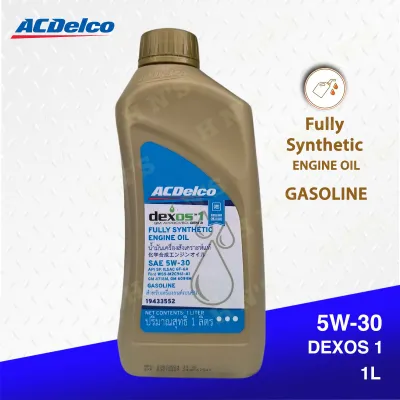
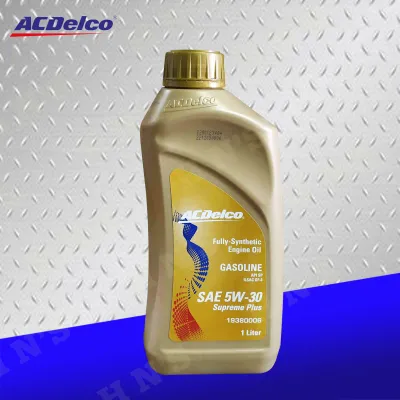
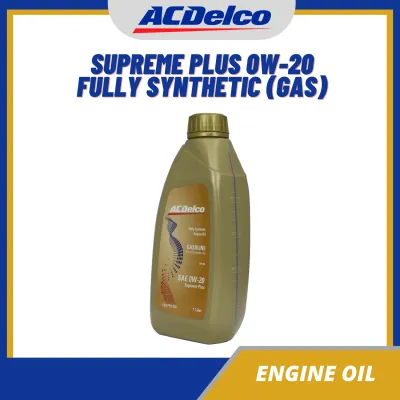
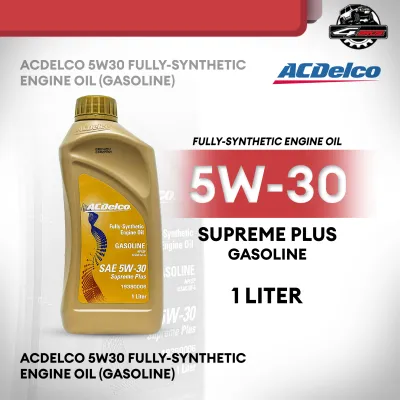
- Choose ACDelco if you drive a General Motors vehicle (such as a Chevrolet) and want to adhere strictly to factory-fill standards. ACDelco formulations are engineered specifically to meet GM's dexos specifications, ensuring seamless compatibility and preserving your vehicle's factory-engineered characteristics.
- Choose Shell if your primary goals are engine cleanliness, active sludge prevention, and maximizing fuel efficiency during daily commutes. Shell's gas-to-liquid base oil technology offers exceptional purity, making it highly suitable for modern, tightly-toleranced commuter cars.
- Choose Castrol if you frequently operate your vehicle under high-stress conditions, such as hauling heavy loads, navigating prolonged stop-and-go city traffic, or driving in hot tropical climates. Castrol's focus on fluid film strength helps prevent metal-on-metal wear when engine temperatures spike.
- Choose Motul if you drive a high-performance, modified, or turbocharged vehicle, or if you participate in track days. Motul's ester-based formulations offer outstanding thermal stability and resistance to viscosity breakdown under extreme engine speeds and temperatures.
Before making any purchase, always check your vehicle’s owner’s manual to verify the required viscosity grade and performance certifications. Using an oil that does not align with these specifications can lead to accelerated engine wear or void your manufacturer’s warranty.
Products mentioned in this guide
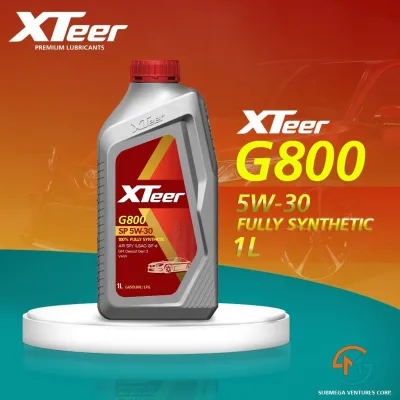
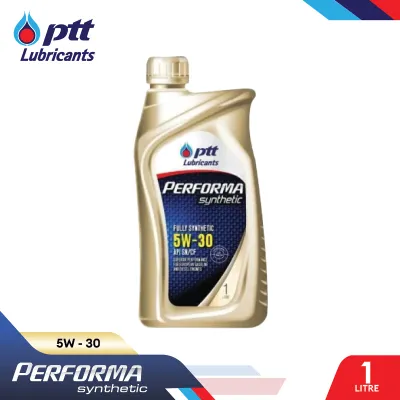
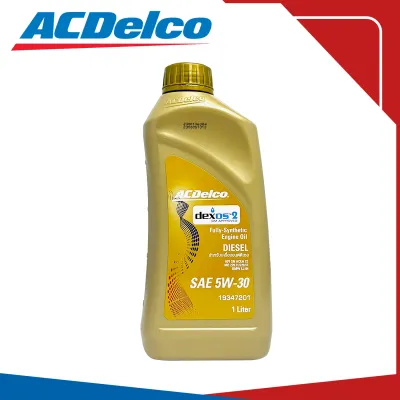
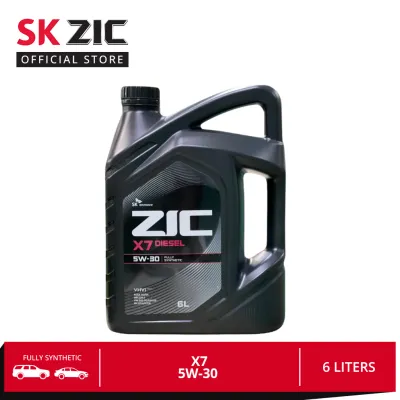
Prices are valid at publication and may change. Please refer to the product page for the latest price.
Understanding Fully Synthetic Oil and Viscosity Grades
To appreciate the differences between these premium brands, it is essential to understand what fully synthetic oil is and how viscosity grades function. Unlike conventional mineral oils, which are refined directly from crude oil, fully synthetic oils are synthesized from highly purified chemical compounds. This manufacturing process results in a molecular structure that is uniform and free of impurities.
The structural advantages of fully synthetic oils over conventional or semi-synthetic alternatives are significant. First, they offer superior thermal stability, resisting breakdown or oxidation when exposed to high operating temperatures. This is especially critical in tropical climates where ambient temperatures remain high year-round. Second, they reduce sludge formation, meaning they are far less likely to form harmful carbon deposits, varnish, or sludge on internal engine components. Third, they allow for extended drain intervals, maintaining their protective qualities over longer distances. Finally, they provide better cold-flow properties, ensuring that critical engine components receive immediate lubrication at startup.
Understanding how to read viscosity grades, such as 0W-20, 5W-30, or 10W-40, is equally crucial. The number preceding the “W” (which stands for “Winter”) indicates the oil’s flow characteristics at low temperatures. A lower number, like 0W or 5W, means the oil remains fluid and flows quickly upon startup, even when the engine is cold. While cold winter climates are not a concern in tropical regions, rapid oil flow at startup remains vital because the vast majority of engine wear occurs before the engine reaches its optimal operating temperature.
The second number (e.g., 20, 30, or 40) represents the oil’s viscosity, or thickness, at 100°C, which is the standard operating temperature of a fully warmed engine. A higher second number indicates a thicker oil film that provides more robust protection under extreme heat and heavy mechanical loads. However, a thicker oil also creates more internal resistance, which can slightly reduce fuel economy. Conversely, modern engines are increasingly designed for lower viscosity oils like 0W-16 or 0W-20 to maximize fuel efficiency, relying on precise engineering tolerances and advanced oil additive packages to prevent wear.
Matching the exact viscosity grade and industry performance standards—such as API (American Petroleum Institute) SP or ILSAC GF-6—required by your vehicle’s manufacturer is far more important than the brand name on the bottle. Using the incorrect viscosity can lead to a range of issues, including reduced fuel efficiency, increased oil consumption, hydraulic lifter noise, check engine lights related to variable valve timing systems, and potential engine damage that could void your powertrain warranty.
Brand-by-Brand Breakdown: ACDelco, Shell, Castrol, and Motul
To make an informed choice, it helps to analyze the core characteristics, typical use cases, and brand positioning of each of these four premium lubricant manufacturers.

ACDelco Fully Synthetic: OEM Focus and Reliability
ACDelco is the dedicated original equipment manufacturer (OEM) parts brand for General Motors. Consequently, its engine oils are formulated with a primary focus on meeting the rigorous engineering standards of GM vehicles. The brand’s fully synthetic lineup is heavily centered around achieving dexos1 (for gasoline engines) and dexos2 or dexosD (for diesel engines) approvals. These specifications demand strict control over oil aeration, turbocharger deposit formation, and low-speed pre-ignition (LSPI) prevention in modern turbocharged direct-injection engines.
For owners of Chevrolet or other GM vehicles, ACDelco fully synthetic oil represents a highly reliable, factory-approved choice. It ensures that the engine operates exactly as the factory engineers intended, maintaining the baseline durability and emissions performance of the vehicle. It is designed for standard factory-recommended maintenance schedules and provides dependable protection for daily commuting and highway driving.
However, because ACDelco’s primary focus is serving the GM ecosystem, its product range may be less diverse when it comes to meeting specialized European specifications (such as those from Volkswagen, BMW, or Mercedes-Benz) or niche Japanese performance standards. While they do offer multi-vehicle formulations that meet general API and ILSAC standards, enthusiasts looking for highly specialized aftermarket additives or extreme-performance formulations may find fewer options within the ACDelco catalog compared to dedicated aftermarket brands.
Shell: Cleaning Technology and Fuel Economy
Shell is a global leader in the lubricants industry, and its premium fully synthetic line, Shell Helix Ultra, is highly regarded for its technological innovation. The standout feature of Shell’s top-tier synthetic oils is the use of proprietary PurePlus Technology. This process converts natural gas into a crystal-clear base oil that is virtually free of the impurities commonly found in crude-oil-derived bases.
This gas-to-liquid (GTL) base oil, combined with advanced active cleansing additives, gives Shell Helix Ultra exceptional abilities to keep engines clean. It actively works to prevent the accumulation of sludge, varnish, and carbon deposits on pistons, valves, and turbocharger shafts. A cleaner engine operates more efficiently, maintains better compression, and experiences less frictional wear over time.
Additionally, Shell’s formulations are highly optimized for fuel economy and smooth operation. They are designed to flow quickly, reducing internal drag and helping modern engines with variable valve timing (VVT) and stop-start systems perform at their peak. Shell’s extensive global distribution network also means their fully synthetic oils are widely available across various viscosity grades, making them a highly accessible and dependable option for a broad range of Asian, European, and American passenger vehicles.
Castrol: Engine Protection and High-Temperature Stability
Castrol has built its reputation on engineering lubricants that provide extreme protection under demanding mechanical and thermal conditions. Its flagship fully synthetic product line, Castrol EDGE, features Fluid Titanium Technology. This proprietary additive package physically transforms the oil’s molecular behavior under extreme pressure, doubling its film strength to prevent the oil film from shearing or breaking down.
This focus on oil film strength makes Castrol an exceptional choice for vehicles that endure harsh operating environments. In tropical climates with high ambient temperatures, or in dense urban areas characterized by severe, stop-and-go traffic jams, engine temperatures can rise rapidly while airflow through the radiator is minimized. Under these conditions, the mechanical stress on bearings, camshafts, and piston rings is elevated. Castrol’s robust oil film ensures that metal surfaces remain separated even when the oil becomes hot and thin.
Castrol is also highly favored by owners of European vehicles, as the brand offers numerous formulations that carry official approvals from manufacturers like Volkswagen, Audi, BMW, and Mercedes-Benz. It strikes a highly effective balance between everyday accessibility and heavy-duty wear protection, making it a reliable option for SUVs, utility vehicles, and passenger cars subjected to demanding daily use.
Motul: High-Performance and Enthusiast Choice
Motul is a French lubricant manufacturer with a deep heritage in motorsports, and it remains the preferred brand for automotive enthusiasts, racers, and owners of high-performance vehicles. While Motul offers excellent daily-driver synthetic oils in its 8100 series, it is most famous for its 300V racing line, which utilizes advanced Ester Core technology. Esters are synthesized organic compounds that exhibit outstanding polar properties, allowing the oil molecules to electrostatically cling to metal surfaces, providing continuous lubrication even after the engine has been shut down.
Motul’s formulations are engineered to withstand extreme thermal stress, high operating temperatures, and high-RPM shear forces. This makes them highly resistant to viscosity loss, ensuring that the engine remains protected during high-speed driving, track sessions, or when operating highly turbocharged and modified engines. The thermal stability of Motul oils also helps minimize oil consumption and prevents the formation of high-temperature deposits in turbocharger bearings.
However, choosing Motul involves certain practical trade-offs. It is generally positioned in a premium price band, with prices often ranging from ₱600 to over ₱1,200 per liter depending on the specific formulation. Furthermore, dedicated racing formulations like the 300V series are designed for maximum wear protection and power output under racing conditions, meaning they contain fewer long-term detergent additives and may require more frequent drain intervals compared to standard passenger car oils. Motul is also less commonly stocked at standard quick-lube centers, requiring owners to purchase it from specialized auto shops or authorized distributors.
Key Comparison Dimensions for Your Specific Vehicle
To choose the best fully synthetic oil for your vehicle, you must look beyond brand marketing and evaluate how each option aligns with your specific operating requirements.
- OEM Approvals and Specifications: The most critical factor in selecting an engine oil is verifying that it carries the specific approvals required by your vehicle's manufacturer. These specifications are printed on the back label of the oil bottle. For example, a European vehicle may require an oil that meets BMW Longlife-04 or VW 504.00/507.00, while a GM vehicle will require dexos1 Gen 3. Even if an oil is of high quality, using a formulation that lacks the specific additive chemistry required by your engine can lead to premature component wear or sensor malfunction. Always prioritize official manufacturer approvals over generic brand loyalty.
- Driving Conditions and Climate: The environment in which you drive plays a major role in how engine oil performs. In tropical regions like the Philippines, engines must contend with high ambient temperatures and high humidity, often combined with prolonged idling in heavy city traffic. These factors accelerate oil oxidation and thermal degradation. If your daily drive involves sitting in slow-moving traffic under intense heat, the superior high-temperature film strength of Castrol or the extreme thermal stability of Motul can provide an extra margin of safety. If your driving consists of standard highway cruising and daily commuting in modern, fuel-efficient vehicles, the cleaning efficiency and low-friction properties of Shell can help maximize fuel economy and keep internal components free of deposits.
- Drain Intervals and Maintenance Habits: Fully synthetic oils are designed to last longer than conventional oils, with typical service intervals ranging from 10,000 to 15,000 kilometers. However, most vehicle manufacturers define "severe driving conditions"—which include frequent short trips, driving in dusty environments, heavy stop-and-go traffic, and prolonged idling—as requiring more frequent oil changes, often halving the standard interval. Regardless of whether an oil brand advertises "extended drain protection," you should always adhere to the oil change intervals recommended in your vehicle's owner's manual or dictated by its onboard oil life monitoring system to ensure continuous protection and warranty compliance.
- Availability and Counterfeit Risks: Because premium fully synthetic oils command higher prices, they are frequent targets for counterfeiters in the aftermarket. Using counterfeit oil—which is often low-grade recycled mineral oil packaged in replica bottles—can cause catastrophic engine failure. To mitigate this risk, always purchase your engine oil from authorized physical service centers, official brand stores on reputable online marketplaces, or well-established automotive parts distributors. Avoid buying suspiciously cheap oil from unverified online sellers, as the cost of repairing engine damage far outweighs any minor savings on the purchase price.
How to Verify Compatibility and Make Your Final Decision
Making your final decision requires a systematic, safety-first approach to ensure that the oil you select is fully compatible with your vehicle’s engine.
First, open your vehicle’s owner’s manual and locate the maintenance section. Note the exact viscosity grade recommended for your climate (e.g., 5W-30) and the required performance standards, such as API SP, ILSAC GF-6, or specific OEM certifications. Verify vehicle model, year, and engine type from your official documentation before buying, as compatibility cannot be inferred from generic category terms.
Next, inspect your physical vehicle. Check the engine oil filler cap, which often has the recommended viscosity grade stamped directly onto it. Pull the dipstick to check the current oil level and inspect the condition of the fluid. Always verify that the oil is authorized for your specific engine type (gasoline or diesel) on the product label, as a generic brand name or material type does not guarantee safety for specialized internal sensors, seals, or catalytic converters.
If your vehicle is currently covered by a manufacturer’s powertrain warranty, you must use an oil that meets the exact specifications listed in the manual. Failing to do so, or failing to keep documented receipts of your oil purchases and service records, can give the dealership grounds to void your warranty coverage in the event of an engine issue.
If your owner’s manual is missing, if your engine has a history of high oil consumption, or if your vehicle has been modified with aftermarket performance parts, do not guess on compatibility. If instructions conflict, the engine type is unidentified, or the application is not clearly covered on the product label, stop and consult the manufacturer or a qualified professional mechanic. They can provide expert guidance based on your vehicle’s specific operating history, ensuring that the fully synthetic oil you choose provides the precise lubrication and protection your engine needs to run smoothly.
Community discussion
Share your experience or ask a question. Comments are reviewed before publication.