
Choosing the right brake components for your vehicle in the Philippines requires balancing daily stop-and-go traffic, high tropical humidity, and steep terrain. Adeline Brake Master components, including brake pads and master cylinders, serve as a popular aftermarket choice for drivers seeking a balance between cost and standard performance. However, determining how they compare to other brands depends entirely on your vehicle’s specific requirements, your driving environment, and the exact material specifications of the replacement parts. Rather than looking for a single universal winner, you must evaluate how these components align with your vehicle manufacturer’s original specifications.
Defining the Scope: Adeline Brake Master vs. Market Alternatives
The automotive aftermarket in the Philippines is diverse, offering everything from budget-tier replacements to high-performance racing components. To make an informed decision, you must first understand where Adeline Brake Master fits within this landscape. This brand is generally positioned in the standard aftermarket or original equipment manufacturer (OEM) equivalent replacement tier. This means the parts are designed to match the fit, form, and basic function of your vehicle’s original factory components without the premium price tag associated with official dealership parts.
To compare options effectively, it helps to categorize the available choices into three general tiers. The first tier consists of premium OEM and high-performance brands. These manufacturers often utilize advanced ceramic or specialized metallic compounds designed for superior heat dissipation, minimal noise, and low dust production. They are engineered for demanding driving conditions but come with a higher price tag.
Products mentioned in this guide
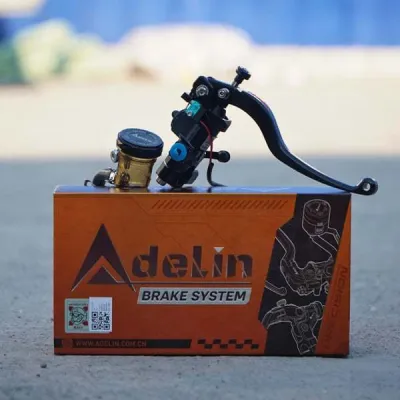
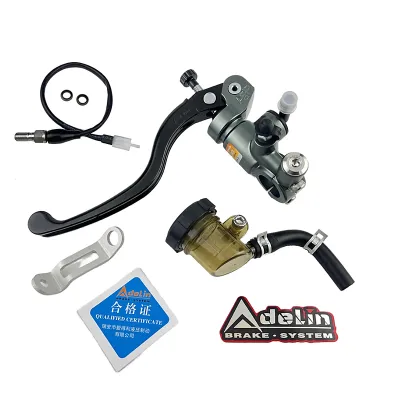
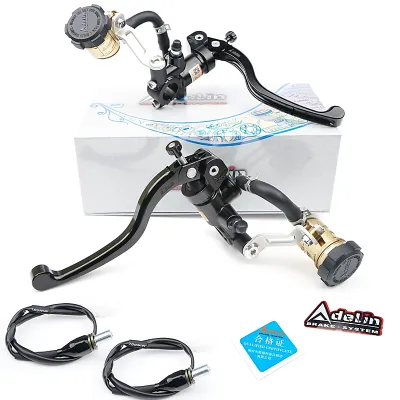
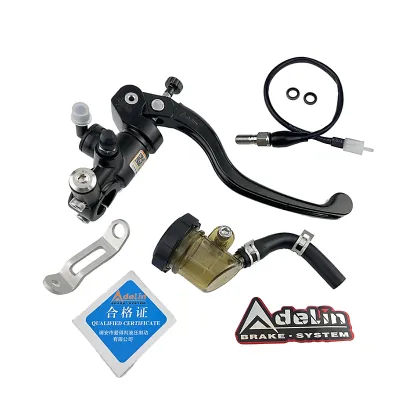
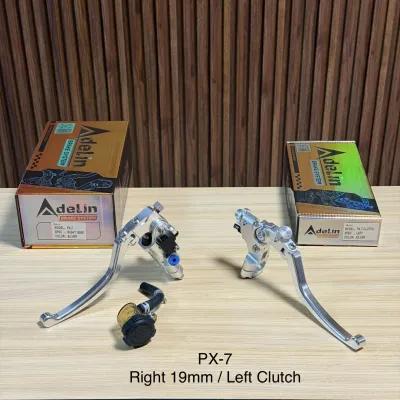
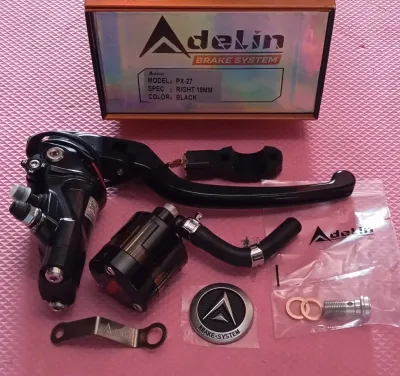
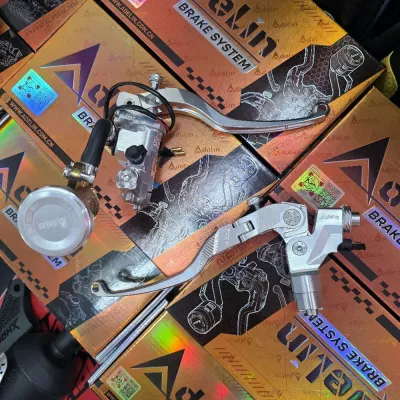
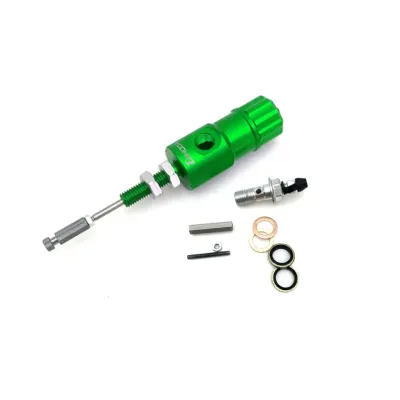
Prices are valid at publication and may change. Please refer to the product page for the latest price.
The second tier is the standard aftermarket category, where Adeline typically resides. These brands focus on providing reliable, safe, and predictable stopping power for daily commuting, school runs, and standard highway driving. They offer a balanced compromise between cost and performance, making them highly popular for standard passenger cars, utility vehicles, and motorcycles.
The third tier comprises budget or economy brands. These products focus almost exclusively on minimizing the initial purchase cost. While they may look identical to higher-tier parts, they often compromise on the quality of the friction material, the precision of the backing plate dimensions, or the inclusion of necessary installation hardware.
When comparing these tiers, remember that material composition and exact fitment matter far more than the brand name printed on the box. A premium brand’s entry-level line may not perform as well as a standard brand’s top-tier product. Therefore, evaluating the physical specifications of the specific part number is the only reliable way to ensure safety and compatibility.
Key Specifications to Compare on the Packaging
When you are holding a box of Adeline brake pads or any alternative brand at a local auto supply shop, the packaging itself contains vital clues about the product’s quality and suitability. Knowing how to read these specifications allows you to make an objective comparison before any tools touch your vehicle.

The first specification to identify is the friction material composition. Brake pads are generally classified into three main types: ceramic, semi-metallic, and organic. Ceramic pads are known for quiet operation, low dust, and excellent performance in typical city driving, though they can be sensitive to extreme, continuous heavy-duty heat. Semi-metallic pads contain a high percentage of metal fibers, making them highly durable and excellent at dissipating heat under heavy loads, though they tend to be noisier and cause faster rotor wear. Organic pads are softer and quiet but wear out much faster under demanding conditions. Check the packaging or product documentation to verify which compound is used.
Next, look for safety and compliance marks. Legitimate brake components carry standardized testing codes and certification marks printed on the box or stamped directly onto the backing plate. For example, look for edge codes established by the Society of Automotive Engineers (SAE) or European compliance marks like ECE R90. These markings indicate that the friction material has undergone rigorous testing to verify its friction coefficient under both cold and hot operating temperatures. A typical code consists of two letters (such as FF or GG), where the first letter represents the cold friction coefficient and the second represents the hot friction coefficient. Comparing these letters across brands gives you a direct, standardized measure of stopping capability.
Another critical factor is hardware inclusion. A proper brake pad replacement involves more than just swapping the pads themselves. High-quality kits include necessary accessories such as built-in or clip-on wear sensors, anti-rattle shims, and new mounting clips or return springs. Reusing old, worn-out hardware can lead to annoying brake squeal, uneven pad wear, or caliper binding. When comparing Adeline to other brands, check whether these accessories are included in the box or if you must purchase them separately.
Finally, evaluate the manufacturer’s warranty terms. Read the fine print to understand the duration of the warranty, what specific defects are covered (such as friction material separation or cracking), and what limitations apply. Be aware that many warranties are voided if the parts are installed incorrectly, used for commercial purposes, or if the rotors were not properly serviced or replaced at the same time.
Evaluating Long-Term Value and Operating Costs
It is easy to focus solely on the upfront purchase price in ₱ when shopping for auto parts, but the true cost of ownership is determined over thousands of kilometers of daily driving. A cheaper brake pad can end up costing you more in the long run if it requires frequent replacement or damages other braking components.
Weighing the upfront cost against the expected lifespan of the pad is a fundamental step in calculating value. If a budget-tier pad costs slightly less than a standard aftermarket pad but wears out in half the time, you will end up paying for labor and facing vehicle downtime twice as often. Standard aftermarket options like Adeline aim to provide a reasonable lifespan that justifies their mid-range price point, making them a practical choice for budget-conscious drivers who still prioritize safety.
Rotor compatibility is another major factor in your overall operating costs. The friction material of your brake pads directly impacts the wear rate of your brake rotors. Harder semi-metallic compounds provide excellent stopping power under heavy loads but act like sandpaper on your rotors, leading to faster wear and the need for frequent rotor machining or replacement. Softer ceramic or organic compounds are gentler on rotors but may wear down faster themselves. You must choose a pad material that matches your rotor type to avoid premature wear on either component.
Local availability is a practical advantage that is often overlooked. In the Philippines, being able to source replacement parts quickly from local auto supply shops is incredibly valuable. If you choose an obscure or highly specialized import brand, you may face long wait times and high shipping fees when it comes time for a replacement. Brands with a strong local footprint ensure that you can easily find matching parts whenever you need them.
Lastly, consider the daily trade-offs of dust and noise. High-dust pads leave a dark, sticky residue on your wheels, requiring frequent cleaning to prevent the dust from baking onto and damaging your alloy rims. Noise levels also affect your daily driving comfort. If you prefer a quiet, clean ride, investing in a compound designed for low noise and low dust is well worth the potential difference in upfront cost.
Safety Boundaries and Fitment Verification
Because the braking system is your vehicle’s most critical safety feature, you must prioritize correct fitment and professional installation over brand preference. Never attempt to force a part to fit or bypass safety protocols to save time or money.
Before purchasing any brake components, you must perform exact fitment verification. Never rely on generic descriptions like “fits most mid-size sedans.” Instead, use your vehicle’s unique Vehicle Identification Number (VIN) or the exact original equipment (OE) part number to confirm compatibility. Even within the same model year, manufacturers often use different braking systems depending on the engine size, trim level, or country of assembly. A mismatch of even a millimeter in backing plate dimensions can prevent the pad from sliding freely, leading to brake drag, overheating, or complete brake failure.
Always consult your vehicle’s owner’s manual before making a purchase or beginning installation. The manual specifies the required brake fluid type (such as DOT 3, DOT 4, or DOT 5.1) and outlines any specific break-in or bedding-in procedures recommended by the manufacturer. Mixing incompatible brake fluids or failing to follow the correct bedding-in process can severely compromise your stopping power and damage the hydraulic seals in your master cylinder.
You must establish clear stop conditions during the purchase and installation process. If you notice that the replacement pads do not match the dimensions of the old pads, if the backing plate does not sit perfectly flat in the caliper bracket, or if there are issues integrating with your vehicle’s anti-lock braking system (ABS) sensors, halt the process immediately. Furthermore, if your current brake rotors show deep scoring, heavy grooving, a noticeable lip around the outer edge, or signs of warping, do not install new pads. Installing new pads on damaged rotors will ruin the new friction material almost instantly and significantly reduce your braking efficiency. In these situations, you must consult a qualified professional mechanic to have the rotors machined or replaced.
Brake system work requires specialized knowledge and tools. Proper installation involves cleaning the caliper brackets, lubricating slide pins with high-temperature silicone-based brake grease (never general-purpose chassis grease), and tightening all fasteners to the exact torque specifications listed in your vehicle’s service manual. Because incorrect assembly can lead to catastrophic brake failure, we strongly recommend having all brake work performed or inspected by a certified automotive technician.
Decision Framework: Which Brake Pad Fits Your Needs?
To help you finalize your choice, use this conditional decision framework to determine whether Adeline Brake Master or an alternative brand is the right fit for your vehicle and driving habits.
You should choose Adeline Brake Master if you are looking for a cost-effective, standard aftermarket replacement for daily commuting, your driving consists primarily of typical city and highway travel under normal loads, and the product specifications and dimensions exactly match your vehicle’s OEM requirements. This option provides a practical balance of safety, availability, and value for everyday drivers.
You should choose premium alternative brands if your daily driving involves severe operating conditions. This includes frequently navigating steep, winding mountain descents (such as the roads to Baguio or Tagaytay), carrying heavy payloads, towing trailers, or enduring prolonged stop-and-go traffic in intense tropical heat. These demanding scenarios require specialized, high-heat resistant ceramic or advanced semi-metallic formulations designed to resist brake fade under extreme temperatures.
Neither option is suitable if the product packaging lacks clear fitment data, friction material details, safety certification codes, or recognizable manufacturing marks. Installing uncertified or unidentifiable brake components poses an unacceptable safety risk to you and other road users.
Always verify your vehicle’s overall braking system health first if you are planning to modify your suspension, upgrade to aftermarket calipers, or if you currently experience steering wheel vibration or a pulsating brake pedal when slowing down. These symptoms indicate warped rotors or underlying hydraulic issues that must be professionally diagnosed and resolved before installing any new brake pads.
Community discussion
Share your experience or ask a question. Comments are reviewed before publication.