
Finding an adjustable cup holder that fits your specific car model in the Philippines is not as simple as reading a compatibility list on an online marketplace. Because vehicle manufacturers design center consoles with highly specific geometries, a cup holder advertised as “universal” may not align with the physical layout of your vehicle. To secure a reliable fit, you must evaluate the exact dimensions of your factory cup holder slots, check the clearance around your gear shifter and handbrake, and select an adjustable mechanism that matches your cabin’s layout. Doing so ensures your daily drive remains safe, organized, and free from spills.
Why Universal Fitment Fails: The Importance of Console Dimensions
Many drivers purchase aftermarket accessories assuming that a standard design will easily slide into their vehicle’s cabin. However, center consoles are highly complex areas where space is at a premium. An ill-fitting adjustable cup holder can easily obstruct your gear shifter, interfere with the manual handbrake lever, or block the sliding mechanism of your center armrest. These interferences are not just inconvenient; they present real safety hazards if you cannot quickly engage your handbrake or shift gears in an emergency.
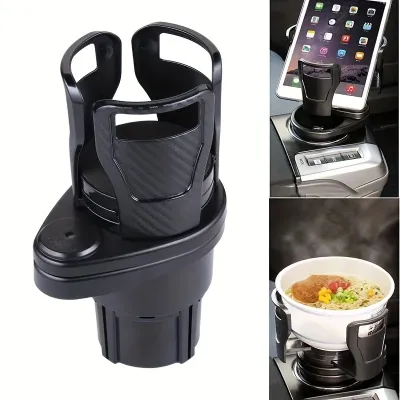
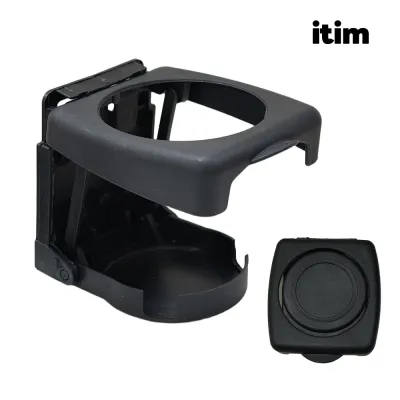
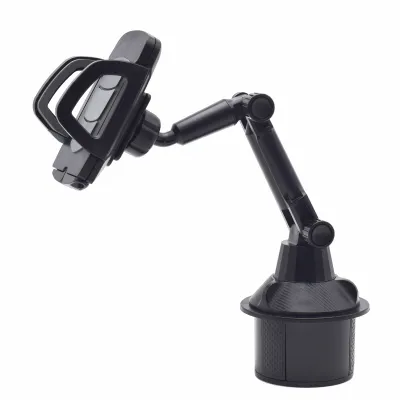
The market offers several distinct designs, including insert-style, mat-style, and clip-on adjustable cup holders. Insert-style holders use an expanding base that locks into your existing console slot, while mat-style options rely on weighted or adhesive bases. Clip-on models attach directly to air vents or door panels. Each type interacts differently with your vehicle’s interior surfaces.
Products mentioned in this guide

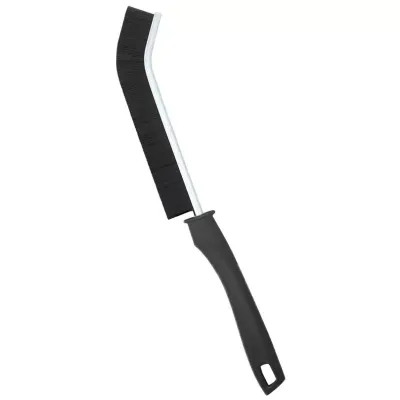
11 Lazada user ratings
Good pwede na, bumili ako ng tatlo nito para sa sasakyan kong dalawa. Sana tumagal at matibay ang item na to
🎨Design:great design, sturdy materials 🔧Ease of Installation:perfect
🔧Ease of Installation:nice
maganda yung product
Prices are valid at publication and may change. Please refer to the product page for the latest price.
Furthermore, physical console dimensions vary significantly even within the same vehicle generation. A base-model sedan might feature a manual handbrake lever that sweeps upward, while a higher trim of the exact same model year might use an electronic parking brake button. This single variation completely alters the available clearance, making exact spatial matching and physical verification of your specific cabin layout absolutely necessary before making a purchase.
How to Measure Your Car's Cup Holder Area for a Perfect Match
To avoid the hassle of returning a product that does not fit, you should take precise measurements of your vehicle’s cup holder area. Start by measuring the internal diameter of your factory slot. Use a sliding caliper for the most accurate reading, or carefully position a flexible measuring tape across the widest part of the opening. Be sure to measure both the top opening and the bottom base, as many factory cup holders are tapered.
Next, measure the depth of the slot. Insert a ruler vertically until it touches the bottom, and note the height. Pay close attention to irregular shapes. Some modern vehicles feature square slots with rounded corners, while others have spring-loaded stabilization tabs inside the slot. If your factory holder has these tabs, measure the distance between them when they are fully compressed, as this represents the actual maximum base diameter your new accessory can have.
After measuring the slot itself, identify the clearance zones surrounding it. Measure the distance from the center of the cup holder to the nearest edge of the gear shifter in both its park and drive positions. Do the same for the handbrake lever when it is fully pulled upward, the center armrest when slid forward, and any nearby infotainment dials or climate control buttons. This step determines the maximum allowable expansion radius for your adjustable holder, especially if you plan to carry large, wide insulated flasks.
Record all of these measurements in millimeters and inches. When browsing product listings on your preferred ecommerce platform, cross-reference your recorded figures directly with the manufacturer’s detailed specification sheets. If a product listing lacks exact base and expansion dimensions, treat it as a compatibility risk and look for a fully documented alternative.
Evaluating Fitment for Popular Cars in the Philippines
When looking at the most common vehicles on Philippine roads, console layouts generally fall into distinct categories based on vehicle size and class. Understanding these general layout characteristics helps narrow down which adjustable mechanisms are most likely to work. However, because trim levels and model years introduce subtle variations, you must always verify your specific vehicle model, year, and mounting position using your vehicle’s official documentation.
Subcompact Sedans (e.g., Toyota Vios, Honda City)
Subcompact sedans like the Toyota Vios and Honda City are designed to maximize cabin space, which often results in closely spaced cup holders positioned directly in front of the center armrest or immediately behind the gear shifter. Because space is tight, a large, top-heavy adjustable cup holder can easily block your access to the air conditioning controls or the lower dashboard storage cubby.
When evaluating these vehicles, check the vertical clearance above the console. If you plan to carry tall, heavy insulated tumblers, ensure the height of the bottle combined with the height of the adjustable holder will not block your view of the infotainment screen or interfere with your hand when shifting gears. For tapered factory slots common in these sedans, an expanding-base holder with adjustable rubber pads is generally more stable than a simple flexible silicone insert, as it can be tightened securely to prevent the top-heavy tumbler from tipping over during sudden stops.
Compact Hatchbacks (e.g., Mitsubishi Mirage)
Compact hatchbacks, such as the Mitsubishi Mirage, feature highly efficient cabins where every centimeter counts. These vehicles often have shallower factory cup holders or rely on integrated slots molded into the lower door panels. A shallow factory slot provides less lateral support, meaning a standard tall adjustable cup holder may wobble or tip over under the weight of a full beverage.
For these layouts, look for shallow-base adjustable holders or specialized mat-style stabilizers that lower the center of gravity. If you are installing an adjustable holder in the center console of a hatchback, pay extra attention to the manual handbrake. Ensure that the expanding mechanism and the outer shell of the holder do not obstruct the full travel of the handbrake lever or block access to the front seat adjustment controls.
Essential Features to Check Before Purchasing
Before purchasing an adjustable cup holder, you must evaluate several physical design features to ensure long-term usability and safety. The base mechanism is the most critical component. Twist-to-expand bases use a mechanical screw system to push out three or four stabilization pads, providing a highly secure fit in round slots. Spring-loaded bases offer self-adjusting convenience but may not hold up as securely under the weight of very large flasks. Flexible silicone flaps are excellent for minor adjustments but lack the structural rigidity needed for heavy containers.
Material quality is another vital consideration, especially given the intense heat and humidity of the Philippine climate. Cabin temperatures can rise significantly when a vehicle is parked under the direct sun. Cheap, low-grade plastics can warp, become brittle, or emit unpleasant chemical odors under these conditions. Look for holders constructed from high-density ABS plastic or polycarbonate blends that specify heat resistance.
To prevent annoying cabin noises, prioritize models equipped with integrated anti-slip pads and vibration-dampening materials. Silicone liners inside the upper holder cup will keep metal tumblers from rattling while driving over uneven road surfaces. Additionally, compare the overall value and budget in ₱. While basic plastic inserts are available for under ₱300, investing in a robust, structurally sound model priced between ₱600 and ₱1,200 often saves money in the long run by protecting your expensive drinks and preventing damage to your vehicle’s console.
Installation Checks and Safety Boundaries
Once you have purchased your adjustable cup holder, performing a series of safety checks during installation is essential. Before placing any drinks in the holder, verify the full range of motion for your gear shifter, manual handbrake, and steering column. Sit in the driver’s seat and shift through every gear—from Park down to Low or Reverse—to ensure your hand and the shifter clear the holder completely. Pull the handbrake to its maximum height to confirm there is no physical interference.
Furthermore, ensure the installed holder does not block side airbags, seatbelt buckles, seat adjustment controls, or emergency exit paths. If the holder is mounted to an air vent, verify that it does not obstruct your forward visibility or block critical dashboard warning lights.
Always observe strict stop conditions: if installing the adjustable cup holder requires excessive force, bends your factory console trim, or requires you to modify the original dashboard structure, abort the installation immediately. Forcing an accessory into place can easily crack expensive interior plastics. If your vehicle’s console has unique design constraints or if you are unsure about compatibility, consult your vehicle owner’s manual for specific weight limits, accessory warnings, or professional installation guidelines.
Frequently Asked Questions (FAQ)
Can I use an adjustable cup holder if my car already has built-in ones?
Yes, aftermarket adjustable cup holders are specifically designed to install directly inside your car’s existing built-in slots. Their primary purpose is to expand the utility of your factory console, allowing you to carry oversized bottles, mugs with handles, or large insulated tumblers that do not fit into standard factory openings. Alternatively, you can use insert-style or mat-style stabilizers to secure smaller items, like slim aluminum cans, which might otherwise tip over in large, loose factory slots.
Will an expanding cup holder damage my car's console plastic?
An expanding cup holder will not damage your console plastic if it is designed and installed correctly. To protect your vehicle’s interior, choose a model that features rubberized, silicone, or high-density foam contact pads on its expanding base. Avoid over-tightening twist-to-expand mechanisms, as excessive outward pressure can crack the surrounding plastic trim. Finally, check the area for stress marks or deformation during the first few weeks of use, and loosen the base slightly if you notice any signs of plastic strain.
Community discussion
Share your experience or ask a question. Comments are reviewed before publication.