
Finding a safe, reliable, and road-legal full-face helmet in the Philippines for under ₱3,000 is entirely possible, but it requires a careful balance of priorities. While premium features like ultra-lightweight carbon fiber or integrated communication systems are reserved for higher price tiers, the budget segment offers several robust options that do not compromise on fundamental safety. The Spyder Astra is one of the most prominent contenders in this price range, but riders should understand how to evaluate its features and compare it against comparable alternatives to make an informed decision.
Selecting a helmet in this price bracket means focusing heavily on structural integrity, proper fit, and local road legality. A helmet is your primary line of defense on the road, and even a highly affordable model must meet strict protective standards to be worth your investment. By understanding what to look for in terms of materials, certifications, and long-term maintenance, you can secure a helmet that keeps you both safe and compliant without breaking the bank.
Setting Realistic Expectations for a ₱3,000 Helmet Budget
When shopping for a full-face helmet within a strict ₱3,000 budget, managing your expectations is crucial for making a safe purchase. At this price point, manufacturers direct their resources toward basic impact protection rather than premium comforts. You can expect a sturdy outer shell typically constructed from injection-molded Acrylonitrile Butadiene Styrene (ABS) or basic polycarbonate blends, paired with a multi-density Expanded Polystyrene (EPS) inner liner designed to absorb crash energy.
Products mentioned in this guide
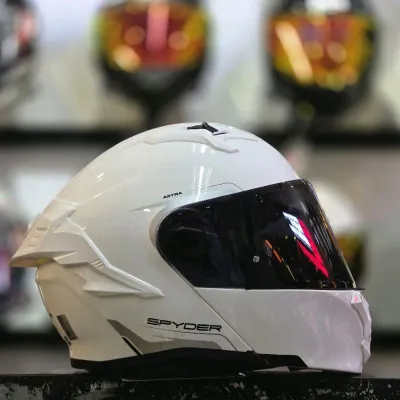
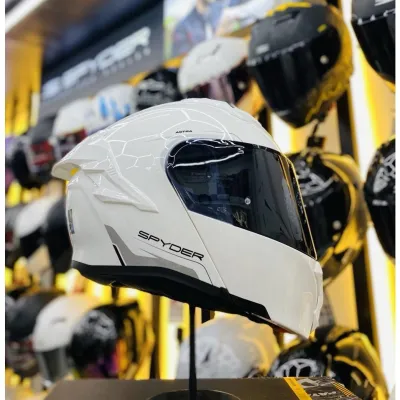
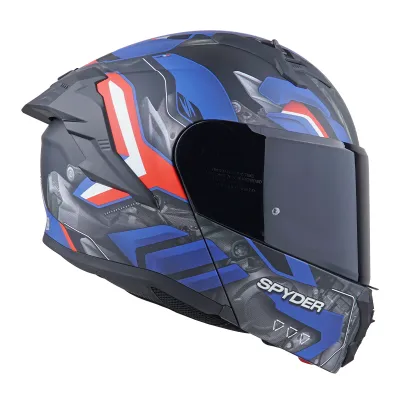
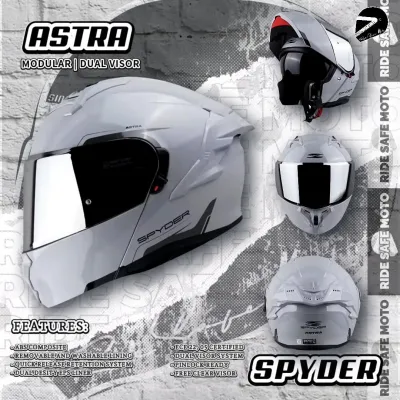
Prices are valid at publication and may change. Please refer to the product page for the latest price.
It is vital to distinguish between non-negotiable safety features and nice-to-have conveniences. Essential elements include a secure, snug fit that matches your head shape, a reliable chin strap retention system (usually a micro-metric quick-release buckle in this price tier), and valid local safety certifications. Features such as emergency quick-release cheek pads, Pinlock-ready high-end visors, advanced wind-tunnel-tested aerodynamics, and premium moisture-wicking interior fabrics are generally absent or highly simplified in this budget range.
In the Philippine riding context, your primary focus must always be on road legality and basic impact performance. A helmet that lacks the appropriate local safety stickers or fails to fit your head securely is never a bargain, regardless of how low the price tag is. Prioritizing structural safety over aggressive styling or flashy graphic designs ensures that your budget is spent where it matters most: protecting your head during an accident.
Evaluating the Spyder Astra: Specs and Safety Checks
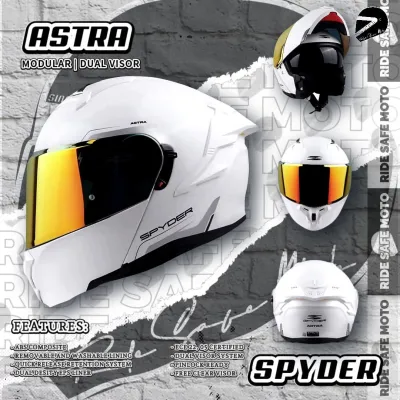
The Spyder Astra is a highly visible option in the local sub-₱3,000 market, favored by daily commuters and weekend riders for its modern, aggressive shell styling and practical feature set. It typically features a dual-visor system—consisting of an outer clear shield and a drop-down inner sun visor—which is highly useful for navigating the contrasting bright sunlight and sudden downpours typical of Philippine weather. The shell is molded from impact-resistant ABS, offering a balanced combination of durability and affordability.

Before purchasing a Spyder Astra, you should perform a physical inspection to verify its build quality and suitability for your daily rides. Check the overall weight of the helmet, which generally ranges between 1,500 and 1,650 grams in this category. While this is heavier than high-end composite fiber helmets, the weight should feel evenly distributed across your head and neck when the helmet is securely fastened, rather than pulling your head forward or backward.
Next, evaluate the interior comfort liner and padding density by pressing firmly on the cheek pads and crown area. The foam should feel firm and resilient, quickly springing back to its original shape rather than collapsing flat under light pressure. Also, inspect the visor mechanism by opening and closing the shield several times; it should operate smoothly, lock firmly into its detents, and press tightly against the rubber eyeport gasket to prevent rainwater from leaking inside during heavy tropical storms.
Most importantly, you must verify the helmet’s safety compliance by locating the official Philippine Standard (PSB) or Import Commodity Clearance (ICC) sticker on the rear of the shell. Do not rely solely on brand reputation or verbal assurances from a retail seller. A genuine sticker features specific holographic elements and a unique serial number that can be cross-referenced with the Department of Trade and Industry (DTI) database to confirm that the specific batch was officially tested and cleared for local road use.
How to Compare Spyder Astra Alternatives
While the Spyder Astra is a popular benchmark, the local market features several competitive alternatives from brands such as LS2, KYT, MT Helmets, and SEC. Finding the best alternative for your specific needs requires looking beyond brand names and comparing helmets across several key performance and safety dimensions.
Safety Certifications and Build Quality
When comparing alternative models, start by analyzing the shell material and construction methods. Most options under ₱3,000 utilize high-pressure thermoplastic technology or standard ABS, but some models incorporate polycarbonate blends that offer slightly better impact resistance at a lower weight. Apply moderate pressure to the sides of the helmet shell; it should feel rigid and exhibit no visible flexing, creaking, or structural weakness.
Ensure that any alternative model carries the mandatory local ICC or PSB sticker for legal operation on Philippine roads. If the manufacturer or distributor claims international certifications such as DOT (US Department of Transportation) or ECE 22.05/22.06 (Economic Commission for Europe), verify these claims by checking for molded or high-quality printed labels on the back of the helmet shell. A legitimate ECE certification, for example, will feature an “E” mark followed by a country code and a specific approval number on the chin strap label.
Always consult the manufacturer’s official documentation to verify the exact safety standards met by the specific model and production year. Never assume a helmet is certified based on generic product listings or online forum discussions.
Fit, Comfort, and Ventilation
A helmet’s protective capability is directly tied to how well it fits your specific head shape, which generally falls into round oval, intermediate oval, or long oval categories. When trying on an alternative helmet, the interior padding should press snugly against your cheeks and forehead without creating painful pressure points. Keep the helmet on for at least five to ten minutes in the store to check for any slow-building headaches or red marks on your skin.
Ventilation is another critical factor given the intense heat and high humidity levels in the Philippines. Inspect the size and placement of the chin vent, forehead vents, and rear exhaust ports. Ensure the vent sliders are easy to operate with gloved hands, and look for deep channels carved into the internal EPS liner, which allow cool air to circulate over your scalp rather than getting trapped inside the helmet.
Visor Clarity and Replacement Costs
Visor quality directly affects your safety during night rides or sudden rainstorms. Look for visors that offer optical clarity without distorting your peripheral vision, and check if they come with factory-applied anti-scratch coatings or basic UV protection. The ratchet mechanism should operate smoothly, allowing you to ride with the visor cracked open slightly for defogging without it slamming shut from the wind.
Before choosing an alternative brand, research the long-term maintenance costs, specifically the price and availability of replacement visors. Visors inevitably get scratched over time from road debris and cleaning, and some budget brands do not maintain a steady supply of spare parts in local physical shops or online marketplaces. If a replacement clear, smoked, or iridium visor costs nearly half the price of the helmet itself or is impossible to find, that model may not be a practical long-term investment.
Hidden Costs and Budget Traps to Avoid
Staying strictly under a ₱3,000 budget requires accounting for expenses beyond the retail price of the helmet. If you are purchasing from online marketplaces, shipping fees and platform transaction surcharges can easily push your final checkout total over the limit. Always calculate these delivery costs beforehand, especially if the seller is shipping from a different region.
Additionally, consider the cost of essential accessories that are rarely bundled with entry-level helmets. In the humid Philippine climate, visor fogging is a common hazard during heavy rain; if the helmet is not compatible with cheap universal anti-fog films or if a compatible insert is expensive, you will need to factor that into your budget. Other small but necessary purchases, such as a breathable balaclava to keep the interior clean, a helmet lock, or a soft carrying bag, can quickly add up.
To maintain your helmet safely, always refer to the manufacturer’s care instructions. Avoid using harsh chemical cleaners, window sprays, or solvents on the shell or visor, as these can degrade the polycarbonate or ABS material and compromise the structural integrity of the EPS liner. Stick to mild soap, warm water, and microfiber cloths as recommended by most manufacturers.
The most dangerous trap in this price tier is the temptation to buy unbranded “replica” helmets or novelty lids designed to mimic high-end racing brands. These counterfeit products are often sold at extremely low prices but are made of cheap, brittle plastics that shatter upon impact, offering virtually zero protection. Riding with a replica helmet not only puts your life at risk but also exposes you to heavy fines from traffic enforcers for violating local helmet laws.
Verifying Authenticity and Buying Safely
To ensure your investment provides genuine protection, always purchase your helmet from authorized physical distributors, official brand flagship stores, or highly rated specialty motorcycle shops on major online marketplaces. Authorized dealers can provide a valid official receipt, which is essential for warranty claims and serves as proof of purchase if you ever need to verify the helmet’s compliance.
When inspecting the helmet, take a close look at the ICC or PSB sticker to confirm its authenticity. Genuine stickers are tamper-evident, meaning they cannot be peeled off and transferred to another helmet without destroying the holographic foil or leaving a distinct pattern behind. If the sticker looks like a simple paper printout, lacks a unique serial number, or is peeling at the edges, treat the helmet as highly suspicious.
Finally, avoid the temptation to buy second-hand helmets, even if a premium model is being offered within your ₱3,000 budget. The internal EPS liner is designed to compress and absorb impact only once; after a crash or a hard drop, the liner loses its protective capability permanently, even if the outer shell looks completely flawless. Because you cannot easily inspect the compressed EPS foam beneath the fabric comfort liner, buying a used helmet means risking your safety on an item that may already be structurally compromised.
Frequently Asked Questions (FAQ)
Is a DOT-certified helmet legal in the Philippines without a PSB/ICC sticker?
No, a DOT-certified helmet is not legally sufficient on Philippine roads if it lacks a visible PSB or ICC sticker. While DOT and ECE are highly respected international safety standards, Republic Act No. 10054 (the Motorcycle Helmet Act) mandates that all motorcycle riders must wear protective helmets carrying the official import clearance or standard stickers issued by the Bureau of Philippine Standards. To avoid costly fines and confiscation at checkpoints, always ensure your helmet has the physical local sticker applied to the shell.
How often should I replace a budget full-face helmet?
Under normal usage conditions, most manufacturers recommend replacing a budget full-face helmet every three to five years. Over time, exposure to intense tropical heat, ultraviolet rays, hair oils, sweat, and cleaning chemicals gradually degrades the outer shell materials, the internal adhesives, and the shock-absorbing EPS liner.
However, this lifespan rule is immediately voided if the helmet experiences any significant impact. If you are involved in a collision, or if the helmet is dropped from a height of more than one meter onto a hard surface like concrete, the EPS liner may have compressed to absorb the energy. Because this damage is often microscopic and invisible from the outside, you must replace the helmet immediately to maintain proper protection.
Community discussion
Share your experience or ask a question. Comments are reviewed before publication.