
Choosing the right 360 car phone holder is a balancing act between visibility, stability, and vehicle compatibility. With various mounting styles available, finding the one that keeps your device secure during daily commutes, sudden stops, and bumpy road conditions requires looking closely at how each type interacts with your car’s interior. Whether you are navigating heavy city traffic or driving along provincial highways, the mounting mechanism you select directly impacts your safety and convenience.
The three primary mounting mechanisms—air vent clips, suction cups, and magnetic arrays—each offer distinct advantages and trade-offs. A 360-degree rotating joint allows you to position your phone in either portrait or landscape mode, which is highly useful for GPS navigation or hands-free calls. However, the ball joint’s flexibility is only as good as the base holding it to your vehicle.
Before spending anywhere from ₱300 for a basic model to over ₱1,500 for a premium brand, it is essential to evaluate how these mounts handle tropical heat, cabin airflow, and road vibrations. By comparing their core mechanics, stability, and installation requirements, you can make an informed decision that keeps your phone secure and your eyes safely on the road.
Products mentioned in this guide
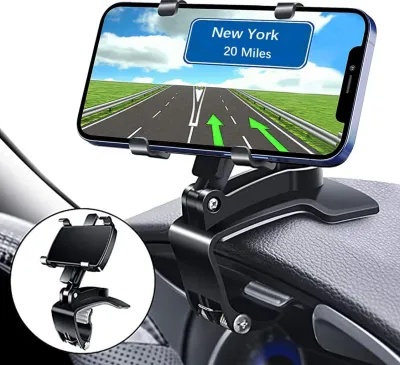
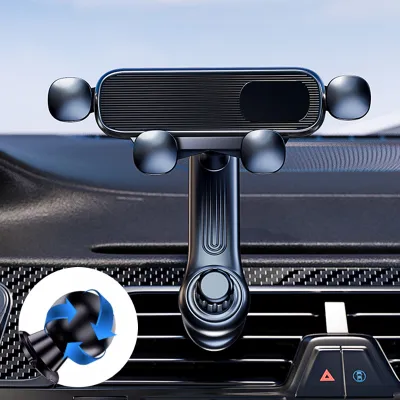
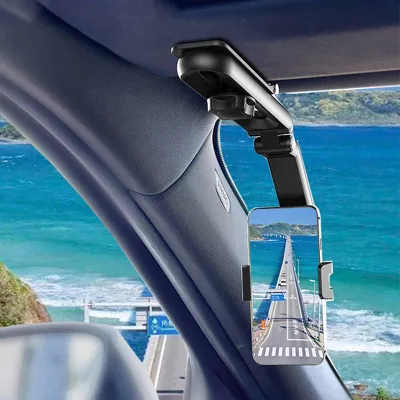
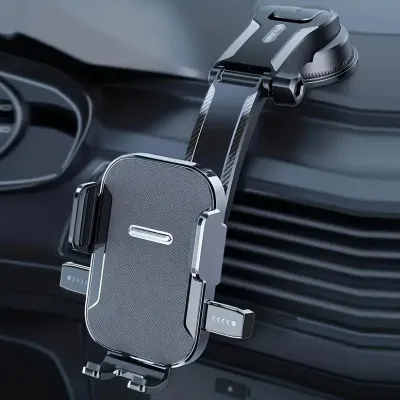
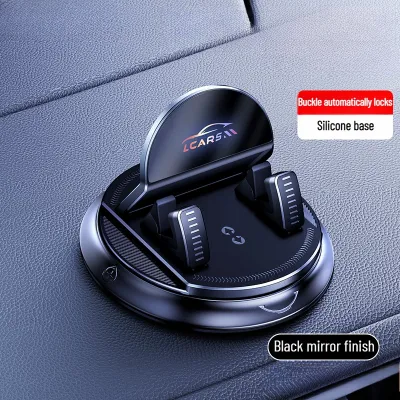
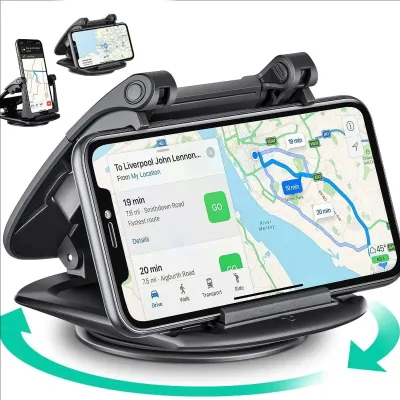
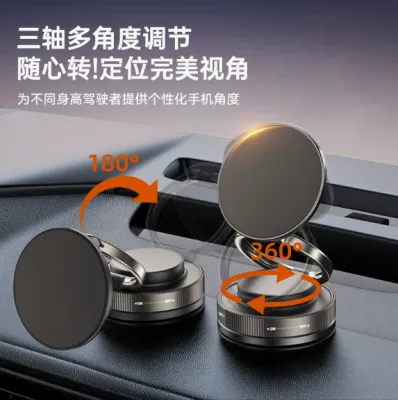
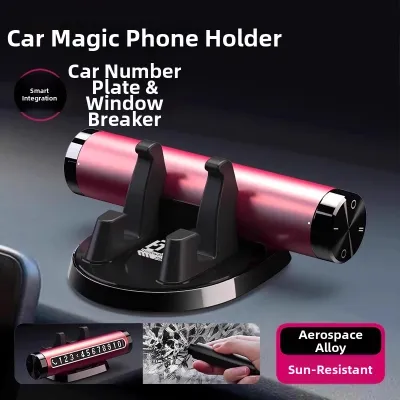
Prices are valid at publication and may change. Please refer to the product page for the latest price.
Core Differences: Air Vent, Suction Cup, and Magnetic Mounts
To choose the right mount, you must first understand how each type physically attaches to your vehicle. Air vent mounts utilize a clip or a hook mechanism designed to grip the horizontal or vertical louvers of your car’s air conditioning vents. Some models feature simple spring-loaded rubberized clamps, while others use a mechanical screw-tightening hook that anchors itself around the back of a single vent slat. This design keeps the phone within easy reach and out of your primary windshield line of sight.
Suction cup mounts rely on a combination of sticky polyurethane gel and vacuum pressure to adhere to smooth surfaces. When you press the mount against your windshield or a flat section of your dashboard and engage the locking lever, it pulls the center of the cup upward. This action creates a powerful vacuum seal that resists downward pulling forces. The sticky gel pad helps fill in microscopic gaps on slightly textured surfaces, though it performs most reliably on completely smooth glass.
Magnetic mounts simplify the mounting process by replacing physical brackets with magnetic attraction. These mounts feature a compact base containing a strong array of permanent magnets. To use them, you must attach a thin, adhesive-backed metal plate to the back of your phone or slide it inside your phone case. Some modern smartphones feature built-in magnetic rings designed to align directly with compatible magnetic mounts, eliminating the need for an external metal plate altogether.
Stability and Vibration Resistance on the Road
Road conditions play a massive role in how stable your phone remains while driving. Air vent mounts are highly dependent on the rigidity of your car’s HVAC louvers. If your vehicle has loose or highly flexible vent slats, a heavy smartphone can cause the entire vent to droop downward, pointing your screen toward the floor. On bumpy roads or when driving over potholes, the constant vibration can cause spring-loaded clips to slowly slide off the plastic slats, potentially dropping your phone.

Suction cup mounts offer excellent stability when mounted on glass, but their performance on dashboards can be unpredictable. In tropical climates with intense sunlight and high humidity, the temperature inside a parked car can rise dramatically. This extreme heat can soften the sticky gel pad and cause the air trapped inside the vacuum chamber to expand, leading the suction cup to lose its seal and fall off. Additionally, textured or curved dashboards allow microscopic air leaks that gradually break the vacuum over time.
Magnetic mounts provide a very secure hold against vertical vibrations, but they can struggle with lateral forces. If you take a sharp turn or make a sudden stop, a heavy phone can slide sideways off the magnetic face, especially if the metal plate is placed under a thick, textured phone case. To ensure stability, the metal plate must have direct or near-direct contact with the magnetic surface, and the magnets must be rated to handle your specific phone’s weight.
Visibility, Airflow, and Dashboard Space Impact
Where you place your phone mount affects both your driving safety and your cabin comfort. Air vent mounts keep your dashboard and windshield completely clear, preserving your forward line of sight. However, they block a significant portion of the airflow from the vent they are attached to. In hot tropical climates, losing a main air conditioning vent can make the cabin feel noticeably warmer. On the positive side, the cold air blowing directly onto the back of your phone can prevent the device from overheating while running demanding GPS navigation apps.
Suction cup mounts are typically placed on the windshield or the top of the dashboard, which positions the phone closer to your natural line of sight. While this makes reading navigation maps easier, it can also create physical blind spots in your field of vision. Depending on local traffic regulations, placing objects on the windshield may be restricted or prohibited if it obstructs the driver’s view. Furthermore, a large suction cup mount occupies valuable dashboard space and can look bulky from outside the vehicle.
Magnetic mounts are highly praised for their minimalist, low-profile design. Because they do not require bulky side clamps or bottom feet, they take up very little space on your dashboard or air vents. This compact footprint preserves your vehicle’s clean interior aesthetics and keeps your sightlines clear. However, because they are small, they often place the phone closer to the mounting surface, which may limit the angle of adjustment if your dashboard has protruding trim pieces.
Installation, Vehicle Compatibility, and Daily Use
Installing your 360 car phone holder should not risk damaging your vehicle’s interior. Air vent mounts are incredibly easy to install and move between cars, making them a favorite for travelers and rental car users. However, they are not compatible with all vent designs. Circular, deeply recessed, or highly stylized vents often lack the flat, sturdy louvers required for a secure grip. Forcing a clip onto a fragile or non-standard vent louver can easily crack the plastic, leading to expensive repairs.
Suction cup mounts require careful surface preparation to achieve a long-lasting seal. Before installation, you must thoroughly clean the mounting area with an authorized cleaner, such as isopropyl alcohol on glass, to remove dust, oils, and dashboard protectants. Over time, the sticky gel pad will accumulate dust and lose its tackiness. To restore its grip, you must remove the mount, wash the gel pad with warm water, let it air dry, and re-seat it according to the manufacturer’s instructions.
Magnetic mounts offer the most convenient daily operation, allowing you to mount and remove your phone with a simple one-handed motion. However, they require a physical modification to your device. If you use wireless charging, placing a metal plate directly over the phone’s internal charging coil will block the electromagnetic field and can cause dangerous heat buildup during charging. To avoid this, you must place the metal plate near the bottom of the phone, use a compatible magnetic phone case, or opt for a mount designed specifically for your phone’s built-in magnetic array.
Decision Framework: Which 360 Car Phone Holder Fits Your Drive?
To choose the right 360 car phone holder, evaluate your vehicle’s layout and your daily driving habits against these specific scenarios:
Choose an air vent mount if your car has sturdy, traditional horizontal vent louvers and you want an easy-to-install option that keeps your windshield completely clear. This style is also highly beneficial if your phone tends to run hot during long drives, as the air conditioning will actively cool the device. However, avoid this type if your car features circular or fragile vents, or if you cannot tolerate reduced airflow in a warm cabin.
Choose a suction cup mount if you prefer having your phone mounted high near your line of sight, or if your vehicle’s air vents are incompatible with clips. This option is best suited for heavy, large-screen smartphones that require a robust, mechanical support system. Ensure you have a flat, smooth glass surface or a dedicated adhesive mounting disk for your dashboard, and be prepared to periodically re-seat the mount to prevent unexpected drops in hot weather.
Choose a magnetic mount if you prioritize a clean, minimalist interior and want the convenience of quick, one-handed mounting. This is the ideal choice if your phone or case already features built-in magnetic compatibility, or if you do not mind adhering a thin metal plate to your device. It is also excellent for maintaining unobstructed AC airflow and a clear windshield view.
Before making your final purchase, always verify your vehicle’s specific dimensions and layout. Check the shape and strength of your AC louvers, inspect your dashboard for textured surfaces, and weigh your phone with its case on. Consulting your vehicle’s owner manual can also help you identify any areas where mounting accessories might interfere with passenger airbags or built-in dashboard displays.
Frequently Asked Questions (FAQ)
Will a magnetic mount interfere with wireless charging or sensors?
Yes, standard adhesive metal plates can interfere with wireless charging if they are placed directly over the phone’s internal charging coil. The metal plate blocks the inductive energy transfer, which prevents charging and can cause the plate to heat up rapidly. To prevent this, place the plate at the very bottom of your phone, or use a phone case with integrated magnetic compatibility designed to work with wireless chargers. Most modern smartphone compasses and GPS sensors are not permanently affected by the small magnets used in car mounts, but you should always check your device manufacturer’s guidelines for specific compatibility warnings.
How do I prevent a suction cup from losing its seal in hot weather?
To maintain a strong vacuum seal in hot climates, start by thoroughly cleaning both the suction cup gel pad and the mounting surface with a lint-free cloth and a mild, surface-safe cleaner to remove all dust and oils. Avoid mounting the suction cup on textured dashboard surfaces that allow air to slowly seep under the gel pad. If possible, park in shaded areas or use a front windshield sunshade to protect the mount from direct, intense sunlight, which can degrade the polyurethane gel. If the mount begins to sag, remove it, wash the sticky gel pad under warm water to remove accumulated dust, let it air dry completely, and re-install it on a cool surface.
Can air vent mounts damage my car's AC louvers?
Yes, air vent mounts can damage your car’s AC louvers if they are installed incorrectly or used on fragile vent designs. Heavy smartphones combined with road vibrations place significant downward leverage on the thin plastic slats, which can cause them to crack or snap. Circular, vertical, or highly stylized vents are particularly vulnerable to damage because they are not designed to support external weight. To minimize the risk of damage, gently test the strength of your vent louvers before committing to a mount, avoid over-tightening mechanical hook clamps, and consider a mount that features an integrated support leg to distribute the phone’s weight onto the surrounding dashboard trim.
Community discussion
Share your experience or ask a question. Comments are reviewed before publication.