
Standard car mounts designed for mobile phones are fundamentally inadequate for holding tablets. When mounting a large, heavy tablet in a vehicle, a heavy-duty suction cup mount with a mechanical locking lever is generally the most secure and reliable choice. Tablets weigh significantly more and have a much larger surface area than smartphones. Standard air vent mounts risk snapping the plastic louvers, while standard magnetic mounts lack the magnetic pull force to keep a tablet secure over bumps. Before buying, drivers must verify the exact weight capacity, arm rigidity, and mounting footprint. This includes evaluating the weight limits and arm designs of specialized options like the SPD by Gaston car mount for tablet to ensure the mounting mechanism is engineered for the heavier payload of a tablet.
Comparing the Three Main Car Mount Mechanisms for Tablets
A tablet introduces unique physical challenges inside a moving vehicle. Unlike a smartphone, which typically weighs between 150 to 250 grams, a standard tablet can easily weigh 450 to 800 grams or more, especially when enclosed in a rugged protective case. This weight, combined with the leverage exerted by a wider screen, multiplies the forces acting on any mounting joint. When driving over uneven road surfaces, speed bumps, or potholes, these forces can easily shear weak plastic joints or cause a mount to fail entirely.
To make an informed decision, it is essential to analyze how air vent, suction cup, and magnetic mounting mechanisms handle these physical demands. Each mechanism has distinct load-bearing capacities, installation requirements, and vulnerabilities to environmental factors like cabin heat and road vibrations.
Products mentioned in this guide
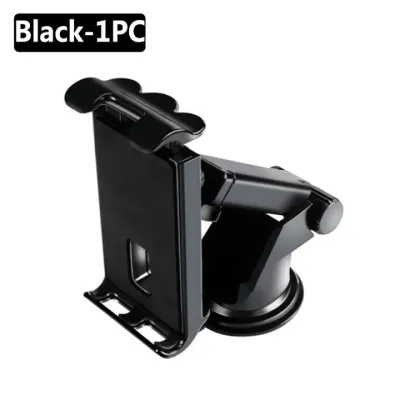
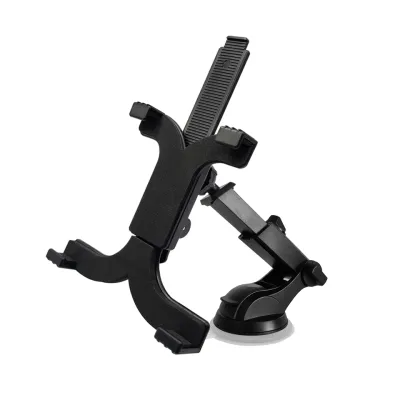
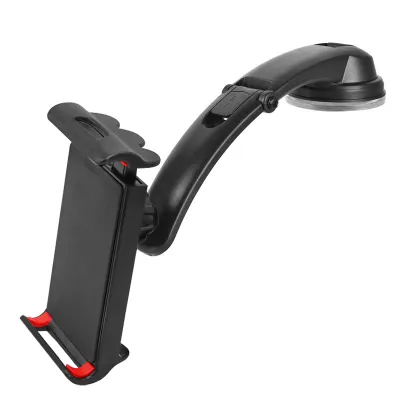
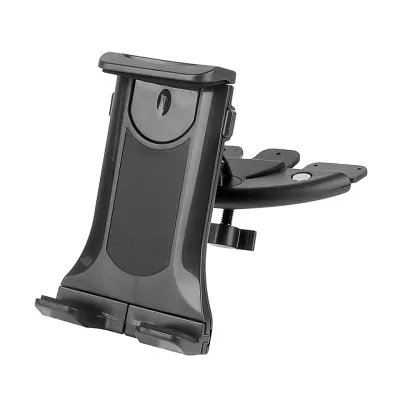
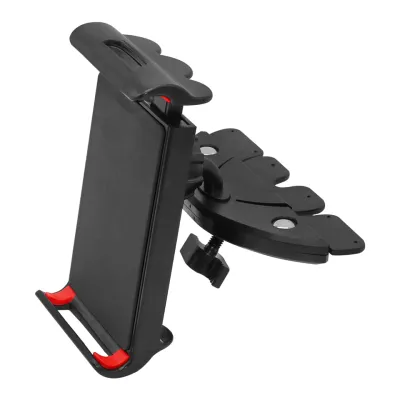
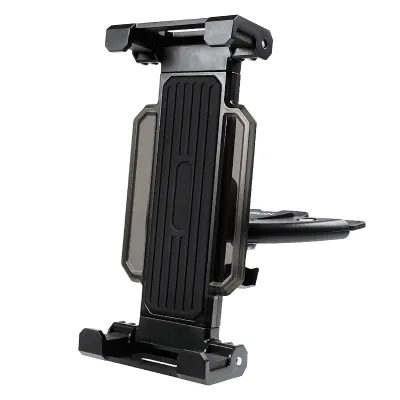
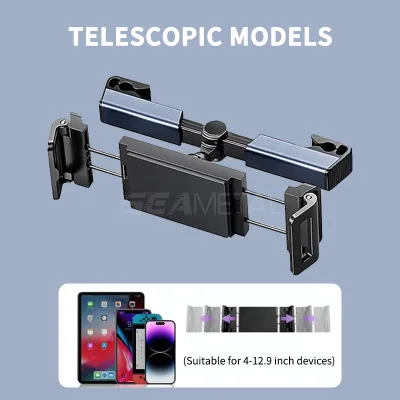
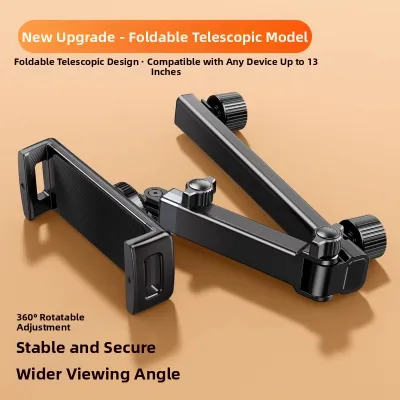
Prices are valid at publication and may change. Please refer to the product page for the latest price.
Air Vent Mounts
Air vent mounts are incredibly popular for smartphones due to their ease of installation and ability to keep devices cool. However, when applied to tablets, the mechanical limitations of this design become immediately apparent. Most vehicle air vent louvers are constructed from thin, lightweight plastic designed solely to direct airflow, not to bear weight. Attaching a heavy tablet to these delicate slats places immense downward leverage on the vent assembly.
Over time, or even during a single sharp bump on uneven roads, this excessive weight can easily crack or completely snap the internal plastic linkages of the vent. Replacing a broken dashboard vent assembly is often a costly and labor-intensive repair, potentially costing anywhere from ₱5,000 to ₱15,000 depending on your vehicle make and model.
Furthermore, blocking an entire air vent with a large tablet screen creates significant comfort issues, particularly in the tropical climate of the Philippines. With year-round high temperatures and humidity, restricting the flow of cool air from the air conditioning system can make the cabin uncomfortable and force the AC system to work harder. Additionally, exposing a tablet directly to continuous hot air from the heater (if used) or blocking the cold air can lead to condensation issues or localized temperature extremes on the back of the device.
If you must consider an air vent mount, it should only be for exceptionally small, lightweight tablets under 300 grams. You must verify that your vehicle’s vent louvers are robust, thick, and ideally horizontal rather than circular or vertical. Circular vents often rotate freely, making it impossible to keep a tablet level or stable while driving.
Suction Cup and Dashboard Mounts
Suction cup mounts are generally the most reliable option for holding larger tablets because they distribute the weight over a much larger surface area. By adhering directly to the windshield glass or a flat, non-porous section of the dashboard, these mounts utilize atmospheric pressure to create a powerful hold. For tablet applications, a simple press-and-stick suction cup is rarely sufficient. A heavy-duty mount must feature a mechanical locking lever that physically pulls the center of the suction cup upward, creating a strong internal vacuum.
The design of the mounting arm is equally critical. Long, flexible gooseneck arms tend to amplify road vibrations, causing the tablet to shake violently while driving, which makes the screen unreadable and strains the mounting joint. Instead, look for mounts with short, rigid, and adjustable plastic or aluminum arms. These minimize leverage and keep the tablet stable, even when navigating rough provincial roads or urban potholes.
One major environmental challenge for suction mounts is extreme cabin heat. When a vehicle is parked under the intense Philippine sun, windshield temperatures can soar, causing the air trapped inside the suction cup to expand and weaken the vacuum seal. Over time, this heat can cause the suction cup to detach unexpectedly, dropping your expensive tablet onto the center console.
To prevent this, drivers should perform periodic maintenance, which includes removing the mount, cleaning both the glass and the silicone pad, and re-applying the suction cup. It is also advisable to avoid cheap mounts that rely on sticky, gel-based adhesive pads on the suction cup. In high-temperature environments, these gels can melt, leaving a stubborn, semi-permanent residue on your dashboard or windshield that is difficult to clean without damaging the interior surfaces.
Magnetic Mounts
Magnetic mounts offer unmatched convenience, allowing drivers to snap their device onto the holder instantly with one hand. However, the viability of a magnetic mount for a tablet depends entirely on the grade and layout of the magnets used. Standard magnetic mounts designed for mobile phones typically use a small array of neodymium magnets. While these are perfectly fine for a 200-gram phone, they lack the magnetic flux and surface area required to hold a 600-gram tablet securely.
Under the influence of road vibrations, sudden braking, or sharp turns, a heavy tablet will easily slide off a standard magnetic mount. This turns the tablet into a dangerous, heavy projectile inside the cabin, risking injury to passengers or damage to the device itself. For a tablet, you must use a specialized, heavy-duty magnetic system specifically engineered for larger payloads. These systems use much larger magnetic plates and require a corresponding metal plate to be adhered to the back of the tablet or its case.
Before choosing this route, you must verify the exact pull-force rating of the magnetic mount to ensure it exceeds the weight of your tablet. Additionally, consider the placement of the metal plate on your tablet. A large steel plate adhered to the back of the device can block wireless charging coils, interfere with the tablet’s internal compass or GPS sensors, and potentially affect near-field communication (NFC) capabilities. Always refer to the tablet manufacturer’s guidelines regarding magnetic proximity to avoid temporary sensor calibration issues.
Critical Safety and Stability Factors for Tablet Mounts
Mounting a device as large as a tablet inside a vehicle is not just a matter of convenience; it is a critical safety consideration. The physical dimensions of a tablet introduce several hazards that do not exist with smaller smartphones.

Vibration and Surface Area: A tablet’s large screen acts much like a sail. When wind from open windows or the vehicle’s climate control hits the device, or when road vibrations travel up through the chassis, the large surface area amplifies these movements. If the mount’s arm is not exceptionally rigid, the constant shaking can loosen the mounting base or cause the clamp to lose its grip.
Airbag Deployment Zones: This is the most crucial safety factor. You must never mount a tablet, or any other device, directly in the deployment path of an airbag. Airbags deploy with explosive force, and any object placed in front of them will be launched toward the occupants at extreme speeds. Consult your vehicle’s owner’s manual to identify the exact locations of the front and side airbags, and ensure the tablet and its mounting arm remain completely clear of these zones.
Driver Distraction and Line of Sight: A 10-inch or 12-inch tablet can easily block a significant portion of the windshield if mounted too high. This creates dangerous blind spots, especially when turning or navigating busy pedestrian crossings. In the Philippines, the Anti-Distracted Driving Act (ADDA) strictly regulates the placement of devices on the dashboard and windshield. To maintain a clear line of sight and remain road-legal, tablets should ideally be mounted lower on the dashboard, near the center console, or in a position that does not rise above the hood line. If the tablet is intended primarily for passenger entertainment rather than driver navigation, consider moving it entirely out of the front cabin. Using a headrest mount in the rear seats is a much safer alternative that keeps the driver’s environment free of distractions.
Decision Framework: Choosing the Right Mount for Your Setup
To select the safest and most effective mounting mechanism for your specific vehicle and tablet setup, follow these practical guidelines:
Choose Suction Cup/Dashboard if:
- You require the tablet for front-seat navigation or dashboard-based applications.
- You select a heavy-duty model featuring a mechanical locking vacuum lever.
- The mount has a short, rigid arm that minimizes vibration.
- You are willing to perform monthly maintenance to clean the mounting surface and re-establish the vacuum seal.
Choose Air Vent if:
- You are using a compact, lightweight tablet (such as an 8-inch mini tablet) that weighs under 350 grams.
- You have verified that your vehicle's air vent louvers are thick, sturdy, and horizontal.
- You are comfortable with losing the airflow from that specific vent in hot weather.
Choose Magnetic if:
- You invest in a specialized, heavy-duty magnetic system with a rated pull force that comfortably exceeds your tablet's weight.
- You do not mind adhering a permanent metal plate to your tablet or its protective case.
- You have verified that the metal plate placement does not interfere with wireless charging or internal sensors.
Consider Alternatives:
- If front-cabin mounting compromises your line of sight or blocks essential controls, look into alternative configurations. For rear-seat passenger entertainment, a dedicated headrest clamp mount is far safer and more stable.
- Additionally, explore specialized options like the SPD by Gaston car mount for tablet. When evaluating such specific products, always cross-reference their mounting dimensions and vehicle compatibility charts to ensure they fit your dashboard layout without blocking airbags or vital controls.
Verify First:
- Before finalizing any purchase, weigh your tablet on a scale with its protective case installed. Many rugged cases add substantial weight that can push a tablet beyond a mount's rated capacity. Compare this total weight against the manufacturer's official weight limit for the mount.
Frequently Asked Questions (FAQ)
Can I use a standard phone mount for a small tablet?
While some standard phone mounts feature spring-loaded clamps that can stretch wide enough to hold an 8-inch tablet, doing so is generally unsafe. Phone mounts are engineered for lighter payloads, meaning their internal springs, ball joints, and mounting bases are not designed to handle the increased leverage of a tablet. Over time, the weight will cause the mount to droop, slip, or detach completely, especially when driving over bumps. Always check the maximum weight capacity in the mount’s specifications, rather than relying solely on the physical clamp width.
How do I prevent a suction cup mount from falling off in hot weather?
To prevent a suction cup mount from failing in hot, humid climates, proper surface preparation is essential. Before installation, clean both the mounting surface (windshield or dashboard) and the suction cup pad thoroughly with rubbing alcohol to remove dust, oils, and plasticizer film. Avoid using water or household glass cleaners, as they can leave a slippery residue. Choose a suction mount equipped with a mechanical locking lever to force out trapped air, and periodically release and re-lock the lever to maintain a strong vacuum seal during extreme seasonal heat.
Community discussion
Share your experience or ask a question. Comments are reviewed before publication.