
Choosing the right car phone holder depends entirely on your vehicle’s interior layout, your climate control needs, and how you interact with your device while driving. There is no single best option; instead, the ideal mount is the one that aligns with your specific dashboard space and daily habits. Air vent clips offer a discreet footprint, suction cups provide flexible placement, and magnetic mounts deliver rapid, one-handed access. By evaluating your car’s vent design, surface textures, and device weight, you can confidently select the mounting mechanism that keeps your phone secure and your eyes on the road.
Navigating daily commutes or long road trips requires a reliable way to view navigation maps without compromising safety. In tropical climates like the Philippines, where intense cabin heat and sudden road vibrations from uneven asphalt are common, your choice of mount affects not only convenience but also device health. A mount that slips during a sudden stop or blocks vital cool airflow can quickly turn a routine drive into a stressful situation.
Understanding the mechanical differences between these three popular mounting styles allows you to make an informed decision. Each system has distinct physical requirements for installation and interacts differently with your vehicle’s interior surfaces. By matching these characteristics to your specific driving environment, you can ensure a stable, long-lasting setup.
Products mentioned in this guide
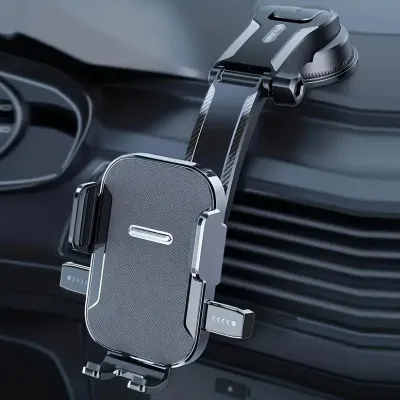


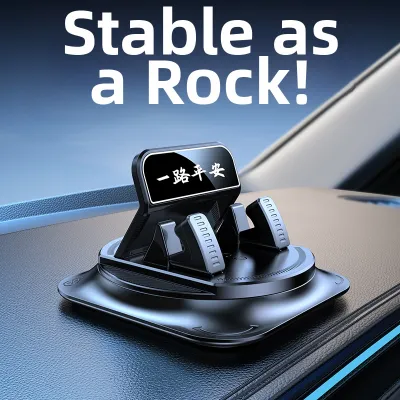
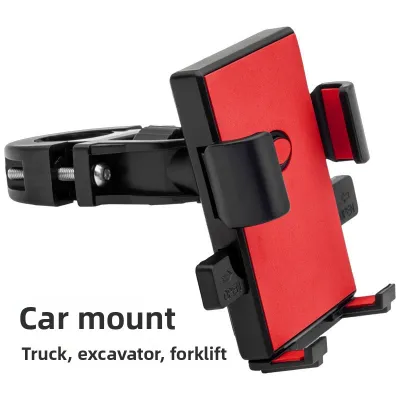
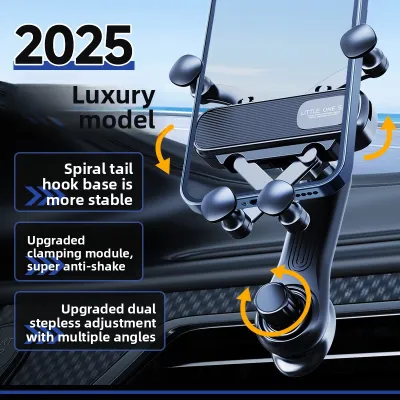
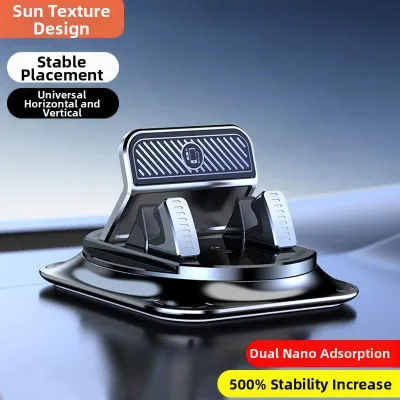
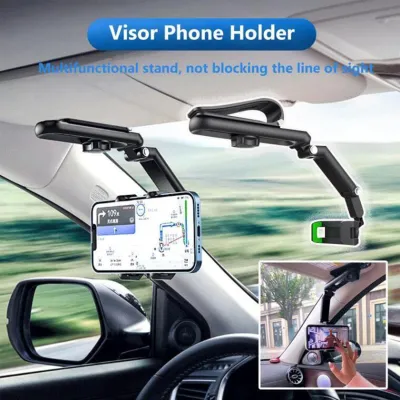
Prices are valid at publication and may change. Please refer to the product page for the latest price.
How Air Vent, Suction Cup, and Magnetic Mounts Work
Air vent mounts attach directly to the individual slats or louvers of your vehicle’s heating, ventilation, and air conditioning (HVAC) system. They typically use a spring-loaded clip, a screw-tightened clamp, or a flexible rubberized prong that grips a single vent blade. This design relies entirely on the structural integrity of the vent assembly to support the weight of both the mount and your phone. Because they sit directly in front of the vent, they position your device within easy reach of the steering wheel.
Suction cup mounts utilize atmospheric pressure to create a secure hold on smooth, non-porous surfaces like the windshield glass or flat sections of the dashboard. Most modern suction mounts feature a polyurethane gel pad combined with a mechanical locking lever. When you press the cup against a surface and engage the lever, it pulls the center of the cup upward, creating a vacuum seal. Some designs include an adjustable telescopic arm to bring the phone closer to the driver.
Magnetic mounts focus on how the phone attaches to the holder rather than how the holder attaches to the car. The base of a magnetic mount can use either an air vent clip, a suction cup, or a semi-permanent adhesive pad to secure itself to the vehicle. The connection to your phone relies on high-strength neodymium magnets built into the mount head, which attract a thin metal plate attached to the back of your phone or tucked inside your phone case.
Key Comparison Dimensions for Your Vehicle and Habits
Selecting the right mount requires balancing several practical factors that directly impact your daily driving experience. You must consider where the mount will sit, how it affects your cabin comfort, and how well it holds up against road vibrations. No single mounting style excels in every category, making it essential to prioritize the features that matter most for your specific vehicle and route.

Dashboard Space and Windshield Visibility
Windshield-mounted suction cups offer excellent eye-level positioning, but they can physically obstruct your view of the road. Depending on your seating position and the slope of your windshield, a large phone mounted on glass can create a significant blind spot. Additionally, you must verify local road safety regulations, as some jurisdictions strictly prohibit placing any objects on the windshield that might interfere with the driver’s line of sight.
If you prefer an unobstructed windshield, air vent and low-profile magnetic mounts keep your dashboard clear. These options position your phone lower, typically level with the center console or instrument panel. While this keeps your forward vision completely clear, it does require you to look slightly downward to check navigation maps, which is an important trade-off to consider for long-distance driving.
Dashboard-mounted suction cups require a completely flat, non-textured surface to maintain a vacuum seal. Many modern vehicles feature textured, soft-touch plastics or curved leather-wrapped dashboards that prevent suction cups from sealing properly. If your vehicle’s dashboard lacks a smooth, hard surface, a vent-mounted option or an adhesive-backed magnetic mount is often a more reliable alternative.
Airflow and Climate Control Interference
In hot tropical climates, maintaining unrestricted airflow from your air conditioning vents is crucial for cabin comfort. Installing an air vent mount inevitably blocks a portion of the cool air coming from the selected vent. If you rely heavily on a specific vent to stay cool during heavy traffic, placing a large smartphone directly in front of it can noticeably reduce the efficiency of your vehicle’s climate control.
Conversely, directing cold air onto your smartphone can actually help keep the device cool during intensive tasks like GPS navigation and continuous charging. However, during cooler seasons or if you travel to high-altitude regions where the vehicle’s heater is active, directing hot air onto the back of your phone can cause the device to overheat rapidly. This thermal stress can degrade your phone’s battery health over time or trigger automatic thermal shutdown.
Suction cup mounts and adhesive-backed magnetic holders completely bypass the HVAC system, leaving your vents free to distribute air throughout the cabin. If your vehicle has limited vent space or if you prefer to keep your climate control fully optimized, mounting your phone on the windshield or a flat dashboard section is the more practical choice.
Device Weight and Bumpy Road Stability
The weight of your smartphone, combined with the thickness of your protective case, plays a critical role in determining mount stability. Heavy, large-screen devices place significant leverage on extended suction cup arms and air vent clips. Over time, this weight can cause vent louvers to sag downward or cause long telescopic arms to vibrate excessively when driving over uneven road surfaces, speed bumps, or potholes.
Air vent clips must be checked regularly to ensure they do not slip off the louvers under the weight of a heavy phone. If your daily route involves rough roads, the constant vibration can gradually loosen the grip of basic spring-loaded clips. Screw-tightened vent clamps generally offer a more secure hold, but they still transfer all road vibrations directly to the delicate plastic components of your vehicle’s vent assembly.
Magnetic mounts offer incredibly fast mounting, but their stability depends entirely on the magnetic force between the holder and the metal plate. If you use a thick, heavy-duty phone case, the distance between the internal metal plate and the mount’s magnets can weaken the hold. For heavy devices, you must ensure the magnetic connection is strong enough to prevent the phone from sliding off when hitting sudden bumps or during hard braking.
Decision Framework: Which Mount Should You Choose?
To finalize your choice, evaluate your vehicle’s interior layout and your personal preferences against this practical decision framework:
- Choose an Air Vent Mount if: You want a compact, low-profile holder that is easy to transfer between vehicles. This option is ideal if your car has sturdy, traditional horizontal vent louvers and you do not mind sacrificing a portion of your air conditioning airflow to keep your dashboard and windshield completely clear.
- Choose a Suction Cup Mount if: You prefer having your phone positioned closer to your natural line of sight near the windshield. This setup works best if your vehicle has a smooth, non-textured dashboard surface or if you are comfortable mounting the device directly to the glass, and you require an adjustable arm to bring the phone within easy reach.
- Choose a Magnetic Mount if: Your priority is ultimate convenience and rapid, one-handed mounting. This is an excellent choice if you frequently get in and out of your vehicle and use a compatible slim case or a dedicated magnetic phone case that does not interfere with your wireless charging setup at home.
- Verify First if: Your vehicle features circular, vertical, or highly flexible vent designs, as standard vent clips may not attach securely. You must also check if your dashboard is made of soft-touch, textured, or leather materials that could be damaged by strong adhesives or suction gel pads.
Installation and Maintenance Checks Before You Buy
Before purchasing any car phone holder, perform a thorough physical inspection of your vehicle’s interior. Examine the shape and depth of your air vents; circular vents or those with extremely thin, fragile plastic slats are generally unsuitable for clip-on mounts. If you opt for a vent mount, look for designs that feature supporting legs or stabilization brackets to distribute the weight of the phone across the surrounding dashboard trim rather than relying solely on a single louver.
For suction cup or adhesive installations, proper surface preparation is critical to prevent the mount from falling off during travel. Clean the mounting area thoroughly using a mild, non-abrasive interior cleaner approved by your vehicle’s manufacturer. Avoid using household glass cleaners or harsh chemical solvents on soft-touch plastics, as these can strip away protective coatings or cause permanent discoloration. Ensure the surface is completely dry and free of dust, oils, or dashboard polishes before applying the suction cup or adhesive pad.
If you select a magnetic mount, carefully plan the placement of the metal plate on your device. Placing a standard metal plate directly over the center of your phone can block the inductive coils used for wireless charging, rendering your home charging pads unusable. To avoid this, consult your phone manufacturer’s documentation to locate the wireless charging coil, and position the metal plate either at the very bottom of the device or use a specialized, ring-shaped magnetic plate designed to work with wireless chargers.
Finally, always consult your vehicle owner’s manual regarding the care and maintenance of your dashboard materials. Some premium materials, such as genuine leather or delicate synthetic wraps, can stretch, discolor, or peel if subjected to the strong suction of polyurethane gel pads or the high-strength adhesives used for semi-permanent mounts. Taking the time to verify material compatibility beforehand will protect your vehicle’s resale value and ensure a safe, secure installation.
Frequently Asked Questions (FAQ)
Do magnetic car phone holders interfere with wireless charging?
Yes, standard solid metal plates will block the inductive signals required for wireless charging and can cause dangerous heat buildup if left on the phone during charging. To prevent this, you should place the metal plate away from the charging coil area, use a removable phone case for driving, or opt for specialized magnetic mounting systems that feature open-ring designs compatible with your device’s wireless charging standards.
Can suction cup mounts damage my dashboard?
Yes, suction cups featuring sticky polyurethane gel pads can leave permanent oily rings, discoloration, or even tear soft-touch dashboard materials upon removal. To protect your vehicle’s interior, always use the plastic adhesive mounting disc supplied by the manufacturer rather than applying the gel pad directly to a sensitive dashboard surface, and follow your vehicle manufacturer’s guidelines for interior material care.
Community discussion
Share your experience or ask a question. Comments are reviewed before publication.