
Securing your smartphone while driving is essential for safe navigation, hands-free communication, and keeping your eyes on the road. However, there is no single “best” car phone holder for every driver. The ideal choice depends on your vehicle’s dashboard layout, the design of your air vents, your local climate, and your daily driving habits. In tropical environments like the Philippines, where cabin heat can soar during midday parking and road surfaces vary from smooth highways to bumpy provincial streets, choosing the wrong mounting mechanism can lead to dropped devices, damaged vents, or obscured vision.
To make an informed purchase, you must weigh the trade-offs of the three primary mounting styles: air vent clips, suction cups, and magnetic attachments. Suction cups offer flexible placement and robust support for heavy devices but face challenges under intense sunlight. Air vent mounts keep your phone cool and your dashboard clear but can restrict airflow or strain fragile plastic louvers. Magnetic mounts provide unmatched speed and simplicity but require specific phone compatibility or adhesive plates. Understanding these physical differences will ensure you choose a mount that stays secure on every journey.
Air Vent Car Phone Holders: Pros, Cons, and Best Use Cases
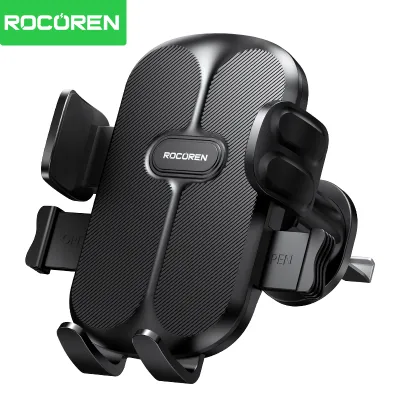
Air vent car phone holders attach directly to your vehicle’s air conditioning louvers. They typically use a spring-loaded clamp, a mechanical jaw, or a screw-tightened hook that grips a single vent blade. This mounting position places the phone within easy reach and clear sight without requiring adhesive on the dashboard or suction on the windshield.
Products mentioned in this guide

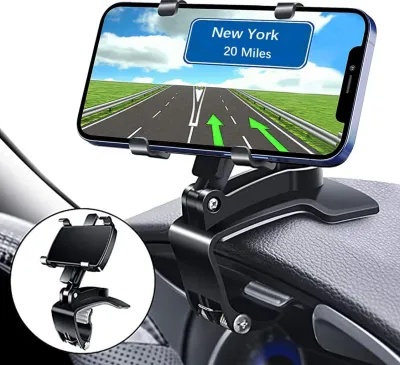
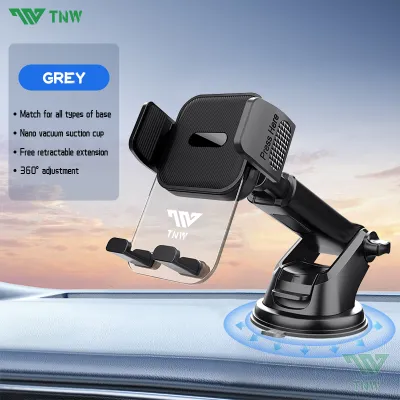
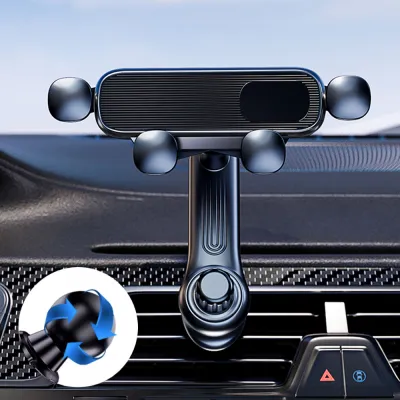
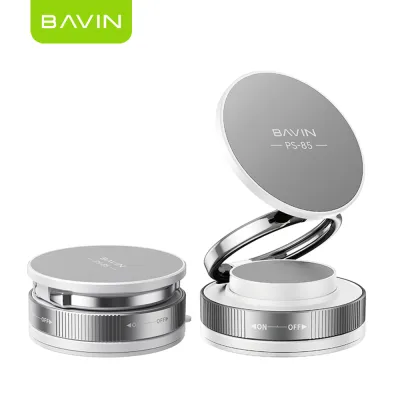
Prices are valid at publication and may change. Please refer to the product page for the latest price.
The Advantages of Air Vent Mounts
- Active Device Cooling: Running GPS navigation, streaming music, and charging a phone simultaneously generates significant internal heat. In hot and humid climates, this heat can cause smartphones to thermal throttle, dim their screens, or shut down entirely. Placing the device directly in front of an AC vent keeps it cool, preserving battery health and performance.
- Clear Forward Visibility: By occupying the space in front of the air vents, these mounts keep your windshield and upper dashboard completely unobstructed. This helps you maintain a clear line of sight through the glass and ensures compliance with strict local road safety regulations regarding windshield obstructions.
- Compact and Portable Design: Air vent mounts are generally small and lightweight. They are easy to install, remove, and pack, making them excellent options for business travelers or commuters who frequently swap between personal vehicles, rental cars, or ride-sharing vehicles.
The Limitations of Air Vent Mounts
- Restricted Cabin Airflow: Blocking one of your primary air vents can noticeably reduce the volume of cold air reaching the cabin, which can compromise passenger comfort during hot midday drives.
- Risk of Vent Damage: Modern smartphones are increasingly heavy. The constant weight of a large device, combined with road vibrations and potholes, puts physical strain on the thin plastic louvers of your air vents. Over time, this pressure can crack or snap the louvers, leading to costly dashboard repairs.
- Compatibility Restrictions: These mounts require standard, sturdy, horizontal or vertical rectangular vent blades. They are generally incompatible with circular, deeply recessed, vertical-slat, or uniquely styled vents found in certain modern or luxury vehicle models.
- Overheating Risk with Heater Use: While rare in tropical climates, if you travel to colder high-altitude regions and turn on the vehicle's heater, the warm air blowing directly onto the back of the phone can cause the device to overheat rapidly.
Best Use Cases
This mounting style is best for drivers who own vehicles with standard, robust horizontal vent louvers and who prioritize keeping their devices cool during long, demanding navigation sessions. It is also ideal for those who prefer a minimalist interior setup that keeps the dashboard and windshield entirely clear of accessories.
Suction Cup Car Phone Holders: Pros, Cons, and Best Use Cases
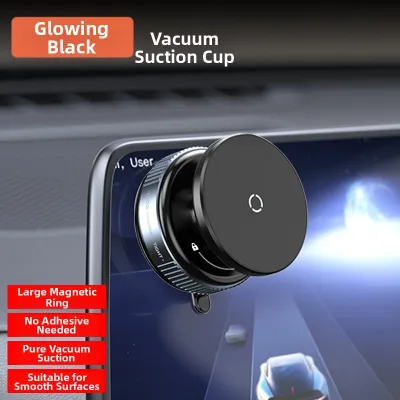
Suction cup mounts rely on a mechanical vacuum seal to adhere to smooth surfaces. They are designed to attach either directly to the glass of the front windshield or to the flat, smooth sections of the dashboard. Many modern suction mounts feature a sticky polyurethane or silicone gel pad on the cup to help create a seal on slightly textured surfaces, often supplemented by a semi-permanent adhesive plastic disk.

The Advantages of Suction Cup Mounts
- Highly Adjustable Positioning: Most suction cup mounts feature long telescopic arms, multi-angle hinges, and 360-degree ball joints. This allows you to position your phone precisely where you need it, bringing the screen closer to your natural line of sight to minimize eye strain.
- Robust Physical Support: The vacuum seal provides a highly stable hold capable of supporting large, heavy smartphones, rugged protective cases, or even small tablets. Because the weight is distributed across a wide suction base, there is less risk of mechanical failure on standard roads.
- Unimpeded HVAC Performance: Mounting your phone on the glass or dashboard leaves your air vents completely free, ensuring maximum airflow and cooling efficiency throughout the vehicle cabin.
The Limitations of Suction Cup Mounts
- Vulnerability to Solar Heat: Direct sunlight shining through the windshield can heat the glass and the suction cup to extreme temperatures. This heat causes the air trapped inside the vacuum chamber to expand, which can degrade the adhesive gel and cause the mount to fall off unexpectedly while driving.
- Potential Dashboard Damage: The combination of strong vacuum pressure and sticky silicone gel can leave permanent rings, discoloration, or sticky residue on your dashboard. On soft-touch plastics, vinyl, or leather-wrapped surfaces, removing a suction cup can stretch or tear the material.
- Visual Obstructions: A large suction arm mounted on the windshield can block critical angles of view, creating blind spots. Depending on how and where it is positioned, it may violate local traffic laws governing windshield clutter.
Best Use Cases
Suction cup mounts are ideal for drivers who operate vehicles with deep dashboards, vertical windshields, or incompatible air vents. They are highly suited for those who use larger, heavier devices and require precise, adjustable positioning to keep the screen within their peripheral vision without looking down.
Magnetic Car Phone Holders: Pros, Cons, and Best Use Cases
Magnetic car phone holders simplify the docking process by replacing mechanical clamps with high-strength neodymium magnets. The mount head features a magnetic array that attracts a thin metal plate. This plate is either adhered to the back of your phone, placed inside your phone case, or built directly into the phone’s internal chassis, such as Apple’s MagSafe or Qi2-compatible standards.
The Advantages of Magnetic Mounts
- Effortless One-Handed Operation: Magnetic mounts offer the fastest attachment and detachment process available. You simply place your phone near the mount head, and the magnets snap it securely into position. There are no side clamps to squeeze or release buttons to press.
- Minimalist Aesthetic: The mounting head of a magnetic holder is incredibly compact. When your phone is not mounted, the holder remains unobtrusive, preserving the clean lines of your car's interior dashboard.
- Universal Device Compatibility: Because the connection relies on a simple metal-to-magnet interface, magnetic mounts can hold virtually any smartphone model regardless of its physical dimensions, button layout, or port locations.
The Limitations of Magnetic Mounts
- Required Metal Plates for Older Devices: If your phone does not have a built-in magnetic array, you must stick an external metal plate to the back of your phone or case. This plate can look unsightly, add thickness, and prevent the phone from laying flat on flat surfaces.
- Wireless Charging Interference: Placing a metal plate directly over your phone's internal induction coil will block standard Qi or Qi2 wireless charging. Attempting to charge wirelessly through a metal plate can cause dangerous heat buildup and damage your phone's battery.
- Slippage on Harsh Terrain: On exceptionally bumpy roads, deep potholes, or gravel paths, heavy phones can slide off the magnetic face. This is especially true if you place the metal plate inside a thick phone case, which weakens the magnetic pull.
Best Use Cases
This mounting style is best for daily commuters, delivery drivers, and ride-sharing operators who frequently enter and exit their vehicles and require rapid, hassle-free mounting. It is also the premier choice for owners of modern smartphones with integrated magnetic charging ecosystems who want to avoid external plates and bulky mechanical clamps.
Head-to-Head Comparison: Stability, Space, and Phone Safety
Choosing between these three mounting styles requires evaluating how each type handles road vibrations, cabin space, and the physical safety of your mobile device.
| Mounting Type | Stability on Bumpy Roads | Dashboard Space Used | Phone Cooling/Heating Risk | Installation Effort |
|---|---|---|---|---|
| Air Vent | Moderate (dependent on vent blade strength) | None (attaches to existing vents) | Excellent cooling (AC on); High heat risk (AC off/heater on) | Very Low (clip-on mechanism) |
| Suction Cup | High (when vacuum seal is fully intact) | High (occupies windshield or dash surface) | High overheating risk from direct greenhouse solar heat | Moderate (requires surface preparation) |
| Magnetic | Moderate to High (dependent on magnet strength) | Low to Moderate (depends on base type) | Low (minimal contact, but base placement dictates exposure) | Low to Moderate (requires plate placement) |
Stability on Bumpy Roads
Mechanical suction cups and high-quality air vent clips generally offer the most secure physical grip for heavy devices. Because they physically cradle or clamp the phone, they prevent the device from falling even during sudden stops or severe road vibrations. Magnetic mounts rely entirely on magnetic attraction and friction. If you drive frequently on unpaved roads or over speed bumps, a magnetic mount requires a direct, unobstructed connection between the magnet and the metal plate to prevent the phone from sliding off.
Phone Safety and Environmental Exposure
Environmental factors play a massive role in phone safety. Windshield-mounted suction cups expose your phone to direct sunlight, which acts like a greenhouse. This exposure can quickly raise device temperatures to thermal shutdown limits, accelerating battery degradation.
Conversely, air vent mounts leverage your vehicle’s air conditioning to keep the phone exceptionally cool. However, you must be cautious of sudden temperature swings; bringing a freezing cold phone out of an air-conditioned cabin into hot, humid outdoor air can cause minor moisture condensation on the phone’s exterior surfaces. Magnetic mounts are completely safe for modern smartphone storage and internal electronics, but you must position the metal plate carefully to avoid blocking NFC sensors or wireless charging coils.
How to Choose the Right Mount for Your Car and Driving Habits
To select the perfect car phone holder, evaluate your vehicle’s physical layout alongside your daily routine. Use the following decision framework to guide your purchase:
Choose an Air Vent Mount If:
- Your vehicle features standard, sturdy horizontal or vertical rectangular vent louvers.
- You live in a hot climate and use intensive navigation apps that cause your phone to run hot.
- You want a clean, clutter-free dashboard and windshield with zero adhesive residue.
- You want a budget-friendly option, with reliable basic models typically ranging from ₱300 to ₱800.
Choose a Suction Cup Mount If:
- Your phone is exceptionally large or heavy, or you use a thick, rugged protective case.
- Your car's air vents are circular, fragile, deeply recessed, or otherwise incompatible with clips.
- You need to position your phone closer to your line of sight or at a specific custom angle.
- You are comfortable spending between ₱500 and ₱1,500 for a heavy-duty, adjustable telescopic arm.
Choose a Magnetic Mount If:
- You prioritize speed and want to mount or remove your phone instantly with one hand.
- You own a modern smartphone with a built-in magnetic charging array (like MagSafe or Qi2).
- You prefer a highly compact, minimalist mount head that does not disrupt your interior styling.
- You are willing to invest in premium magnetic systems, which range from ₱800 for basic dash mounts to over ₱2,500 for active-cooling wireless charging models.
Crucial Verification Steps Before Buying
Before finalizing your purchase, verify local road safety regulations. For example, in the Philippines, the Republic Act No. 10913 (Anti-Distracted Driving Act) strictly regulates the placement of mobile devices. Your phone mount must not block your direct line of sight through the windshield or interfere with the deployment zones of your vehicle’s airbags.
Additionally, inspect your vehicle’s owner manual for specific care instructions regarding dashboard materials. Soft-touch plastics, synthetic vinyl, and leather can react chemically with the sticky silicone gel pads used on suction cups or the strong adhesives on magnetic bases, leading to permanent discoloration or structural warping. If your dashboard material is delicate, a windshield suction mount or an air vent mount is a much safer alternative to protect your car’s interior value.
Frequently Asked Questions (FAQ)
Do magnetic car phone holders damage phone batteries or internals?
No, magnetic car phone holders will not damage modern smartphone batteries, screens, or internal solid-state storage. Modern mobile devices do not rely on magnetic hard drives, so the small neodymium magnets used in car mounts are completely safe. However, if you use a non-compatible phone and must attach an external metal plate, ensure it is not placed directly over the phone’s internal wireless charging coil, as this can block Qi/Qi2 charging and cause dangerous heat buildup. The metal plate may also temporarily interfere with your phone’s digital compass or NFC payment sensors while mounted.
Why does my suction cup phone mount keep falling off in the heat?
Suction cup mounts often fall off in hot weather because extreme solar heat warms the glass windshield, causing the small amount of air trapped inside the suction cup’s vacuum chamber to expand. This expansion breaks the airtight seal, causing the mount to drop. To prevent this, thoroughly clean the mounting surface with isopropyl alcohol before installation to remove dust and oils. Alternatively, use an adhesive dashboard disk to mount the suction cup on a cooler surface, park in shaded areas when possible, or switch to a mechanical air vent mount to avoid heat-related suction failures.
Community discussion
Share your experience or ask a question. Comments are reviewed before publication.