
Finding the right cellphone holder for cars is not about choosing a universally superior product, but rather matching a mounting mechanism to your specific vehicle interior, phone dimensions, and daily driving habits. The three primary designs—air vent clips, suction cups, and magnetic mounts—each offer distinct physical interfaces that affect how securely your device is held and how easily you can view it while driving. Air vent mounts clip directly onto the plastic slats of your air conditioning system, keeping the phone within easy reach and out of your windshield view. Suction cup mounts adhere to glass or smooth dashboard surfaces using vacuum pressure, allowing for highly customizable positioning. Magnetic mounts rely on a magnetic connection between a base and a metal plate attached to your phone or case, offering the fastest mounting action. To make an informed decision, you must evaluate these options based on three core criteria: stability on uneven roads, impact on your line of sight, and the effort required for installation and daily use.
Air Vent Mounts: Strengths, Limits, and Ideal Scenarios
Air vent mounts are highly favored for their low-profile design and ease of installation. Because they clip directly onto the existing air conditioning vents, they do not require adhesives or suction bases, making them incredibly easy to move between vehicles. This positioning typically keeps your phone at a comfortable height—below the dashboard line but high enough to glance at navigation maps without taking your eyes completely off the road. It also places the device within arm’s reach, allowing you to interact with your phone safely when parked.
However, compatibility is a major limitation for vent-mounted holders. These clips are designed primarily for standard horizontal or vertical vent slats. If your vehicle features circular, turbine-style, or highly angled vents, standard clips may fail to grip securely or may slide off entirely. Furthermore, some modern vehicles use exceptionally thin or fragile plastic blades that can bend or snap under the combined weight of a heavy smartphone and a clamping mount. Before choosing this style, inspect your vehicle’s vent design and gently test the rigidity of the slats.
Products mentioned in this guide
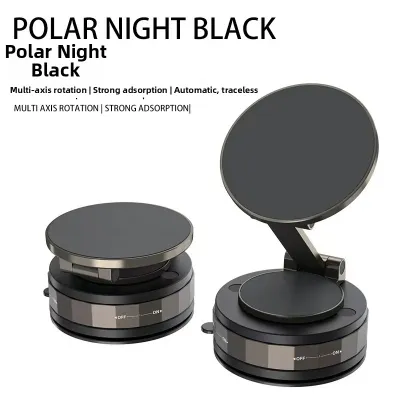

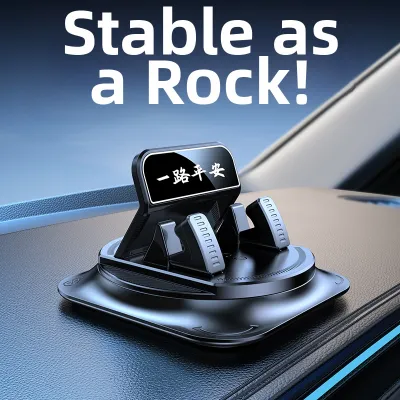

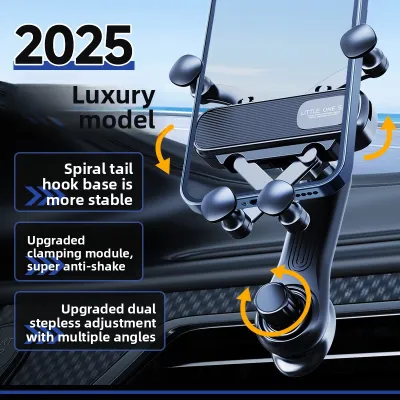
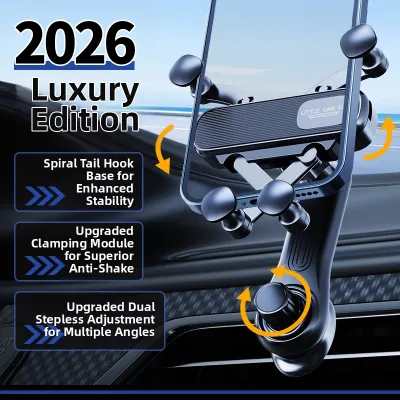
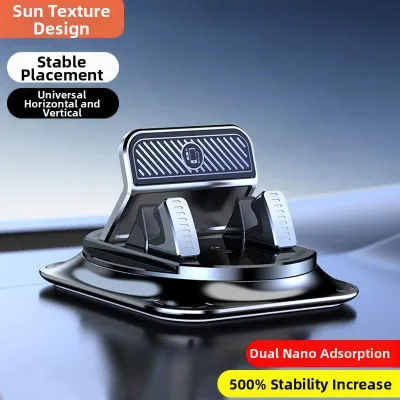
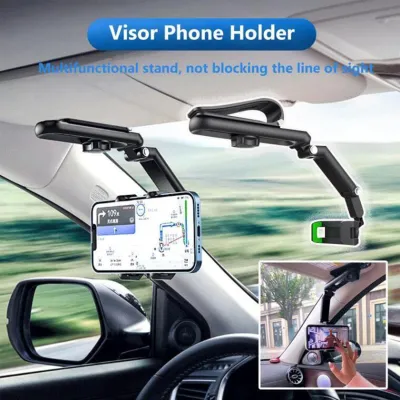
Prices are valid at publication and may change. Please refer to the product page for the latest price.
Another critical factor is the impact on your cabin’s climate control. A vent mount inevitably blocks a portion of the airflow from the chosen register. In tropical climates where air conditioning is vital for passenger comfort, losing a primary vent can noticeably affect cabin cooling. Conversely, during cooler seasons or in regions where you might run the vehicle’s heater, blowing hot air directly onto the back of a mounted smartphone can cause the device to overheat, trigger thermal shutdown, or degrade battery health over time.
Suction Cup Mounts: Strengths, Limits, and Ideal Scenarios
Suction cup mounts offer unparalleled flexibility in placement, allowing you to mount your phone on either the windshield or the dashboard. This versatility is particularly useful if your vehicle’s dashboard layout lacks accessible vents or flat surfaces. By placing the mount on the windshield, you can position your phone closer to your natural line of sight, which can make following GPS directions more comfortable. Many suction mounts feature telescoping arms and rotating joints, giving you precise control over the angle and distance of your device.

Despite their versatility, suction cup mounts face significant challenges related to surface compatibility and environmental conditions. Windshield mounting is generally straightforward on clean glass, but dashboard mounting requires a completely smooth, non-porous surface. Textured plastics, soft-touch materials, and leather-wrapped dashboards often prevent a proper vacuum seal, causing the mount to fall off repeatedly. Many manufacturers include an adhesive gel pad to bridge these texture gaps, but these pads may not adhere permanently to all dashboard treatments.
Environmental heat is another major factor affecting suction reliability. In regions with intense sunlight and high ambient temperatures, the air inside a parked car can heat up dramatically. This extreme heat can cause the air inside the suction cup to expand, weakening the vacuum seal and causing the mount to drop. Over time, UV exposure can also degrade the rubber or silicone cup, making it brittle. To maintain a secure hold, you must periodically clean both the suction cup and the mounting surface with mild soap and water, allowing them to dry completely before re-establishing the vacuum seal. Additionally, you must ensure that windshield placement complies with local traffic laws, such as the Anti-Distracted Driving Act in the Philippines, which prohibits placing devices within the driver’s direct line of sight or in areas that obstruct a clear view of the road.
Magnetic Mounts: Strengths, Limits, and Ideal Scenarios
Magnetic car phone holders are celebrated for their unmatched convenience and minimalist aesthetic. Instead of adjusting mechanical clamps or cradles every time you enter the vehicle, you simply place your phone against the magnetic pad, and it snaps into place instantly. This seamless, one-handed operation makes magnetic mounts highly appealing for drivers who frequently get in and out of their vehicles. The mounting bases themselves are often very compact, utilizing either a vent clip, a small adhesive pad, or a suction cup to attach to the car.
The primary trade-off of a magnetic system is the requirement for a metal plate on your device. For the magnet to work, you must adhere a thin steel plate directly to the back of your phone, slide it inside your phone case, or use a specialized magnetic-compatible case. If you use a thick, rugged, or dual-layer protective case, the magnetic pull may be significantly weakened, increasing the risk of your phone slipping off during sudden stops, sharp turns, or when driving over potholes and speed humps.
Furthermore, you must consider how the metal plate or magnetic field interacts with your phone’s internal hardware. Placing a metal plate directly over the wireless charging coil of a smartphone will block wireless charging capabilities and can cause dangerous heat buildup if used on a wireless charger. If you rely on wireless charging, you must position the plate carefully at the bottom of the device or opt for a system specifically designed to align with your phone’s built-in magnetic array. It is also wise to check your smartphone manufacturer’s guidelines regarding magnetic accessories, as strong magnets can occasionally interfere with internal digital compasses or optical image stabilization systems in cameras.
Side-by-Side Comparison and Decision Framework
To help you visualize how these three mounting types compare across key performance areas, review the comparison matrix below. This table evaluates each option based on general design characteristics, assuming proper installation on a compatible surface.
| Evaluation Criteria | Air Vent Mounts | Suction Cup Mounts | Magnetic Mounts |
|---|---|---|---|
| Installation Effort | Extremely Low (Clip-on) | Moderate (Surface prep required) | Low to Moderate (Requires plate setup) |
| Stability on Rough Roads | Moderate (Dependent on vent stiffness) | High (On glass) to Moderate (On textured dash) | High (With strong magnets and thin cases) |
| Line-of-Sight Impact | Low (Keeps windshield clear) | High (Can block windshield view) | Low to High (Depends on base attachment) |
| Vehicle Compatibility | Limited by vent slat design | Limited by dashboard texture | Highly versatile (Multiple base options) |
| Device Compatibility | Fits most standard clamp widths | Fits most standard clamp widths | Requires metal plate or compatible case |
To finalize your choice, apply this conditional decision framework based on your specific driving environment and vehicle setup:
- Choose an Air Vent Mount if your vehicle has sturdy, traditional horizontal vent slats, you want to keep your windshield completely unobstructed, and you prefer a mount that can be uninstalled in seconds without leaving adhesive residue.
- Choose a Suction Cup Mount if you prefer your phone positioned closer to eye level, your dashboard has a smooth or glass surface nearby, and you do not mind performing occasional maintenance to keep the vacuum seal clean and secure.
- Choose a Magnetic Mount if you prioritize quick, one-handed mounting, you do not mind attaching a metal plate to your phone or case, and you want a sleek, low-profile look that does not clutter your dashboard.
- Verify first if your phone's weight exceeds the rated capacity of the mount, or if your preferred mounting location interferes with safety equipment like passenger airbags or your vehicle's physical control knobs.
Pre-Purchase Compatibility and Safety Checklist
Before purchasing a cellphone holder for cars, run through this practical checklist to ensure a safe, legal, and reliable installation:
- Check Weight and Dimensions: Compare your smartphone's total weight (including its case) against the mount's maximum load capacity. Heavy, large-format phones often require heavy-duty suction cups or reinforced vent clips to prevent sagging.
- Inspect the Installation Surface: Touch your dashboard to check for texture. If it is textured or made of soft leather, avoid standard suction cups unless a specialized adhesive dashboard pad is included. For vent mounts, ensure the slats are thick enough to handle clamping pressure.
- Map Out Safety Zones: Never install a phone holder within the deployment zone of any airbag, including steering wheel, passenger-side, or side-curtain airbags. Refer to your vehicle's owner manual to locate these safety zones.
- Review Local Regulations: Ensure your chosen mounting position complies with local traffic laws. For example, under the Anti-Distracted Driving Act in the Philippines, any device mounted on the windshield or dashboard must not interfere with your direct line of sight. The phone should ideally be positioned within the dashboard area, below the top edge of the instrument panel, to remain legal and safe.
Frequently Asked Questions (FAQ)
Do magnetic car phone holders damage smartphone batteries or sensors?
Modern smartphones use solid-state storage and digital sensors that are generally unaffected by the relatively small magnets used in car mounts. However, strong magnetic fields can temporarily interfere with your phone’s internal digital compass or GPS calibration, requiring a quick recalibration once the phone is removed from the mount. Additionally, if a metal plate is placed directly over your phone’s wireless charging coil, it will block the inductive energy transfer and can cause the plate to heat up rapidly. Always consult your smartphone manufacturer’s official documentation regarding the placement of magnetic accessories and wireless charging compatibility.
Can suction cup mounts leave permanent marks on my dashboard?
Yes, suction cups that use sticky polyurethane gel pads can leave circular rings or oily residues on certain dashboard materials. This is especially true for dashboards made of soft-touch plastics, vinyl, or treated leather, where the combination of adhesive gel, vacuum pressure, and intense cabin heat can cause the material to discolor or indent permanently. To prevent damage, check the mount manufacturer’s warnings regarding sensitive dashboard materials. When removing a suction mount, never pull it straight up; instead, pull the designated release tab on the suction cup to break the vacuum seal gently, and use a plastic pry tool if necessary to lift the gel pad without scratching the surface.
Community discussion
Share your experience or ask a question. Comments are reviewed before publication.