
Which Car Phone Holder Mount is Best for You?
Finding the right car cellphone holder is not as simple as picking the first option you see online. Because vehicle interiors, dashboard layouts, and phone sizes vary wildly, a mount that works perfectly in one vehicle might be completely unusable in another. The ideal choice depends on your car’s specific cabin design, your phone’s weight, and how you prefer to view your screen while keeping your eyes on the road.
To make an informed purchase, it helps to understand how the three primary mounting styles serve different driving habits. Air vent mounts are highly compact, keeping your phone out of your windshield line of sight while using the vehicle’s air conditioning to prevent device overheating. Suction cup and dashboard mounts offer maximum physical adjustability, making them excellent for larger devices or vehicles with unique cabin layouts. Magnetic mounts prioritize sheer convenience, allowing you to mount or remove your phone with a quick, one-handed motion.
By evaluating the physical layout of your dashboard, the design of your air vents, and your daily driving routine, you can select a mount that remains stable on rough roads. This guide breaks down the practical advantages, limitations, and ideal scenarios for each mounting style to help you choose the perfect fit for your vehicle.
Products mentioned in this guide
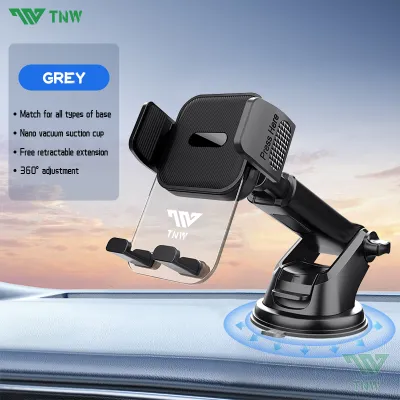
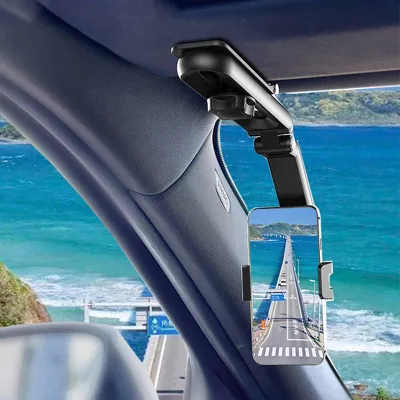
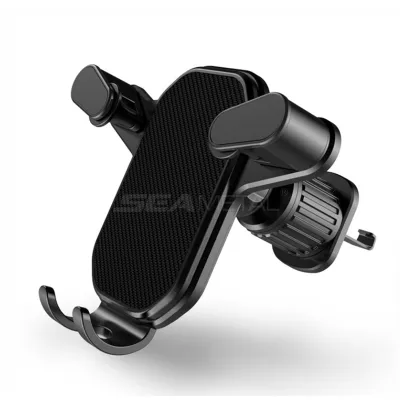
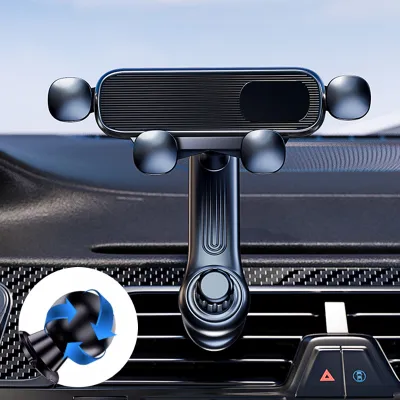
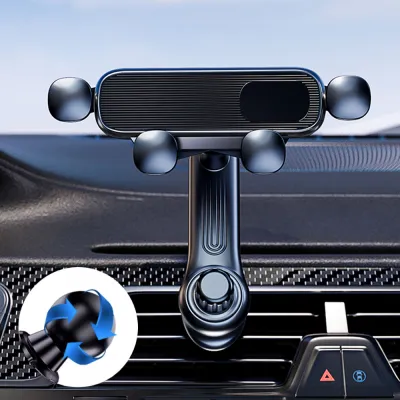
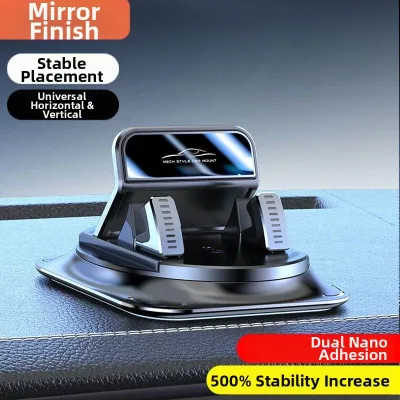
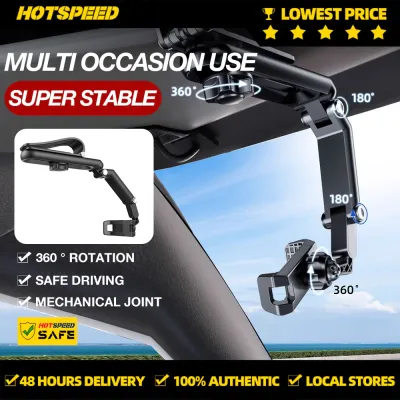
Prices are valid at publication and may change. Please refer to the product page for the latest price.
Air Vent Car Phone Holders: Pros, Cons, and Best Use Cases
Air vent mounts attach directly to the slats of your vehicle’s air conditioning vents using a spring-loaded clip, a screw-tightened clamp, or a hook mechanism. This placement keeps your dashboard and windshield completely clear, preserving your forward field of view. In tropical climates like the Philippines, where high ambient temperatures and direct sunlight can quickly cause a navigating phone to overheat, the cold airflow from the air conditioning vent serves as an active cooling system for your device.

These mounts are also incredibly easy to install and transfer between vehicles, making them a favorite for business travelers, car rental users, or multi-car households. Because they do not rely on sticky adhesives or suction cups, they leave absolutely no residue or marks on your car’s interior surfaces. They keep your phone within arm’s reach, allowing you to easily touch the screen for navigation adjustments without leaning forward.
However, air vent mounts come with distinct physical compromises. By placing your phone directly in front of the vent, you block a significant portion of the cool airflow destined for the cabin, which can make hot midday drives less comfortable. Additionally, these mounts are generally incompatible with circular, vertical, or highly stylized air vents found in certain vehicle models. Heavy, modern smartphones can also place excessive leverage on fragile plastic vent slats, causing them to sag downward or, in worst-case scenarios, snap under stress.
This mounting style is best suited for drivers who own vehicles with traditional, sturdy horizontal vent slats and who prioritize keeping their windshield unobstructed. It is also ideal for those who frequently run their air conditioning and want to prevent their phone’s battery from degrading due to heat. Before purchasing, physically inspect your vehicle’s vent slats to ensure they are thick enough to support a clamp and that they do not pivot too freely under weight.
Suction Cup and Dashboard Mounts: Pros, Cons, and Best Use Cases
Suction cup mounts utilize a mechanical vacuum lock, often paired with a sticky polyurethane gel pad, to adhere to either the interior windshield glass or a smooth section of the dashboard. Most of these mounts feature telescopic arms and ball joints, providing an exceptional range of physical adjustability. This allows you to position your phone at the exact height, distance, and angle that feels most comfortable for your driving posture.
Because they do not rely on your air conditioning vents, these mounts leave your climate control system completely unobstructed. They are robust enough to support heavy, oversized smartphones, rugged cases, and even small tablets used by professional delivery drivers or off-road navigators. If your car has highly curved or circular vents that cannot accept a standard clip, a suction mount provides a reliable alternative.
Despite their versatility, suction cup mounts are highly susceptible to environmental factors. Intense tropical sunlight and cabin heat can degrade the sticky gel pad and expand the air trapped inside the suction chamber, causing the mount to suddenly lose its grip and fall while you are driving. If mounted on a soft-touch, textured, or leather-wrapped dashboard, the strong adhesive gel can leave permanent rings, discoloration, or even tear the delicate surface material upon removal. Windshield placement can also create physical blind spots if the mount is positioned too high or centrally.
This style is highly recommended for drivers who require precise, high-level screen positioning, those with heavy devices, or those driving vehicles with incompatible vent designs. If you choose this option, ensure the windshield placement complies with local traffic safety regulations, such as the Anti-Distracted Driving Act (ADDA) in the Philippines, which prohibits placing devices within the driver’s direct line of sight. Never mount a suction cup directly over or near passenger airbag deployment zones.
Magnetic Car Phone Holders: Pros, Cons, and Best Use Cases
To understand magnetic car phone holders, it is important to separate the phone attachment mechanism from the base of the mount. While the base itself still attaches to your car via an air vent clip, a suction cup, or a strong adhesive strip, the phone connects to the mount using powerful magnets (typically neodymium) rather than mechanical side clamps. This design completely eliminates the need to manually adjust spring-loaded arms every time you get in or out of your car.
The primary benefit of a magnetic mount is its effortless, one-handed operation. You simply place the back of your phone against the magnetic face, and it snaps securely into place instantly. Because there are no physical side cradles, the mount maintains an incredibly sleek, minimalist profile when not in use, and it will never accidentally press your phone’s side power or volume buttons. It also allows you to rotate your phone between portrait and landscape modes in a single, smooth motion.
On the downside, magnetic mounts require a physical counterpart on your device to function. If you do not use a MagSafe-compatible iPhone or case, you must stick a thin metal plate directly to the back of your phone or slip it inside your phone case. This metal plate can block wireless charging signals and near-field communication (NFC) functions, and it may look visually unappealing on a bare phone. Furthermore, if you drive on bumpy, unpaved roads, a heavy phone can slide off a magnetic mount if the magnetic connection is weakened by a thick protective case.
Magnetic mounts are perfect for drivers who value speed and clean aesthetics, make frequent stops throughout the day, or use MagSafe-compatible devices. If you rely heavily on traditional Qi wireless charging pads at home, you will need to position the metal plate carefully at the very bottom of your phone or opt for a dedicated MagSafe-compatible car cellphone holder that integrates active wireless charging.
Quick Comparison of the Three Mount Types
To help you visualize how these options compare, the table below summarizes the core practical attributes of each mounting style based on everyday usability, installation requirements, and physical limitations.
| Mount Type | Best Placement | Installation Effort | Phone Compatibility | Main Drawback |
|---|---|---|---|---|
| Air Vent | AC Vent Slats | Very Low (Clip-on) | Universal (within clamp width) | Blocks cabin airflow; potential vent damage |
| Suction Cup | Windshield / Smooth Dash | Low to Medium | Universal (adjustable cradles) | Heat degrades suction; can block view |
| Magnetic | Vent, Dash, or Windshield | Low to Medium | Requires metal plate or MagSafe | Blocks wireless charging (if using plates) |
While each mount has its strengths, your final decision should match your vehicle’s physical limitations. For instance, a premium suction cup mount will still fail if your dashboard is made of highly textured, porous plastic that prevents a vacuum seal. Similarly, a magnetic mount is only as strong as the interface between the magnet and the metal plate inside your phone case.
How to Choose the Right Mount for Your Car and Phone
To select the perfect car cellphone holder, follow a structured decision framework that prioritizes your vehicle’s interior surfaces first, followed by your device’s physical characteristics.
Choose an Air Vent Mount if:
- Your vehicle has standard, straight horizontal or vertical vent slats.
- You want to keep your windshield completely clear for maximum road visibility.
- Your phone tends to run hot when running GPS navigation and music streaming simultaneously.
- You want a highly portable mount that leaves no adhesive residue behind.
Choose a Suction Cup / Dashboard Mount if:
- Your car has circular, fragile, or deeply recessed air vents.
- You need to position your phone higher up or closer to your natural line of sight.
- You use a heavy, oversized phone or a rugged, thick protective case.
- Your dashboard has a smooth, hard plastic surface or you prefer windshield mounting.
Choose a Magnetic Mount if:
- You want the fastest, most convenient one-handed mounting experience.
- You own a MagSafe-compatible phone or use a MagSafe-certified case.
- You prefer a highly compact mount that does not clutter your dashboard aesthetic.
- You do not mind attaching a slim metal plate to your phone or case.
Before making a purchase, always verify your local road safety laws. In the Philippines, the Anti-Distracted Driving Act strictly regulates where devices can be placed. Additionally, check your dashboard material; if it is made of soft-touch leather or vinyl, avoid adhesive or suction mounts to prevent permanent cosmetic damage. Always match the mount’s base to your car’s physical surfaces first, then choose the attachment style (clamp vs. magnetic) that aligns with your daily charging and casing habits.
Safe Installation and Driving Tips for Phone Mounts
When installing a windshield suction cup mount, ensure the device is positioned outside your primary driving field of view. Under the Philippine Anti-Distracted Driving Act, electronic devices must not obstruct your direct line of sight through the windshield. A good rule of thumb is to mount the phone low on the windshield or tucked near the A-pillar, ensuring it does not rise more than four inches above the highest point of the dashboard.
Avoid placing suction cups, adhesive bases, or mechanical mounts directly on soft-touch dashboards, wrapped leather, or textured vinyl. Over time, the combination of strong adhesives, vacuum pressure, and intense cabin heat (which often exceeds 50°C when parked under the sun) can warp, discolor, or tear these materials. If you must mount on a textured dashboard, use a semi-permanent adhesive disk designed to provide a smooth, sacrificial surface for the suction cup.
Never mount your phone holder on or directly adjacent to passenger airbag panels, typically marked with “SRS Airbag” lettering on the dashboard or pillars. In the event of an accident, a deploying airbag expands with immense force and can turn a phone mount into a dangerous high-speed projectile inside the cabin.
Finally, always secure your phone, connect your charging cables, and program your navigation route before putting your vehicle in motion. Attempting to adjust a loose clamp or reposition a sagging mount while driving is a major distraction. After installing a new mount, take a short, low-speed test drive on local roads to ensure the holder remains stable and vibration-free before relying on it for long highway trips.
Frequently Asked Questions (FAQ)
Do magnetic car phone holders interfere with wireless charging?
Yes, traditional solid metal plates placed directly over a phone’s internal wireless charging coil will block the electromagnetic induction required for wireless charging. This blockage can also cause the metal plate to heat up rapidly, posing a safety hazard to your phone’s battery. To avoid this, you can place the metal plate at the very bottom edge of your phone, well away from the central charging coil, or transition to a specialized MagSafe-compatible magnetic mount that features built-in wireless charging coils designed to align perfectly with your phone.
Can a suction cup mount damage my car's dashboard?
Yes, suction cup mounts can cause permanent damage to soft-touch, leather, or vinyl dashboards. The combination of strong vacuum suction, sticky polyurethane gel pads, and high cabin heat can pull up the top layer of delicate materials, leaving permanent circular indentations, sticky residue, or tears. If your dashboard is made of these premium, soft materials, it is highly recommended to mount the suction cup to your windshield glass instead, or utilize a dedicated dashboard disk that uses a gentle, clean-removal adhesive to protect the underlying material.
Community discussion
Share your experience or ask a question. Comments are reviewed before publication.