
Selecting the right car cellphone holder for cars is one of the most practical upgrades you can make to your daily drive. Whether you are navigating busy city streets, managing delivery routes, or embarking on a long road trip, a secure mount keeps your device accessible and within safe viewing limits. However, finding the perfect mounting style requires balancing several factors: your vehicle’s interior design, your smartphone’s physical dimensions, and the environmental conditions of your daily commute.
In tropical climates like the Philippines, drivers face unique challenges that directly affect how these mounts perform. High cabin temperatures, intense direct sunlight, high relative humidity, and uneven road surfaces all test the structural integrity and adhesion of your phone holder. There is no single universal solution that works perfectly for every driver, meaning your choice should be guided by your specific vehicle layout and driving habits.
Quick Answer: Which Car Phone Holder Mount is Best for You?
To make an informed decision, you must evaluate how each mounting mechanism aligns with your vehicle’s physical layout and your daily driving requirements. The right choice depends on where you want the phone positioned, how much weight the mount must support, and how your vehicle’s interior handles heat and vibration.
Products mentioned in this guide
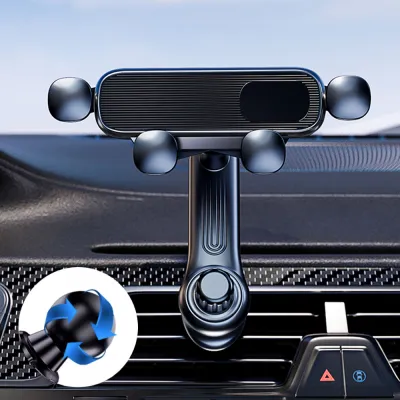
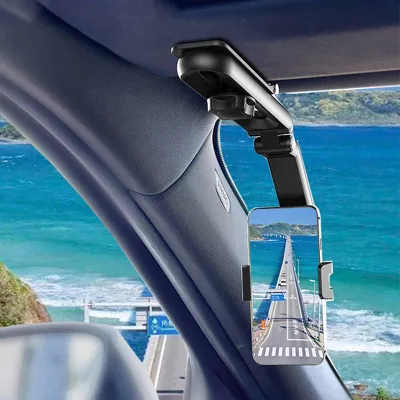
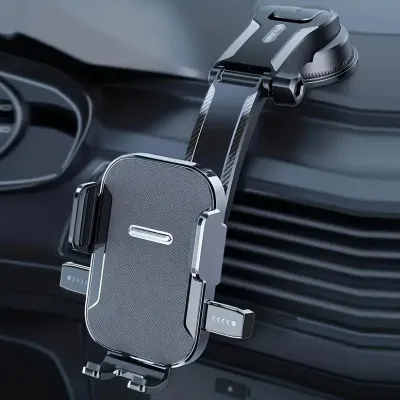
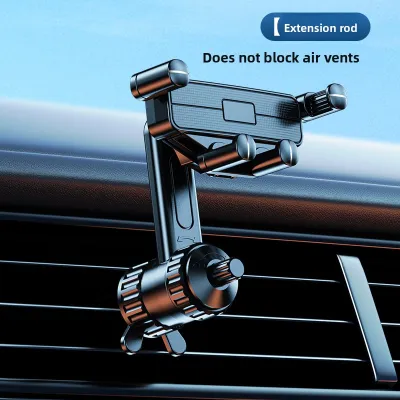
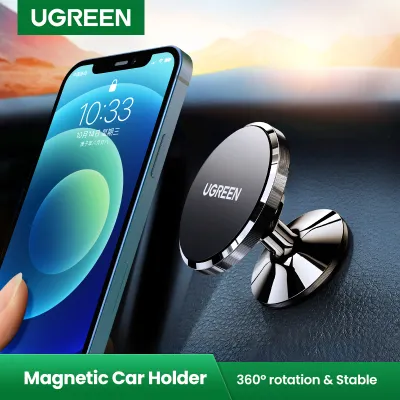
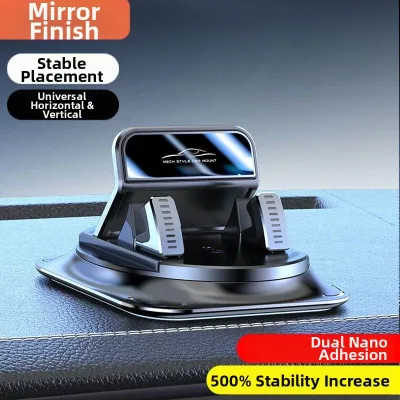
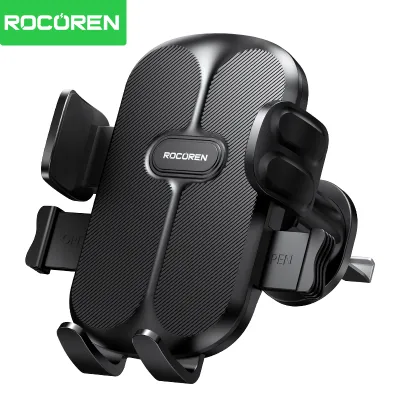
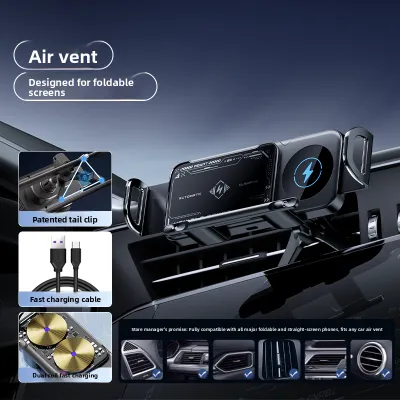
Prices are valid at publication and may change. Please refer to the product page for the latest price.
Use this quick decision framework to identify the most suitable option for your vehicle:
- Choose Air Vent if: You have standard horizontal AC vent blades, want to prevent your phone from overheating by leveraging the vehicle's air conditioning, and prefer a tool-free installation that leaves absolutely no adhesive residue on your dashboard.
- Choose Suction Cup if: You require flexible positioning on the windshield or dashboard, need to support a heavy or oversized smartphone, and want to keep your air conditioning vents completely unobstructed.
- Choose Magnetic if: You prioritize rapid, one-handed mounting and dismounting, want to minimize visual clutter on your dashboard, and already use a MagSafe-compatible phone or a specialized magnetic case.
- Verify first if: Your vehicle features circular, vertical, or exceptionally thin air vent louvers that cannot support physical clips, or if your dashboard has a textured, porous, or leather surface that prevents a suction cup from forming a reliable vacuum seal.
Air Vent Mounts: Evaluating the Go-To Car Cellphone Holder for Cars
Air vent mounts are among the most popular options for securing a car cellphone holder for cars due to their simplicity and low-profile design. These mounts typically utilize a spring-loaded clip, a screw-tightening clamp, or a hook-and-latch mechanism that attaches directly to the horizontal plastic louvers (slats) of your vehicle’s air conditioning vents. This design keeps your smartphone positioned within easy reach, usually level with the steering wheel, making it highly convenient for quick glance navigation.

The primary advantage of an air vent mount is its ease of installation and portability. Because they do not rely on sticky adhesives or vacuum suction, you can install or remove them in seconds without leaving any permanent marks, making them ideal if you frequently switch between vehicles or use rental cars. Furthermore, placing your phone directly in front of the AC vent provides a major performance benefit in hot climates. Running GPS navigation, mobile data, and high screen brightness simultaneously generates substantial internal heat; the continuous flow of cool air from the AC system actively prevents your smartphone from thermal throttling, battery degradation, or sudden thermal shutdown.
However, air vent mounts carry distinct structural trade-offs. By design, they block a portion of the cold air flowing into the cabin, which can be a notable drawback during hot afternoons. More importantly, the plastic louvers of car AC vents are engineered solely to direct airflow, not to bear weight. Suspending a heavy, large-screen smartphone from these thin plastic blades puts continuous physical stress on them. When driving over potholes or speed bumps, the vertical vibrations can fatigue the plastic, potentially cracking or breaking the vent blades over time. Additionally, standard vent mounts are incompatible with circular, vertical, or deeply recessed vent designs commonly found in many modern vehicles.
From a safety and maintenance perspective, you must exercise caution if you drive in regions where vehicle heaters are occasionally used. While cool AC air protects your phone, directing hot air from the heater directly into the back of a mounted smartphone can cause rapid battery swelling or permanent hardware damage. Always ensure the vent’s directional control is set to off or cold when your phone is mounted.
This mounting style is best suited for drivers with standard horizontal vent blades who use lightweight to medium-weight smartphones and prefer a clean, central display that does not block their forward view of the road.
Suction Cup Mounts: Flexible Placement and Heavy-Duty Stability
Suction cup mounts utilize a physical vacuum seal to attach to flat, non-porous surfaces inside your vehicle. Modern designs typically combine a flexible polyurethane gel base with a mechanical tension lever. When you press the mount against a surface and engage the lever, the center of the cup is pulled upward, expelling the remaining air and creating a powerful low-pressure vacuum chamber that locks the mount firmly in place. These mounts are usually attached to either the interior windshield glass or the flat portions of the dashboard.
The standout benefit of a suction cup mount is its exceptional physical stability and load capacity. Because the structural weight is supported by a robust arm and a wide base, these mounts can easily hold heavy, oversized smartphones and rugged cases without sagging or vibrating. They also offer unmatched adjustability, often featuring telescoping arms and 360-degree ball joints that allow you to position the screen closer to your natural eye level. Additionally, because they mount on the glass or dashboard, they leave your air conditioning vents completely unobstructed, preserving full airflow to the cabin.
Despite their strength, suction cup mounts are highly susceptible to environmental factors, particularly extreme heat and UV exposure. In tropical areas, direct sunlight shining through the windshield can heat the dashboard and glass to temperatures exceeding 70°C. This intense heat can soften the sticky polyurethane gel, causing the adhesive bond to degrade and the vacuum seal to fail, resulting in the mount falling off unexpectedly. Furthermore, the larger physical footprint of suction cup mounts can create a significant visual obstruction on your windshield, potentially violating local traffic safety laws regarding driver visibility.
Surface compatibility is another critical factor. Standard suction cups require a completely smooth, non-porous surface to maintain a vacuum. If your vehicle features a textured, porous, or leather-wrapped dashboard, air will slowly seep under the rubber edge, causing the mount to release. To address this, many manufacturers include an adhesive dashboard disk that provides a smooth plastic surface for the suction cup. Before applying any strong adhesive disks to your dashboard, always check your vehicle’s care instructions and warranty guidelines, as strong adhesives can permanently discolor, warp, or tear delicate soft-touch vinyl or leather materials upon removal.
This mounting style is highly recommended for drivers with large, heavy smartphones, vehicles with circular or fragile vents, and those who prefer their navigation screen positioned higher up, closer to their natural line of sight.
Magnetic Mounts: Minimalist Design and One-Handed Convenience
Magnetic car mounts represent the modern standard for driver convenience, relying on magnetic attraction rather than physical mechanical clamps to secure your device. These mounts feature an array of high-grade neodymium magnets (often arranged in a circular pattern, such as MagSafe-compatible arrays) built into the mounting head. This faceplate interacts with a thin, adhesive metal plate attached to the back of your phone or case, or directly with the built-in magnetic rings found in modern smartphones.
The primary appeal of a magnetic mount is its effortless, one-handed operation. You can mount or detach your phone in a fraction of a second simply by placing it near the magnetic faceplate, with no mechanical arms to squeeze or release. This minimalist design also means the mount itself is extremely compact, taking up very little physical space and keeping your dashboard looking clean and uncluttered. Because there are no side clamps, your phone’s side buttons, charging ports, and headphone jacks remain completely unobstructed.
However, the convenience of a magnetic mount comes with strict physical limitations. Because the connection relies entirely on magnetic flux and surface friction, its holding power is highly dependent on the weight of your phone and the thickness of your phone case. Heavy devices, especially when housed in thick protective cases, can easily slip or fall off the mount when driving over deep potholes, speed bumps, or rough pavement. If you do not use a dedicated magnetic-compatible case, you must adhere a metal plate to your phone or case, which many users find aesthetically unappealing.
Compatibility and safety checks are essential before choosing a magnetic setup. If you plan to use an aftermarket adhesive metal plate, you must place it carefully to avoid blocking your phone’s internal wireless charging coil or NFC sensors. Placing a solid metal plate directly over the center of your phone’s wireless charging area will completely block Qi or MagSafe charging, and can cause the metal plate to heat up rapidly if placed on a wireless charger, posing a severe burn or fire hazard. To prevent this, place the plate at the very bottom of the phone, or invest in a specialized magnetic case designed to leave the charging coil clear.
This option is best for daily commuters who value quick access, drivers who use lightweight to medium-weight smartphones, and those who are already integrated into a magnetic-compatible case ecosystem.
Head-to-Head Comparison: Stability, Ease of Use, and Compatibility
To help you weigh the structural and practical trade-offs of each mounting style, the following table compares the three main types across critical decision dimensions:
| Feature | Air Vent Mount | Suction Cup Mount | Magnetic Mount |
|---|---|---|---|
| Installation Ease | Extremely Easy (Clip-on) | Moderate (Surface prep required) | Easy to Moderate (Depends on base type) |
| Stability on Bumpy Roads | Moderate (May sag or vibrate) | High (Mechanical vacuum lock) | Moderate to Low (Depends on magnet strength) |
| Dashboard Space Used | None (Saves dashboard space) | High (Sizable footprint) | Minimal (Compact profile) |
| Vent/AC Interference | High (Blocks airflow) | None | None (Unless vent-mounted variant) |
| Wireless Charging Compatibility | Fully Compatible | Fully Compatible | Requires careful metal plate placement |
| Best Phone Size | Small to Medium | All Sizes (Including heavy/large) | Small to Medium (Unless high-strength MagSafe) |
Stability on Bumpy Roads
When evaluating stability on uneven road surfaces, mechanical clamps (found on standard vent and suction mounts) offer a distinct advantage over magnetic plates. A mechanical clamp physically locks the phone in place using spring-loaded or gravity-fed side arms, creating a physical barrier that prevents the phone from falling even under severe vertical G-forces. Magnetic mounts, on the other hand, rely entirely on magnetic attraction. If you frequently drive on unpaved roads, provincial routes, or streets with frequent potholes, a mechanical suction cup mount or a highly secure hook-style vent mount will provide superior peace of mind compared to a standard magnetic setup.
Compatibility and Vehicle Integration
Never assume a mount will fit your vehicle based on a generic product description. For vent mounts, physically inspect your car’s AC louvers—some modern vehicles feature vertical or circular vents that prevent standard clips from securing properly. For suction mounts, verify that the dashboard area is flat and non-porous. For magnetic setups, ensure your phone case is thin enough; thick rugged cases can reduce magnetic holding power by over 80%.
Final Verdict: Matching the Mount to Your Daily Drive
To finalize your purchase decision, match your specific driving habits and vehicle layout to one of these common driving scenarios:
- Scenario 1: The Heavy Phone & Long Commuter: If you drive long distances daily, use a large-screen device, and navigate through varied road conditions, a suction cup mount positioned on your windshield or flat dashboard is the most reliable option. It keeps your device stable and within your natural line of sight.
- Scenario 2: The Minimalist & Quick Navigator: If you are constantly in and out of your car for quick errands or delivery runs, a magnetic mount offers unmatched efficiency. It keeps your dashboard looking clean and allows you to grab your phone instantly.
- Scenario 3: The Standard Setup & AC User: If your car has standard horizontal vents and you want to keep your dashboard completely clear of adhesives or suction marks, an air vent mount is an excellent choice. It keeps your phone cool during hot midday drives, preserving battery health.
Before driving, always test your mount’s grip while the vehicle is parked. Ensure that the phone’s placement does not obstruct your view of the road, side mirrors, or any critical dashboard controls. In the Philippines, be mindful of the Anti-Distracted Driving Act (RA 10913), which prohibits placing electronic devices within the driver’s direct line of sight on the windshield or dashboard, except within a designated safe zone that does not interfere with safe driving.
Frequently Asked Questions (FAQ)
Do magnetic car phone holders damage smartphone internals or credit cards?
Modern smartphones use solid-state flash memory and digital compasses that are generally unaffected by the static magnetic fields of consumer-grade neodymium magnets. However, magnetic strips on credit cards, transit cards, or parking tickets can easily be demagnetized and ruined if they come into direct contact with the mount or are kept in a phone wallet case attached to a magnetic base. Keep magnetic-sensitive cards stored safely away from the mount.
Why does my suction cup phone mount keep falling off the dashboard?
This issue is typically caused by dust buildup, heat degradation, or attempting to mount on a textured surface. To restore the vacuum seal, rinse the gel suction cup under warm water, wash it with a drop of mild dish soap to remove oils, and let it air dry completely to restore its natural stickiness. Do not wipe it with paper towels or tissues, as lint will ruin the seal. Ensure the dashboard surface is thoroughly cleaned with isopropyl alcohol (if safe for your dashboard material) before reinstallation.
Can I use an air vent mount if my car has circular or vertical AC vents?
Standard vent mounts are engineered specifically for horizontal blades. Forcing them onto circular or vertical vents can lead to unstable mounting or broken plastic louvers. If your vehicle has circular or vertical vents, look for specialized mounting adapters, hook-style vent mounts designed specifically for circular vents, or transition to a dashboard-based suction or magnetic mount.
Community discussion
Share your experience or ask a question. Comments are reviewed before publication.