
Selecting the right cell phone holder for your vehicle is a practical decision shaped by your car’s interior layout, dashboard materials, and local driving conditions. With various mounting styles available, finding a secure fit requires understanding how each design interacts with your vehicle’s cabin. A mount that works perfectly on a flat, textured dashboard may fail completely on a curved, leather-wrapped surface, while a vent mount that excels in one vehicle might block vital airflow in another.
To make an informed purchase, you must weigh the physical requirements, stability trade-offs, and compatibility checks of the three primary mount types: air vent, suction cup, and magnetic. By evaluating your specific vehicle configuration and daily driving habits, you can select a holder that keeps your device secure, visible, and accessible without damaging your car’s interior.
Assessing Your Car's Interior and Driving Needs
Before browsing online marketplaces or local auto supply shops, take a close look at your vehicle’s dashboard and windshield configuration. The physical texture of your dashboard is the single most critical factor for adhesive and suction-based mounts. Soft-touch vinyl, genuine leather, and heavily textured plastics present challenging surfaces that often prevent airtight seals or risk permanent discoloration and tearing if strong adhesives are applied.
Products mentioned in this guide


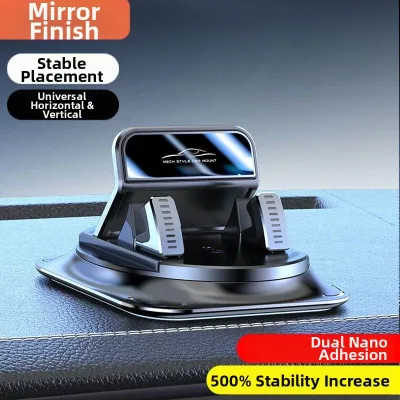
Prices are valid at publication and may change. Please refer to the product page for the latest price.
Next, observe the layout of your center console and instrument panel. Note the position and angle of your air conditioning vents, as well as the amount of available windshield glass that does not obstruct your forward road visibility. In tropical climates like the Philippines, where intense sunlight and high cabin humidity are daily realities, placing a device directly on the windshield can expose it to extreme heat, potentially triggering thermal shutdown or accelerating battery degradation.
Your phone’s physical characteristics also dictate which mounting style is viable. A heavy, ruggedized smartphone or a device with a thick wallet case requires a robust mechanical grip or an exceptionally strong magnetic connection. If you rely on wireless charging, you must also consider how the mount’s attachment mechanism—such as a thick metal plate—might interfere with the induction coils on the back of your device.
Air Vent Mounts: Airflow, Vent Design, and Cooling
Air vent mounts are highly favored for their low-profile design and ease of installation, as they require no adhesives or semi-permanent attachments to your dashboard. These holders typically use a spring-loaded clip or a tightening screw mechanism to clamp directly onto the individual plastic slats of your vehicle’s air conditioning vents. This positioning keeps your phone within easy reach and below the dashboard line, preserving your view of the road.

However, vent compatibility is highly dependent on the shape and structural integrity of your vehicle’s HVAC louvers. Standard horizontal vent blades provide the most stable foundation for clip-on mounts, whereas vertical blades can sometimes allow the mount to slide downward. Circular, rotational, or deeply angled vents are generally incompatible with standard vent holders, as they lack the fixed structural support needed to keep the phone from tilting or spinning under its own weight.
Using a vent mount also introduces climate-related trade-offs. In hot, humid environments, blocking a primary air vent with a large smartphone can noticeably reduce the cabin’s cooling efficiency, making the interior uncomfortable for passengers. Conversely, during long drives where your phone is running demanding GPS navigation and charging simultaneously, the active airflow from the air conditioner serves as an excellent cooling system, preventing the device from overheating and throttling performance.
Finally, consider the mechanical stress placed on your vehicle’s interior components. Delicate plastic vent louvers are not originally designed to support the weight of modern, heavy smartphones, especially when driving over speed bumps, potholes, or uneven road surfaces. Over time, the constant leverage and vibration can loosen the vent mechanism or, in worst-case scenarios, snap the plastic blades entirely, leading to costly dashboard repairs.
Suction Cup Mounts: Surface Grip and Heat Resistance
Suction cup mounts offer exceptional placement flexibility, allowing you to position your phone on the windshield, side windows, or flat sections of the dashboard. These mounts generally fall into two categories: standard rigid PVC suction cups designed exclusively for smooth glass, and sticky polyurethane gel suction cups engineered to conform to the minor textures of molded plastic dashboards. This flexibility allows you to adjust the arm length and viewing angle to achieve optimal visibility.
Despite their versatility, suction-based holders face significant challenges from environmental exposure. When a vehicle is parked under direct sunlight, the windshield glass can reach temperatures high enough to degrade the suction seal, causing the mount to release unexpectedly while driving. For dashboard-mounted gel pads, extreme cabin heat can cause the sticky adhesive layer to soften, liquefy, or bond permanently to the vinyl, leaving behind a stubborn residue or causing irreversible surface warping.
To maintain a reliable hold, suction cup mounts require periodic maintenance and clean installation surfaces. Before mounting, the glass or dashboard surface must be thoroughly cleaned with an authorized surface cleaner to remove dust, oils, and plasticizer film. If the suction cup begins to lose its grip over time due to dust accumulation, washing the gel pad with warm water and mild dish soap, then allowing it to air-dry, can restore its original tackiness.
Magnetic Mounts: Holding Power and Device Compatibility
Magnetic phone holders are widely appreciated for their unmatched convenience, allowing you to mount and remove your device with a quick, one-handed motion. These systems rely on a base unit mounted to the car (via vent clip, suction cup, or adhesive) and a corresponding metal plate attached to the phone. This design eliminates the need to fiddle with mechanical side clamps or spring-loaded cradles every time you enter or exit your vehicle.
The security of a magnetic mount depends entirely on the physical connection between the magnet and the metal plate. For heavy devices, a small or weak magnet may allow the phone to slide off when encountering sudden braking, sharp turns, or rough road vibrations. To ensure a reliable hold, you must either adhere a metal plate directly to the back of your phone, place it between the phone and its case, or use a dedicated magnetic-compatible phone case.
Before opting for a magnetic system, verify how the metal plate affects your device’s internal hardware. Placing a solid steel plate directly over your phone’s center can completely block wireless charging signals, preventing Qi or MagSafe chargers from functioning. Additionally, while modern smartphones are generally resilient, you should check your device’s documentation to ensure that external magnetic fields do not interfere with internal digital compasses or optical image stabilization systems in the camera.
Quick Comparison: Air Vent vs. Suction Cup vs. Magnetic
To help visualize the primary differences between these three popular mounting styles, refer to the comparison table below. This matrix highlights the ideal mounting surfaces, installation complexity, and primary limitations of each type.
| Mount Type | Ideal Mounting Surface | Installation Ease | Stability on Bumpy Roads | Primary Limitation |
|---|---|---|---|---|
| Air Vent | Horizontal or vertical AC vent blades | Extremely Easy (Clip-on) | Moderate (Depends on vent strength) | Blocks cabin airflow; risk of vent damage |
| Suction Cup | Windshield glass or smooth dashboards | Easy (Suction lever) | High (On glass surfaces) | Vulnerable to extreme cabin heat and UV degradation |
| Magnetic | Varies (Available in vent, suction, or adhesive bases) | Extremely Easy (One-handed dock) | High (With proper plate alignment) | Requires metal plate; can block wireless charging |
Your driving profile should also guide your selection. Daily commuters who prefer an unobstructed windshield often favor the low-profile integration of air vent mounts. Rideshare drivers and delivery professionals, who require constant screen visibility and frequent device removal, typically benefit from the quick-release nature of magnetic mounts or the high-visibility placement of windshield suction cups.
Final Decision: Which Cell Phone Holder Should You Buy?
To finalize your purchase decision, match your vehicle’s physical layout and your personal device habits to the most compatible mounting category. There is no single universal winner, as the ideal choice depends entirely on your specific cabin environment.
Choose an Air Vent Mount if:
- Your vehicle features sturdy, traditional horizontal or vertical AC vent blades.
- You want to keep your windshield completely clear of obstructions to maintain maximum road visibility.
- Your phone tends to run hot during navigation, and you want the vehicle's air conditioning to provide active cooling.
Choose a Suction Cup Mount if:
- You prefer to position your phone at eye level on the windshield or a smooth, flat section of the dashboard.
- Your vehicle has circular, fragile, or deeply recessed air vents that cannot support a clip-on holder.
- You share the vehicle with other drivers and need a highly adjustable mount with an extendable telescopic arm.
Choose a Magnetic Mount if:
- You prioritize quick, one-handed mounting and do not want to adjust mechanical clamps every time you drive.
- You do not use wireless charging, or you use a specialized magnetic-compatible phone case that leaves the charging coils unobstructed.
- You want a minimalist mounting solution that does not add bulk to your vehicle's dashboard line.
Before making your final purchase, always consult your vehicle’s owner manual for any specific warnings regarding dashboard material care or weight limits on air vent assemblies. Verify the physical dimensions and weight of your smartphone, and check the manufacturer specifications of the phone holder to ensure a safe, secure, and legally compliant installation.
Community discussion
Share your experience or ask a question. Comments are reviewed before publication.