
Finding the right foldable car mount is no longer just a matter of picking the cheapest option on an online marketplace. With smartphones serving as our primary navigation hubs, music players, and hands-free communication devices, how you secure your phone to your vehicle directly affects your driving safety, comfort, and convenience. The market is flooded with various mounting styles, but they generally boil down to three main types: air vent mounts, suction cup mounts, and magnetic mounts.
There is no single “best” foldable car mount for every driver. The ideal choice depends entirely on your vehicle’s interior layout, your dashboard materials, and your smartphone’s physical design. Selecting the wrong type can lead to a mount that constantly sags, blocks your view of the road, or even damages your car’s interior.
To make an informed purchase, you must weigh the core trade-offs of each system. Air vent mounts are excellent for keeping your dashboard clear and your phone at eye level, but they block vital airflow. Suction cup mounts offer unmatched positioning flexibility and support heavy devices, but they struggle under intense heat. Magnetic mounts provide the fastest, most convenient one-handed operation, but they require specific phone hardware or cases to function. Understanding these dynamics will help you choose a mount that remains securely in place through every sharp turn and sudden stop.
Products mentioned in this guide
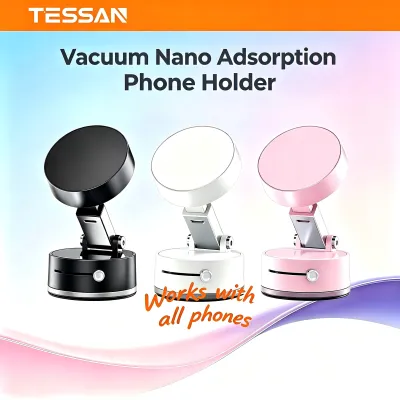
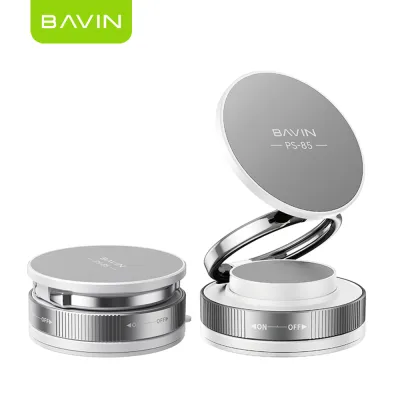
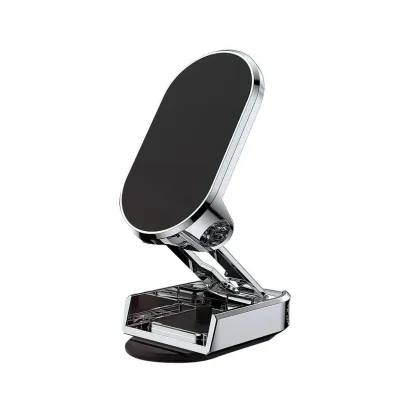
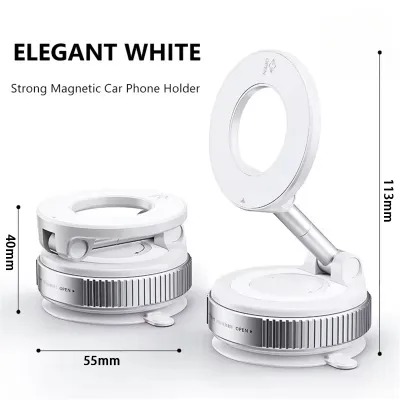
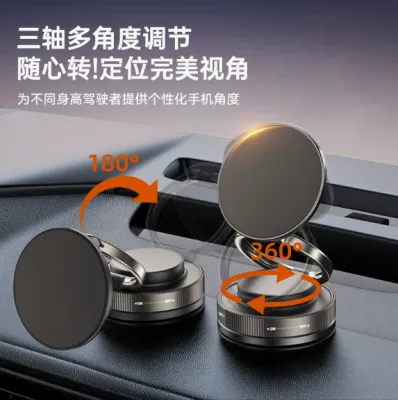
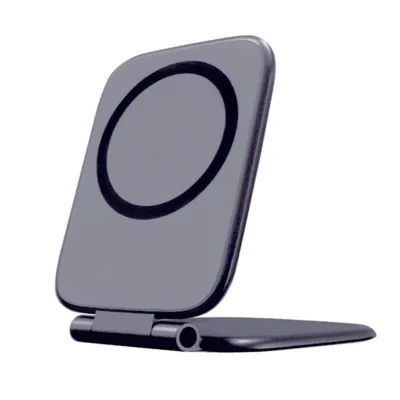
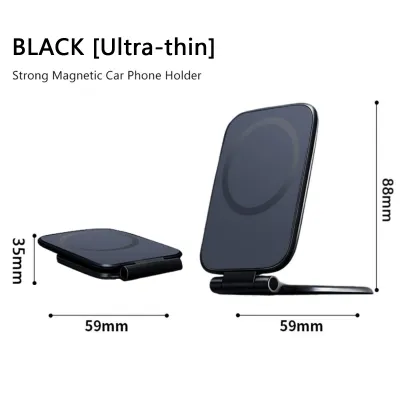
Prices are valid at publication and may change. Please refer to the product page for the latest price.
Understanding the Setup: Car Base vs. Phone Grip
Before comparing the three mounting styles, it is essential to clarify a common consumer misconception. Many drivers confuse how a mount attaches to the car with how it holds the phone. These are two distinct mechanisms, and understanding the difference is key to evaluating your options.
“Air Vent” and “Suction Cup” refer specifically to the base attachment mechanism—the method by which the mount secures itself to your vehicle’s cabin. These bases are traditionally paired with mechanical holding systems, such as spring-loaded side clamps or gravity-fed arms that wrap around your phone. When you insert your phone, you must manually adjust these clamps or rely on the weight of the device to pull the arms closed.
In contrast, “Magnetic” refers to the phone grip mechanism. Instead of physical arms or clamps, a magnetic mount uses high-strength magnets (often arranged in a circular array matching Apple’s MagSafe standard) to hold the phone. What surprises many buyers is that a magnetic mount must still attach to the car somehow; therefore, a magnetic mount can feature an air vent clip, a suction cup base, or an adhesive dashboard pad.
To keep this comparison practical and aligned with what you will find in retail stores, this article compares the three most common consumer configurations: traditional mechanical air vent mounts, traditional mechanical suction cup mounts (for dashboards or windshields), and magnetic grip systems (focusing on the magnetic user experience, regardless of whether the base uses a clip, adhesive, or suction cup).
Air Vent Mounts: Dashboard Clearance vs. Airflow Blockage
Air vent mounts are incredibly popular among drivers who prefer a minimalist cabin setup. These mounts feature a clip or hook mechanism on the back that slides onto the horizontal or vertical plastic slats of your car’s air conditioning vents. Because they utilize existing cabin structures, they do not require adhesives or suction pads, making them highly portable and easy to transfer between vehicles.

The Advantages of Vent Mounting
One of the primary benefits of an air vent mount is that it keeps your dashboard and windshield completely clear. This is particularly important in regions with strict road safety laws, such as the Philippines, where the Anti-Distracted Driving Act (RA 10913) regulates where devices can be placed to avoid obstructing the driver’s direct line of sight. By mounting your phone to the AC vent, you keep it within a natural viewing angle below the dashboard line.
Additionally, high-quality foldable air vent mounts are exceptionally compact. When you remove your phone, the mechanical arms often fold inward, leaving a very small profile that does not clutter your interior. Because they do not rely on sticky gels or adhesive tapes, they leave absolutely no residue or permanent marks on your vehicle’s surfaces.
The Disadvantages and Risks
The most significant drawback of this style is that it blocks your vehicle’s air conditioning airflow. In tropical climates where cabin cooling is essential for passenger comfort, losing an entire vent to a large smartphone can make the cabin feel noticeably warmer. Furthermore, running your air conditioning directly onto the back of a warm, hard-working smartphone (which is actively running GPS navigation and charging) can cause rapid temperature changes. In high-humidity environments, this temperature differential can lead to moisture condensation inside the phone housing, potentially damaging sensitive electronics.
Physical compatibility is another major hurdle. Air vent clips are designed primarily for standard, straight, horizontal vent slats. If your vehicle features circular vents (common in many Mercedes-Benz, Mazda, or Ford models), diagonal slats, or exceptionally thick plastic louvers, a standard vent mount will not attach securely.
Weight is also a critical factor. Heavy, large-screen smartphones or thick, rugged cases place immense leverage on the thin plastic vent louvers. Over time, the constant vibration of driving on uneven roads can cause the folding arms to sag downward, pointing your phone screen toward the floor. In worst-case scenarios, the weight and leverage can snap the fragile plastic slats of your air conditioning vent, leading to an expensive repair bill. Always consult your vehicle’s manual or examine the sturdiness of your vent louvers before choosing this mounting style.
Suction Cup Mounts: Maximum Flexibility vs. Heat Challenges
Suction cup mounts are the traditional workhorses of the car gadget world. They use a flexible polyurethane or rubber cup, often coated with a sticky gel, paired with a mechanical lever that creates a powerful vacuum seal against a flat surface. These mounts typically feature adjustable telescopic arms and ball joints, allowing for highly customized positioning.
The Advantages of Suction Mounting
The standout feature of suction cup mounts is their unmatched positioning flexibility. You can attach them directly to the glass of your windshield or to a flat, smooth section of your dashboard. This allows you to position your phone exactly where you need it for optimal navigation viewing without blocking your air vents or cluttering your center console.
Because they attach to solid structural surfaces rather than fragile plastic slats, suction cup mounts are incredibly robust. High-quality models can easily support the heaviest smartphones, small tablets, and thick, heavy-duty protective cases without drooping. They also isolate the phone from your vehicle’s climate control system, meaning your phone won’t block your cold air, nor will it be subjected to extreme AC-induced condensation.
The Disadvantages and Environmental Limits
The primary weakness of suction cup mounts is their vulnerability to environmental factors, particularly heat and ultraviolet (UV) radiation. In tropical climates, a vehicle parked outdoors under direct sunlight can experience interior cabin temperatures exceeding 60°C. This extreme heat softens the sticky polyurethane gel and causes the air trapped inside the vacuum chamber to expand.
As a result, suction cups frequently lose their seal and fall off the windshield or dashboard unexpectedly, often while driving. This sudden drop can distract the driver and damage the smartphone. Over time, constant exposure to intense UV rays will dry out and crack the rubber suction cup, rendering the mount permanently unusable.
Furthermore, suction cup mounts leave a physical footprint. If mounted on the windshield, they can easily violate local line-of-sight safety regulations if placed too high or directly in the driver’s field of view. If mounted on the dashboard, the sticky gel can pull on soft-touch vinyl or leather materials, potentially leaving permanent rings, discoloration, or even tearing the dashboard surface upon removal. On rough, unpaved, or pothole-filled roads, the long, multi-jointed telescopic arms of these mounts can amplify vehicle vibrations, causing the phone screen to shake violently and making it difficult to read navigation maps.
Magnetic Mounts: One-Handed Speed vs. Hardware Requirements
Magnetic mounts represent the modern, minimalist approach to in-car phone management. Instead of physical clamps that grip the sides of your device, these mounts utilize a flat face embedded with powerful rare-earth magnets (usually Neodymium N52 magnets). The phone is held in place by magnetic attraction to a matching magnetic array inside the phone or a metal plate attached to the phone’s case.
The Advantages of Magnetic Mounting
The single greatest advantage of a magnetic mount is sheer convenience. It offers a true one-handed operation. You do not need to squeeze mechanical side clamps, press release buttons, or wait for motorized arms to open. You simply place your phone against the magnetic face, and it instantly snaps into position. Detaching the phone is just as effortless, requiring a simple tilt-and-pull motion. This speed is incredibly valuable for drivers who frequently enter and exit their vehicles throughout the day.
Because they lack bulky side clamps, magnetic mounts are highly compact and aesthetically clean. When folded down, many models resemble small, unobtrusive pucks or short, elegant aluminum arms that blend seamlessly into a modern car interior. There are no mechanical parts to wear out, rattle, or scratch the sides of your premium smartphone.
The Disadvantages and Compatibility Constraints
The primary limitation of a magnetic mount is its strict hardware requirement. To use one safely, your phone must have built-in magnetic alignment capabilities (such as Apple’s MagSafe system found on iPhone 12 and newer models) or you must use a MagSafe-compatible case. If you use an Android device or an older iPhone, you must adhere a metal ring or plate directly to the back of your phone or slip it inside your phone case.
Adding an adhesive metal plate to your phone comes with distinct trade-offs. If placed incorrectly, the metal plate can completely block Qi wireless charging coils, preventing you from using wireless chargers at home or in your vehicle. It can also add unsightly bulk to a slim phone profile.
Furthermore, magnetic hold strength is highly dependent on the quality of both the mount’s magnets and the case you are using. If you use a thick, non-magnetic case over a metal plate, the magnetic attraction will be severely weakened. On bumpy roads, speed bumps, or during sudden emergency braking, a weak magnetic connection can fail, causing your phone to fly off the mount and slide under your pedals, presenting a severe safety hazard.
Feature Comparison: Stability, Convenience, and Climate Resilience
To help you visualize how these three foldable car mount types compare in daily driving scenarios, the table below rates each mechanism across five critical performance dimensions.
| Performance Dimension | Air Vent Mounts | Suction Cup Mounts | Magnetic Mounts |
|---|---|---|---|
| Installation Ease | High (No surface prep, instant clip-on) | Medium (Requires thorough surface cleaning) | High to Medium (Depends on base type and metal plate setup) |
| Driving Stability | Medium (Prone to sagging under heavy weight) | High (Strong hold, but arm length can cause screen vibration) | High (If using strong N52 magnets and compatible cases) |
| Phone Compatibility | High (Adjustable mechanical clamps fit most sizes) | High (Wide clamps accommodate thick, rugged cases) | Medium (Requires MagSafe or adhesive metal plates) |
| Dashboard Impact | Low risk of residue; potential risk of broken vent slats | High risk of sticky residue or damage to soft-touch vinyl | Low to High (Depends on whether base is vent-mounted or adhesive) |
| Climate Resilience | Low (Blocks cold AC air; risk of phone condensation) | Low (Heat and UV rays degrade suction vacuum seal) | High (Magnetic grip face is unaffected by cabin temperature) |
Understanding Folding Mechanisms and Joint Wear
When choosing a foldable car mount, the durability of the folding mechanism itself is just as important as how it attaches to your car. Foldable mounts rely on mechanical joints, hinges, and ball-and-socket connections to collapse into a compact shape when not in use.
Traditional mechanical mounts (both air vent and suction cup varieties) often feature multi-jointed plastic arms with tightening nuts. Under constant exposure to high cabin temperatures and UV rays, these plastic components can become brittle. The friction surfaces inside the ball joints can wear down, leading to a loose, floppy mount that cannot hold your phone at the desired angle.
Premium magnetic foldable mounts, on the other hand, frequently utilize aviation-grade aluminum alloy bodies with high-friction metal hinges. Because they do not require bulky side clamps, their folding designs are much simpler and less prone to mechanical wear. When shopping, look for mounts that feature a standard 17mm or 20mm ball joint made of reinforced materials, and prioritize designs that allow you to manually tighten the joints over time to counteract natural wear.
Final Verdict: Match the Mount to Your Vehicle and Phone
To make your final purchasing decision, evaluate your specific vehicle cabin, your typical driving environment, and your smartphone model against these clear, practical rules.
Choose an Air Vent Mount if:
- Your vehicle has standard, sturdy, horizontal air vent slats.
- You want to keep your windshield and dashboard completely clear to ensure full compliance with road safety and distracted driving laws.
- You use a lightweight to medium-weight smartphone and prefer a highly portable mount that you can easily pack for travel or rental cars.
Choose a Suction Cup Mount if:
- You want your phone positioned at eye level on your windshield or a smooth dashboard section, away from your air vents.
- You use a heavy, large-screen phone, a small tablet, or a thick, rugged protective case that requires heavy-duty physical support.
- Your vehicle's air vents are circular, vertical, or made of fragile plastic that cannot support external weight.
Choose a Magnetic Mount if:
- Your phone natively supports MagSafe, or you are comfortable using a dedicated magnetic case or adhesive metal ring.
- You prioritize maximum convenience and want to mount or remove your phone in under a second with one hand.
- You want a sleek, minimalist dashboard aesthetic with a highly durable, low-profile folding mechanism.
Critical Verification Steps Before You Buy
Before finalizing your purchase, perform these two essential checks to avoid compatibility issues:
- Check Your Dashboard Texture: If you are buying a suction cup mount to place on your dashboard, touch the surface first. If your dashboard is made of heavily textured plastic, soft-touch leather, or vinyl, a standard suction cup will fail to create a vacuum seal. In this scenario, verify that the mount package includes a smooth, adhesive mounting disk or a specialized sticky gel pad designed for textured surfaces. If your dashboard is delicate leather, avoid suction cups entirely to prevent permanent stretching or tearing.
- Verify Road Safety Compliance: Ensure your chosen mounting position does not obstruct your view of the road or block the deployment path of your vehicle's airbags. Always refer to your vehicle's documentation to identify airbag locations before installing any accessory on your dashboard or windshield.
Frequently Asked Questions (FAQ)
Do magnetic car mounts damage phone batteries or sensors?
Modern smartphones are entirely safe to use with high-quality magnetic car mounts. The solid-state storage (flash memory) and lithium-ion batteries used in modern devices are not affected by the magnetic fields generated by these mounts. However, poorly designed, uncertified, or excessively powerful aftermarket magnets can occasionally interfere with your phone’s internal digital compass (magnetometer) or the optical image stabilization (OIS) systems in high-end cameras. To prevent this, always purchase certified magnetic accessories from reputable brands that design their magnetic arrays to align perfectly with your phone’s internal shielding.
How do I keep a suction cup mount from falling off in hot weather?
To maximize the lifespan and grip of a suction cup mount in hot, humid climates, proper surface preparation is critical. Before installation, clean both the mounting surface (windshield or dashboard) and the rubber suction cup thoroughly using isopropyl alcohol to remove all dust, grease, and dashboard protectant residues. Allow the surfaces to dry completely. Press the suction cup firmly against the surface to expel all trapped air before engaging the mechanical locking lever. If the mount eventually loses its grip due to extreme heat, you can often restore the stickiness of the polyurethane gel pad by rinsing it under warm water, washing away accumulated dust, and letting it air-dry completely before reinstallation.
Can I use a foldable air vent mount with a thick phone case?
While the adjustable mechanical side clamps of most foldable air vent mounts can physically expand to accommodate thick protective cases, doing so is generally not recommended. A thick case significantly increases the overall weight of the device and pushes its center of gravity further away from the vent slat. This added leverage dramatically increases the risk of the mount sagging downward during your drive, and it places excessive mechanical stress on your car’s fragile plastic vent louvers. If you must use a thick, heavy-duty case, a robust suction cup mount or a high-strength magnetic mount with a dedicated magnetic case is a much safer and more stable option.
Community discussion
Share your experience or ask a question. Comments are reviewed before publication.