
Choosing the ideal iPhone car holder requires balancing your vehicle’s interior design with your daily driving habits. The right choice depends on whether you prioritize an unobstructed windshield, maximum cooling from your air conditioning, or the sheer convenience of a quick magnetic attachment. Each mounting style—air vent, suction cup, and magnetic—presents distinct physical trade-offs in stability, visibility, and ease of use.
Comparing the Core Mechanics of Car Phone Mounts
Car phone mounts rely on three distinct physical attachment methods to secure your device while driving. Air vent mounts use tension-based clips or padded clamps that grip individual vent slats, keeping the phone low and integrated with the dashboard. Suction cup mounts utilize a vacuum seal, often paired with a sticky polyurethane gel pad, to adhere directly to the smooth glass of the windshield or the textured surface of the dashboard. Magnetic mounts can utilize either vent clips or suction bases, but they rely on a magnetic interface—either built-in MagSafe arrays or adhesive metal plates—to hold the phone itself.
The footprint each mount occupies significantly influences your cabin’s layout and overall driving visibility. A suction cup mount placed on the windshield offers a highly adjustable arm but physically blocks a portion of your forward view, which can be a safety concern during tight maneuvers. Air vent mounts occupy virtually no dashboard space, keeping your line of sight through the windshield completely clear. Magnetic mounts tend to have the smallest overall footprint on the phone side, allowing you to mount and remove your device with a single hand without adjusting mechanical side arms.
Products mentioned in this guide
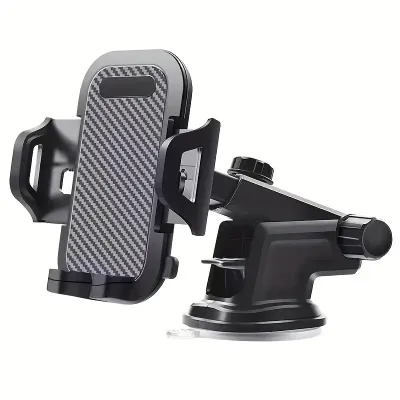

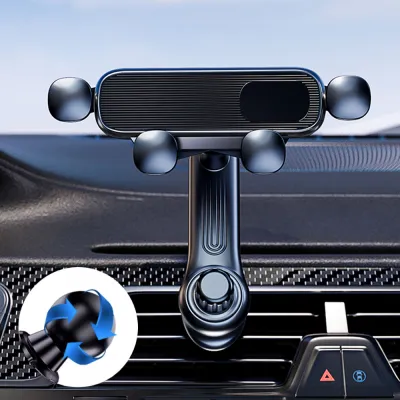

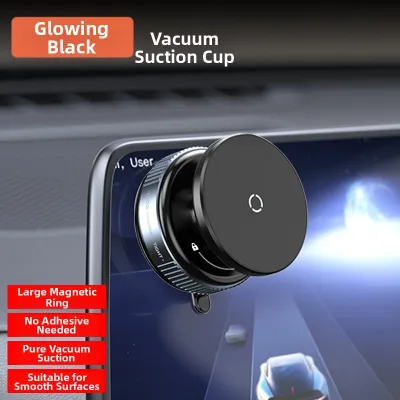
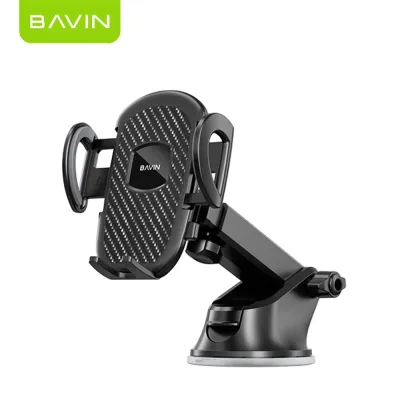
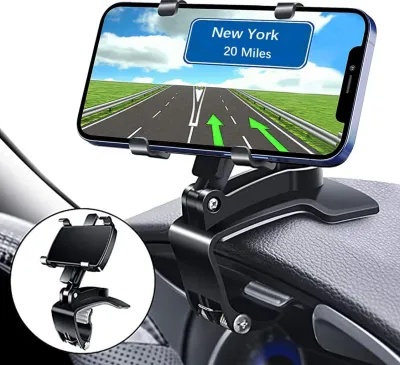
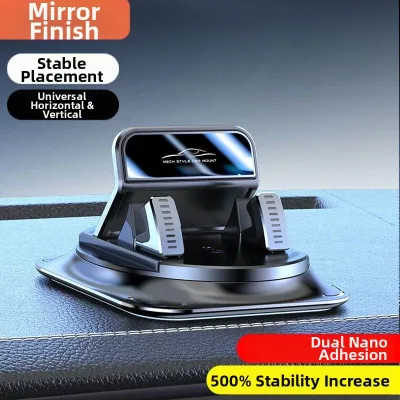
Prices are valid at publication and may change. Please refer to the product page for the latest price.
Stability and vibration dampening vary widely across these three mechanisms. Suction cup mounts with long, adjustable gooseneck arms are highly susceptible to road vibrations, causing the phone to shake when driving over uneven pavement or speed bumps. Vent mounts offer a more rigid connection because they sit flush against the dashboard structure, though they rely heavily on the tightness of the vent slats. Magnetic mounts provide excellent stability, provided the magnetic attraction is strong enough to handle sudden stops and sharp turns without letting the phone slip.
The impact on your vehicle’s interior aesthetics and cabin comfort is another critical factor. Vent mounts block a portion of your air conditioning airflow, which can noticeably reduce cooling efficiency in hot climates. Suction cups can leave circular residue rings on your windshield or permanently stretch and damage soft-touch leather dashboards over time. Magnetic mounts offer a clean, minimalist look, but they require you to either use a MagSafe-compatible iPhone or attach a semi-permanent metal plate to the back of your phone case.
Air Vent Mounts: Evaluating Quick Access and Dashboard Space
Before choosing an air vent mount, you must carefully inspect the physical design of your vehicle’s air conditioning vents. Most standard vent mounts are engineered specifically for traditional horizontal or vertical straight slats. If your vehicle features circular, turbine-style, or deeply recessed vents, standard claw-style clips will struggle to find a secure grip and may constantly slip off. Some manufacturers offer specialized adapters for circular vents, but these must be verified for compatibility with your specific vehicle model before purchase.

Fragile vent louvers are susceptible to physical damage if subjected to excessive weight or rough handling. Modern smartphones, especially larger models equipped with heavy camera modules, can weigh over 200 grams, placing significant downward leverage on thin plastic vent slats. Over time, this constant weight can loosen the vent mechanism, preventing you from adjusting the airflow direction even when the mount is removed. Furthermore, blocking a primary air conditioning vent can be highly inconvenient during hot afternoon drives when cabin cooling is a priority.
The ergonomic positioning of a vent mount keeps your phone within easy arm’s reach, making it highly convenient for quick interactions like changing a music track or checking a navigation map. Because the phone sits at dashboard level, you do not have to stretch your arm forward to reach the screen. However, this lower placement means you must look further down away from the road to view navigation prompts, which can momentarily divert your attention from traffic. Drivers of different heights should test whether a vent-mounted phone is obscured by the steering wheel rim from their natural seating position.
Suction Cup Mounts: Assessing Windshield and Dashboard Placement
Suction cup mounts offer unmatched versatility in placement, but their reliability depends entirely on the mounting surface. Smooth, non-porous glass provides the absolute best surface for a vacuum seal, allowing the mount to remain secure for months at a time. Textured plastic, curved dashboards, or soft-touch leather surfaces are far more challenging, as tiny air gaps can slowly compromise the vacuum seal. Many suction mounts include an adhesive dashboard pad to create a smooth mounting zone, but these adhesives can be difficult to remove and may discolor sensitive dashboard materials.
When positioning a suction cup mount on your windshield, you must remain mindful of local traffic regulations regarding driver visibility. In many jurisdictions, including the Philippines under the Anti-Distracted Driving Act, placing any device within the driver’s direct line of sight or in a way that obstructs the view of the road is strictly prohibited. To stay compliant and safe, windshield mounts should be positioned low and to the far left of the dashboard, or tucked neatly near the center console where they do not block your view of pedestrians or oncoming traffic.
The long-term durability of suction cups is heavily influenced by environmental factors, particularly intense cabin heat and direct sunlight. In tropical climates, the temperature inside a parked car can easily exceed 50 degrees Celsius, causing the flexible TPU or silicone suction pad to soften, degrade, or lose its sticky properties. This heat can liquefy the adhesive gel backing, leaving a sticky, hard-to-clean residue on your windshield or dashboard. If you regularly park your vehicle in uncovered, sunny areas, you may find yourself reinstalling a fallen suction mount more frequently than expected.
Magnetic Mounts: Weighing Convenience Against Case Compatibility
Magnetic mounting systems are highly praised for their effortless, one-handed operation, but they require specific hardware configurations to work safely. If you own a modern iPhone with built-in MagSafe technology, you can use a MagSafe-compatible magnetic mount directly without adding any extra accessories. However, if you use a thick, heavy-duty protective case, the magnetic pull will be significantly weakened unless the case itself features integrated MagSafe magnets. For non-MagSafe cases, you must adhere a thin metal plate to the exterior of the case, which can alter the look and feel of your phone.
Positioning a metal plate on the back of your phone requires careful planning if you rely on wireless charging. Placing a solid metal plate directly over the internal wireless charging coil will completely block the electromagnetic induction, preventing your phone from charging on home or office wireless pads. To avoid this, you must position the metal plate near the bottom edge of the phone, or opt for a ring-shaped magnetic adapter that leaves the center coil exposed. Always verify the manufacturer’s placement guidelines to ensure your charging capabilities remain fully functional.
Holding strength is a critical safety consideration, especially when driving over rough roads, potholes, or sudden speed bumps. Heavy-duty iPhone models, such as the Pro Max series, require exceptionally strong neodymium magnets to prevent the phone from shearing off the mount during sudden vehicle movements. When shopping for a magnetic mount, check the specified weight limits and look for models that feature a high-friction rubber face to prevent the phone from spinning or sliding off under its own weight.
How to Choose the Right iPhone Holder for Your Car
To select the ideal mounting solution, you must evaluate your specific vehicle cabin layout, your phone model, and your daily driving environment.
“Choose Air Vent if…” scenarios focus on preserving dashboard space and preferring a lower, centralized phone position. This option is ideal for drivers who change vehicles frequently, such as rental car users or fleet drivers, as vent mounts are highly portable and require no permanent installation. It is also the best choice if your vehicle has sturdy, horizontal vent slats and you do not mind sacrificing a portion of your air conditioning airflow.
“Choose Suction Cup if…” scenarios focus on needing a highly adjustable viewing angle or driving a vehicle with incompatible vent designs. This setup is highly suited for drivers who require precise adjustment of the phone’s height, angle, and distance, allowing the screen to be positioned closer to their natural line of sight. It is also the logical choice if you prefer to mount your phone on the windshield or a flat, non-textured section of the dashboard.
“Choose Magnetic if…” scenarios focus on rapid one-handed attachment and using a compatible case or willing to apply a metal plate. This is the most seamless option for MagSafe-compatible iPhone users who prefer a minimalist interior aesthetic without bulky mechanical clamps. It is highly effective for daily commuters who frequently get in and out of their cars and want to avoid fiddling with spring-loaded side arms.
“Verify first if…” reminders are essential to consult the vehicle owner’s manual for dashboard material warnings and check local transport laws for mounting restrictions. Some premium dashboards feature delicate leather or synthetic coatings that can be permanently creased or discolored by heavy suction cups or strong adhesives. Additionally, ensure your chosen mounting position complies fully with local transport laws to avoid costly fines and ensure a safe, distraction-free driving experience.
Frequently Asked Questions (FAQ)
Do magnetic car mounts damage the iPhone's internal components?
Modern smartphones, including all recent iPhone models, are entirely safe to use with magnetic car mounts. Older electronic devices used mechanical hard drives and magnetic storage media that could be corrupted by external magnetic fields, but modern iPhones utilize solid-state flash memory, which is unaffected by consumer-grade magnets. The internal sensors, screen, and battery are designed to operate safely around magnetic accessories, as evidenced by Apple’s own integration of MagSafe technology.
However, extremely strong magnetic fields can temporarily affect the calibration of the phone’s internal digital compass and magnetometer. If you notice that your navigation app’s directional arrow seems confused or points in the wrong direction, simply removing the phone from the magnetic mount for a few moments will allow the internal sensors to recalibrate automatically.
How do I clean a suction cup that has lost its grip?
If your suction cup mount has lost its adhesive grip due to dust, lint, or cabin heat, you can easily restore its holding power with basic maintenance. First, gently remove the mount from the surface and rinse the flexible suction pad under warm running water. Use a small drop of mild dish soap to wash away accumulated oils, dust, and chemical residues from the sticky polyurethane gel, taking care not to use abrasive sponges or harsh chemical cleaners.
Once clean, allow the suction cup to air dry completely; do not wipe it with a towel or tissue, as this will reintroduce lint to the sticky surface. Before reapplying the mount, thoroughly clean the windshield or dashboard surface with isopropyl alcohol to remove any dust or interior dressing sprays, ensuring a clean, airtight seal.
Can I use an air vent mount if my car has circular AC vents?
Standard claw-style air vent mounts are generally incompatible with circular or turbine-style air conditioning vents. The rotating outer rings and angled inner slats of circular vents do not provide the flat, stable surface required for traditional tension clips to grip securely. Attempting to force a standard clip onto a circular vent can cause the mount to spin freely, sag under the weight of the phone, or even crack the delicate plastic vent assembly.
If your vehicle features circular vents, you should look specifically for mounts that are explicitly labeled as compatible with round or turbine vents. These specialized mounts typically feature an elongated hook mechanism that anchors deep behind the vent structure, or a specialized expanding wedge that stabilizes the mount against the circular outer housing.
Community discussion
Share your experience or ask a question. Comments are reviewed before publication.