
Quick Answer: Which Phone Holder for Cars Is Best?
Finding the ideal phone holder for cars is a personal decision that depends heavily on your vehicle’s interior layout, your phone’s size, and local climate conditions. There is no single universal winner among air vent, suction cup, and magnetic mounts. Instead, the right choice is the one that aligns with your specific dashboard geometry and daily driving habits.
For drivers who prioritize keeping their devices cool during intensive GPS navigation, air vent mounts are highly effective. If you require flexible placement options or have a particularly large, heavy device, a suction cup or dashboard mount offers the necessary structural support. Meanwhile, magnetic mounts provide unmatched convenience, allowing for instantaneous, one-handed mounting and removal with a minimal visual footprint.
It is helpful to clarify a common point of confusion: while “air vent” and “suction cup” describe how the mount attaches to your car, “magnetic” describes how the phone attaches to the mount. Many magnetic holders actually use a vent clip or a suction cup base. However, because manufacturers typically market these as three distinct categories, comparing them directly helps you identify the exact combination of base attachment and phone grip that suits your needs.
Products mentioned in this guide
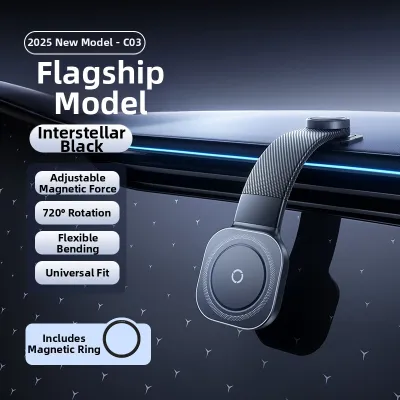
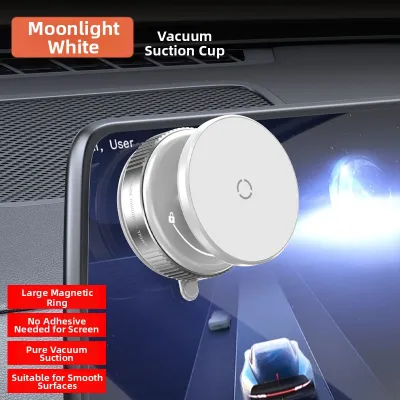

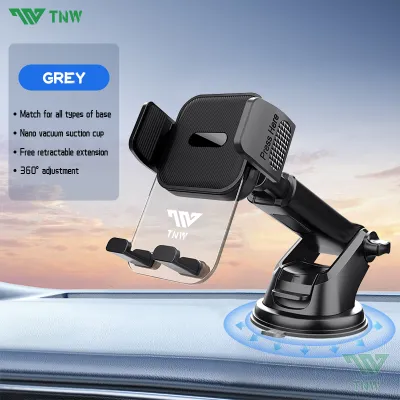
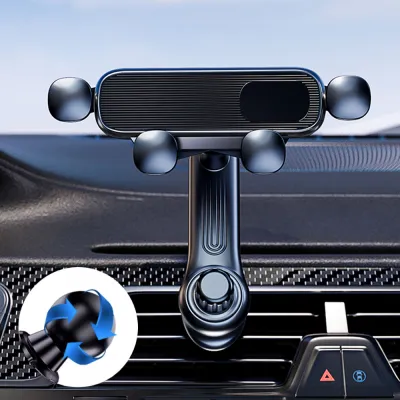
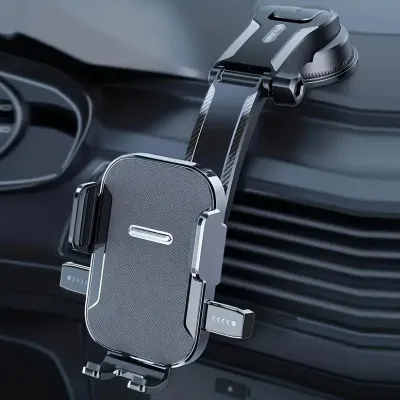
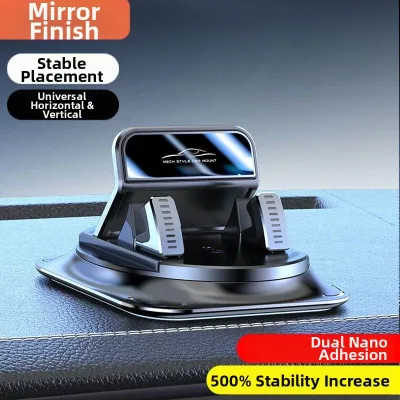
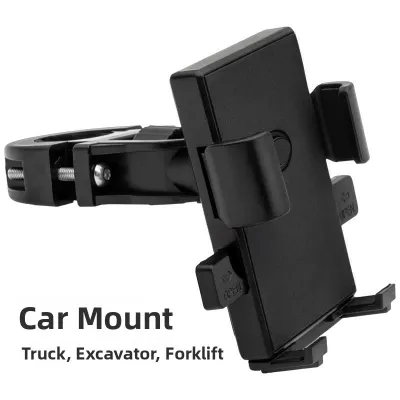
Prices are valid at publication and may change. Please refer to the product page for the latest price.
Air Vent Phone Holders: Pros, Cons, and Ideal Scenarios for Your Car
Air vent phone holders attach directly to the louvers of your vehicle’s heating, ventilation, and air conditioning (HVAC) system. They typically use a spring-loaded clamp, a gravity-based grip, or a screw-tightened hook that wraps around a single vent slat. This mounting method keeps your phone within your natural line of sight without requiring you to look down away from the road.

One of the most significant advantages of a vent mount is active temperature management. When running demanding GPS navigation apps under direct sunlight, smartphones generate substantial internal heat. In tropical climates, this can quickly lead to thermal throttling, screen dimming, or complete device shutdown. Positioning the phone directly in front of an active air conditioning vent provides continuous cooling, ensuring stable performance during long drives. Additionally, because these mounts sit lower on the dashboard, they keep your windshield completely clear, preserving your full field of view.
However, vent mounts introduce several distinct drawbacks. By placing a large smartphone directly in front of the register, you block a significant portion of the airflow intended for the cabin. Over time, the weight of a heavy device—especially when driving over uneven roads or speed bumps—can place severe mechanical stress on the delicate plastic louvers. This weight can cause the vents to sag downward or, in worst-case scenarios, snap the internal directional linkages. Furthermore, circular, deeply recessed, or highly stylized vents are often incompatible with standard horizontal or vertical vent clips.
This type of mount is ideal for drivers who own vehicles with sturdy, traditional horizontal or vertical vent slats. If you frequently use your phone for navigation on extended trips and notice your device getting warm, the active cooling benefit of a vent mount is invaluable. It is also an excellent choice for those who prefer to keep their dashboard and windshield entirely free of clutter and adhesive residues.
Suction Cup and Dashboard Mounts: Pros, Cons, and Ideal Scenarios
Suction cup and dashboard mounts rely on mechanical vacuum pressure or heavy-duty adhesives to secure themselves to either the windshield glass or the flat surfaces of the dashboard. Windshield mounts use a soft polyurethane cup and a locking lever to expel air and create a strong vacuum. Dashboard variants often combine this vacuum mechanism with a sticky gel pad or use a semi-permanent adhesive tape to bond with textured plastic surfaces.
The primary benefit of suction and dashboard mounts is their exceptional placement flexibility. Most models feature telescopic arms and ball joints that allow you to adjust the height, angle, and distance of your phone to achieve the perfect viewing position. Because they do not rely on your AC vents, they leave your cabin airflow completely unobstructed. These mounts are also highly robust, making them capable of supporting oversized smartphones, rugged cases, and even small tablets without sagging or slipping.
Despite their strength, these mounts are highly vulnerable to environmental factors, particularly intense heat and solar radiation. When a vehicle is parked under direct sunlight, the windshield glass can reach temperatures high enough to expand the tiny pocket of air trapped beneath the suction cup, causing the vacuum seal to fail and the mount to drop. Adhesive pads can also degrade over time, leaving a sticky, difficult-to-remove residue on your dashboard or causing soft-touch vinyl surfaces to discolor. Furthermore, mounting a large device on the windshield can create physical blind spots, potentially violating local road safety regulations regarding driver visibility.
This mounting style is best suited for drivers whose vehicles have fragile, circular, or uniquely angled AC vents that cannot support a clip-on mount. It is also the preferred choice for owners of large, heavy devices who require a highly adjustable viewing angle. If you do not mind dedicating a portion of your windshield or dashboard space to a mount, this category provides the most stable and adjustable physical support.
Magnetic Phone Holders: Pros, Cons, and Ideal Scenarios
Magnetic phone holders simplify the connection between your device and the mount by replacing mechanical clamps with high-strength magnets. The mount itself contains an array of neodymium magnets, which attract a thin metal plate attached to the back of your phone or tucked inside your phone case. For newer smartphones equipped with built-in magnetic arrays, these mounts can often connect directly without any additional accessories.
The standout feature of magnetic mounts is their effortless, one-handed usability. You can mount or remove your phone in a fraction of a second, with no mechanical arms to press, clamp, or release. This makes them highly convenient for drivers who make frequent short stops and need to take their phone with them each time. Because there are no side clamps, your phone’s volume and power buttons remain completely unobstructed, and the mount itself maintains an incredibly sleek, low-profile appearance when the phone is not attached.
However, magnetic systems come with practical trade-offs. If your phone does not have native magnetic capabilities, you must adhere a metal plate to the back of your device or its case, which some users find aesthetically unappealing. This metal plate can also block Qi wireless charging coils, forcing you to position the plate carefully at the very bottom of the phone or remove the case entirely to charge wirelessly. Additionally, while high-quality magnetic mounts offer impressive holding power, exceptionally heavy phones paired with thick cases may slip or rotate when driving over severe potholes or rough provincial roads.
Magnetic holders are ideal for minimalists who appreciate clean interior aesthetics and value rapid, hassle-free mounting. They are particularly well-suited for drivers who use thin phone cases or devices with native magnetic compatibility. If your daily commute involves smooth urban roads and frequent stops, the convenience of a magnetic connection is difficult to match.
Head-to-Head Comparison: Stability, Accessibility, and Interior Impact
To help you weigh these options, it is useful to compare how each mount type performs across the core dimensions of daily driving. While individual product designs vary, each category exhibits distinct structural characteristics that affect stability, ease of use, and vehicle compatibility.
The following table summarizes the general performance characteristics of each mount type under standard operating conditions:
| Feature / Dimension | Air Vent Mounts | Suction Cup / Dash Mounts | Magnetic Mounts |
|---|---|---|---|
| Primary Mounting Location | AC vent louvers | Windshield glass or flat dashboard | Varies (available in vent, dash, or adhesive bases) |
| Device Size & Weight Compatibility | Best for light to medium devices; heavy phones can sag vents | Excellent; easily supports large, heavy, or rugged devices | Dependent on magnet strength; best with thin cases |
| Ease of One-Handed Operation | Moderate; mechanical clamps require physical guidance | Moderate; spring-loaded arms require some effort | Excellent; instantaneous tap-to-mount connection |
| Impact on Vehicle Interior | Blocks partial AC airflow; risk of scratching or breaking plastic slats | Can leave adhesive residue or temporary suction rings on glass | Minimal footprint; adhesive bases may leave residue |
| Performance in Hot & Humid Climates | Excellent; active AC cooling prevents phone overheating | Poor to moderate; high heat can cause suction and adhesives to fail | Varies based on base; magnetic connection itself is unaffected by heat |
When using this comparison, remember that the overall build quality of the specific product you choose plays a decisive role in its performance. A premium suction cup with a multi-stage vacuum lock may resist heat far better than a budget alternative, while a high-end magnetic mount with an upgraded magnetic array will hold heavy devices securely even on rough terrain. Always verify the manufacturer’s physical specifications and check user feedback regarding your specific phone model before making a purchase.
Decision Framework: How to Choose the Right Mount for Your Drive
Selecting the right mount involves matching your vehicle’s physical layout with your daily driving habits. By evaluating a few key conditions, you can narrow down the choices to the single most practical option.
Use this straightforward framework to guide your decision:
- Choose an Air Vent Mount if:
- Your smartphone frequently runs hot or displays temperature warnings during GPS navigation.
- Your vehicle features sturdy, traditional horizontal or vertical AC vent slats.
- You want to keep your windshield completely clear of obstructions to maintain maximum road visibility.
- Choose a Suction Cup or Dashboard Mount if:
- Your vehicle has delicate, circular, or unusually shaped AC vents that cannot support a clip.
- You use a large, heavy phone or a thick, rugged protective case.
- You prefer to position your phone closer to your natural line of sight near the windshield or lower on the center console.
- Choose a Magnetic Mount if:
- You prioritize fast, effortless mounting and removal during short, frequent trips.
- You use a phone with native magnetic compatibility or do not mind applying a thin metal plate to your case.
- You prefer a compact, unobtrusive mount that preserves the clean look of your car's interior.
Before finalizing your purchase, perform a quick physical inspection of your vehicle. Check the texture of your dashboard; highly textured, porous, or leather-wrapped surfaces are generally incompatible with suction cups and adhesives. If you decide on a vent mount, gently press on your AC slats to ensure they are firm and do not have excessive play. If you choose a magnetic mount, verify that the metal plate’s placement will not interfere with any wireless charging pads you use at home or in the office.
In terms of budgeting, car mounts generally fall into three broad price bands. Budget-friendly options under ₱300 offer basic functionality but may use thinner plastics or weaker adhesives. Mid-range choices between ₱300 and ₱800 typically introduce stronger clamping mechanisms, better heat-resistant silicone, or stronger magnetic arrays. Premium mounts priced above ₱800 often feature advanced materials, such as aluminum alloys, active cooling fans, or integrated wireless charging capabilities.
Installation and Safety Tips for Tropical Climates
Operating a vehicle in a hot and humid tropical climate like the Philippines presents unique challenges for car accessories. The combination of intense solar heat and high ambient humidity can rapidly degrade the physical bonds that hold your phone mount in place.
To prevent your mount from falling or damaging your vehicle, follow these essential preparation and installation steps:
- Thoroughly Clean the Surface: Before applying any suction cup or adhesive pad, clean the target area on your windshield or dashboard using isopropyl alcohol. Avoid using household glass cleaners or interior detailers, as they often leave behind thin chemical films or silicone residues that prevent proper adhesion.
- Allow Complete Drying and Curing: Ensure the cleaned surface is entirely dry. If you are using an adhesive-backed mount, apply it during the cooler hours of the morning or evening. Press and hold the base firmly for at least 30 seconds, and allow the adhesive to cure for 24 hours before hanging the weight of your phone on it.
- Utilize Active Cooling: If you opt for a vent mount, take advantage of your vehicle's air conditioning. Running the AC not only keeps you comfortable but also actively counteracts the high thermal load generated by your phone's screen, battery, and cellular modem when navigating in tropical heat.
Critical Safety Boundary: Regardless of the mount type you choose, you must never install a phone holder within the deployment zone of your vehicle’s airbags. Consult your vehicle’s owner’s manual to locate the exact positions of the driver, passenger, and side-curtain airbags. A phone or mount positioned over an airbag cover can become a high-velocity projectile in the event of a collision, posing a severe risk of injury to the occupants. Always ensure that your phone is mounted securely, does not obstruct your physical view of the road, and does not interfere with any mechanical controls.
Frequently Asked Questions (FAQ)
Do magnetic car phone holders damage smartphone internals or credit cards?
Modern smartphones are highly resilient to the magnetic fields generated by consumer car mounts. These mounts utilize small neodymium magnets that do not interfere with the solid-state flash memory, processors, or GPS sensors used in modern mobile devices. However, you should keep magnetic-sensitive items away from the mount. Items such as older credit cards with magnetic stripes, hotel key cards, transit passes, and mechanical watches can be temporarily or permanently disrupted if they come into direct contact with strong magnetic fields.
Can I use a suction cup mount on a textured dashboard?
Standard vacuum-based suction cups are generally unable to form an airtight seal on textured, porous, or soft-touch dashboard surfaces. The tiny microscopic gaps in the textured plastic allow air to slowly seep under the silicone cup, eventually causing the vacuum to fail and the mount to fall. If you must mount on a textured dashboard, look for products that include a smooth, adhesive-backed mounting disk. This disk adheres permanently to the textured surface, providing a flat, non-porous face for the suction cup to lock onto. If your dashboard material is highly sensitive or prone to damage, an air vent mount is a safer alternative.
Will an air vent mount break my car's AC louvers?
Heavy smartphones can place significant mechanical leverage on thin plastic AC louvers, especially when driving over potholes, speed bumps, or rough roads. Over time, this constant downward force can stretch, sag, or snap the delicate plastic slats or the internal linkages that control airflow direction. To minimize this risk, inspect the sturdiness of your vents before installation. If you have fragile vents, look for specialized vent mounts that feature an integrated support kickstand or a stabilizing hook. These designs distribute the weight of the phone downward against the solid structure of the surrounding dashboard rather than relying solely on a single plastic slat.
Community discussion
Share your experience or ask a question. Comments are reviewed before publication.