
Choosing between all-terrain (AT) and highway terrain (HT) tires is one of the most significant decisions a vehicle owner can make, directly impacting how a vehicle handles, rides, and costs to operate. Highway tires are engineered specifically for paved roads, prioritizing a smooth ride, minimal cabin noise, and optimal fuel efficiency.
In contrast, all-terrain tires are designed to balance on-road manners with off-road capability, allowing drivers to transition from smooth asphalt to gravel, dirt, or mud. The fundamental differences between these two categories lie in their physical tread patterns, rubber compounds, and internal construction.
Highway tires feature tightly packed, continuous tread blocks with narrow channels designed to quickly disperse water on smooth surfaces. All-terrain tires utilize larger, blockier tread designs with deep, wide voids that grab loose soil and eject debris. Understanding these mechanical variations is key to determining which tire type matches your daily driving habits, vehicle specifications, and budget.
Products mentioned in this guide
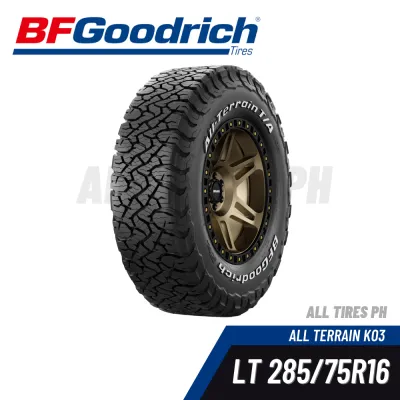
2 Lazada user ratings
super durable & the price much cheaper
good quality fast delivered
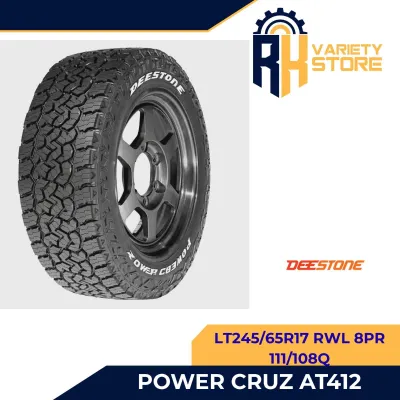
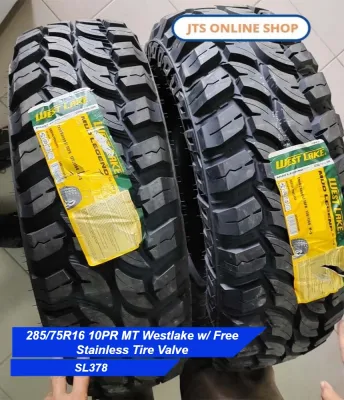
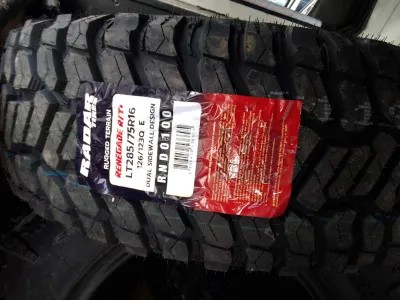
Prices are valid at publication and may change. Please refer to the product page for the latest price.
Ride Comfort and Road Noise: What to Expect
The physical shape of a tire’s tread directly dictates the level of vibration and sound transmitted into the vehicle cabin. Highway tires are designed with a focus on noise, vibration, and harshness reduction.
They typically feature continuous center ribs that maintain constant contact with the road surface, reducing the physical impact of the tire rolling over asphalt. Furthermore, manufacturers employ variable pitch tread sequencing on highway models.
This design technique varies the size and spacing of the tread blocks around the circumference of the tire, causing the sound waves generated by each block to cancel each other out rather than amplifying into a loud drone. The result is a quiet, car-like ride that minimizes driver fatigue during long highway journeys.
All-terrain tires, by contrast, present a very different acoustic profile. The large, blocky tread elements and wide lateral grooves necessary for off-road traction inevitably trap air as the tire rotates.
As this trapped air is compressed and released against the pavement, it creates a distinct humming or roaring sound, which typically becomes more pronounced at highway speeds. Additionally, the stiffer sidewalls and larger tread blocks of all-terrain tires do not absorb minor road imperfections as smoothly as highway tires, leading to a firmer ride and more noticeable vibrations through the steering wheel and cabin floor.
When shopping for tires, drivers should look for manufacturer-provided noise ratings or standardized decibel labels on the tire specification sheet to compare acoustic performance, rather than assuming all tires within a category perform identically.
Fuel Economy and Rolling Resistance Trade-offs
Every time a tire rotates, it undergoes deformation and recovery, a process that consumes energy and is measured as rolling resistance. Because highway tires feature a streamlined, lightweight design with an optimized contact patch, they require less energy from the engine to keep rolling.

This lower rolling resistance translates directly into better fuel economy, making them the more cost-effective choice for daily commuters and high-mileage drivers. The tread compounds used in highway tires are also formulated to minimize energy loss as heat, further enhancing their efficiency on paved roads.
All-terrain tires carry an inherent fuel economy penalty due to their heavier construction and aggressive tread geometry. The deeper tread depths, reinforced sidewalls, and additional steel or nylon belts required for off-road durability add significant unsprung weight to each wheel.
This extra mass, combined with the high rolling resistance of large, flexible tread blocks, forces the engine to work harder to accelerate and maintain speed. To evaluate these differences before purchasing, check the rolling resistance grades or fuel efficiency indicators on the tire’s official specification sheet.
Drivers can estimate the long-term financial impact by calculating the potential fuel cost difference over the tire’s lifespan. For instance, if an all-terrain tire reduces fuel efficiency by 5% to 10% compared to a highway tire, a driver covering 15,000 kilometers annually can expect to spend thousands of pesos (₱) more on fuel each year, depending on current local fuel prices.
Tread Life and Longevity on Pavement vs Dirt
Tread life is determined by a combination of rubber chemistry, tread design, and the surfaces on which the tire is driven. Highway tires are constructed using harder, highly cohesive rubber compounds optimized for consistent friction against smooth asphalt.
This chemical formulation, paired with a flat, stable contact patch that distributes vehicle weight evenly, helps prevent uneven wear and extends the overall mileage capability of the tire. Consequently, highway tires generally carry higher Uniform Tire Quality Grading (UTQG) treadwear ratings and longer manufacturer mileage warranties, making them highly durable when kept strictly on paved surfaces.
All-terrain tires require a different chemical approach to handle off-road hazards. They often utilize specialized rubber compounds designed to remain flexible and resist cutting, chipping, and tearing when scraping against sharp rocks, gravel, and tree roots.
However, when these softer, chip-resistant compounds are driven exclusively on hot, abrasive highway pavement, they tend to wear down more rapidly than their highway-focused counterparts. The tall, independent tread blocks of all-terrain tires are also more susceptible to heel-and-toe wear if the tires are not rotated regularly.
To make an objective comparison, always check the UTQG treadwear rating—a standardized three-digit number where higher numbers indicate longer tread life under controlled testing—and compare the specific mileage warranties offered by manufacturers for each model.
How to Choose the Right Tire for Your Driving Mix
Selecting the correct tire category requires an honest assessment of your actual driving habits, road conditions, and vehicle requirements. Rather than choosing a tire based on aesthetic appeal, drivers should base their decision on the percentage of time spent on different terrains.
Choose highway tires if your driving profile consists of 90% or more on paved roads, city streets, and expressways. If you prioritize a quiet cabin, maximum fuel economy, a plush ride, and a long tread life warranty, highway tires are the logical choice. They are ideal for family SUVs, crossovers, and commuter pickups that rarely, if ever, leave the asphalt.
Choose all-terrain tires if you frequently navigate unpaved provincial roads, gravel paths, muddy construction sites, or sandy terrain in the Philippines. If your work or lifestyle requires driving through rural areas where roads are poorly maintained or entirely unpaved, the aggressive tread blocks and reinforced sidewalls of an all-terrain tire provide the necessary traction and puncture resistance to prevent getting stranded.
Before making any final purchase or switching tire categories, you must verify your vehicle’s original specifications. Check the vehicle owner’s manual or the tire placard on the driver’s door jamb to confirm the required load index, speed rating, and recommended tire dimensions.
Installing tires with an inadequate load index or speed rating can compromise vehicle stability and safety. Additionally, ensure that the physical dimensions of the new tires—especially if you are considering larger all-terrain sizes—will clear the wheel wells, suspension components, and brake calipers without rubbing. For any modification from original equipment specifications, consult a qualified tire technician to ensure road legality and safe installation.
Frequently Asked Questions (FAQ)
Can I use highway tires during the rainy season in the Philippines?
Yes, modern highway tires are highly capable and safe to use during the heavy downpours of the Philippine rainy season, provided they have adequate tread depth. These tires are specifically engineered with deep circumferential grooves and numerous lateral sipes—tiny slits in the tread blocks—that act as water channels.
As the tire rolls, these channels pump water away from the contact patch to maintain direct rubber-to-road contact, significantly reducing the risk of hydroplaning on wet asphalt. Rather than switching to all-terrain tires for wet weather, drivers should focus on checking the tire’s wet traction rating (such as the UTQG traction grade of A or AA) and regularly monitoring tread depth to ensure safe wet-weather performance.
Will switching to all-terrain tires affect my speedometer?
Switching to all-terrain tires will not affect your speedometer as long as you install the exact same tire size recommended by your vehicle manufacturer (for example, replacing a factory 265/65R17 highway tire with a 265/65R17 all-terrain tire). However, many drivers choose to upsize to a larger overall diameter when switching to all-terrain tires to gain ground clearance or a more rugged appearance.
If you install a tire with a larger outer diameter, the tire will travel further with each revolution, causing your speedometer to read slower than your actual road speed. This discrepancy can also affect odometer readings, transmission shift points, and electronic stability control systems. If you plan to change tire dimensions, always consult the vehicle documentation and a professional installer to determine if speedometer recalibration is necessary.
Community discussion
Share your experience or ask a question. Comments are reviewed before publication.