
Choosing between alloy wheels—frequently referred to as a mags wheel for car upgrades—and traditional steel wheels is a decision that directly affects your vehicle’s handling, durability, and overall operating costs. While alloy wheels are celebrated for their aesthetic appeal, lightweight properties, and thermal efficiency, steel wheels remain the standard for ruggedness and budget-friendly utility. The optimal choice is not universal; instead, it depends on your daily driving conditions, vehicle application, and budget. By understanding the physical properties of both materials, you can make an informed decision that aligns with your driving needs.
How Weight Impacts Handling and Ride Quality
To understand how wheel weight affects your driving experience, it is essential to look at the concept of unsprung weight. Unsprung weight refers to any automotive component that is not supported by the vehicle’s suspension system, including the wheels, tires, brake assemblies, and wheel bearings. When you reduce unsprung weight, you allow the suspension to react more rapidly to road imperfections, bumps, and sudden changes in direction.
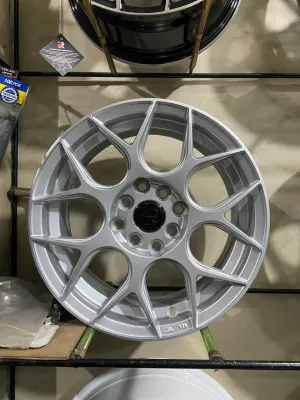
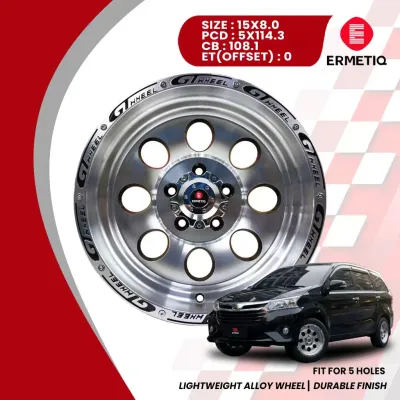
Alloy wheels, which are typically made from an aluminum or magnesium blend, generally feature a much lighter profile than their steel counterparts. This reduction in mass means the suspension has less inertia to overcome, which can translate to sharper steering response, more agile cornering, and a more compliant ride over uneven surfaces. For drivers navigating winding roads or frequent stop-and-go city traffic, the lighter weight of a mags wheel for car installations can make the vehicle feel noticeably more responsive.
Products mentioned in this guide
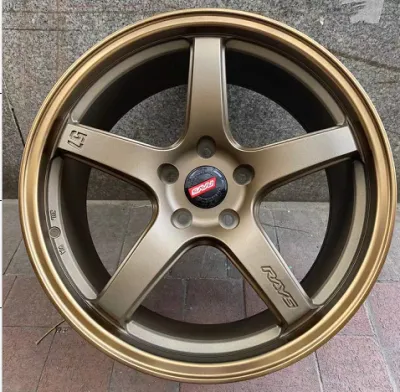
![[Must Order 4 Units]Performance Alloy Wheels 15–18” | Multiple PCD | Civic Camry Altis Hilux Ranger](https://img.lazcdn.com/g/p/508c48a4537f6a40268b302e28c6f4e0.jpg_400x400q80.jpg_.webp)
2 Lazada user ratings
Rays engineering makes it good, elegant and glossy and sporty look. Hopefully it's durable to sustain even on off-road and rugged terrain.
🎨Design:I like the design it's elegant and sporty look with the glossy finish can really eye catching. Thanks for RAYS Wheels original..
11 Lazada user ratings
Highly Recommend Seller.. Very Responsive.. Also the packing is secure naka double insulation yung box .. thanks seller.Enhance your car's p…Read full reviewShow less
Highly Recommend Seller.. Very Responsive.. Also the packing is secure naka double insulation yung box .. thanks seller.Enhance your car's performance with these wheels.
Enhance your car's performance with these wheels, Excellent customer service from the seller, Easy installation and perfect fit,
Ok naman may scratch kunti, oks lang pero di pa nakabit size ng gulong ko 14 lang hayysss sana makabot to..
Excellent customer service from the seller, Enhance your car's performance with these wheels,
Quality:10 Appearance:10 Performance:10 thanks po... mas gwapo na po Mirage ko... 🥰
1 Lazada user ratings
Quality:ok naman arrived good condition

Prices are valid at publication and may change. Please refer to the product page for the latest price.
Conversely, steel wheels are constructed from pressed steel, making them significantly heavier. This added mass increases the unsprung weight of the vehicle. While this extra weight can sometimes make a car feel more planted and stable when driving in a straight line on smooth highways, it generally slows down steering response and can increase wear on suspension components like bushings, shocks, and struts over time. It is important to note, however, that any perceived handling improvements are highly dependent on your specific wheel design, tire pairing, and overall vehicle suspension setup.
Evaluating Strength and Pothole Durability
Road conditions play a massive role in determining which wheel material will serve you best over the long term. In regions prone to heavy rains, seasonal flooding, and sudden potholes, the structural durability of your wheels is a primary safety concern. The way alloy and steel react to severe impacts highlights one of the most significant differences between the two materials.

Steel is a highly malleable material. When a steel wheel experiences a harsh impact—such as striking a deep pothole or a sharp curb—it tends to bend rather than break. This malleability is a major safety advantage because a bent wheel usually retains tire pressure, allowing you to drive safely to a service center. Furthermore, minor bends in steel wheels can often be hammered back into shape by a professional, restoring the wheel’s utility without requiring a complete replacement.
Alloy wheels are much more rigid. While this rigidity prevents them from flexing under normal cornering loads, it also makes them more brittle under extreme stress. When an alloy wheel suffers a severe impact, it is more likely to crack, fracture, or chip rather than bend. A cracked alloy wheel cannot be safely driven on and typically requires immediate replacement, as specialized welding repairs can compromise the structural integrity of the wheel.
Before purchasing any new wheels, always check the manufacturer’s load ratings and structural specifications to ensure they are rated for your vehicle’s weight and intended use. If your daily commute involves unpaved routes, gravel roads, or poorly maintained city streets, the rugged durability of steel wheels may offer greater peace of mind.
Heat Dissipation and Braking Performance
Braking systems generate an immense amount of heat, especially during prolonged use. How your wheels manage this thermal energy can affect both braking performance and the lifespan of your brake components. Aluminum alloy is an excellent thermal conductor, meaning it naturally draws heat away from the brake rotors and calipers much more efficiently than steel.
This superior heat dissipation helps keep the braking system running cooler. The practical benefit of this thermal efficiency is most noticeable during demanding driving scenarios, such as descending steep mountain roads, towing heavy loads, or navigating dense traffic in hot, tropical climates. By keeping temperatures down, alloy wheels can help reduce the risk of brake fade—a dangerous condition where braking efficiency drops due to overheating.
Steel wheels, by contrast, act more like heat sinks, trapping thermal energy around the brake assembly for longer periods. While this is rarely an issue during normal, low-speed daily commuting, it can accelerate brake wear under heavy-duty conditions. However, it is crucial to remember that while wheels assist in thermal management, your brake pad compound, rotor size, and brake fluid condition remain the primary factors in your vehicle’s overall stopping power.
Comparing Costs, Repairs, and Maintenance
Budget considerations involve both the upfront purchase price and the long-term maintenance costs associated with each wheel type. Steel wheels are manufactured using a relatively simple stamping process, making them highly cost-effective. If you are looking for a budget-friendly replacement or a secondary set of wheels for utility use, steel is almost always the more economical choice.
Alloy wheels require more complex casting or forging manufacturing processes, which commands a premium price. Beyond the initial purchase, repairing damaged wheels introduces another cost variable. Because steel wheels can often be straightened after minor bends, repair costs are generally low. Cracked or severely bent alloy wheels, however, usually require complete replacement to ensure road safety, which can become expensive.
Cosmetic maintenance also differs between the two materials. In highly humid environments or coastal areas with salty air, steel wheels are highly susceptible to rust if their protective paint or powder coating is chipped. Regular inspections and touch-up painting are necessary to prevent corrosion from spreading. Alloy wheels do not rust in the same manner, but they can suffer from clear coat peeling, pitting, or galvanic corrosion. To maintain their appearance, you must use only label-authorized wheel cleaners and avoid harsh chemicals that can strip the protective clear coat.
Alloy vs. Steel Wheels: Side-by-Side Breakdown
To help you quickly compare the primary characteristics of alloy and steel wheels, the following table outlines how each material performs across key categories. Keep in mind that actual performance can vary based on specific wheel designs, manufacturing methods (such as cast versus forged alloys), and tire selections.
| Feature | Alloy Wheels (Mags) | Steel Wheels |
|---|---|---|
| Weight | Lighter (improves suspension response) | Heavier (increases unsprung mass) |
| Impact Resistance | Rigid; prone to cracking under extreme impact | Malleable; prone to bending under extreme impact |
| Heat Dissipation | High (efficiently cools brake components) | Moderate (retains heat longer) |
| Repairability | Low (cracks usually require replacement) | High (bends can often be straightened) |
| Relative Cost | Premium upfront pricing | Budget-friendly upfront pricing |
| Corrosion Risk | Clear coat peeling; galvanic corrosion | Surface rust if protective paint is damaged |
Decision Guide: Which Wheel Type Fits Your Car?
Choosing the right wheel type requires matching the material’s characteristics to your specific driving habits, vehicle type, and budget.
Choose Alloy Wheels If:
- You prioritize vehicle aesthetics and want to customize your car's appearance with a modern mags wheel for car design.
- You want to optimize handling, steering response, and ride comfort for daily highway or city driving.
- You frequently drive in hilly or mountainous terrain where efficient brake cooling is beneficial.
Choose Steel Wheels If:
- You operate a utility vehicle, pickup truck, or commercial van that carries heavy loads over rough terrain.
- You frequently navigate poorly maintained roads with deep potholes, where wheel impact resistance and repairability are crucial.
- You are working within a strict budget and want a reliable, low-cost wheel option.
Verify First Checklist: Before purchasing any new wheels, it is critical to verify compatibility to ensure safe operation. Never rely solely on general category descriptions.
- Bolt Pattern: Ensure the wheel's bolt pattern matches your vehicle's hub exactly.
- Offset and Backspacing: Verify that the wheel offset keeps the tire centered correctly within the wheel well without rubbing against suspension components or body panels.
- Load Rating: Confirm that the wheels are rated to support your vehicle's maximum gross vehicle weight rating (GVWR).
- Caliper Clearance: Ensure there is adequate physical clearance between the wheel spokes and your brake calipers.
Safety Warning: Because wheels are critical safety components, always consult your vehicle’s original owner’s manual for factory specifications. Any wheel installation, tire mounting, or balancing should be performed by a qualified professional using calibrated torque wrenches to ensure the wheel nuts are tightened to the manufacturer’s exact specifications.
Frequently Asked Questions (FAQ)
Can I mix alloy and steel wheels on the same car?
Mixing alloy and steel wheels on the same vehicle is highly discouraged due to the significant differences in weight and structural behavior between the two materials. Having mismatched unsprung weight across your axles can lead to unpredictable handling, uneven tire wear, and compromised braking balance, especially during emergency maneuvers. If you must use a temporary spare wheel of a different material, drive at reduced speeds and have the correct matching wheel installed as soon as possible. Always consult your vehicle manufacturer’s guidelines regarding mixed wheel setups.
Do alloy wheels improve fuel economy?
Because alloy wheels are generally lighter than steel wheels, they reduce the vehicle’s rotational mass, which theoretically makes it easier for the engine to accelerate. While this can lead to minor improvements in fuel efficiency during stop-and-go city driving, the real-world savings are often marginal. Any potential fuel economy gains can easily be offset by installing wider tires, carrying heavy cargo, or driving with incorrect tire pressures. To achieve meaningful fuel savings, prioritize regular engine maintenance, correct wheel alignment, and maintaining the manufacturer-recommended tire pressure.
Community discussion
Share your experience or ask a question. Comments are reviewed before publication.