
Quick Answer: Which Alpinestars Boot Style Fits Your Riding?
Choosing between Alpinestars commuting boots and touring boots depends on where you ride, how long you stay in the saddle, and what you do once you reach your destination. Commuting boots prioritize walkability, breathability, and a low-profile style for daily urban use, while touring boots focus on extended lower-leg coverage, weatherproofing, and long-hour riding comfort.
Use this direct decision framework to guide your purchase:
- Choose Alpinestars commuting boots if your daily routine involves heavy city traffic, frequent stops, walking off the bike at your destination, and you prefer a casual, sneaker-like or low-cut aesthetic.
- Choose Alpinestars touring boots if you regularly take long provincial rides, face unpredictable weather, need maximum lower-leg protection, and prioritize all-day riding support over walking ease.
- Verify first if you plan to mix both riding styles heavily. If you do, you must prepare to compromise on either off-bike walkability or maximum weather protection, or consider owning two dedicated pairs of riding boots to suit different trips.
Core Design Philosophy: City Agility vs. Long-Distance Endurance
The fundamental differences between these two categories lie in their physical build and structural engineering. Alpinestars designs each line to interact differently with your motorcycle’s controls and the surrounding environment, balancing protection with practical ergonomics.
Products mentioned in this guide
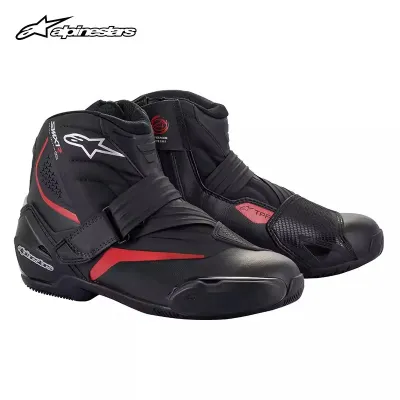
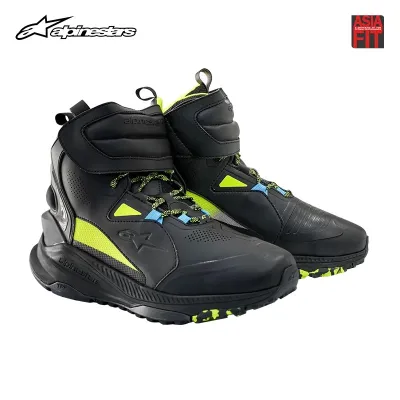
Prices are valid at publication and may change. Please refer to the product page for the latest price.

Commuting Boots: Low-Profile and Walkable
Alpinestars commuting boots, often styled as riding shoes or low-cut boots, are engineered for the rider who transitions constantly between the motorcycle and the pedestrian world. These boots typically feature a lower cut that sits at or just above the ankle. This design allows for maximum ankle articulation, making it easier to perform quick gear shifts, modulate the rear brake, and plant your feet firmly at traffic lights during stop-and-go city riding.
The materials used in commuting boots—such as lightweight microfiber, suede, canvas, or supple leather—are chosen for their flexibility. The soles are designed with walking comfort in mind, often incorporating cushioned midsoles and flexible compounds that mimic everyday sneakers. Despite their casual appearance, they integrate subtle protective elements, including hidden ankle cups, reinforced heel counters, and internal toe boxes. These features provide essential impact and abrasion protection without creating a stiff, bulky profile that looks out of place in an office or cafe.
Touring Boots: Extended Coverage and All-Weather Ready
In contrast, Alpinestars touring boots are built for sustained endurance and defense against the elements. These boots feature a tall shaft that extends up to the mid-calf or shin. This extended coverage is critical for protecting the lower leg from road debris, engine heat, and severe impacts during high-speed highway travel.
The construction of a touring boot is significantly stiffer than that of a commuting boot. The uppers are typically made from heavy-duty synthetic leather or thick full-grain leather, reinforced with external TPU (thermoplastic polyurethane) shin plates and ankle protectors. The soles are highly structured, featuring internal steel or polypropylene shanks that support the arch of the foot. This rigidity reduces foot fatigue when standing on the footpegs for long periods and prevents the foot from twisting in a crash. Additionally, touring boots focus heavily on weather sealing, utilizing integrated waterproof membranes and secure closure flaps to keep your feet dry and warm over hundreds of kilometers.
Feature Breakdown: Protection, Weatherproofing, and Ergonomics
To make an informed decision, you must look closely at the technical specifications and product labels. The table below compares the key functional features of Alpinestars commuting and touring boots to help you evaluate what to look for when shopping.
| Feature Category | Commuting Boots (Urban Focus) | Touring Boots (Long-Distance Focus) | What to Verify on the Label |
|---|---|---|---|
| Ankle & Shin Protection | Hidden, dual-density ankle cups; minimal shin protection. | Extended TPU shin plates; reinforced lateral and medial ankle protectors. | Check for CE certification markings (EN 13634) and the specific protection levels listed on the internal tag. |
| Sole Stiffness & Grip | Flexible soles for comfortable walking; optimized for urban asphalt grip. | Rigid soles with internal shanks for footpeg support; oil-resistant, deep-tread patterns. | Check the product description for shank materials and verify if the sole is rated for transverse rigidity. |
| Weather Resistance | Highly breathable linings; optional water-resistant coatings or light membranes. | Fully waterproof and breathable membranes (e.g., Gore-Tex or Drystar); windproof barriers. | Look for official "Drystar" or "Gore-Tex" labels on the boot exterior or product packaging. |
| Closure System | Speed laces, casual straps, or light side zippers for quick on-and-off. | Heavy-duty side zippers, wide hook-and-loop calf adjustment flaps, ratchet buckles. | Ensure the closures are robust, covered by storm flaps, and designed to prevent water ingress. |
| Shift Pad & Heel | Minimalist shift pads blended into the design; reinforced internal heel counters. | Large, TPU-reinforced shift pads; heavy-duty external heel sliders or cups. | Check the thickness of the shift pad material and ensure it covers your bike's shifter contact point. |
How to Read the Spec Sheet
When reviewing Alpinestars product documentation, do not rely solely on marketing terms. Always check the official CE safety label sewn inside the boot. The European standard EN 13634 rates protective footwear for motorcycle riders. The label displays four numbers (e.g., 2 2 2 1), which represent performance levels (Level 1 or Level 2) for:
- Height of the upper: Level 1 indicates a shorter boot (common in commuting), while Level 2 indicates a taller boot (standard for touring).
- Impact abrasion resistance: How well the boot protects against road rash.
- Impact cut resistance: How well the materials resist penetration by sharp objects.
- Transverse rigidity: The sole's resistance to crushing if the bike falls on your foot.
Touring boots generally aim for Level 2 across all categories, whereas commuting boots often settle for Level 1 in height and rigidity to preserve walking flexibility.
Choosing the Right Boot for Philippine Riding Conditions
Riding in the Philippines presents unique environmental challenges, from intense tropical heat and high humidity to sudden monsoon downpours and severe urban congestion. Your choice of Alpinestars footwear should directly reflect these local realities.
Navigating the Urban Heat and Gridlock
If your primary ride is a daily commute through Metro Manila, Metro Cebu, or other highly congested urban centers, heat management and flexibility are your top priorities. Sitting in bumper-to-bumper traffic on major roads like EDSA or C5 generates immense engine heat, while the tropical sun heats the asphalt.
In these conditions, Alpinestars commuting boots with ventilated textile panels or perforated leather are highly advantageous. They allow airflow to cool your feet, preventing excessive sweat build-up that can lead to discomfort and fungal issues. Furthermore, the constant need to dab your feet, balance the motorcycle at low speeds, and occasionally walk your bike through tight parking spaces makes the lightweight, flexible sole of a commuting boot far more practical than a stiff, heavy touring boot.
Preparing for Provincial Highways and Monsoons
If you frequently escape the city for long-distance weekend rides along scenic provincial routes—such as the Marilaq Highway, the Halsema Highway, or coastal loops—the riding dynamic changes completely. At higher speeds, you face wind chill, flying gravel, and unpredictable weather changes. A sudden afternoon downpour can quickly turn a pleasant ride into a cold, wet hazard.
For these journeys, Alpinestars touring boots equipped with a Drystar or Gore-Tex membrane are essential. These membranes block external water from entering while allowing sweat vapor to escape, keeping your feet dry during heavy monsoons. The tall shin protection guards against stones kicked up by trucks, and the rigid sole prevents arch fatigue caused by hours of resting on narrow footpegs.
The Reality of a Single-Boot Compromise
It is highly difficult for a single pair of boots to perform perfectly in both extreme wet-season touring and dry-season city commuting. If you wear a heavy, fully waterproof touring boot for a short midday commute in Manila, your feet will likely overheat and sweat excessively due to the lack of direct ventilation. Conversely, if you wear a highly ventilated commuting shoe on a long highway trip during the rainy season, your feet will quickly become soaked, cold, and vulnerable to impact.
If your budget allows, investing in two dedicated pairs is the safest and most comfortable approach. If you must choose only one, evaluate your most frequent riding scenario. If 80% of your riding is daily commuting, buy a highly breathable commuting boot and carry a pair of waterproof shoe covers for sudden rains. If you prioritize weekend touring and long-distance safety above all else, choose a touring boot and accept the added weight and warmth during your occasional city rides.
Fit, Sizing, and Pre-Purchase Verification
To ensure your Alpinestars boots provide the intended protection and comfort, you must achieve a correct fit and verify the product’s details before finalizing your purchase.
Sizing and Trying on Your Boots
When trying on riding boots, always wear the exact socks you plan to use while riding. Thick, moisture-wicking motorcycle socks will affect how the boot fits around your toes and heel. Additionally, wear your typical riding pants (whether riding jeans or heavy textile touring pants) to check how they integrate with the boot:
- For commuting boots: Ensure your pants can easily drape over the ankle collar without bunching up or exposing your skin when your knees are bent in a riding position.
- For touring boots: Verify whether you prefer to tuck your pants inside the tall boot shaft or wear the boot under your pant legs. Ensure the calf adjustment flaps on the boot can close securely over your pants without restricting circulation.
Managing the Break-In Period
Stiff touring boots and leather commuting shoes require a break-in period. While the materials will soften and conform to your feet over time, the boots should never cause acute pain, pinching, or hot spots during your initial try-on. You must maintain enough ankle flexibility to operate your motorcycle’s shift lever and rear brake pedal safely from day one. If a boot restricts your foot movement so severely that you cannot feel the controls, consider a different model or size.
Pre-Purchase Verification Checklist
Before you purchase your boots from an online marketplace, official brand store, or physical retail outlet, perform these verification steps:
- Check the Sizing Chart: Alpinestars uses European (EU) sizing. Compare your foot measurements carefully against their official size guide, as sizing can vary slightly between casual riding shoes and heavy touring boots.
- Verify Authenticity and Safety Labels: Ensure the packaging and the boots themselves feature genuine Alpinestars branding, hologram tags (where applicable), and the official CE safety label (EN 13634) sewn inside the tongue or shaft.
- Review the Return and Exchange Policy: If purchasing online, verify the platform's return policy. Keep all tags attached and test the fit indoors on a clean surface first. Do not ride in the boots or wear them outdoors until you are completely satisfied with the fit, as dirty soles or scuffed leather will void your ability to exchange them.
- Confirm Care Instructions: Check the manufacturer's care label. Leather boots require regular conditioning to maintain water resistance and prevent cracking, while textile boots require specific cleaning agents. Always follow the official care instructions to avoid damaging the waterproof membranes or compromising the materials.
Frequently Asked Questions (FAQ)
Can I use Alpinestars touring boots for daily city commuting?
Yes, you can physically wear them, but it is often impractical for daily urban use. The rigid soles, tall shafts, and heavy weatherproofing layers of touring boots restrict ankle movement in tight, stop-and-go traffic. They also tend to trap heat, leading to hot, sweaty feet during warm commutes in cities like Manila. Additionally, their stiff construction and heavy weight make walking around offices, malls, or public spaces highly uncomfortable.
Are commuting boots safe enough for highway riding?
Alpinestars commuting boots provide excellent basic protection for urban speeds, featuring reinforced ankle, heel, and toe counters. However, they are not designed for the high-speed demands of highway riding or long-distance touring. They lack the extended shin plates needed to protect against high-velocity road debris and do not offer the transverse rigidity required to protect your foot from crushing forces during a high-speed slide. For highway travel, a dedicated touring boot with a higher CE safety rating is highly recommended.
Community discussion
Share your experience or ask a question. Comments are reviewed before publication.