
Riding a motorcycle in a tropical climate presents a unique set of challenges. The intense heat, high humidity, and sudden heavy downpours require gear that can keep you cool without compromising your safety on the road. When choosing an Alpinestars jacket, riders often find themselves deciding between mesh and textile constructions. Both options offer distinct advantages, but finding the right balance depends heavily on your daily riding environment, typical speeds, and personal tolerance for heat.
A mesh jacket is designed primarily to maximize airflow, making it highly effective for slow-moving city traffic where wind resistance is minimal. On the other hand, a textile jacket offers robust wind deflection and generally higher abrasion resistance, which is highly beneficial for highway speeds and unpredictable weather. To make an informed decision, you must look closely at how these garments are constructed, how they perform under tropical conditions, and how their safety features are certified.
Understanding Mesh and Textile Jacket Construction
To understand how an Alpinestars jacket performs, you must first look at its structural foundation. Mesh and textile jackets utilize different weaving techniques and fabric densities to achieve their respective goals. By checking the manufacturer labels and internal material tags, you can identify exactly what materials are used in the chassis of the jacket.
Products mentioned in this guide
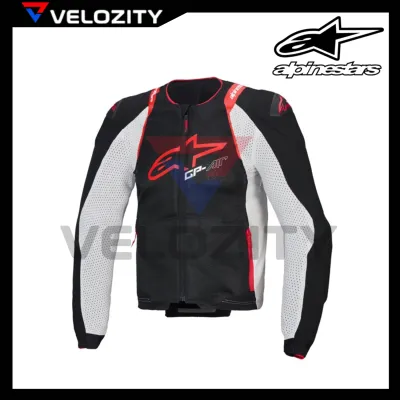
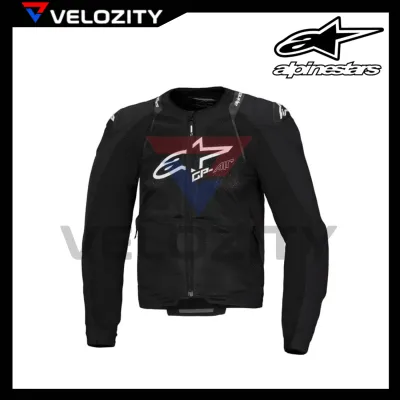
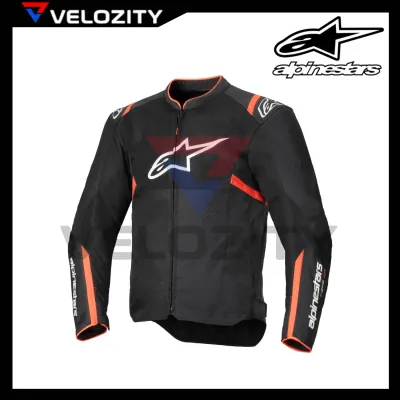
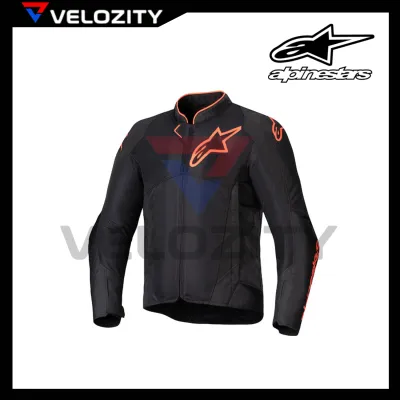
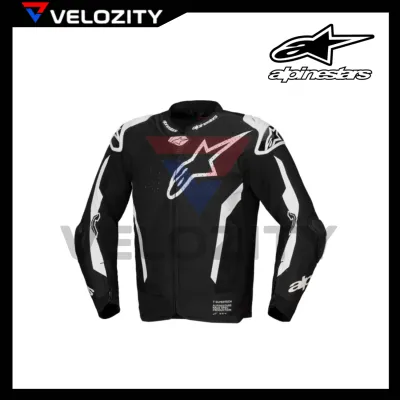
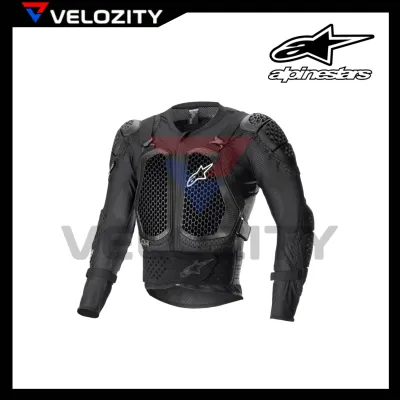
Prices are valid at publication and may change. Please refer to the product page for the latest price.
Mesh construction is characterized by open-weave panels integrated into the main body of the garment. These panels are typically made from polyester or nylon threads woven loosely enough to create visible, microscopic holes. This design allows air to flow directly through the fabric to cool your body. The surrounding chassis of a mesh jacket is usually reinforced with solid textile panels in critical areas to maintain structural integrity.
Textile construction, by contrast, relies on tightly woven synthetic fabrics. These materials, often heavy-duty polyester or polyamide, are rated by denier (such as 600D or 800D), which measures the thickness and weight of the individual threads. A higher denier rating generally indicates a denser, more abrasion-resistant fabric. Because the weave is tight, solid textile jackets naturally resist wind and water penetration much better than mesh, but they also trap heat if they lack adequate ventilation systems.
The choice of base material directly influences the jacket’s overall weight, flexibility, and comfort. Mesh jackets are typically lighter and more pliable, allowing for easier movement when navigating tight city streets. Textile jackets tend to feel more substantial and rigid, which can reduce rider fatigue on long highway stretches by preventing the fabric from flapping excessively in the wind.
Evaluating Airflow and Comfort in Hot Weather
Managing heat and humidity is the primary concern for riders in tropical regions. When evaluating an Alpinestars jacket, you should physically inspect the ventilation features to determine how well it will handle local weather patterns.

The most direct way to assess airflow is to examine the size and placement of the mesh panels. High-airflow jackets feature extensive mesh coverage across the chest, inner arms, and back. This layout allows incoming air to pass over your torso and exit through the rear, carrying body heat away. In contrast, a textile jacket relies on zippered vents. While these vents can be opened or closed to regulate temperature, they do not offer the continuous, high-volume airflow of a dedicated mesh panel, especially when you are stopped at a red light in heavy traffic.
Another critical factor is how the jacket handles sudden weather changes. Many riding jackets come with removable liners, which may include waterproof membranes or thermal layers. In a tropical climate, a removable waterproof liner is highly valuable for sudden afternoon downpours. However, you must verify how easily these liners can be detached and stored. Leaving a waterproof liner inside a jacket during a hot, humid day can create a greenhouse effect, trapping sweat and causing rapid overheating.
Fit and adjustability also play a major role in both comfort and airflow. Look for adjustable straps on the waist, forearms, and bicep areas. Properly adjusting these straps keeps the jacket snug against your body. This prevents the material from flapping at high speeds, which can be exhausting, and ensures that the ventilation panels remain positioned correctly to catch the oncoming wind.
Assessing Impact and Abrasion Protection
While staying cool is important, the primary purpose of any Alpinestars jacket is to protect you in the event of a fall. You should never assume a jacket is safe based solely on its material type; instead, rely on official certification labels and structural reinforcements to verify its protective capabilities.
The most reliable way to verify protection is to locate the CE (Conformité Européenne) certification labels sewn inside the jacket. Look for the EN 17092 standard, which certifies the entire garment for protective riding use. This standard classifies jackets into classes such as Class A (suitable for urban riding with lower protection needs), Class AA (balanced protection for touring), and Class AAA (highest level of protection, typically reserved for racing suits). Additionally, check the armor inserts for the EN 1621 certification, which governs impact protectors for the shoulders, elbows, and back.
When comparing mesh and textile options, pay close attention to high-impact zones. A well-designed mesh jacket does not use mesh fabric on the shoulders and elbows. Instead, these areas should be reinforced with heavy-duty, high-denier textile overlays or leather. This hybrid construction ensures that you get the cooling benefits of mesh on your chest and back while maintaining robust abrasion resistance on the parts of your body most likely to contact the pavement during a slide.
You should also inspect the armor configuration of the jacket before purchasing. Many jackets come equipped with CE-certified armor in the shoulders and elbows but only include a basic foam pad in the back pocket. Check whether the jacket has dedicated pockets for upgrading to certified back and chest protectors. Ensuring that the jacket can accommodate these upgrades allows you to customize your level of safety as your riding needs evolve.
Key Features to Compare for Tropical Riding
Beyond the main fabrics and armor, several secondary features can significantly impact your daily riding experience in a hot, humid environment. Paying attention to these details will help you select a jacket that remains comfortable over long hours of use.
First, examine the collar and cuff designs. In high humidity, stiff polyester collars can chafe against a sweaty neck. Look for collars lined with soft materials like neoprene or microfiber, which reduce friction and absorb moisture. Similarly, adjustable cuffs with hook-and-loop closures allow you to secure the sleeves over or under your gloves, regulating how much air enters through your wrists.
Second, evaluate the pocket layout and utility. Tropical riding often means dealing with sudden rain, so having at least one fully waterproof internal pocket is essential for protecting your phone, registration documents, and wallet. External pockets should have secure zipper closures to prevent items from falling out during active riding.
Finally, check for a waist connection zipper. This feature allows you to zip your Alpinestars jacket directly to compatible riding pants. In the event of a slide, a connected jacket and pant system prevents the jacket from riding up your torso, keeping the protective materials and armor properly positioned to shield your skin from road rash.
Decision Framework: Choosing Your Alpinestars Jacket
To choose the right Alpinestars jacket for your needs, you must weigh your typical riding conditions against the specific strengths of mesh and textile constructions. Use the following guidelines to determine which option aligns with your daily routine.
Choose a Mesh Jacket if your primary riding consists of low-to-medium speed city commuting in extreme heat. If you spend most of your time navigating congested urban streets, stop-and-go traffic, or short daily commutes, the maximum airflow of a mesh jacket is indispensable for preventing heat exhaustion. The constant air circulation will keep you comfortable even when riding speeds are low.
Choose a Textile Jacket if your riding involves frequent highway travel, long-distance touring, or riding through highly variable weather conditions. The solid fabric construction provides superior wind deflection, reducing fatigue from wind blast at high speeds. It also offers a more stable platform for multi-layer weatherproofing, making it easier to stay dry during prolonged exposure to heavy rain.
Before making your final decision, perform a thorough quality check. Whether you are investing ₱8,000 or ₱15,000 in a quality Alpinestars jacket, verify that the garment features clear CE certification labels rather than generic claims on loose tags. Ensure that any included liners are fully removable so you can strip the jacket down to its most breathable state when the humidity rises. Finally, inspect the stitching around stress areas and zipper seams; double or triple stitching is a key indicator of a durable garment that will hold together when it matters most.
Frequently Asked Questions (FAQ)
How do I wash an Alpinestars mesh or textile jacket without damaging the armor?
To clean your jacket safely, always start by removing all internal armor pieces, back protectors, and removable liners. Leaving armor inside during a wash can damage both the protectors and the fabric of the jacket. Check the internal care tag for specific instructions, as most synthetic riding gear requires cold or lukewarm water and a mild, non-biological liquid detergent. Avoid using fabric softeners or bleach, which can degrade the synthetic fibers and clog breathable membranes. Once washed, hang the jacket to air dry in a well-ventilated area out of direct sunlight. Direct UV exposure can weaken synthetic fabrics and fade reflective elements over time. Never use a mechanical dryer, as the high heat can warp the protective materials and melt specialized coatings.
Can I upgrade the armor in my existing Alpinestars jacket?
Yes, most Alpinestars jackets are designed with upgradeable armor pockets. To ensure a proper fit, you must measure the existing armor or the internal pockets and compare these measurements with the manufacturer’s official sizing charts. Upgrading to higher-rated armor, such as Level 2 protectors, can significantly improve impact absorption. However, you must avoid forcing oversized or incompatible armor inserts into the pockets. Doing so can distort the shape of the jacket, restrict your range of motion, and cause the armor to shift out of its correct protective position during a ride. For the best results, consult the brand’s official sizing guide or visit an authorized local dealer to verify which armor inserts are certified for your specific jacket model.
Community discussion
Share your experience or ask a question. Comments are reviewed before publication.