
Selecting the right engine oil is one of the most critical decisions you will make regarding your vehicle’s long-term health and performance. If you are shopping for premium amsoil 5w30 or its direct competitors, you have likely run into four of the most prominent brands on the market: AMSOIL, Shell, Castrol, and Motul. Deciding which of these premium lubricants is best for your car is not about finding a single, universal winner; instead, the ideal choice depends on your vehicle’s manufacturer specifications, your typical driving conditions, and your maintenance budget.
Each of these manufacturers formulates its 5W-30 products with distinct engineering philosophies. AMSOIL focuses on extended drain intervals and robust wear protection under extreme thermal stress. Shell emphasizes exceptional engine cleanliness and active sludge prevention, making it highly effective for daily commuting. Castrol focuses heavily on oil film strength and reducing wear during critical cold-start periods. Motul leverages its motorsport heritage to deliver high-RPM stability and resistance to thermal breakdown in performance-oriented or turbocharged engines.
To make an informed choice, you must look beyond the brand logo on the bottle. Your primary directive must always be to align the oil’s technical specifications with the exact Original Equipment Manufacturer (OEM) requirements detailed in your vehicle’s owner’s manual. Using an oil that lacks the specific approvals required by your engine can compromise performance, increase wear, or even void your manufacturer warranty.
Products mentioned in this guide
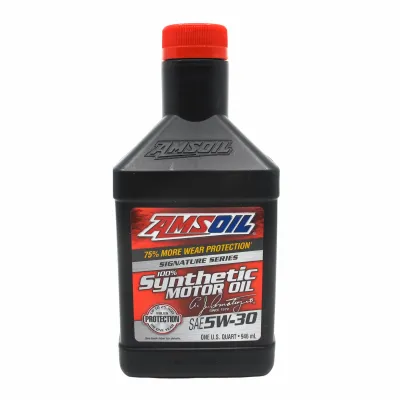
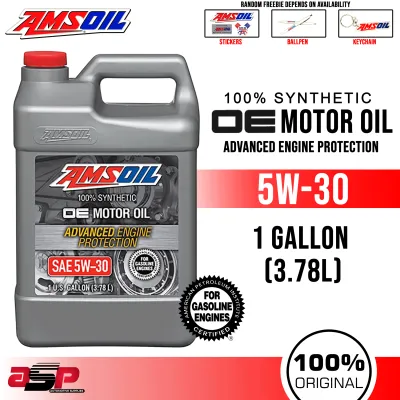
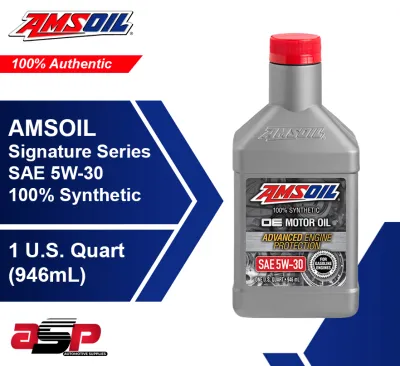
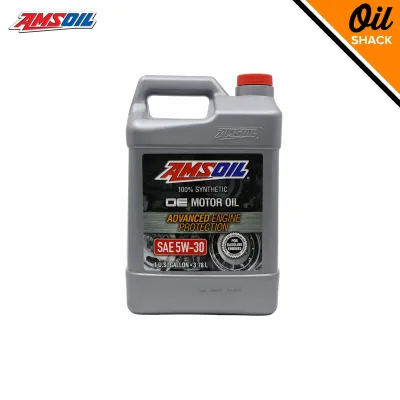
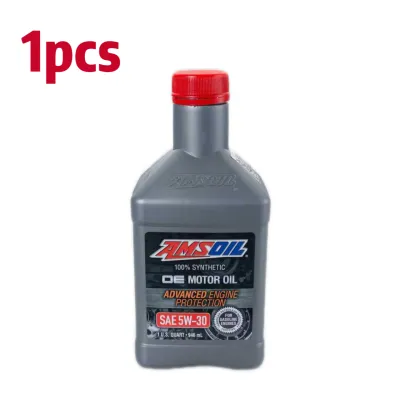
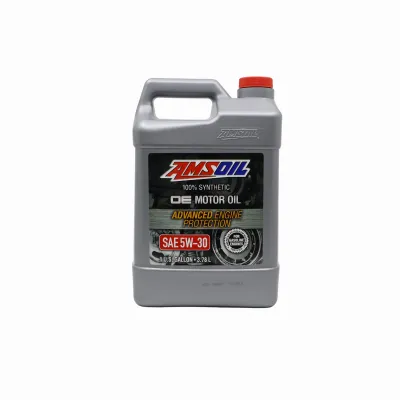
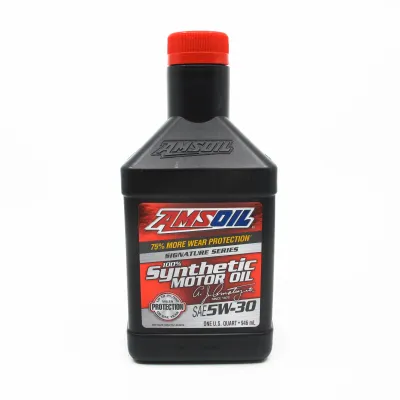
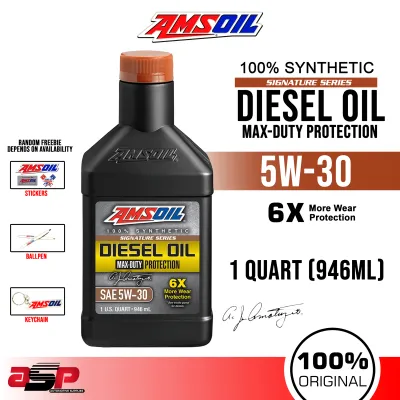
Prices are valid at publication and may change. Please refer to the product page for the latest price.
Understanding 5W-30 and Your Vehicle's True Requirements
The Society of Automotive Engineers (SAE) viscosity grade uses a dual-number system to describe how a lubricant behaves at different temperatures. The “5W” portion indicates the oil’s cold-flow characteristics (the “W” stands for winter), showing how easily the oil can be pumped at extremely low temperatures to protect the engine during startup. The “30” represents the oil’s kinematic viscosity at operating temperature, specifically measured at 100 degrees Celsius, ensuring the fluid remains thick enough to maintain a protective barrier between moving metal parts.
In a tropical climate like the Philippines, where ambient temperatures regularly exceed 30 degrees Celsius, drivers often wonder why a “5W” cold-start rating is necessary. While the local climate does not experience freezing winter temperatures, a modern engine’s internal clearances are incredibly tight, and the initial startup phase remains the period of highest wear. A 5W-30 oil flows significantly faster upon startup than a heavier 10W-40 or 15W-40 oil, ensuring that critical components like the overhead camshafts, valve trains, and turbocharger bearings receive immediate lubrication within seconds of turning the key.
However, matching the 5W-30 viscosity grade is only the first step in selecting the correct oil. Modern engines are highly sensitive to chemical formulations, requiring specific OEM approvals to protect complex emissions systems, variable valve timing (VVT) components, and turbochargers. For instance, General Motors vehicles may require a dexos1 Gen 3 approval, Ford engines might mandate specific WSS standards, and European brands like BMW, Mercedes-Benz, or Volkswagen require highly precise approvals such as BMW Longlife-01 or MB-Approval 229.5.
Ignoring these manufacturer specifications in favor of generic brand loyalty can lead to premature engine wear. Modern emissions control devices, such as catalytic converters and Gasoline Particulate Filters (GPFs), can be easily poisoned or clogged by incorrect levels of sulfated ash, phosphorus, and sulfur (SAPS) in the oil. Therefore, you must verify that the specific bottle of 5W-30 you purchase explicitly lists the OEM standard required by your vehicle manufacturer.
Brand Positioning: AMSOIL, Shell, Castrol, and Motul
Each of these four brands targets a slightly different segment of the automotive market, utilizing unique base oils and proprietary additive packages to achieve their performance goals.

AMSOIL 5W-30: Longevity and Extreme Protection
AMSOIL has built its reputation as a premium, synthetic-first lubricant manufacturer, focusing heavily on extended drain intervals and maximum wear protection. The brand’s flagship Signature Series amsoil 5w30 is formulated with high-quality synthetic base oils, typically incorporating Group IV Polyalphaolefins (PAO), which offer outstanding thermal stability and resistance to oxidation. This robust base is paired with a high Total Base Number (TBN), a measure of the oil’s ability to neutralize harmful acidic byproducts created during combustion.
By maintaining a high TBN over time, AMSOIL products can safely extend the period between oil changes without sacrificing engine protection. This makes the brand highly attractive to drivers who want to minimize maintenance downtime or those who subject their vehicles to severe operating conditions, such as towing heavy loads or driving in dusty environments. However, while AMSOIL designs its lubricants for extended service life, you must always cross-reference these claims with your vehicle’s warranty requirements and verify the recommended drain intervals listed on the product label.
Shell: Engine Cleanliness and Daily Commuting
Shell approaches lubrication with a heavy emphasis on engine cleanliness, deposit control, and fuel efficiency. A key differentiator for Shell’s premium 5W-30 offerings, such as the Shell Helix Ultra series, is the utilization of patented Gas-to-Liquids (GTL) base oil technology, marketed as PurePlus Technology. This process converts natural gas into an extremely pure, crystal-clear base oil that is virtually free of the impurities commonly found in crude-oil-derived base stocks.
Combined with active cleansing additives, Shell’s 5W-30 formulations are engineered to prevent the formation of performance-robbing sludge and carbon deposits on critical engine internals. This focus makes Shell an exceptional choice for daily commuters who spend hours navigating congested urban traffic. The frequent idling and stop-and-go driving typical of major metropolitan areas accelerate oil degradation and sludge accumulation; Shell’s formulation directly combats these harsh operating conditions to keep the engine running smoothly.
Castrol: Cold-Start Protection and Oil Film Strength
Castrol has long positioned its brand around advanced wear protection, focusing on maintaining a strong protective barrier under high pressure and during the critical moments of engine startup. In its premium EDGE 5W-30 lineup, Castrol utilizes fluid titanium technology to physically transform the oil’s behavior under extreme pressure, temporarily doubling its film strength to prevent metal-on-metal contact when the engine is under heavy load.
For daily drivers, Castrol’s Magnatec 5W-30 series offers “intelligent molecules” designed to cling to critical engine parts even when the vehicle is turned off. In a standard engine, oil drains back down into the oil pan when the engine stops, leaving upper valve train components dry and vulnerable during the next startup. By keeping a micro-thin layer of oil bonded to these metal surfaces, Castrol aims to minimize startup wear, making it a highly reliable choice for vehicles subjected to frequent short trips.
Motul: High-Performance and High-RPM Stability
With a rich heritage deeply rooted in international motorsports, Motul is the go-to brand for performance enthusiasts, track-day drivers, and owners of highly tuned turbocharged vehicles. Motul’s premium 5W-30 lines, such as the 8100 series (including X-clean and X-cess) and the racing-grade 300V series, often incorporate Group V Ester base oils. Esters feature natural polar properties, meaning the oil molecules are magnetically attracted to metal surfaces, providing an exceptionally strong, continuous film that resists shearing under extreme high-RPM and high-temperature conditions.
This high thermal stability ensures that the oil maintains its protective viscosity even when subjected to the intense heat generated by modern turbochargers and high-revving engines. While Motul’s racing-focused formulations may require more frequent oil changes due to a different balance of detergents and anti-wear additives, their road-going 8100 series blends motorsport-level protection with the long-term durability required for daily passenger vehicles.
Core Dimensions for Comparing 5W-30 Engine Oils
When comparing specific 5W-30 products from these four brands, you should look past marketing buzzwords and evaluate the lubricants based on four core technical dimensions.
- Base Oil Quality: The performance of any engine oil starts with its base stock, which typically makes up 75% to 90% of the finished product. Base oils are categorized into five groups by the American Petroleum Institute (API). Group III oils are highly refined hydrocracked mineral oils, which are legally marketed as "full synthetic" in many regions and offer excellent everyday performance. Group IV (PAO) and Group V (Esters) are true chemically synthesized base stocks that offer superior thermal stability, lower volatility, and better low-temperature flow. To determine the true composition of an oil, you should examine the product's technical Product Data Sheet (PDS) or Safety Data Sheet (SDS) rather than relying solely on the front label.
- Additive Packages: The remaining portion of the oil consists of an additive package designed to enhance performance and protect the engine. Key additives include detergents to clean deposits, dispersants to keep contaminants suspended in the oil, anti-wear agents like Zinc Dialkyldithiophosphate (ZDDP) to protect metal surfaces under high load, and friction modifiers to improve fuel economy. While manufacturers keep their exact chemical recipes highly proprietary, the effectiveness of these additive packages is proven through rigorous standardized testing required to achieve industry certifications.
- Industry and OEM Certifications: The most reliable indicators of an oil's performance are the certifications printed on the back of the bottle. You should look for the latest American Petroleum Institute (API) standards, such as API SP, which introduced specific protections against Low-Speed Pre-Ignition (LSPI) in turbocharged gasoline direct-injection (TGDI) engines. Additionally, look for ILSAC GF-6A certifications, which guarantee baseline fuel economy, timing chain wear protection, and emissions system compatibility. European vehicles often require compliance with Association des Constructeurs Européens d'Automobiles (ACEA) standards, such as ACEA A3/B4 for high-performance gasoline engines or ACEA C3 for vehicles equipped with modern exhaust aftertreatment systems.
- Price and Value Calculation: In the Philippine market, these brands occupy distinct price tiers, and calculating their true value requires looking at the total cost of ownership. Premium synthetic oils like AMSOIL and Motul typically command higher prices, often ranging from ₱700 to over ₱1,200 per liter. Shell Helix Ultra and Castrol EDGE generally sit in the mid-to-high tier, ranging from ₱450 to ₱900 per liter. To calculate true value, you must factor in the safe drain interval supported by both the oil and your vehicle's oil filter. A more expensive oil that safely allows for a 10,000-kilometer drain interval under local driving conditions may offer better long-term value than a cheaper oil that requires replacement every 5,000 kilometers, provided your driving habits and OEM guidelines support the extended interval.
Decision Framework: Match the Oil to Your Driving Style
To simplify your decision, you can match your specific vehicle type, driving habits, and maintenance preferences to the brand that best aligns with those needs.
- Choose AMSOIL 5W-30 if: You want to maximize the time and distance between oil changes, reducing maintenance frequency. This brand is ideal if you frequently drive under severe conditions, such as hauling heavy cargo, driving in highly dusty areas, or operating in extreme tropical heat, and your budget comfortably accommodates a premium upfront cost in exchange for long-term engine protection and high-TBN acid neutralization.
- Choose Shell Helix 5W-30 if: Your daily commute consists of heavy, stop-and-go city traffic with prolonged idling, which accelerates sludge formation. This is the optimal choice if you prioritize keeping your engine internals clean and free of carbon deposits over extended drain intervals, and you want a highly reliable, widely available synthetic oil backed by advanced Gas-to-Liquid base technology.
- Choose Castrol EDGE or Magnatec 5W-30 if: You want dependable everyday protection that focuses heavily on reducing wear during critical cold-start periods. This brand is highly recommended if your driving routine involves frequent short trips where the engine rarely has time to reach its optimal operating temperature, and you want a proven, balanced lubricant with excellent oil film strength to protect your engine under sudden acceleration.
- Choose Motul 8100 or 300V 5W-30 if: You drive a high-performance, turbocharged, or modified vehicle that operates at high RPMs and elevated oil temperatures. This is the ideal selection if you participate in track days, spirited driving, or demanding highway stints where maximum thermal stability and shear resistance are required, and you prefer an oil formulated with premium Group V Ester or high-grade synthetic base stocks designed for extreme operating conditions.
- Verify first if: Your vehicle is still covered under a manufacturer warranty, which mandates strict adherence to specific OEM approval codes rather than just viscosity. You must also check if your car is equipped with a modern diesel particulate filter (DPF) or gasoline particulate filter (GPF) that requires a low-SAPS or mid-SAPS formulation to prevent premature clogging of the emissions system.
Ensuring Authenticity and Safe Purchasing in the Philippines
The prevalence of counterfeit engine oils in the Philippine market presents a significant risk to vehicle owners. Counterfeit lubricants are typically made from cheap, low-grade mineral oils recycled from waste fluids, completely lacking the advanced additive packages and thermal resistance of genuine synthetic oils. Using a counterfeit oil can lead to rapid thermal breakdown, severe sludge accumulation, blocked oil passages, and catastrophic engine failure within a few thousand kilometers.
To protect your investment, you must be highly selective about where you purchase your engine oil. Avoid buying lubricants from unverified online sellers or small, unknown roadside shops offering prices that seem unusually low. Instead, purchase directly from official brand flagship stores on reputable e-commerce platforms, authorized physical service centers, or well-established automotive supply chains.
When you receive the oil, perform a thorough physical inspection of the bottle before opening it:
- Induction Heat Seal: Ensure the foil seal under the plastic cap is firmly intact, completely flat, and shows no signs of tampering or adhesive residue.
- Label and Printing Quality: Genuine bottles feature crisp, clear text, perfectly aligned labels, and high-quality graphics. Counterfeit bottles often have blurry text, misaligned labels, or spelling errors.
- Batch Numbers and Dates: Check the bottom or back of the bottle for laser-etched batch numbers and production dates. These should match the packaging box and look professionally printed, not easily rubbed off.
- Security Features: Many brands, such as Shell, include unique QR codes or holographic security stickers on the cap that allow you to verify the product's authenticity online.
Always keep your official sales receipt and maintenance records. In the event of a warranty dispute or an engine issue, having clear documentation proving that you purchased genuine, specification-compliant oil from an authorized retailer is vital to protecting your consumer rights.
Frequently Asked Questions (FAQ)
Can I mix different brands of 5W-30 oil in an emergency?
Yes, you can mix different brands of 5W-30 engine oil in an emergency situation, such as when your oil level is dangerously low and you need to top it up immediately to prevent engine damage. However, this should only be treated as a temporary, short-term solution. While modern engine oils are designed to be compatible with one another, different brands use unique, proprietary additive packages that may not blend perfectly. Mixing them can dilute the effectiveness of the additives, potentially reducing the oil’s overall wear protection and lifespan. Once the emergency is resolved, you should schedule a complete oil and filter change at your earliest convenience to restore optimal engine protection.
Will using an aftermarket premium oil void my new car warranty?
Using an aftermarket premium engine oil from brands like AMSOIL, Shell, Castrol, or Motul will not automatically void your new car warranty, provided the lubricant meets or exceeds the exact viscosity grade and OEM specifications required by your vehicle manufacturer. Under consumer protection guidelines, manufacturers cannot mandate the use of their own branded oil unless they provide it free of charge. However, to safeguard your warranty, you must ensure that the specific oil you choose carries the exact manufacturer approvals listed in your owner’s manual. Additionally, you must keep detailed maintenance records, including official receipts showing the purchase of the specific oil and filter, to prove that the vehicle was serviced according to the manufacturer’s recommended intervals.
Community discussion
Share your experience or ask a question. Comments are reviewed before publication.