
Choosing the right synthetic engine oil is one of the most critical decisions you can make to preserve the longevity, performance, and efficiency of your vehicle’s engine. In the challenging driving environment of the Philippines—characterized by intense tropical heat, high humidity, and punishing stop-and-go urban traffic—engine oil must work exceptionally hard to prevent thermal breakdown and wear. While AMSOIL, Shell, Castrol, and Motul are all premium brands, no single oil is universally “best” for every vehicle. The optimal choice depends entirely on your vehicle’s manufacturer specifications, your typical driving conditions, and your maintenance habits.
Generally, AMSOIL and Motul cater to performance enthusiasts, high-stress driving, and those seeking extended drain intervals through advanced synthetic formulations. Shell and Castrol, on the other hand, offer highly reliable everyday protection, widespread local availability, and an extensive list of official manufacturer approvals for standard passenger vehicles. Prioritizing the exact viscosity grade and industry certifications (such as API or ACEA ratings) specified in your vehicle’s owner’s manual is far more critical for engine protection than the brand name on the bottle.
Before purchasing or changing your vehicle’s engine oil, always consult your vehicle’s owner’s manual to verify the recommended viscosity grade, API/ACEA specifications, and specific original equipment manufacturer (OEM) approvals. If instructions conflict, or if you are unsure of your vehicle’s requirements, consult a qualified professional mechanic. Additionally, ensure the specific product is authorized for your engine type, as gasoline and diesel engines have distinct lubrication and additive requirements.
Products mentioned in this guide
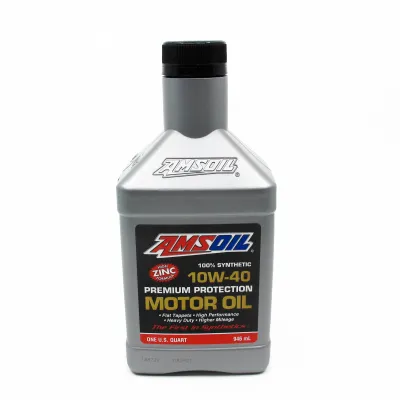
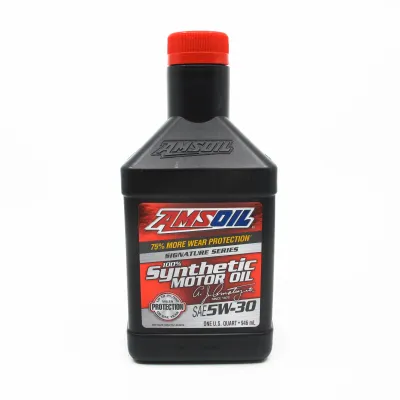
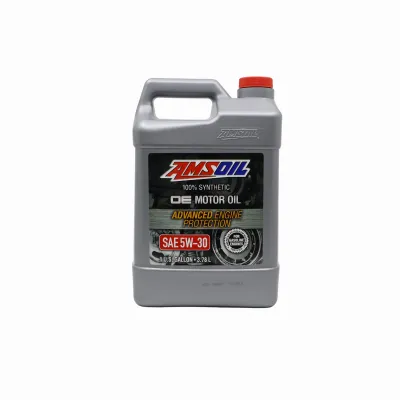
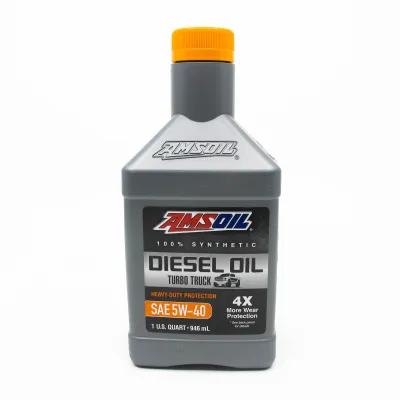
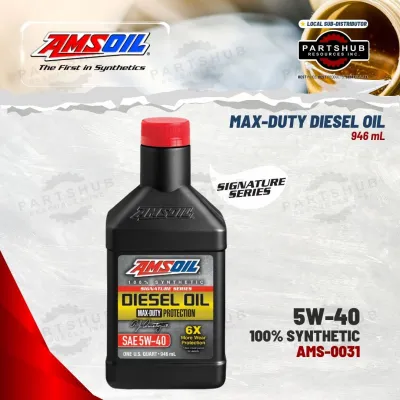
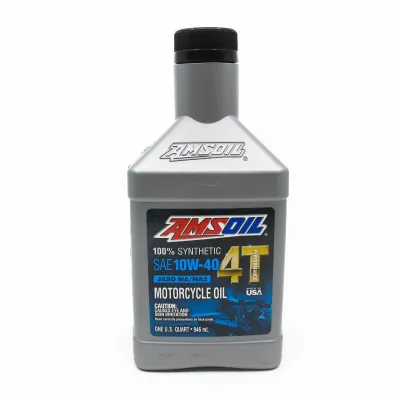
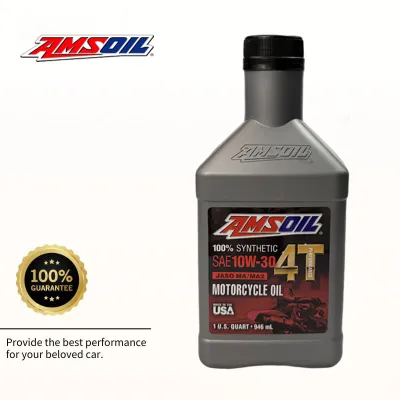
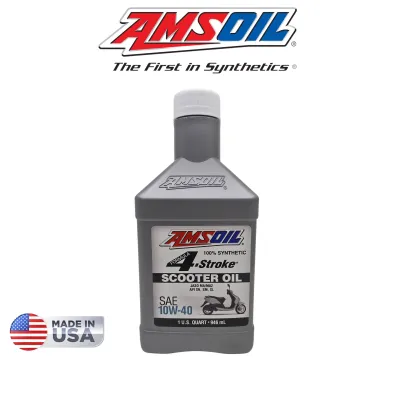
Prices are valid at publication and may change. Please refer to the product page for the latest price.
Understanding Synthetic Oil Standards and Viscosity Grades
To make an informed decision between major lubricant brands, you must first understand the technical standards printed on every bottle. The Society of Automotive Engineers (SAE) viscosity grade, such as 5W-30 or 0W-20, indicates how the oil flows at different temperatures. The number preceding the “W” (which stands for winter) indicates cold-temperature flow, while the second number represents the oil’s viscosity at the engine’s operating temperature of 100°C. In a tropical climate like the Philippines, cold flow is less about freezing temperatures and more about rapid oil circulation during initial morning startups, where a significant portion of engine wear occurs.
Matching the manufacturer’s recommended viscosity grade is vital because modern engines are engineered with incredibly tight clearances between moving parts. Using an oil that is too thick can restrict flow, increase operating temperatures, and reduce fuel economy. Conversely, using an oil that is too thin may fail to maintain a sufficient protective barrier under high thermal loads, risking metal-on-metal contact and premature component wear.
Beyond viscosity, you must verify the oil’s performance certifications. The American Petroleum Institute (API) and the International Lubricant Standardization and Approval Committee (ILSAC) establish the baseline performance standards for passenger vehicle oils. The current API SP standard, along with ILSAC GF-6, introduces stringent requirements designed to protect modern turbocharged gasoline direct injection (TGDI) engines from low-speed pre-ignition (LSPI) and timing chain wear. Any major brand’s synthetic oil that officially meets the exact API, ILSAC, or European Automobile Manufacturers’ Association (ACEA) specifications outlined in your owner’s manual will provide the baseline protection required to keep your engine running safely.
Brand Profiles: AMSOIL, Shell, Castrol, and Motul
Each of these four lubricant giants approaches engine protection with distinct formulation philosophies, target audiences, and chemical technologies.

AMSOIL
AMSOIL built its reputation as a pioneer in synthetic lubrication, introducing the world’s first API-qualified synthetic motor oil in the early 1970s. The brand is highly regarded among automotive enthusiasts for its focus on premium, uncompromising formulations that utilize high-quality synthetic base oils and robust additive chemistry.
Its flagship Signature Series is specifically engineered for maximum wear protection, extreme temperature performance, and extended drain intervals. AMSOIL products are designed for drivers who demand top-tier protection under severe operating conditions and are willing to pay a premium for specialized lubricants.
Shell
Shell is a dominant global leader in energy and lubricants, known for its significant investment in research and development. The cornerstone of Shell’s premium synthetic lineup, such as Shell Helix Ultra, is its proprietary PurePlus Technology.
This process converts natural gas into a crystal-clear base oil that contains virtually none of the impurities found in crude oil. This gas-to-liquid (GTL) technology allows Shell to produce oils that offer exceptional resistance to extreme temperatures, low volatility, and superior active cleansing properties. Shell maintains a massive retail footprint in the Philippines, making its products highly accessible at gas stations and service centers nationwide.
Castrol
Castrol is a household name in the automotive world, highly favored for its strong partnerships with major European and Asian vehicle manufacturers. The brand’s product lines are tailored to address specific driving challenges.
Castrol Magnatec features active, self-clinging molecules that adhere to critical engine parts even when the engine is turned off, providing continuous protection during the crucial startup phase. Castrol Edge, the brand’s advanced full synthetic line, utilizes Fluid Titanium technology to physically transform its structure under extreme pressure, reducing friction and preventing oil film breakdown in high-stress modern engines.
Motul
Motul is a French lubricant specialist with a legendary heritage in global motorsports, including MotoGP and endurance racing. This racing pedigree directly influences its consumer product lines, which are heavily focused on high-performance applications.
Motul is famous for its pioneering use of ester-based synthetic formulations. While its 300V racing line is designed specifically for track use and short drain intervals, the 8100 and H-Tech series are formulated for daily passenger vehicles, offering high thermal stability, strong shear resistance, and excellent oil film strength under high-revving, high-temperature conditions.
Key Comparison Dimensions for Engine Protection
Evaluating engine oils requires looking past marketing slogans and understanding the physical and chemical properties that dictate how an oil performs under stress.
Base Oil Composition and Additive Packages
Engine oils consist of base oils combined with chemical additives that enhance performance. Base oils are classified into five groups by the API. Group III consists of highly refined hydrocracked mineral oils, which are legally marketed as “synthetic” in many regions. Group IV consists of Polyalphaolefins (PAO), which are chemically synthesized pure hydrocarbons. Group V includes all other synthetic bases, most notably Esters, which possess natural polar properties that cause them to cling to metal surfaces.
When comparing brands, it is important to check the Product Data Sheets (PDS) or Safety Data Sheets (SDS) rather than relying solely on the front label. Premium lines like AMSOIL Signature Series and Motul 8100 utilize significant portions of Group IV (PAO) and Group V (Ester) base oils, which offer superior thermal stability and low-temperature flow compared to standard Group III synthetic oils. Shell’s GTL base oils offer a highly competitive, ultra-pure alternative that performs closely to PAO bases at a typically lower price point.
OEM Approvals and Manufacturer Certifications
There is a critical distinction between an oil that “meets the requirements of” a specification and one that holds an official “OEM Approval.” When an oil bottle states it has an official approval, such as Mercedes-Benz MB-Approval 229.51 or BMW Longlife-04, it means the lubricant manufacturer has submitted the oil to the vehicle manufacturer for rigorous, independent testing.
Castrol and Shell excel in this category, holding an extensive catalog of official OEM approvals for a wide range of European, American, and Asian passenger vehicles. While AMSOIL and Motul also carry many official approvals, some of their specialized or high-performance lines are formulated to meet or exceed specifications without undergoing the costly official manufacturer certification process. For vehicles still under an active manufacturer warranty, using an oil that holds the exact, officially approved code is essential.
High-Temperature Stability and Sludge Prevention
In the intense heat and heavy traffic of the Philippines, engine oils are susceptible to thermal degradation, which can lead to oil consumption, deposit formation, and engine sludge. Two critical metrics to look for on a product’s technical data sheet are High-Temperature High-Shear (HTHS) viscosity and NOACK Volatility.
HTHS measures an oil’s resistance to flow and thinning under high temperatures (150°C) and high shear conditions, simulating the environment inside engine bearings. A higher HTHS rating generally indicates a stronger protective oil film, though it may slightly increase fuel consumption. NOACK Volatility measures the percentage of oil that evaporates when heated to 250°C for one hour. A lower NOACK percentage means less oil burn-off, resulting in fewer deposits, reduced oil consumption, and better resistance to thickening over time. Premium formulations from AMSOIL and Motul typically show exceptionally low NOACK ratings and robust HTHS stability, making them highly effective at preventing sludge in hot climates.
Evaluating Value: Drain Intervals, Availability, and Counterfeit Risks
While technical specifications are important, real-world ownership costs, product availability, and safety must also guide your purchasing decision.
Although premium synthetic oils like AMSOIL Signature Series are marketed as capable of extended drain intervals of up to 25,000 miles (approximately 40,000 kilometers) under ideal conditions, these intervals do not translate directly to typical driving in the Philippines. Local driving conditions—characterized by short commutes, idling in heavy traffic, dusty roads, and high ambient humidity—are classified as “severe service” by vehicle manufacturers. Under severe service, oil changes should typically be performed every 5,000 to 10,000 kilometers, or every six months, regardless of the brand. Attempting extended drain intervals requires high-efficiency synthetic oil filters and regular oil analysis to monitor chemical depletion and contaminant levels.
Availability and pricing differ significantly between these brands. Shell and Castrol are highly accessible throughout the Philippines. You can easily purchase them and have them installed at authorized service bays, neighborhood auto supply shops, and major service chains. AMSOIL and Motul are premium, niche products. While they are increasingly available, they are typically sourced through specialized automotive performance shops, authorized regional distributors, or official flagship stores on reputable online marketplaces.
In the local market, the risk of counterfeit engine oil is a serious concern. Using counterfeit oil can lead to rapid engine wear, sludge accumulation, and catastrophic mechanical failure. To protect your vehicle, always inspect the physical bottle for tamper-evident safety seals, high-quality label printing, and laser-etched batch numbers. Avoid purchasing unusually cheap lubricants from unverified sellers on online marketplaces. Instead, purchase directly from official brand service stations, authorized distributors, or reputable auto care centers that can verify their supply chain.
Decision Framework: Which Synthetic Oil Should You Choose?
To select the ideal synthetic engine oil for your vehicle, match your driving habits and vehicle requirements to the specific strengths of each brand.
- Choose AMSOIL if: You want top-tier wear protection, drive under severe operating conditions such as heavy towing or constant stop-and-go city traffic, and prefer a robust additive package designed to resist chemical breakdown over longer periods.
- Choose Shell if: You want a highly reliable, ultra-clean synthetic oil utilizing advanced gas-to-liquid technology that is easily accessible at local service stations and offers excellent everyday value and engine cleanliness.
- Choose Castrol if: Your vehicle is a European or modern Asian model that strictly requires specific OEM approvals, and you want a widely available lubricant designed to protect against startup wear and high-pressure friction.
- Choose Motul if: You drive a high-performance, turbocharged, or modified vehicle, participate in track days, or prefer the exceptional thermal stability and film strength of ester-based synthetic formulations.
Before making your final purchase, verify if your vehicle is covered under an active manufacturer warranty. To maintain warranty coverage, you must use an oil that matches the exact viscosity grade and holds the specific OEM approval code required by the manufacturer. Always retain your official purchase receipts and service records as proof of compliance in the event of a warranty claim.
Frequently Asked Questions (FAQ)
Can I mix AMSOIL with Shell or Castrol synthetic oils?
While mixing API-certified synthetic engine oils of the same viscosity grade will not cause an immediate chemical reaction or damage your engine, it is not recommended as a standard practice. Mixing different brands dilutes the specific, carefully balanced additive packages unique to each oil, which can reduce the overall performance, wear protection, and lifespan of the lubricant. If you must top up your engine oil in an emergency and your preferred brand is unavailable, use any high-quality synthetic oil that matches the recommended viscosity. However, it is best to perform a full oil and filter change at your earliest convenience to restore optimal protection.
Will switching to AMSOIL or Motul void my car's manufacturer warranty?
Switching to an aftermarket synthetic oil brand like AMSOIL or Motul will not void your vehicle’s manufacturer warranty, provided the oil you choose meets the exact viscosity grade, API/ACEA performance specifications, and specific OEM approval codes outlined in your vehicle’s owner’s manual. Under consumer protection guidelines, manufacturers cannot void a warranty simply because you used an aftermarket lubricant, as long as the product meets their technical requirements. To protect yourself from potential warranty disputes, always double-check the product certifications on the back of the bottle and keep all official purchase receipts and service invoices.
How do I verify if a synthetic oil is genuine in the Philippines?
To ensure you are purchasing genuine synthetic oil, start by examining the physical packaging of the bottle. Genuine products feature high-quality, crisp label printing, secure tamper-evident caps that do not wiggle or show signs of prior removal, and clearly printed batch codes and production dates. Many brands, such as Shell and Motul, include unique QR codes or holographic security seals on their bottles that allow you to verify authenticity instantly using a smartphone. The most reliable way to avoid counterfeit oil is to buy exclusively from authorized dealers, official brand flagship stores on online marketplaces, or established, reputable automotive service centers.
Community discussion
Share your experience or ask a question. Comments are reviewed before publication.