
Selecting the right footwear is one of the most critical decisions a motorcycle rider can make. When browsing the arcx official store, the choice quickly narrows down to two primary categories: lightweight, flexible boots optimized for daily commuting, and rigid, heavily armored boots engineered for long-distance touring. Making the wrong choice can lead to severe discomfort—such as walking into an office with stiff, sweaty feet—or inadequate protection during high-speed highway travel. Understanding the distinct engineering behind these two boot styles ensures you select gear that matches your actual riding environment.
Understanding Your Riding Needs: City Commute vs. Highway Touring
In the Philippines, the riding environment varies dramatically between urban centers and open highways. City commuting typically involves stop-and-go traffic, navigating congested streets, and dealing with intense engine heat trapped between surrounding vehicles. Under these conditions, riders frequently put their feet down, shift gears constantly at low speeds, and walk considerable distances once they reach their destination. The primary challenges here are heat management, flexibility, and quick transitions from the bike to a pedestrian environment.
Conversely, long-distance highway touring demands sustained riding postures for hours at a time. High-speed travel exposes the rider to strong wind pressure, flying road debris, and sudden weather changes, such as unexpected tropical downpours. On the highway, the physical demands shift from active walking and frequent stopping to maintaining a stable foot position on the pegs while resisting fatigue. Protection becomes the paramount concern, as any potential impact occurs at much higher velocities than in city traffic. Identifying which scenario constitutes the majority of your riding time is the essential first step before purchasing any gear.
Products mentioned in this guide
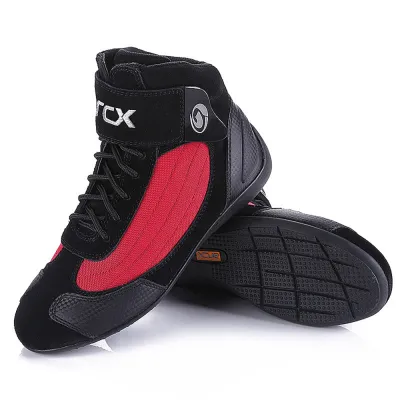
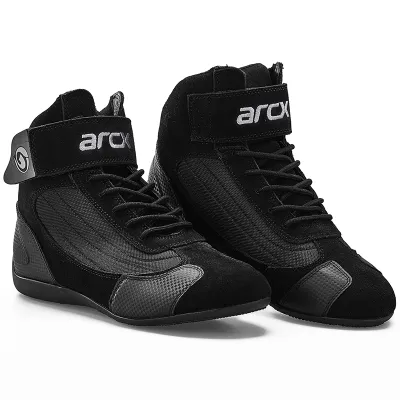
Prices are valid at publication and may change. Please refer to the product page for the latest price.
Key Features to Look for in ARCX Commuting Boots
Daily commuting requires a delicate balance between basic on-bike protection and off-bike usability. When evaluating options at the official store, prioritize features that facilitate a seamless transition into daily life.

Walkability and Comfort A dedicated commuting boot must feature a flexible sole that allows your foot to bend naturally while walking. Extremely rigid soles, while excellent for protection, cause foot fatigue and an awkward gait when walking through offices, malls, or university campuses. Look for models that incorporate cushioned insoles and lightweight mid-soles that absorb heel impact during walking.
Convenience and Entry Systems Time is a valuable commodity during the morning rush. Commuting boots should feature quick-entry systems, such as side zippers with secure Velcro flaps or rapid-lacing mechanisms. These systems allow you to slip the boots on and off within seconds, eliminating the hassle of traditional laces that can also untangle and catch on your bike’s footpegs or chain.
Climate Adaptation and Ventilation Given the high humidity and warm temperatures characteristic of tropical climates, breathability is non-negotiable. Commuting boots utilizing perforated synthetic leather, mesh panels, or moisture-wicking inner linings help circulate air around the foot. This ventilation prevents excessive sweat buildup, which can cause discomfort, skin irritation, and unpleasant odors over long hours of wear.
Essential Urban Protection While commuting boots are more flexible, they must not compromise on fundamental safety. Ensure any model you select features reinforced toe boxes to protect against crushing forces, reinforced heel cups to stabilize the back of the foot, and integrated ankle inserts (malleolus protection) to shield the delicate joint bones from side impacts.
Essential Protection and Comfort for ARCX Touring Boots
Long-distance touring demands a highly specialized set of features designed to protect against high-speed hazards and support the body over hundreds of kilometers.
Structural Support and Rigidity Touring boots require a highly rigid construction to prevent the foot and ankle from twisting or bending unnaturally during an accident. Look for boots with stiff ankle bracing systems, extended shin guards made of high-impact plastics, and reinforced heel counters. A stiff shank running through the sole is also vital; it supports the arch of your foot against the footpegs, preventing cramping and fatigue during long hours of continuous riding.
Weather and Road Readiness Unpredictable weather is a constant factor during long-distance trips. True touring boots often feature integrated waterproof and breathable membranes that keep rain out while allowing internal moisture to escape. Additionally, look for durable, integrated shift pads made of TPU or heavy-duty rubber on the upper toe area. These pads protect the boot’s material from the constant abrasive pressure of upshifting on long highway stretches.
Grip and Stability When stopping on highway shoulders, gravel pull-offs, or wet gas station forecourts, secure footing is critical. Touring boots must feature heavy-duty, oil-resistant, and anti-slip rubber outsoles with deep tread patterns. This ensures you maintain a firm grip on both the bike’s footpegs and the ground, even when oil or water is present on the surface. Always verify these specific material ratings in the product specifications before finalizing your purchase.
Can One Pair Do Both? Evaluating Crossover Options
Many riders wonder if they can purchase a single “hybrid” or “sport-touring” boot to handle both daily commutes and weekend long-distance trips. While crossover options exist, they inherently involve compromises that you must carefully evaluate.
A crossover boot typically attempts to merge the flexibility of a commuter shoe with some of the reinforced protection of a touring boot. However, this middle ground means the boot may still feel too warm and stiff for comfortable office wear, while lacking the robust shin and lateral ankle bracing needed for high-speed highway safety.
If your riding profile is heavily skewed toward one side—for example, 90% city commuting and only occasional short weekend rides—a highly protective commuting boot with reinforced ankle inserts is generally the most practical choice. However, if you regularly split your time between heavy city traffic and long-distance highway touring, investing in two dedicated pairs of boots is highly recommended. Using the correct tool for each job maximizes both your safety on the highway and your comfort during the daily grind.
How to Verify Sizing and Authenticity at the ARCX Official Store
Purchasing riding gear online requires careful preparation to ensure you receive a genuine product that fits correctly.
Sizing Accuracy Never assume your riding boot size matches your standard casual or athletic shoe size. Riding boots are structured differently and must fit snugly to keep the protective armor aligned with your joints. To find your correct size, place your foot flat on a piece of paper, trace the outline, and measure the exact distance from your heel to your longest toe in millimeters. Compare this measurement directly to the official sizing chart provided on the product page. If you plan to wear thick riding socks, take your measurements while wearing them.
Authenticity Checks Due to the popularity of quality riding gear, counterfeit products can sometimes appear on various online marketplaces. Fake boots often look identical in photos but utilize cheap adhesives, inferior stitching, and non-protective foam instead of impact-resistant armor. To ensure your safety, always purchase directly from the verified official store or an authorized distributor. Look for official platform verification badges and check seller ratings and customer feedback before purchasing.
Purchase and Return Policies Before completing your checkout, review the store’s return and exchange policies regarding footwear. Because a proper fit is essential for safety, you must have the option to exchange the boots if they pinch your toes, slip at the heel, or cause pressure points. Ensure the return terms allow for exchanges of unused items in their original packaging.
Boot Care and Maintenance in Humid Climates
Proper maintenance is essential to preserve the structural integrity and safety features of your riding boots, especially in hot and humid tropical environments.
Cleaning Instructions After every ride, wipe away road grime, mud, and dust using a soft, damp microfiber cloth. For stubborn dirt, use only mild soap solutions authorized by the manufacturer’s care instructions. Avoid harsh chemical detergents, bleach, or solvents, as these substances can degrade the synthetic leather, compromise the stitching, and dissolve the adhesives holding the sole to the upper boot.
Drying and Ventilation Never dry wet boots using direct heat sources like hair dryers, heaters, or by leaving them in direct sunlight. Excessive heat causes leather to crack, synthetic materials to warp, and waterproof membranes to lose their effectiveness. Instead, remove the insoles, loosen the laces or zippers, and allow the boots to dry naturally in a well-ventilated, shaded indoor area. To absorb internal moisture and maintain the boot’s shape, you can stuff the interiors with clean, dry crumpled paper.
Material Preservation Always consult the care label inside the boot or the official product documentation for specific material requirements. If your boots feature genuine leather panels, apply an authorized leather conditioner periodically to keep the material supple and prevent cracking. For boots with waterproof membranes, avoid applying heavy waxes or oils that could clog the breathable pores of the fabric, rendering the waterproofing useless.
Community discussion
Share your experience or ask a question. Comments are reviewed before publication.