
Leather car seats are highly practical for daily driving in the Philippines, provided you are willing to manage the tropical heat and maintain them regularly. While they offer unmatched spill resistance and a premium feel, the intense heat and high humidity of the local climate present unique challenges. Understanding how to protect and care for these seats is essential for keeping them comfortable and durable over years of daily commuting.
Choosing leather upholstery involves balancing luxury with practical climate management. For many local car owners, the ease of cleaning up dust, mud, and spilled drinks during the rainy season outweighs the temporary discomfort of a hot seat on a sunny afternoon. By adopting a few simple habits, you can enjoy the benefits of leather without suffering from the tropical climate’s drawbacks.
How Tropical Heat and Humidity Affect Leather Car Seats
Solar radiation passes through your vehicle’s glass windows, creating a greenhouse effect that traps heat inside the cabin. When parked under direct sunlight in open parking lots, dark leather surfaces absorb heat rapidly. This solar absorption can raise the surface temperature of your seats to uncomfortable levels, making them painful to touch upon entry.
Products mentioned in this guide
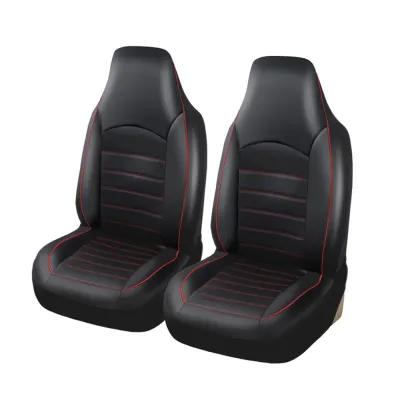
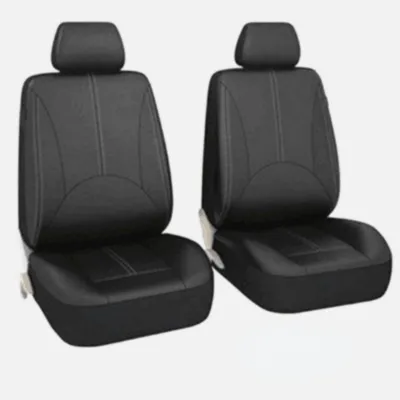
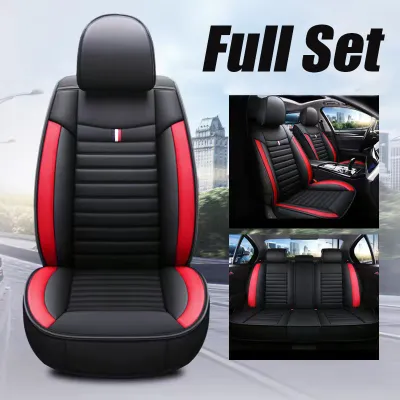
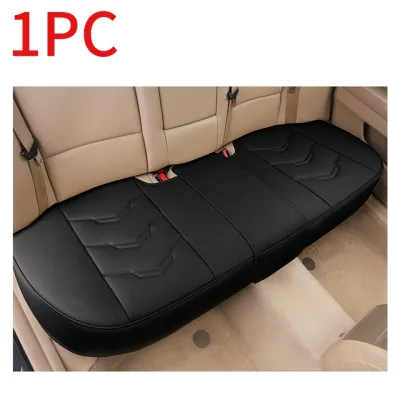
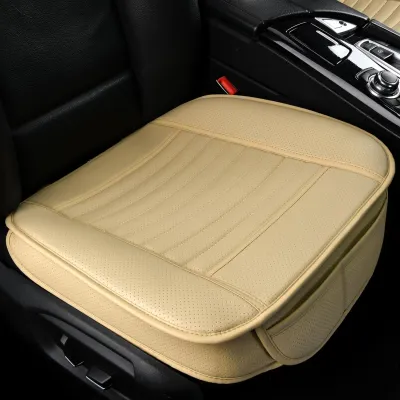
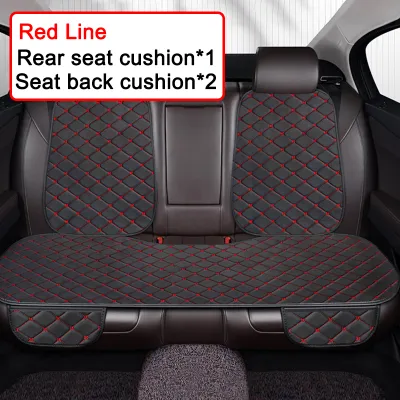
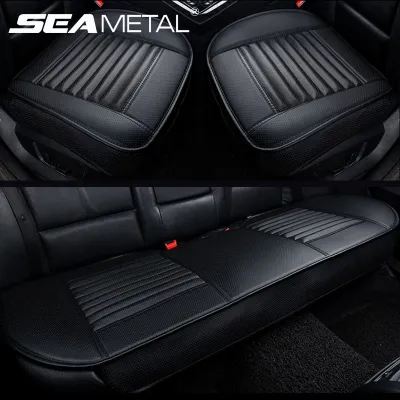
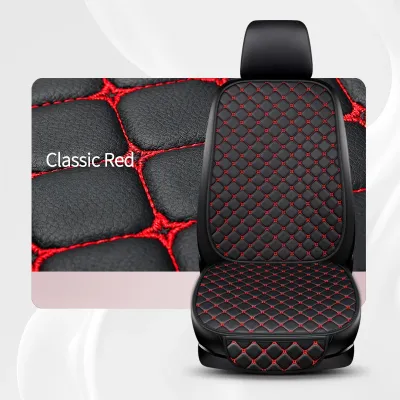
Prices are valid at publication and may change. Please refer to the product page for the latest price.
High relative humidity, which frequently exceeds 80 percent in the Philippines, presents a different kind of threat. Moisture can easily settle inside a closed vehicle cabin, especially after sudden afternoon rainstorms or during the monsoon season. If the interior remains damp and poorly ventilated, mold and mildew spores can quickly colonize the organic pores of genuine leather, leading to unpleasant odors and material degradation.
Intense ultraviolet (UV) exposure also accelerates the aging process of automotive leather. Sunlight reflecting off the dashboard and entering through the side windows dries out the natural oils embedded in the material. Over time, this constant drying strips away the protective factory finishes, leaving the leather vulnerable to premature fading, stiffening, and structural damage.
Comfort and Usability During Daily Commutes
Commuting through heavy traffic in major metropolitan areas means spending prolonged periods in your vehicle. When you first enter a car that has been sitting in the sun, the leather seats will retain heat significantly longer than fabric alternatives. This initial thermal retention can make the first few minutes of your drive feel incredibly warm until your air conditioning system fully cools the cabin.

Because solid leather is less porous than woven fabric, it offers limited breathability. During short trips before the cabin has cooled down, or during long, slow-moving commutes, this lack of airflow can cause perspiration to build up on your back and thighs. This sticky sensation is one of the primary comfort complaints among local drivers who choose leather upholstery.
Fortunately, you can mitigate these comfort issues with smart cabin management. Installing high-quality ceramic or solar-control window tints significantly reduces the amount of infrared heat entering the vehicle. Using a reflective front windshield sunshade when parked, which typically costs between ₱500 and ₱1,500, also keeps the steering wheel and front seats remarkably cooler.
Durability and Long-Term Wear in Humid Conditions
One of the greatest advantages of leather in a daily driver is its superior resistance to liquid spills. In a country where daily commutes often involve eating or drinking on the go, spills are bound to happen. Unlike fabric seats, which absorb liquids quickly and develop deep stains, leather allows you to wipe away spilled water, iced coffee, or food residue instantly with a simple microfiber cloth.
However, the accumulation of sweat and body oils poses a long-term threat to the material. During hot drives, sweat transfers from your skin and clothing onto the seat surfaces. If these organic acids and oils are allowed to sit on the leather for extended periods, they will slowly break down the protective polyurethane topcoat applied by the manufacturer.
Once this protective barrier is compromised, the leather becomes highly susceptible to damage from temperature cycling. The constant expansion and contraction of the material as the cabin shifts from extreme daytime heat to cool, air-conditioned temperatures can cause the dried-out leather to crack, peel, or stiffen along the bolster seams.
Essential Maintenance Routine for Tropical Climates
Preserving leather seats in a hot, humid environment requires a consistent and proactive care routine. Clean your seats at least once a month using a dedicated, pH-balanced automotive leather cleaner. Avoid using household dish soaps, multi-purpose surface sprays, or laundry detergents, as these harsh chemicals will strip away the essential oils that keep the leather pliable.
After cleaning, apply a high-quality leather conditioner that contains UV protectants. This step is crucial for replenishing the moisture lost to solar heat and creating a protective barrier against sun damage. Always follow the manufacturer’s instructions regarding application intervals and curing times to ensure the product bonds correctly to the surface.
Before applying any care product, check your vehicle owner’s manual and the product label to ensure compatibility. Some modern vehicles feature specialized semi-aniline leather or synthetic blends that require specific water-based maintenance products rather than heavy oils or waxes. Using the wrong product can clog perforations or void your vehicle’s interior warranty.
Moisture control is the final pillar of tropical leather maintenance. If you get caught in a heavy downpour and damp clothing transfers moisture to the seats, wipe them dry as soon as possible. Ensure your cabin remains well-ventilated, and consider using disposable moisture absorbers in the cabin if you park your vehicle in a damp, covered garage for extended periods.
Alternatives and Upgrades for Better Climate Adaptation
If you find the heat retention of solid leather too intense for your daily routine, several practical upgrades can enhance your comfort. Breathable, light-colored fabric seat covers or beaded seat cushions can be installed to create a physical air gap between your body and the hot leather surface, allowing for immediate thermal relief.
For a more permanent solution, you can explore vehicles equipped with factory-installed ventilated seat systems, which use internal fans to circulate cool air through perforated leather. If you are considering aftermarket cooling seat cushions that plug into your vehicle’s 12V accessory outlet, ensure they do not block seat-integrated side airbags or interfere with the seatbelt pretensioners. Any modification involving electrical wiring or seat disassembly should be handled by a qualified professional to maintain vehicle safety.
When purchasing a new vehicle or planning a professional reupholstery project, high-quality synthetic leather (such as polyurethane-based materials) is another option worth considering. Modern synthetic leather offers excellent spill resistance and is often easier to clean than genuine leather, though it may still retain heat. Fabric blends remain the coolest option under the sun, but they require significantly more effort to keep free of stains and odors in daily use.
Frequently Asked Questions (FAQ)
Does parked car heat permanently damage leather seats?
Prolonged exposure to extreme cabin temperatures can cause permanent structural damage to leather seats. While temporary surface heat will dissipate once your air conditioning is running, continuous exposure to temperatures inside a sealed cabin—which can easily exceed 60°C on a hot day—gradually bakes the material. This process dries out the natural fibers, causing them to shrink, lose elasticity, and eventually crack. To prevent this permanent damage, always use a reflective front windshield sunshade and park in shaded areas or covered parking structures whenever possible.
Is synthetic leather better than genuine leather for humid weather?
Synthetic leather and genuine leather each have distinct advantages in humid conditions, and the better choice depends on your maintenance habits. Synthetic leather is completely non-porous, meaning it does not absorb sweat, body oils, or ambient moisture, making it highly resistant to mold growth and exceptionally easy to wipe clean. However, this lack of porosity also means it does not breathe, which can make it feel hotter and stickier against your skin during long drives. Genuine leather offers slightly better natural breathability but requires regular conditioning to prevent mold and cracking in high-humidity environments.
Community discussion
Share your experience or ask a question. Comments are reviewed before publication.