
Certain LS2 jackets are exceptionally well-suited for the hot and humid weather of the Philippines, but your overall comfort depends entirely on selecting a model engineered specifically for tropical riding. LS2 is a highly popular global brand with an extensive product lineup. This range spans from heavy, multi-layered waterproof touring jackets designed for cold climates to ultra-lightweight, high-airflow summer mesh jackets. Believing that any jacket from the brand will perform well in local heat is a common mistake that can lead to an incredibly uncomfortable, sweat-soaked ride.
In the Philippines, where a typical afternoon commute involves navigating dense metro traffic in 34°C heat with humidity levels frequently exceeding 80%, a heavy textile jacket acts like a personal greenhouse. Conversely, a dedicated LS2 summer mesh jacket is designed to maximize airflow, pulling heat away from your body as long as you are in motion. To ride comfortably and safely, you must look past the brand name and focus on the specific materials, ventilation configurations, and safety certifications of the individual model. Quality tropical-ready jackets from the brand generally fall within a broad price band of ₱4,500 to ₱9,000, making them a highly practical investment for daily commuters and weekend riders alike.
Verifiable Specs for Hot and Humid Riding Gear
When shopping for an ls2 jacket or any riding gear intended for tropical use, relying on vague marketing terms like “breathable” is a recipe for disappointment. You need to inspect the physical specifications of the garment to ensure it can handle high ambient temperatures and heavy humidity.
Products mentioned in this guide
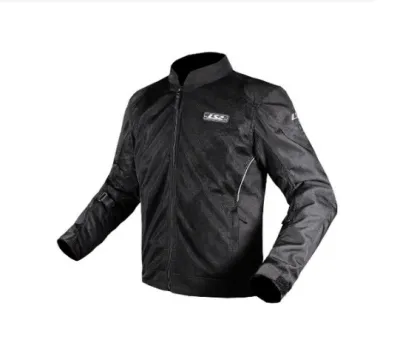
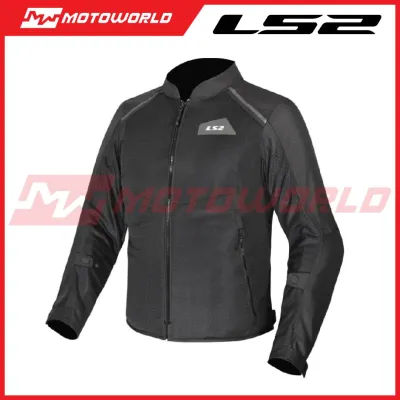
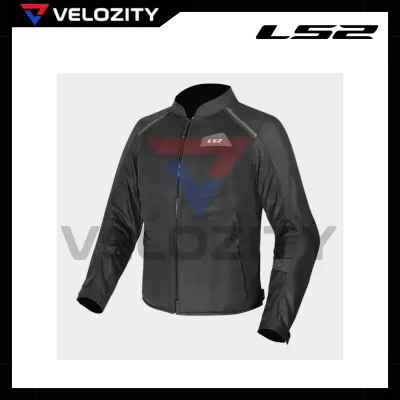
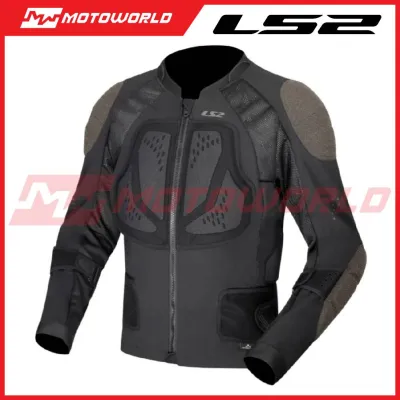
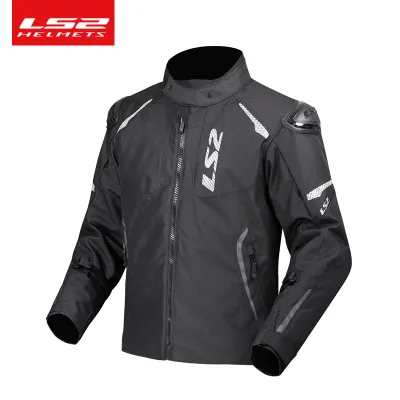
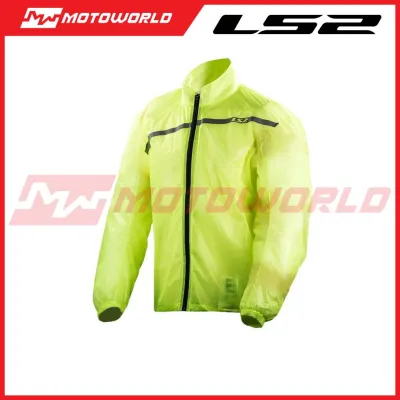
Prices are valid at publication and may change. Please refer to the product page for the latest price.
Airflow Design and Mesh Placement
For a rider seated in a standard riding posture, airflow behaves dynamically. When you are moving, wind hits your chest, flows over your shoulders, and wraps around your torso. Therefore, a tropical-ready jacket must feature extensive mesh panels across the chest, the inner arms, and the upper back.
The chest panels act as the primary air intake, allowing cool air to pass directly through to your body. However, intake is only half of the equation; without proper exhaust, the air becomes trapped, ballooning the jacket and heating up rapidly. Look for large mesh panels or dedicated exhaust vents on the lower back. This configuration creates a low-pressure zone behind you as you ride, actively pulling warm, humid air out of the jacket cavity. In slow-moving city traffic, these large panels are your primary defense against heat exhaustion.
Understanding CE Certification Classes for Heat
Every modern motorcycle jacket sold by reputable brands undergoes rigorous testing to meet European safety standards, specifically EN 17092. This standard categorizes protective garments into different classes, which directly impact both your safety and your thermal comfort.
Class A garments offer the lightest protection level, making them highly flexible, lightweight, and ideal for low-speed urban commuting. Because they require less heavy fabric reinforcement, Class A jackets typically feature the largest mesh areas and offer the highest level of breathability. Class AA jackets provide a balanced middle ground, offering moderate abrasion resistance suitable for highway speeds and touring, though they are slightly heavier and retain more heat. Class AAA jackets represent the highest level of track-grade protection; however, their thick, multi-layer textile or leather construction makes them extremely heavy and highly unsuitable for hot, humid tropical climates. For daily riding in the Philippines, a Class A or a well-ventilated Class AA jacket is generally the most practical choice.
Removable Liners and Moisture Management
The Philippine climate is notoriously unpredictable, where a blistering sunny morning can instantly transition into a torrential afternoon downpour. To cope with these rapid shifts, versatility is key. A high-quality tropical riding jacket should feature a modular design with removable liners.
A removable waterproof liner allows you to configure the jacket based on the immediate weather. During dry, hot days, you can completely remove the liner and pack it away, leaving only the highly breathable outer mesh shell. You should actively avoid jackets with fixed waterproof membranes. Because these membranes are permanently sewn into the jacket, they block all direct airflow to your skin, trapping your body heat and sweat inside. In high humidity, a fixed waterproof jacket quickly becomes an unbearable, humid sauna, even if the manufacturer claims the membrane is “breathable.”
Evaluating Jacket Construction for Philippine Roads
Riding safely in the Philippines requires finding a delicate balance between staying cool and staying protected. The roads present unique hazards, from unpredictable road surfaces to erratic traffic, meaning you cannot afford to sacrifice impact and abrasion protection just to stay comfortable.

The Breathability vs. Abrasion Resistance Trade-off
The fundamental challenge of designing hot-weather riding gear is that the materials that offer the best airflow—like open-weave polyester mesh—inherently offer less abrasion resistance than solid, heavy-duty textiles or leather. If you slide on asphalt, lightweight mesh can wear through quickly.
To solve this problem, reputable manufacturers like LS2 use a hybrid construction method. They place high-airflow mesh panels in low-impact areas, such as the chest, inner arms, and center of the back. Conversely, they reinforce high-impact zones—specifically the shoulders, elbows, and outer arms—with heavy, abrasion-resistant textiles like 600D polyester or Cordura. When evaluating an ls2 jacket, always inspect the garment’s internal labels or technical specifications. Ensure that the high-impact zones feature these dense, tightly woven materials to protect your skin during a slide, while the rest of the chassis remains open and breathable.
Armor Weight and Heat Retention
While the outer fabric protects you from road rash, the internal armor inserts protect your bones and joints from impact forces. However, these solid rubber or polyurethane inserts can block airflow, creating localized “hot spots” on your back, shoulders, and elbows where sweat rapidly accumulates.
Protective armor is rated as either CE Level 1 or CE Level 2, with Level 2 offering superior impact absorption at the cost of being thicker, heavier, and denser. In tropical climates, solid Level 2 protectors can feel like heavy, insulating pads pressed against your joints. To combat this, look for jackets equipped with perforated, flexible, or grid-like armor systems. These modern designs feature open structures that allow air to pass directly through the protector to your skin without compromising safety. If the jacket you are considering comes with solid, non-breathable armor inserts, consider upgrading them to ventilated, CE-approved aftermarket protectors to significantly improve your comfort during long, sunny rides.
Practical Fit and Comfort Checks Before You Buy
Before finalizing your purchase, it is highly recommended to visit a physical showroom to test the jacket in person. A jacket that looks perfect on a hanger may perform poorly once you are actually on your motorcycle.
Simulate your riding position: Do not just stand straight in front of the mirror. Sit on a display motorcycle or bend forward at the waist to mimic your actual riding posture. Ensure that the mesh panels remain open and aligned with the oncoming wind, and verify that the jacket’s tail is long enough to cover your lower back completely without riding up.
Check the collar and cuffs: Sweating is inevitable in Philippine humidity, and wet skin is highly susceptible to chafing. Feel the edges of the collar and cuffs; they should be lined with a soft, moisture-wicking material like neoprene or microfiber. Avoid jackets with rough, stiff textile edges that will rub against your neck and wrists as you turn your head and operate the controls.
Test the zippers: When riding in changing weather, you may need to quickly adjust your ventilation. Ensure that the main zipper and any vent zippers feature large, durable pull tabs that you can easily grip and operate while wearing thick riding gloves. The zippers should glide smoothly without catching on the inner lining.
Assess the inner lining: Check the fixed inner mesh lining of the jacket. It should be made of a smooth, non-scratchy material that glides easily over your skin. If you ride with a short-sleeve shirt or a light cotton t-shirt, the inner lining should not feel sticky or cling to your bare arms when you start to sweat.
Maintaining Your Riding Jacket in a Humid Climate
The high humidity and frequent rainfall of the Philippines create a breeding ground for mold, mildew, and unpleasant odors. Proper maintenance is essential to preserve the structural integrity of the technical fabrics and ensure your gear remains fresh and hygienic.
Drying: After every ride, especially if you got caught in a sudden downpour or sweated heavily, hang your jacket on a wide, heavy-duty hanger in a well-ventilated, shaded indoor area. Never leave your wet gear inside a top box, under-seat compartment, or sealed plastic bag. Avoid exposing the jacket to direct, intense tropical sunlight for extended periods; prolonged UV exposure can degrade the synthetic fibers, fade the colors, and weaken the plastic components of the integrated armor.
Storage: Store your riding gear in a cool, dry room with consistent air circulation. If you store your jacket in a closed wardrobe, consider using moisture-absorbing sachets or dehumidifiers to prevent mold growth on the textile surfaces.
Cleaning: Always refer to the manufacturer’s care label before washing your jacket. Generally, you should remove all protective armor inserts and liners before cleaning. Hand-wash the outer shell in cool water using a mild, liquid detergent. Strictly avoid using fabric softeners, bleach, or harsh chemical cleaners; fabric softeners leave a thin coating on the fibers that can clog the microscopic pores of mesh fabrics, permanently reducing their breathability. Allow the jacket to air-dry completely in the shade before reinserting the armor.
Frequently Asked Questions (FAQ)
Can I wear a standard mesh jacket during the Philippine monsoon season?
A standard mesh jacket is designed to let air flow freely, which means rainwater will pass through it almost instantly. While many mesh jackets include a removable waterproof inner liner, wearing a waterproof layer close to your body in high humidity blocks perspiration from escaping, making you feel wet and sticky from your own sweat. For heavy monsoon rains, a more comfortable solution is to leave the inner liner out and carry a lightweight, loose-fitting waterproof raincoat to wear directly over your fully armored mesh jacket. This keeps the rain out while allowing some air to circulate underneath the outer layer.
Is it safe to ride in a short-sleeve shirt under a mesh jacket?
Riding with bare skin directly against the inner lining of a mesh jacket is highly discouraged. In the event of a slide, the mesh fabric can friction-burn your skin, and the armor inserts can shift out of place without a layer of fabric to hold them steady. Furthermore, sweat will cause the jacket lining to stick to your arms, causing severe chafing and restricting your movement. It is highly recommended to wear a dedicated, moisture-wicking base layer or a lightweight, long-sleeve summer riding shirt underneath your jacket to manage sweat, prevent chafing, and keep the protective armor securely in place.
Community discussion
Share your experience or ask a question. Comments are reviewed before publication.