
An oz racing riding jacket can be highly suitable for the hot and humid Philippine climate, but its effectiveness depends heavily on the specific model’s construction and its intended riding application. The meteorological reality of riding in the Philippines involves navigating extreme microclimates. A single daily commute in Metro Manila can expose a rider to stagnant 34°C heat, high relative humidity exceeding 80%, and sudden localized thunderstorms. Under these conditions, choosing an appropriate riding jacket is not just a matter of comfort; it is a critical safety decision to prevent heat exhaustion and dehydration.
OZ Racing, as a brand recognized in the local motorcycle community, offers various riding jacket configurations. However, suitability is not uniform across their entire product line. A heavy, non-vented textile jacket designed for cold-weather touring will quickly become an unbearable sauna in local traffic. Conversely, a lightweight mesh-dominant design is engineered specifically to facilitate maximum airflow, making it far more appropriate for tropical climates. Therefore, riders must look beyond the brand name and carefully evaluate the specific model’s materials, construction, and ventilation features before making a purchase. Always check the product labels, care tags, and manufacturer specifications to identify climate-specific features, such as removable thermal layers or waterproof liners, which dictate how well the garment adapts to fluctuating tropical conditions.
Ventilation and Material Features to Look For
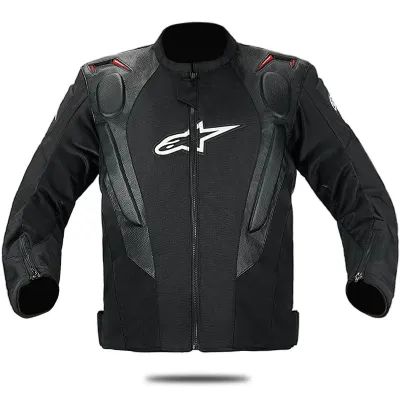
When evaluating an oz racing riding jacket for tropical use, the physical construction of the garment dictates its cooling performance. Airflow is your primary defense against heat buildup, which is why you must inspect the placement and surface area of mesh panels. High-quality hot-weather jackets utilize open-weave mesh across the chest, the inner arms, and the entire back panel. This layout creates a direct path for air to enter as you move forward and exhaust out the back, carrying body heat away through convection.
Products mentioned in this guide
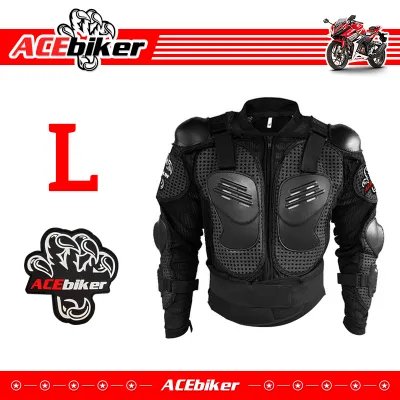
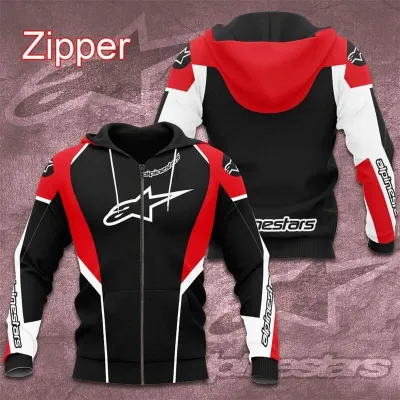
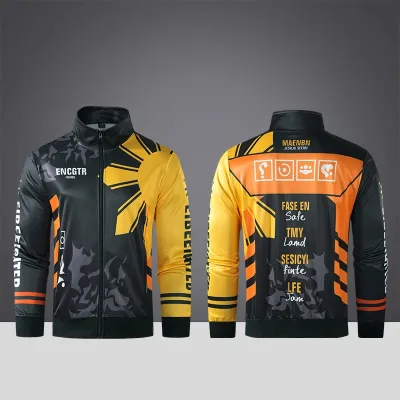
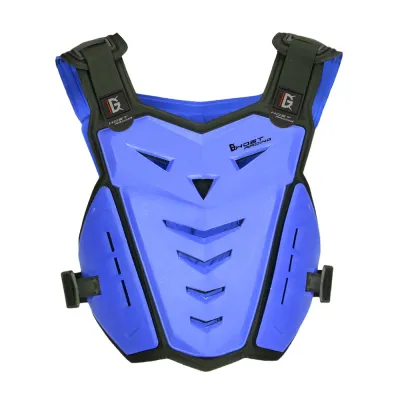
Prices are valid at publication and may change. Please refer to the product page for the latest price.
Equally important is the composition of the inner lining. Check the fabric composition printed on the jacket’s internal care tag. Standard polyester linings can trap heat and stick to sweaty skin, whereas technical fabrics engineered with moisture-wicking and quick-drying properties actively pull sweat away from your body. This moisture management is crucial in a humid environment where sweat does not evaporate naturally.
Adjustability is another critical factor. Look for jackets equipped with zippered air intakes on the collarbone or shoulders, along with exhaust vents on the rear. This allows you to regulate the airflow depending on your speed. For instance, you can open all vents during slow urban crawls and partially close them if the air becomes too cool or dusty on high-speed expressways.
Finally, pay attention to the denier rating of the outer shell materials. Denier measures the thickness of the fiber; a higher denier (such as 600D or 1000D polyester) indicates greater abrasion resistance but often reduced breathability. A well-designed tropical jacket strategically places high-denier fabrics only on high-impact zones like the shoulders and elbows, while using highly breathable, lower-denier mesh panels on the rest of the body to optimize airflow without sacrificing structural integrity.
Balancing Airflow with Riding Protection
Riding in hot weather always introduces a safety trade-off: maximizing ventilation often means reducing the amount of solid, abrasion-resistant fabric. Open-weave mesh panels are excellent for cooling, but they do not offer the same level of slide protection as solid textile or leather. To address this risk, you must ensure the jacket features a hybrid design. Look for robust, high-density textile reinforcements over the critical impact zones—specifically the shoulders, elbows, and upper back. These reinforced areas act as the primary barrier against friction if you slide on asphalt.

Do not rely on visual appearance alone to judge safety. Always verify the certification of the integrated armor inserts by checking the labels sewn into the armor pockets or the markings on the pads themselves. Look for CE (Conformité Européenne) Level 1 or Level 2 ratings. Level 2 armor offers higher impact absorption, which is highly recommended for highway speeds, though it may be slightly thicker and heavier than Level 1.
The fitment of this armor is exceptionally critical in hot, humid conditions. When you sweat, the fabric of the jacket can become slick against your skin, allowing the armor to shift out of place during an accident. To prevent this, check the jacket for adjustable straps or snap buttons on the biceps, forearms, and waist. Cinching these adjusters ensures that the elbow and shoulder protectors remain firmly positioned over your joints, regardless of how much you sweat.
Furthermore, wearing a highly ventilated mesh jacket directly over bare skin can cause friction burns from the internal mesh lining during a slide. It can also lead to chafing as you move. To mitigate this, always wear a lightweight, long-sleeved base layer. This thin layer of fabric acts as a protective barrier, reducing friction against your skin while allowing the jacket’s ventilation system to work efficiently.
Adapting to Philippine Riding Conditions
The performance of your riding jacket will vary dramatically depending on where and when you ride in the Philippines. Matching your gear to your specific route and schedule is key to staying comfortable.
City Traffic vs. Highway Riding: Commuting through congested urban areas like Metro Manila, Cebu, or Davao means spending significant time idling in stop-and-go traffic. At low speeds, you cannot rely on dynamic wind pressure to cool you down. In these conditions, passive ventilation is paramount, making a jacket with maximum mesh coverage essential. On the other hand, if your route consists of long-distance highway riding—such as traversing the Marilaque Highway or provincial expressways—you will experience continuous, high-speed wind. While this wind provides natural cooling, it can also cause fatigue and expose you to flying debris or insects. For highway riding, a jacket with a sturdier outer shell and adjustable zippered vents is often more practical than a fully open mesh design.
The Rainy Season Factor: The Philippine climate is defined by distinct wet and dry seasons, with sudden, torrential downpours being a common occurrence. A pure mesh jacket offers zero water resistance, meaning you will get soaked instantly in a storm. When selecting an oz racing riding jacket, check if the model includes a removable waterproof and windproof inner liner. This liner can be zipped inside the jacket to block rain and prevent wind chill. If the jacket does not come with a liner, you must carry a separate, packable rain suit in your utility box or backpack to wear over your protective gear when the weather turns.
Sun Exposure and Heat Absorption: Riding under the intense midday sun can quickly lead to heat exhaustion. Dark-colored jackets, especially solid black, absorb solar radiation and trap heat against your body. For daytime riding in the Philippines, consider choosing lighter colors like grey, white, or high-visibility yellow. Some modern fabrics also feature UV-resistant treatments that help reflect solar heat, keeping the jacket’s surface temperature lower.
By analyzing your daily commute, typical travel times, and average riding speeds, you can select a jacket configuration that provides the ideal balance of ventilation, weather protection, and impact safety for your specific routine.
Caring for Your Riding Jacket in a Humid Climate
The high humidity of the Philippine climate, combined with sweat and road grime, can quickly lead to the growth of mold, mildew, and bacteria on your riding gear. Proper maintenance is essential to prevent unpleasant odors and ensure the materials do not degrade prematurely.
Drying: After a sweaty ride or an unexpected encounter with rain, never leave your jacket crumpled in a top box, under-seat compartment, or a dark closet. Hang the jacket to air-dry in a well-ventilated, shaded indoor area. Avoid placing the jacket in direct sunlight or using a high-heat clothes dryer. Excessive heat and UV radiation can weaken the synthetic fibers of the outer shell, degrade the stitching, and cause the internal protective armor to warp or become brittle.
Cleaning: Regular washing is necessary to remove salt buildup from sweat, which can clog mesh pores and degrade fabrics. Always consult the manufacturer’s care label before washing. Remove all internal armor pads from their pockets before cleaning. Wash the jacket by hand or on a gentle machine cycle using a mild, gear-specific liquid detergent. Do not use fabric softeners, bleach, or harsh chemical stain removers, as these additives can destroy the moisture-wicking properties of the inner lining and damage waterproof coatings.
Storage: Store your riding jacket on a wide, sturdy, padded hanger to help maintain its shape, especially around the heavy shoulder area. Keep it in a dry, well-ventilated room, preferably one with active airflow or air conditioning. Avoid storing gear in damp basements or unventilated closets where humidity can accumulate, as this creates an ideal environment for mold and mildew to grow on the fabric.
Armor Care: Do not submerge or wash the protective armor pads in a washing machine. Instead, wipe them down with a damp microfiber cloth and a small amount of mild soap. Allow the armor to dry completely in a shaded area before reinserting it into the jacket pockets. This simple step prevents trapped moisture from causing the armor pockets to rot or develop persistent odors.
Frequently Asked Questions (FAQ)
Can I wear a mesh riding jacket during the rainy season in the Philippines?
While you can wear a mesh riding jacket during the rainy season, the open-mesh fabric offers no protection against water. To stay dry and prevent wind chill during sudden tropical downpours, you must either use a jacket that features a removable waterproof inner liner or carry a separate, windproof and waterproof rain suit to wear over your riding gear.
What should I wear under a mesh riding jacket to stay cool?
To maximize the cooling performance of your mesh jacket, wear a lightweight, synthetic moisture-wicking base layer or a compression shirt. Avoid wearing cotton shirts, as cotton absorbs and holds onto sweat, which blocks airflow, remains damp against your skin, and can cause painful chafing during long rides.
How do I know if the armor in my jacket is still safe after heavy sweating?
Continuous exposure to sweat, body oils, and high humidity can cause certain protective foams and plastics to degrade over time. You should regularly remove the armor pads from your jacket and inspect them for signs of cracking, crumbling, permanent deformation, or unusual stiffness. If the armor shows physical damage or no longer feels flexible, it should be replaced immediately according to the manufacturer’s specifications.
Community discussion
Share your experience or ask a question. Comments are reviewed before publication.