
The Core Verdict: High Visibility, Zero Impact Protection
When navigating dark streets, a pulis reflectorized vest is highly effective for passive visibility, but it offers absolutely zero physical impact or abrasion protection. This tactical-style safety garment is designed to make you stand out to motorists from a distance, making it a highly practical and affordable safety upgrade for night cycling on busy roads. However, it is crucial to understand that being seen is only one part of the safety equation.
While a reflective vest significantly reduces the risk of being overlooked by drivers, it cannot shield your body from the physical forces of a collision, a fall, or a sudden slide on wet asphalt. To achieve true safety on night rides, you must treat the vest as a single component of a larger, integrated safety system. This means pairing the vest with active front and rear bicycle lights, wearing a certified helmet, and maintaining a defensive riding posture.
Evaluating whether this gear is right for you requires a clear diagnostic approach. You must assess your typical riding routes, understand the physical limitations of loose-fitting tactical gear, and recognize the specific warning signs that your current visibility setup is failing. By analyzing these factors, you can make informed decisions to protect yourself under challenging riding conditions.
Products mentioned in this guide
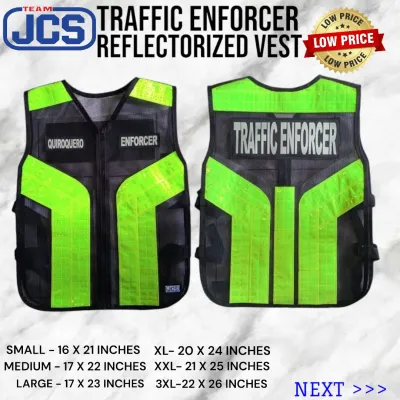
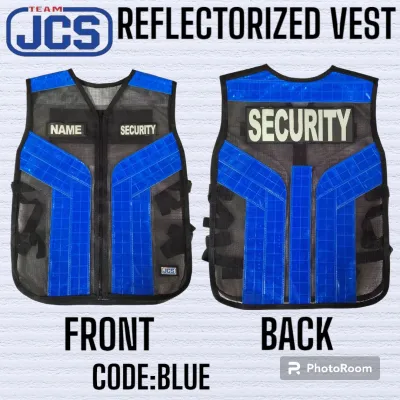
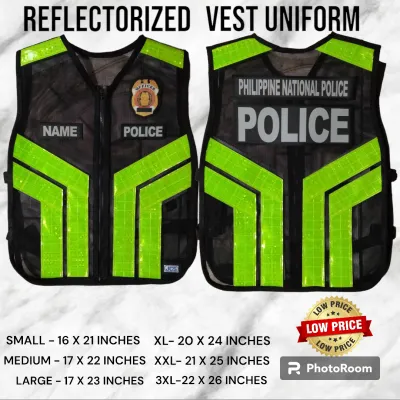
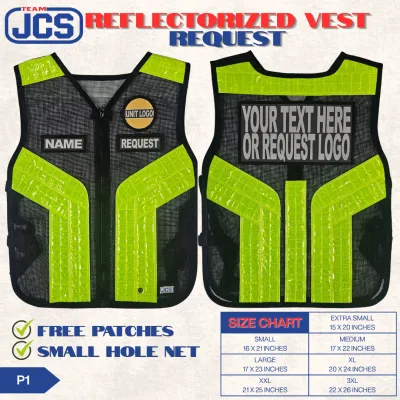
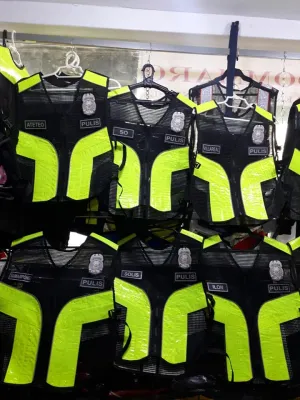
Prices are valid at publication and may change. Please refer to the product page for the latest price.
Understanding the Design of a Pulis Reflectorized Vest
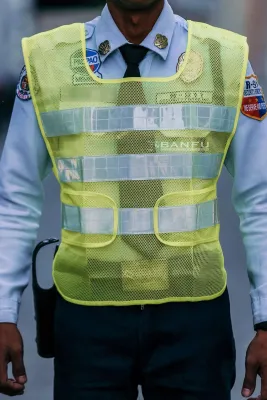
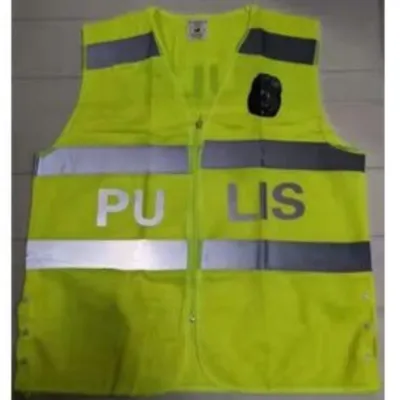
In the local cycling community, the term “pulis reflectorized vest” refers to high-visibility safety vests that mimic the tactical aesthetic and layout worn by law enforcement officers and traffic enforcers. These garments are not official police equipment and do not contain ballistic plates or protective armor. Instead, they are lightweight, fabric-based vests designed purely to maximize visual presence in low-light environments.

The effectiveness of these vests relies on two primary design elements: fluorescent base fabrics and wide retroreflective strips. The base fabric, usually in bright neon yellow, lime green, or hot orange, excels during daytime and twilight hours. These fluorescent materials absorb invisible ultraviolet light from the sun and re-emit it as visible light, making the wearer appear exceptionally bright against dark asphalt, gray concrete, or roadside foliage.
For night safety, the silver retroreflective strips are the most critical component. Retroreflection is a process where light is returned directly back to its source rather than scattering in all directions. When a vehicle’s headlights strike the microscopic glass beads or plastic micro-prisms embedded in the silver strips, the light bounces straight back to the vehicle’s headlights and, consequently, to the driver’s eyes. This creates a brilliant, glowing outline that instantly alerts motorists to your presence.
Because of the hot and humid tropical climate, comfort is a major consideration for local cyclists. Many tactical-style vests feature heavy polyester solid fabrics that trap sweat and heat, which can quickly lead to discomfort, overheating, and dehydration during long rides. Opting for a vest designed with breathable mesh panels allows crucial airflow, keeping you cool while maintaining high visibility.
Diagnosing Your Route: When High-Visibility Gear Is Essential
Not all cycling environments present the same level of risk, and diagnosing your typical route is the first step in determining how heavily you must rely on high-visibility gear. Different roads present unique visual challenges that affect how quickly a motorist can spot and react to a cyclist at night.
If your daily commute involves unlit provincial roads or bypass highways, a reflective vest is an absolute necessity. These routes often lack consistent street lighting, have narrow or non-existent shoulders, and are prone to sudden hazards like deep potholes, stray animals, or slow-moving agricultural vehicles. On these dark roads, a driver’s headlights are the sole source of illumination, making retroreflective gear your primary line of defense.
On major urban highways characterized by heavy, mixed traffic, the challenge shifts from a lack of light to visual clutter. Bright billboards, flashing storefront signs, oncoming headlights, and dense rows of tail lights create a chaotic visual environment. In this setting, a driver’s attention is highly divided. A distinct human silhouette created by a reflective vest helps cut through the visual noise, allowing distracted drivers to identify you as a cyclist rather than a random background reflection.
Weather conditions also play a massive role in visibility. During the monsoon season, heavy afternoon and evening downpours dramatically reduce windshield visibility and increase braking distances. Raindrops disperse light, which weakens the effectiveness of standard bike lights. A large, high-contrast reflective surface on your torso provides a much larger visual target, giving motorists those precious extra seconds to slow down or steer clear.
To determine if maximizing passive visibility is the primary safety need for your daily rides, consider this self-assessment checklist:
- Do you regularly ride between the sunset hours of 6:00 PM and the sunrise hours of 5:00 AM?
- Does your route lack dedicated, physically barrier-protected bike lanes?
- Are there significant stretches of your commute with broken, dim, or non-existent streetlights?
- Do you share the road with fast-moving public utility vehicles, large cargo trucks, or delivery motorcycles?
- Do you frequently ride in areas prone to sudden heavy rain, thick mist, or road dust?
If you answer yes to two or more of these conditions, relying solely on standard clothing is highly risky, and integrating a high-visibility vest into your gear routine is strongly recommended.
Setting Safety Boundaries: What the Vest Can and Cannot Do
While a pulis reflectorized vest is an incredibly useful tool, establishing strict safety boundaries is essential to prevent a false sense of security. Knowing exactly what the vest can and cannot do keeps you realistic about your vulnerability on the road.
What the Vest Fulfills
- Long-Range Detection: Under clear night conditions, a high-quality retroreflective vest can make you visible to approaching headlights from several hundred meters away, giving drivers ample time to adjust their path.
- Human Shape Recognition: The distinct placement of vertical and horizontal reflective bands outlines your torso. This helps motorists instantly recognize you as a human being rather than a static road sign or debris, triggering a more cautious driving response.
- Low-Cost Peace of Mind: Retailing in broad price bands typically ranging from ₱150 to ₱500 on online marketplaces and local retail stores, these vests offer one of the highest safety-to-cost ratios of any cycling accessory.
What the Vest Fails to Provide
- Impact Protection: The thin polyester or nylon mesh fabric offers zero defense against road rash, fractures, or internal injuries. If you are hit by a vehicle or fall from your bike, the vest will not absorb any impact.
- Side-Angle Visibility: Reflective strips only work when light shines directly on them. If a vehicle approaches you from a side street at a 90-degree angle, its headlights will not strike your front or back reflective strips, leaving you virtually invisible from the side until the vehicle is extremely close.
- Independent Illumination: The vest does not generate its own light. If you are riding on a pitch-black road with no oncoming vehicles or streetlights, you remain invisible to pedestrians and other cyclists who do not have headlights of their own.
Fit and Movement Hazards
Many tactical-style vests are designed with a loose, boxy cut intended to fit over thick uniforms or heavy jackets. For a cyclist wearing a lightweight jersey or t-shirt, an oversized vest presents several physical hazards. At high speeds or during windy descents, loose fabric will flap violently, creating distracting noise and aerodynamic drag.
More importantly, loose straps, plastic adjustment buckles, or excess fabric can easily snag on bicycle components. A loose vest can catch on the nose of your saddle when you slide off the seat to stop at an intersection, or it can get tangled in a rear cargo rack, brake levers, or even the rear wheel spokes. This can cause sudden, dangerous losses of balance and subsequent falls.
To prevent these hazards, always choose a vest that offers adjustable side straps, velcro closures, or elastic side panels. Adjust the vest so it fits snugly against your torso over your riding clothes, ensuring there is no loose, sagging material. Before setting off, perform a quick range-of-motion check by reaching fully forward to your handlebars and turning your head side to side to ensure the vest does not restrict your shoulders or neck.
Signs Your Current Night Gear Is Insufficient
As a cyclist, you must constantly monitor the performance of your safety gear. Recognizing the subtle warning signs that your visibility is failing allows you to make life-saving adjustments before an accident occurs.
One of the most obvious signs of insufficient visibility is the behavior of surrounding traffic. If you notice that drivers frequently fail to yield the right-of-way at intersections, cut closely in front of you when turning, or perform “close passes” with less than a meter of clearance, it is highly likely they are not seeing you until the last moment. Do not assume these actions are purely due to aggressive driving; often, drivers simply do not perceive your presence in time.
Another critical sign is the physical degradation of your gear. Over time, exposure to intense tropical sunlight, heavy rain, sweat, and repeated washing will degrade retroreflective materials. If the silver bands on your vest look dull, grey, cracked, or are peeling away from the fabric, their ability to bounce light back to drivers is severely compromised. You can test this by taking a photo of your vest in a dark room using your mobile phone’s camera flash from a few meters away; if the strips do not glow brilliantly in the photo, the vest needs to be replaced.
Because reflective vests are passive devices, they must always be paired with active lighting. Active lights—specifically a bright, steady or flashing white front light and a highly visible red rear light—project light independently of external sources. This ensures you are visible from side angles, inside dark intersections, and to road users who do not have headlights.
For maximum safety, implement a comprehensive three-layer safety approach:
- Layer 1: Certified Helmet: Protects your head from impact injuries in the event of a fall or collision. Always check the manufacturer's instructions for proper helmet fit and replacement intervals.
- Layer 2: Active Lighting: High-quality front and rear lights to actively signal your position and illuminate road hazards ahead of you.
- Layer 3: High-Visibility Clothing: A snug-fitting pulis-style reflectorized vest to maximize your visual footprint and ensure you are recognized as a human cyclist.
Frequently Asked Questions (FAQ)
Do I need a certified reflective vest for cycling in the Philippines?
While national laws from the Land Transportation Office (LTO) and the Department of Transportation (DOTr) primarily mandate certified reflective vests and specific safety gear for motorcyclists, there is no nationwide law requiring a specific certified reflective vest for bicycle riders. However, several local government units (LGUs) across the Philippines have enacted local ordinances that require cyclists to wear reflective vests, high-visibility sashes, or active lights when riding within city limits at night. Even where it is not legally mandated, wearing a reflective vest is a highly recommended personal safety measure to navigate shared roads safely.
Can I wash a police-style reflective vest without ruining it?
Yes, you can wash a reflective vest, but you must follow gentle care instructions to avoid destroying the retroreflective materials. Always check the applied product’s label and the manufacturer’s care instructions first. To preserve the vest, hand wash it in cold water using a mild liquid detergent. Avoid harsh chemicals, bleach, and fabric softeners, as they can strip the reflective coating from the silver strips. Never machine wash the vest on heavy cycles, tumble dry it, or iron directly on the reflective bands. The intense heat and friction of dryers and irons will melt or crack the micro-prisms, permanently ruining the vest’s reflective capabilities. Instead, gently squeeze out excess water and hang the vest to air dry in a shaded, well-ventilated area.
Community discussion
Share your experience or ask a question. Comments are reviewed before publication.