
Choosing the correct transmission oil is one of the most critical maintenance decisions you can make for your vehicle’s longevity. While both automatic transmission fluid (ATF) and continuously variable transmission (CVT) fluid are designed to lubricate internal components, they serve entirely different mechanical systems. These fluids are formulated with distinct chemical properties and are not interchangeable under any circumstances.
Using the incorrect fluid can lead to immediate shifting issues, severe internal wear, and eventual catastrophic transmission failure. The only reliable way to determine which transmission oil your car requires is to verify the exact specifications in your vehicle’s owner’s manual or check the transmission dipstick. Relying on general vehicle assumptions or vague marketing labels on fluid bottles can result in costly mistakes.
In tropical climates like the Philippines, where high ambient temperatures, heavy stop-and-go city traffic, and high humidity put extra thermal stress on your drivetrain, using the correct fluid is even more critical. Operating a transmission with the wrong fluid under these demanding conditions accelerates chemical breakdown and mechanical wear.
Products mentioned in this guide
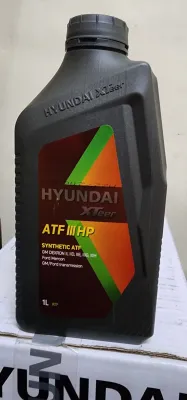
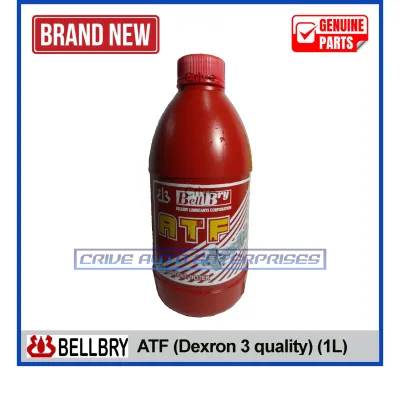
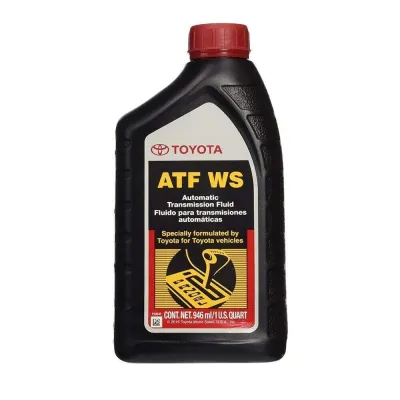
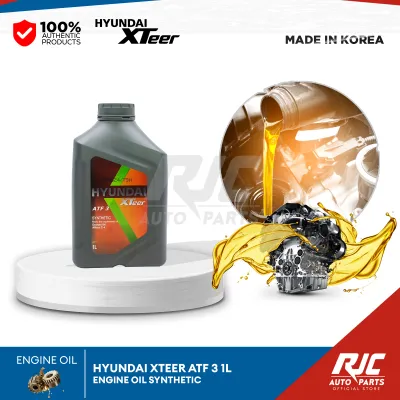
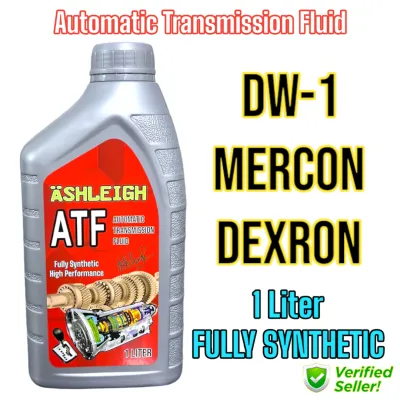
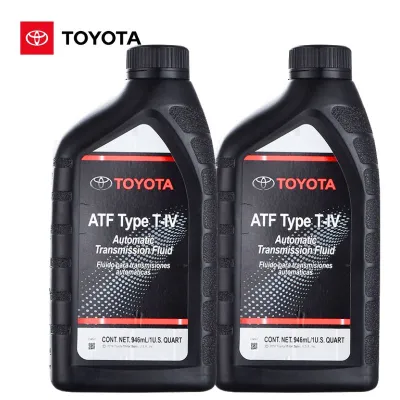
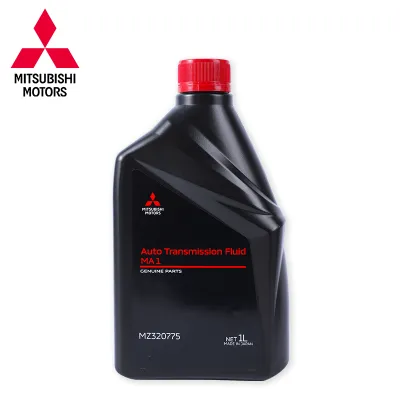
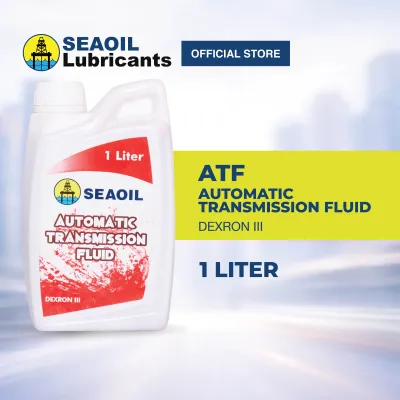
Prices are valid at publication and may change. Please refer to the product page for the latest price.
Understanding the Core Differences Between ATF and CVT Fluid
To understand why these fluids cannot be interchanged, you must look at how conventional automatic transmissions and CVTs operate. A conventional automatic transmission relies on a complex system of planetary gearsets, torque converters, and wet clutch packs. The transmission oil in these systems must provide specific friction characteristics that allow the clutch packs to engage smoothly without slipping, while also acting as a hydraulic fluid to actuate gear changes.
In contrast, a CVT does not use traditional gears. Instead, it utilizes a steel belt or chain running between two variable-diameter, smooth metal pulleys. To transfer power effectively, the CVT fluid must provide an exceptionally high coefficient of steel-on-steel friction. This high friction prevents the belt or chain from slipping against the smooth surfaces of the pulleys under heavy acceleration or load.
Because of these contrasting mechanical designs, the chemical additives in ATF and CVT fluids are fundamentally different. ATF contains friction modifiers designed to facilitate controlled clutch engagement and smooth shifting. If you put ATF into a CVT, the fluid will lack the necessary metal-on-metal friction modifiers, causing the belt to slip immediately against the pulleys, which quickly destroys the transmission.
Conversely, CVT fluid contains specialized friction modifiers that are too aggressive for the clutch packs in a conventional automatic transmission. Using CVT fluid in a standard automatic can prevent the clutches from engaging correctly, leading to severe slippage, rapid clutch wear, and excessive heat generation.
Shear stability is another major differentiator. CVT fluids are engineered to withstand the continuous, intense squeezing forces exerted by the pulley system without breaking down chemically. Conventional ATF, while highly durable, is not formulated to endure these specific localized pressures over extended periods, which leads to rapid viscosity loss if used in a CVT.
How to Verify Which Transmission Oil Your Vehicle Requires
Identifying the correct transmission oil for your vehicle requires consulting official documentation rather than guessing. The primary and most reliable source of truth is your vehicle’s owner’s manual. Navigate to the specifications, capacities, or maintenance section of the manual to find the exact original equipment manufacturer (OEM) fluid specification code.

These OEM codes are highly specific and vary by manufacturer. For example, a manufacturer might specify a proprietary standard such as Toyota ATF WS, Honda HCF-2, Nissan NS-3, or Mitsubishi DiaQueen CVTF-J4. You must match this exact code rather than simply looking for a bottle labeled “ATF” or “CVT.”
If you do not have access to the owner’s manual, you can often find the fluid requirement directly on the vehicle. Open the hood and locate the transmission dipstick, if your vehicle is equipped with one. The required fluid type or OEM specification is frequently stamped directly onto the plastic handle or the metal blade of the dipstick. On some vehicles, a warning label specifying the fluid type is affixed to the underside of the hood or near the transmission fill plug.
For modern vehicles that feature “sealed” transmissions without a traditional dipstick, verifying the fluid type requires extra care. In these cases, you should consult an authorized dealership service department or a qualified professional mechanic who can look up your vehicle’s Vehicle Identification Number (VIN) in an official database to confirm the correct fluid specification.
When purchasing transmission oil, always evaluate the product label carefully. Do not rely on broad marketing claims on the front of the bottle, such as “universal transmission fluid” or “suitable for most imports.” Turn the bottle over and read the technical specifications list on the back to ensure your vehicle’s exact OEM standard is explicitly listed as approved.
The Risks of Using the Wrong Transmission Fluid
Operating a vehicle with the incorrect transmission oil produces immediate and noticeable symptoms. You may experience severe transmission shuddering, slipping during acceleration, delayed gear engagement when shifting from Park to Drive, or unusual whining and humming noises coming from the engine bay. These symptoms indicate that the fluid is failing to provide the correct friction properties or hydraulic pressure.
The long-term mechanical consequences of using the wrong fluid are severe. In a CVT, even brief periods of belt slippage will score and damage the smooth faces of the pulleys. Once the pulleys are damaged, the transmission cannot maintain proper tension, leading to complete mechanical failure that typically requires a full transmission replacement.
In a conventional automatic transmission, the incorrect friction levels will cause the internal clutch packs to slip and rub against each other constantly. This continuous friction generates extreme heat, which burns the clutch material and degrades the remaining fluid, eventually leading to a complete loss of drive.
If you suspect that the wrong transmission fluid has been added to your vehicle, you must establish a strict safety boundary: stop driving the vehicle immediately. Continuing to drive, even for a short distance, can cause irreversible internal damage. Have the vehicle towed to a qualified professional service center where the transmission can be thoroughly flushed and inspected.
Best Practices for Checking and Maintaining Transmission Fluid
Regularly monitoring the condition of your transmission oil can help you catch potential issues before they lead to major failures. Perform visual and olfactory checks on the fluid if your vehicle has an accessible dipstick. Healthy ATF is typically bright red, while healthy CVT fluid often ranges from light green to blue or amber, depending on the manufacturer.
If the fluid appears dark brown or black, or if it emits a distinct burnt odor, it has degraded and lost its protective properties. You should also check for any metallic particles or cloudiness in the fluid, which indicates internal component wear or water contamination.
When checking the fluid level, you must follow the manufacturer’s exact procedure, as the requirements vary significantly between vehicles. Some manufacturers require the engine to be running and fully warmed up with the transmission in “Park” on level ground, while others specify checking the fluid cold or with the engine off. Incorrectly checking the level can lead to underfilling or overfilling, both of which cause fluid foaming and pressure loss.
For vehicles with sealed transmissions, checking and changing the fluid is a complex process that should be deferred to a professional service center. These systems often require specialized diagnostic scanners to monitor the transmission fluid temperature precisely during the fill process, alongside dedicated pump equipment to exchange the fluid without introducing contaminants.
In the demanding driving conditions of the Philippines, characterized by high ambient heat and dense traffic, transmission fluid degrades faster than it would under ideal driving conditions. Adhering to a strict inspection schedule and replacing the fluid at the manufacturer-recommended intervals is essential to maintaining smooth operation and preventing premature wear.
Frequently Asked Questions (FAQ)
Can I mix ATF and CVT fluid in an emergency?
No, you must never mix ATF and CVT fluid, even in an emergency. Mixing these two fluids immediately alters the chemical composition and friction characteristics of the oil. This compromise prevents the fluid from providing the necessary grip or lubrication, leading to immediate belt slippage in a CVT or clutch failure in an automatic transmission. If your transmission fluid is dangerously low and you do not have the correct fluid type available, the safest course of action is to arrange for a tow truck rather than risking catastrophic transmission damage.
Is multi-vehicle transmission oil safe for both ATF and CVT systems?
Multi-vehicle transmission oil is only safe if your vehicle’s exact OEM specification is explicitly listed on the product’s approved compatibility list. While some advanced multi-vehicle fluids are formulated to meet multiple standards, many are designed specifically for either conventional automatic transmissions or CVT systems, but not both. Never rely on generic front-label claims of universal compatibility. Always verify the technical specifications on the back of the bottle to confirm that the fluid officially supports your vehicle’s specific manufacturer standard before adding it to your transmission.
Community discussion
Share your experience or ask a question. Comments are reviewed before publication.