
Quick Answer: Finding the Best Banana-Type Wiper Blade for Your Vehicle
Selecting the ideal banana-type wiper blade for your vehicle in the Philippines is not about finding a single, universally perfect brand. Instead, the right choice depends on your vehicle’s specific windshield curvature, the rubber compound of the blade, and the structural build of the wiper frame.
In tropical climates characterized by intense ultraviolet radiation and sudden monsoon downpours, wiper blades degrade rapidly. Brands that offer UV-resistant materials, such as silicone or treated synthetic rubber, consistently outlast standard natural rubber options. Additionally, robust pressure distribution across the blade frame is essential to maintain clear contact with the glass during heavy rainfall.
To maximize visibility and longevity, prioritize silicone-infused or coated blades if your vehicle is frequently parked outdoors. For highly curved windshields, select multi-point hybrid frames that conform to the glass shape. Remember that proper fitment, correct adapter selection, and regular windshield deep-cleaning are just as critical to wiping performance as the brand name itself.
Products mentioned in this guide
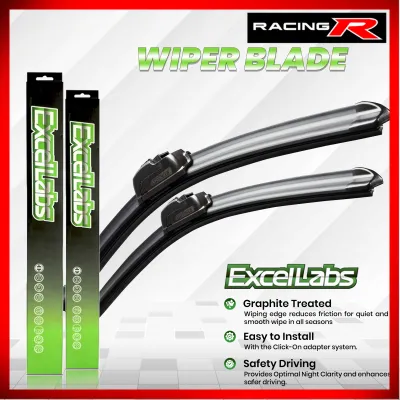
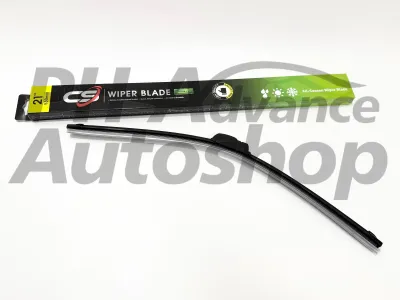
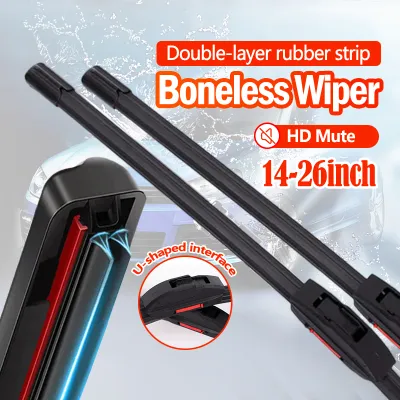
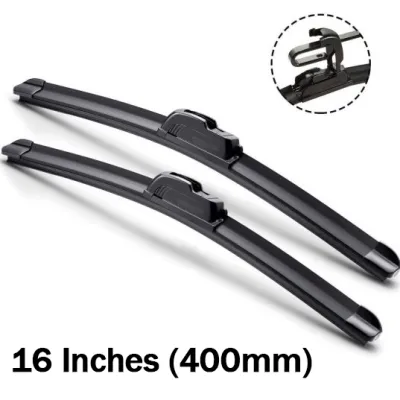
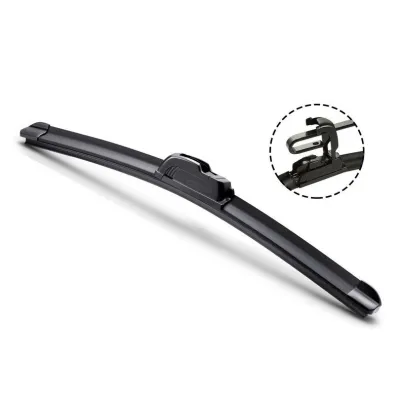
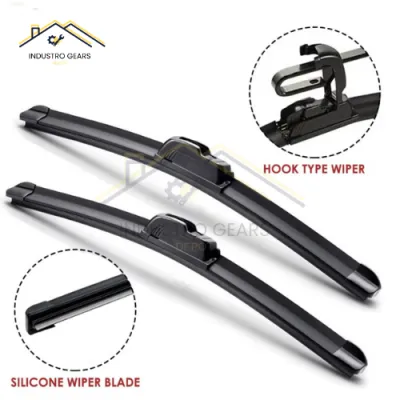
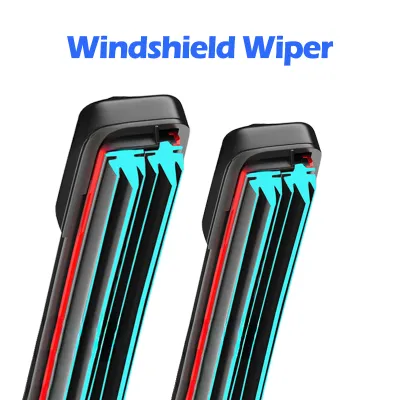
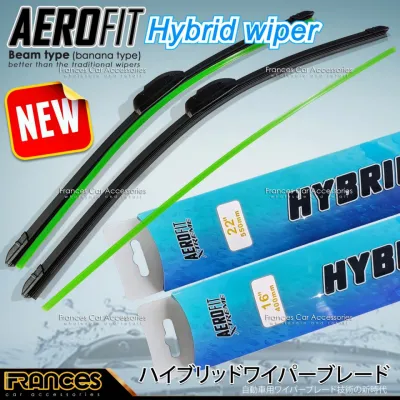
Prices are valid at publication and may change. Please refer to the product page for the latest price.
What Exactly is a "Banana-Type" Wiper Blade?
In the automotive aftermarket, “banana-type” is a colloquial term widely used by drivers, local auto supply shops, and online marketplaces. It typically refers to modern curved beam blades or hybrid wiper blades. These designs feature a distinct, pre-curved aerodynamic profile that resembles a banana, engineered to overcome the limitations of traditional bracket-style wipers.

Traditional conventional wipers rely on an exposed metal skeleton with external claws to press the rubber blade against the glass. This design is prone to wind lift at high speeds and uneven pressure distribution. In contrast, banana-type or hybrid blades integrate an aerodynamic plastic or rubber shell over a tensioned steel beam or a simplified multi-point frame. This shell acts as a wind spoiler, using the airflow generated while driving to press the blade firmly against the windshield.
By utilizing wind pressure, banana-type blades reduce wind lift, preventing the wipers from skipping or lifting off the glass during high-speed driving on open highways. When shopping, drivers must look past vague marketing terms on packaging. Some manufacturers label simple, low-tension beam blades as banana blades, while others reserve the term for articulated hybrid designs. Verifying the physical construction of the blade is essential to understand its performance characteristics.
Comparing Wiping Clarity: Materials and Frame Design
Wiping clarity is the primary measure of a wiper blade’s performance. When a blade fails to clear water cleanly in a single pass, it leaves behind streaks, haze, or a film that severely compromises night visibility. Achieving maximum clarity requires a precise combination of high-quality rubber compounds and a frame design that maintains uniform contact across the entire sweep area.
Rubber Compounds and Edge Coatings
The material of the wiping element directly dictates how smoothly the blade glides across the glass. Natural rubber has long been the industry standard due to its flexibility and excellent initial wiping performance. It conforms easily to minor glass imperfections, providing a quiet and clean sweep. However, untreated natural rubber is highly susceptible to friction, which can cause chattering, squeaking, and rapid wear.
To overcome these limitations, many manufacturers apply graphite or Teflon coatings to the rubber edge. These coatings act as dry lubricants, reducing friction between the rubber and the glass, which minimizes noise and ensures a smoother glide. While these coatings improve initial performance, they eventually wear off over months of friction and cleaning.
Alternatively, silicone-infused wiper blades represent a more advanced material choice. While silicone blades generally carry a higher initial price tag, they offer a unique self-lubricating property. As the silicone blade sweeps across the windshield, it deposits a microscopic, water-repellent layer on the glass. This layer causes rainwater to bead up and fly off even when the wipers are not active, significantly improving visibility. When evaluating brands, drivers must check the product label or official manufacturer specifications for the exact compound used, as vague marketing terms like “premium rubber blend” or “advanced formula” do not guarantee the presence of silicone or graphite coatings.
Frame Articulation and Windshield Contact
Even the highest-grade rubber compound cannot wipe effectively if it does not make consistent contact with the glass. This is where frame articulation becomes critical. The windshields of modern sedans, SUVs, and crossovers are highly curved, especially near the outer edges and the passenger-side A-pillar.
A standard, non-articulated beam blade relies solely on the pre-tensioned steel strip inside the rubber to conform to the glass. On highly curved windshields, this can result in “edge lift,” where the ends of the blade fail to touch the glass, leaving unwiped patches. This issue is particularly common on vehicles with long wiper arms or steep windshield angles.
True hybrid banana-type blades address this by incorporating a series of internal pivot points or sub-frames beneath the aerodynamic cover. This design allows the blade to flex and articulate at multiple points, distributing the downward pressure from the wiper arm evenly across the entire length of the blade. When choosing a wiper blade, drivers should match the blade’s structural design with their vehicle’s windshield profile. Vehicles with steep, complex glass curves generally benefit from hybrid frames with multiple articulation points, while flatter windshields can perform exceptionally well with simpler, high-tension beam-type banana blades.
Evaluating Durability in Tropical Climates
Wiper blades in the Philippines face some of the most punishing environmental conditions in the world. The combination of intense ultraviolet radiation, extreme cabin-level heat, high humidity, and torrential monsoon rains means that standard wiper blades can degrade in as little as six months. Understanding how different materials and frame structures withstand these elements is key to selecting a durable product.
Resistance to Heat and UV Degradation
The intense tropical sun is the primary enemy of wiper rubber. When a vehicle is parked outdoors under direct sunlight, the temperature of the windshield glass can easily exceed 60 degrees Celsius. This extreme heat, combined with constant UV exposure, accelerates the vulcanization process of standard natural rubber, causing it to lose its plasticizers. As a result, the rubber quickly becomes hard, brittle, and cracked.
Once the rubber loses its flexibility, it can no longer conform to the windshield’s curve, leading to severe streaking, skipping, and loud chattering. To combat UV and thermal degradation, drivers should look for blades made from synthetic rubber compounds, such as Ethylene Propylene Diene Monomer (EPDM), or high-grade silicone. Silicone is inherently resistant to UV radiation and thermal breakdown, allowing it to remain soft and pliable even after years of exposure to intense sunlight. EPDM also offers superior resistance to ozone and heat compared to standard natural rubber.
While choosing a UV-resistant material is crucial, drivers can also take practical steps to extend the lifespan of their wipers. Parking in shaded areas, using reflective windshield sunshades, and regularly cleaning the wiper blades with a damp microfiber cloth to remove baked-on dust and road grime will significantly prolong the service life of any blade, regardless of the brand. Avoid lifting the wiper arms for extended periods when parked in the sun, as this can stretch and weaken the tension springs inside the wiper arms over time.
Frame Corrosion and Joint Integrity
While the rubber element is often the focus of durability discussions, the structural frame of the wiper blade is equally vulnerable to tropical wear. The high humidity and frequent rainfall characteristic of the Philippine climate create an ideal environment for metal corrosion. This is especially true in coastal areas where salt air accelerates the rusting process.
Many hybrid-type banana blades feature internal metal brackets and pivot joints to achieve their multi-point articulation. If these metal components are made of low-grade steel without adequate rust protection, they will quickly begin to corrode. Rust can cause the pivot joints to seize up, preventing the frame from flexing. A seized joint leads to uneven pressure distribution, leaving large streaks across the windshield and causing the rubber to wear out prematurely in specific spots.
To ensure long-term structural integrity, look for brands that specify the use of galvanized steel, stainless steel, or high-strength polymer composites for their internal frame components. Additionally, many premium banana-type blades feature a fully enclosed aerodynamic housing. This plastic or rubber shell protects the internal joints from direct exposure to water, road salt, and debris, preventing premature corrosion and ensuring the frame remains flexible throughout the blade’s lifespan.
How to Verify Quality and Avoid Misleading Listings
Shopping for wiper blades can be a confusing experience, particularly when navigating online e-commerce platforms or physical auto accessory hubs. The market is flooded with unbranded or counterfeit products that mimic the sleek “banana” shape of premium brands but perform poorly and fail within weeks. To protect your investment and ensure road safety, it is essential to follow a systematic verification process before making a purchase.
First, look for clear manufacturer part numbers and verifiable technical specifications. Reputable brands provide detailed information about their materials, such as “100% silicone” or “graphite-coated EPDM rubber,” rather than using vague, non-technical superlatives like “super clear” or “military grade.” Be highly skeptical of products offered at suspiciously low prices, such as packages costing under ₱100. Extremely cheap wiper blades often use unvulcanized or low-grade recycled rubber that quickly melts, smears, or tears under the hot sun.
Second, verify the exact fitment requirements for your vehicle. Wiper blades are not universally compatible. You must check your vehicle’s owner’s manual or measure your existing blades to determine the precise length required for both the driver and passenger sides, which are often different sizes.
Furthermore, you must identify the correct adapter type. While many older vehicles use a standard J-hook connector, modern vehicles frequently utilize specialized interfaces such as side pins, bayonets, pinch tabs, or push buttons. Many premium wiper brands package their blades with a set of multi-fit adapters, but you must verify that your specific vehicle model and year are explicitly listed as compatible on the product packaging or documentation.
Before purchasing or attempting to install any wiper blade, always consult your vehicle’s original manufacturer instructions. If you are unsure about the mounting mechanism or compatibility, seek assistance from a qualified automotive professional. Installing an incorrect or poorly secured wiper blade can cause it to detach while driving, which can scratch your windshield glass and leave you without visibility during a sudden downpour, presenting an immediate safety hazard.
Decision Framework: Which Specifications to Choose
To help you navigate the selection process, use this condition-based framework to identify the exact wiper blade specifications that match your driving environment, vehicle design, and maintenance habits:
- Choose silicone-infused or EPDM rubber blades if your vehicle is frequently parked outdoors in unshaded areas, exposed to intense daily sunlight and high ambient temperatures. These materials resist UV cracking and thermal hardening far better than standard natural rubber.
- Choose hybrid banana-type blades with multi-point internal articulation if your vehicle has a highly curved windshield, such as many modern aerodynamic sedans and compact crossovers. The articulated joints ensure the blade maintains uniform pressure across the entire sweep, preventing edge lift.
- Choose fully enclosed frame designs if you frequently drive through heavy, wind-driven monsoon rains or in dusty environments. The protective outer shell prevents dirt, road debris, and moisture from clogging or corroding the internal pivot joints.
- Choose graphite- or Teflon-coated natural rubber blades if you prioritize quiet, chatter-free operation on a budget and are willing to replace your blades more frequently (typically every 6 to 12 months).
- Verify the exact length and adapter interface in your vehicle's owner manual before finalizing any purchase. Never assume compatibility based on general vehicle category or brand name alone.
By focusing on these verifiable material and structural specifications rather than brand marketing, you can ensure that your selected banana-type wiper blades will provide reliable wiping clarity and durability, keeping your vision clear and your drives safe through every tropical storm.
Community discussion
Share your experience or ask a question. Comments are reviewed before publication.