
Starting a tire repair shop in the Philippines requires a strategic selection of vulcanizing tools to deliver safe, reliable, and efficient services. Whether you are setting up a small roadside shop or a more comprehensive garage, your tool kit directly dictates the types of tires you can service and the speed of your operations. By focusing on essential hand tools, reliable air supply systems, and proper safety equipment, you can establish a functional workspace that meets local demands while ensuring road safety for your customers.
Define Your Service Scope to Determine Tool Needs
Before purchasing any equipment, you must clearly define the scope of services your shop will offer. A basic setup focusing strictly on emergency puncture repairs requires minimal investment and space. However, if you plan to offer comprehensive services like tire mounting, dismounting, wheel balancing, and valve replacements, you will need heavier, specialized machinery.
Your physical workspace plays a critical role in these decisions. Heavy machinery, such as semi-automatic tire changers, requires a stable concrete floor with adequate load-bearing capacity and sufficient clearance for safe operation. You must measure your floor space carefully to ensure technicians can move freely around vehicles without obstruction.
Products mentioned in this guide
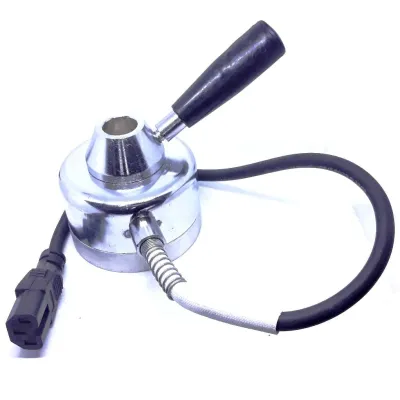
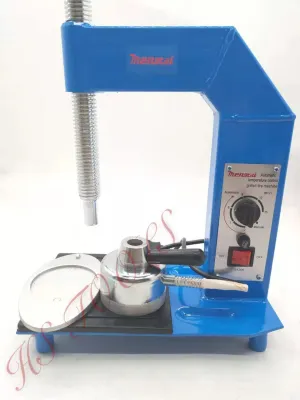
Prices are valid at publication and may change. Please refer to the product page for the latest price.
Additionally, local power grid limitations in your specific area can restrict your equipment choices. Many residential and light commercial zones in the Philippines operate on single-phase electrical systems, which may not support heavy-duty three-phase industrial motors. Verifying your location’s electrical capacity beforehand helps you choose compatible manual, pneumatic, or electric tools without overloading your local circuit.
Core Vulcanizing Tools for Puncture Repairs
Executing standard tire puncture repairs safely requires a dedicated set of hand tools and high-quality consumables. The repair process begins with preparing the puncture channel using reaming tools and rasp bits. These tools clean out debris, steel belt fragments, and rust from the injury channel, ensuring the repair material can bond securely to the tire structure.

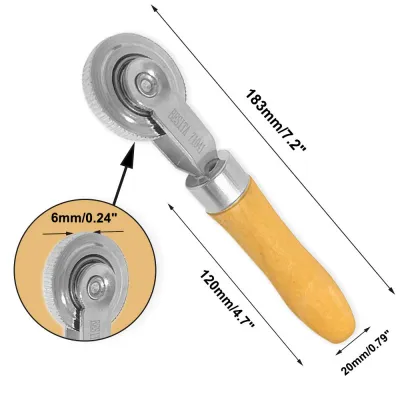
Once the channel is prepared, you will need insertion tools to apply tire plugs, or patch kits and vulcanizing cement for internal repairs. A stitch roller is essential for internal patches, as it rolls out air bubbles and ensures firm, uniform contact between the patch adhesive and the inner liner of the tire. For traditional hot vulcanizing, a specialized heating clamp is used to cure raw rubber patches directly onto inner tubes.
Because the tropical climate in the Philippines brings high humidity and heat, you must regularly verify the expiration dates and storage conditions of your chemical vulcanizing cement and patches. Excess moisture and heat can degrade adhesives rapidly, leading to premature patch failure. Always check that your consumables are fully compatible with the specific tire construction—whether radial or bias-ply—before performing any repair.
Equipment for Safe Tire Dismounting and Mounting
Separating a tire from its rim requires specialized tools designed to prevent damage to both the wheel and the tire bead. For low-volume shops, mobile repair services, or tight budgets, manual tire levers and manual bead breakers are highly practical. These tools rely on leverage and physical effort to break the tire bead away from the rim flange.
For higher-volume shops, manual or semi-automatic tire changers significantly speed up operations and reduce physical strain. When selecting a tire changer, pay close attention to the clamping mechanisms and ensure you use rim protectors. These protective inserts prevent metal-on-metal contact, preserving the finish of modern alloy rims which are highly common on local passenger vehicles.
Completing the mounting process requires valve core removers to manage airflow during deflation and inflation, alongside bead seating tools. A bead seater, often referred to as an inflation blaster, delivers a sudden blast of compressed air to force the tire beads onto the rim seats, establishing an airtight seal. Always follow the tire manufacturer’s inflation limits and safety guidelines during this high-pressure step to prevent accidents.
Air Supply, Balancing, and Technician Safety Gear
A reliable air compressor is the heart of any vulcanizing shop, powering pneumatic tools, impact wrenches, and tire inflation lines. When sizing your compressor, calculate the cumulative air consumption (measured in cubic feet per minute) of all tools you plan to run simultaneously. A compressor with an undersized tank or low output will struggle to maintain pressure, leading to operational delays and tool inefficiency.
In addition to inflation, basic wheel stability checks are crucial for customer safety. While advanced computerized balancers are ideal for high-end shops, basic static balancing tools or bubble balancers can help identify major weight imbalances in wheel assemblies. Accurate, regularly calibrated tire pressure gauges are also mandatory to ensure tires are inflated strictly to the vehicle manufacturer’s specified pressure levels.
Technician safety must never be compromised in a high-pressure environment. Standard personal protective equipment should include safety glasses to protect against flying debris, heavy-duty gloves for handling rough tire beads, and steel-toe boots to guard against heavy dropped objects. Establishing clear safety boundaries around inflation cages or high-pressure lines helps prevent severe injuries from potential tire blowouts.
Evaluating Tool Quality and Planning Your Budget
Investing in reliable, high-quality tools is more cost-effective than constantly replacing cheap, substandard alternatives. When shopping for heavy-use items, carefully inspect the manufacturer specifications, material grades, and warranty terms. Look for forged steel construction rather than brittle cast iron for high-stress hand tools like tire levers and bead breakers.
Be vigilant for warning signs of substandard tools, such as uneven casting, poor welding joints, or a complete lack of recognized safety certifications. Using low-quality tools under high mechanical stress poses a severe safety risk to the technician and can damage customer property.
When planning your initial budget, prioritize critical safety and core repair tools first to ensure you can perform basic tasks reliably. You can allocate your remaining ₱ budget to a phased upgrade plan, gradually adding advanced equipment like pneumatic impact guns, semi-automatic changers, or computerized wheel balancers as your customer base and daily revenue grow.
Frequently Asked Questions (FAQ)
Can I start a vulcanizing shop using only manual hand tools?
Yes, it is entirely possible to start a basic vulcanizing shop using only manual hand tools for puncture repairs and tube patching. This setup is highly mobile and requires minimal initial investment, making it ideal for small roadside stalls. However, manual bead breaking and tire lever operation require significant physical strength and are much slower than powered alternatives. Additionally, servicing stiff, low-profile passenger tires or large commercial truck tires manually is extremely difficult and carries a higher risk of damaging the tire bead or wheel rim.
What electrical requirements should I check before buying powered tire equipment?
Before purchasing powered tire changers or large air compressors, you must verify your shop’s electrical supply. Check the operating voltage (typically 220V in the Philippines) and whether the machine requires single-phase or three-phase power. High-draw equipment often requires a dedicated circuit breaker to prevent tripping your main electrical panel. It is highly recommended to consult a qualified electrician to inspect your building’s wiring capacity and install proper grounding before connecting any heavy-duty machinery.
Community discussion
Share your experience or ask a question. Comments are reviewed before publication.