
Choosing the right car wiper blade for your vehicle is not about finding a single, universally superior option. Instead, the ideal choice depends on your vehicle’s windshield curvature, the typical weather conditions you encounter, and your car’s original equipment specifications. By understanding how beam, conventional, and hybrid wiper blades distribute pressure and resist environmental wear, you can select the construction style that ensures clear visibility and reliable performance on the road.
Understanding the Three Main Wiper Blade Constructions
To make an informed decision, it is essential to understand how each wiper blade type is physically engineered. The structural design of a wiper blade dictates how it conforms to the glass, how it handles wind resistance at high speeds, and how well it resists wear from debris and intense weather. Each of the three primary constructions approaches these challenges with a different mechanical philosophy.
Conventional (Frame) Wiper Blades
Conventional wiper blades feature a classic design consisting of a metal frame with articulated joints or “claws” that hold the rubber wiping element. This articulated structure is engineered to flex at specific hinge points, allowing the blade to adapt to the shape of the windshield. This design was the industry standard for decades and remains highly effective for older vehicles with relatively flat windshield glass.
Products mentioned in this guide
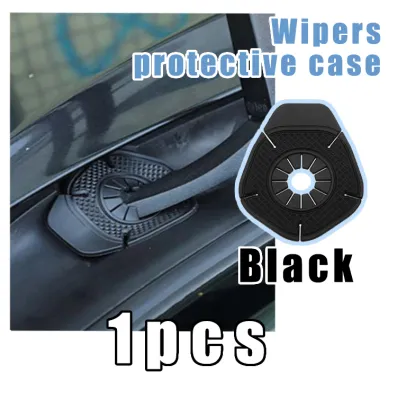
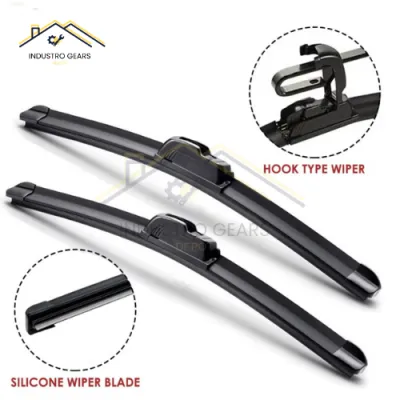
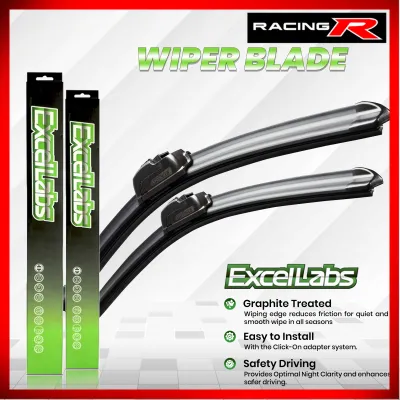
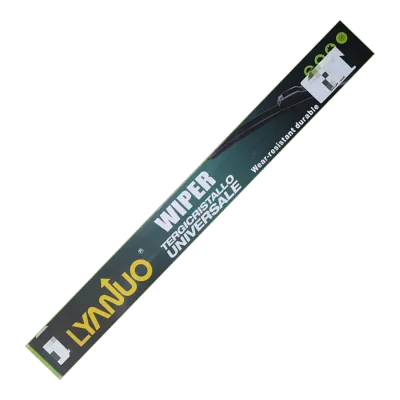
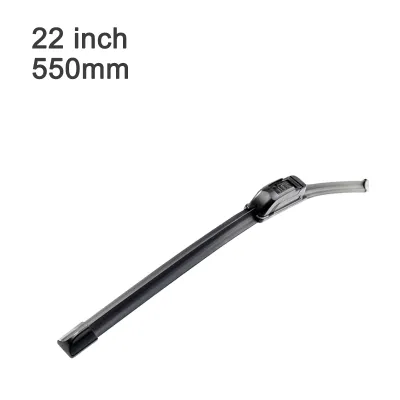
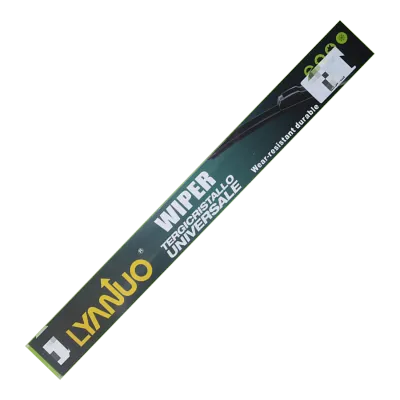
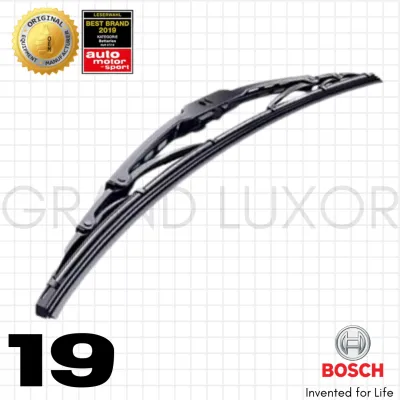
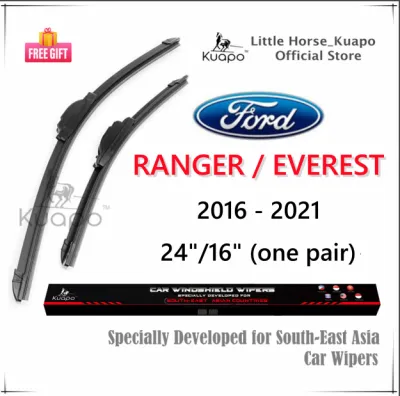
Prices are valid at publication and may change. Please refer to the product page for the latest price.
However, the exposed metal frame has distinct physical limitations in modern driving environments. The multiple hinge points can accumulate dust, road grime, and debris, which can cause the joints to bind and reduce the blade’s ability to hug the glass. Additionally, the exposed metal components are susceptible to corrosion over time, especially in highly humid environments. While conventional blades generally offer the lowest initial purchase price, their mechanical joints can wear out or loosen, leading to uneven wiping performance and a shorter overall lifespan.
Beam (Flat) Wiper Blades
Beam wiper blades, also known as flat blades, feature a modern, frameless design that eliminates the external metal brackets and hinges entirely. Instead of relying on multiple pressure points from an articulated frame, a beam blade utilizes a continuous, pre-tensioned internal steel band. This internal spring steel structure is designed to distribute uniform pressure along the entire length of the rubber wiping edge, allowing it to conform precisely to highly curved modern windshields.
Because beam blades lack an exposed frame, they have a much lower profile and a highly streamlined appearance. This design prevents debris, dirt, and leaves from becoming trapped in the wiper mechanism, ensuring consistent operation. The aerodynamic shape also utilizes the airflow over the vehicle to press the blade more firmly against the glass, significantly reducing wind lift at highway speeds. While positioned at a premium price point, their durable construction and consistent pressure distribution make them a highly reliable choice for modern vehicles.
Hybrid Wiper Blades
Hybrid wiper blades combine the mechanical advantages of both conventional and beam designs. Underneath a sleek, aerodynamic outer shell lies a modified version of the articulated metal frame found in conventional blades. This internal frame provides the robust, multi-point leverage needed to maintain strong contact with the glass, while the external plastic shell protects the mechanism from the elements.
The hard plastic outer shell acts as a built-in spoiler, reducing wind lift and protecting the internal joints from dust, debris, and direct sunlight. This combination of structural flexibility and aerodynamic protection makes hybrid blades a popular choice for original equipment on many modern vehicles straight from the factory. They offer a balanced solution for drivers who want the heavy-duty pressure of a framed blade with the clean look and high-speed stability of a beam blade.
Key Comparison Dimensions for Your Decision
When choosing a car wiper blade, evaluating how each construction type performs across key operational dimensions will help you determine the best value for your driving habits.

Wiping Consistency
Consistent contact with the glass is the most critical factor for clear visibility. Conventional blades rely on four to eight specific pressure points to press the rubber against the windshield. On highly curved modern glass, this can result in uneven pressure, leaving unwiped patches or streaks between the contact points. Beam blades excel on curved glass because the internal steel band provides infinite pressure points, ensuring the entire length of the rubber remains in contact with the windshield. Hybrid blades offer a middle ground, utilizing their internal articulated frame to distribute pressure across multiple points while the outer shell helps maintain a consistent downward force.
Aerodynamics
At higher speeds, such as when driving on expressways, wind resistance can significantly affect wiper performance. Conventional frames are bulky and catch the wind easily, which can cause the blades to lift off the glass and chatter or leave large streaks. Beam blades are inherently aerodynamic due to their low-profile, curved design, which allows wind to pass over them smoothly while pushing them closer to the glass. Hybrid blades also perform exceptionally well at high speeds, as their integrated plastic shell is specifically shaped to harness airflow and increase downward pressure, preventing wind lift during heavy downpours.
Durability and Weather Resistance
Environmental factors like intense tropical heat, high humidity, and heavy rainfall accelerate the degradation of wiper blades. Conventional blades are highly vulnerable to these conditions; the exposed metal joints can rust, and the rubber can quickly dry out and crack when exposed to direct sunlight. Beam blades have no exposed moving parts to rust or bind, and their high-quality synthetic rubber compounds generally resist UV degradation better than standard natural rubber. Hybrid blades offer excellent durability because the outer plastic shell shields the internal metal frame from direct sun exposure and moisture, preventing premature wear of both the frame and the wiping element.
Value and Replacement Frequency
While initial cost is an important consideration, the long-term value of a wiper blade depends on how often it must be replaced. Conventional blades are highly affordable, with prices often starting around ₱150 to ₱300 per blade, making them an attractive option for budget-conscious drivers. However, they typically require more frequent replacement due to frame wear and rubber degradation. Beam and hybrid blades are more expensive upfront, often ranging from ₱500 to ₱1,200 or more per blade, but their superior durability and resistance to environmental wear mean they generally last longer, potentially offering better long-term value and fewer replacements.
Matching the Wiper Blade to Your Vehicle and Driving Conditions
Selecting the right wiper blade requires matching the construction type to your specific vehicle specifications and the local environment.
First, always consult your vehicle owner’s manual or inspect your current wiper blades to identify the manufacturer’s recommended sizes and connection styles. Windshield curvature varies significantly between vehicle models; modern sedans and crossovers with steeply raked windshields benefit greatly from the uniform pressure of beam or hybrid blades, whereas older utility vehicles with flatter glass can easily utilize conventional frames without sacrificing visibility.
Your local driving environment should also guide your choice. In regions characterized by intense tropical downpours and high humidity, rapid water evacuation and resistance to UV damage are paramount. If you frequently travel on expressways where high-speed stability is required, the aerodynamic advantages of beam or hybrid blades will prevent dangerous wind lift during sudden cloudbursts. Conversely, if you drive an older model primarily in urban areas at lower speeds, conventional blades may provide sufficient performance while keeping maintenance costs low.
To simplify your decision, use this conditional framework:
- Choose Beam Blades if you drive a modern vehicle with a highly curved windshield, frequently travel at highway speeds, and want maximum durability against intense sun and heavy rain.
- Choose Conventional Blades if you drive an older vehicle with flatter glass, operate primarily at lower city speeds, and are working with a strict maintenance budget.
- Choose Hybrid Blades if you want to maintain the original factory look and performance of your modern vehicle, combining robust frame pressure with aerodynamic protection.
Step-by-Step Selection and Installation Checklist
Before purchasing and installing new wiper blades, follow this checklist to ensure a safe, compatible, and secure fit.
- Measure the Blade Lengths: Do not assume both front wiper blades are the same size. Use a tape measure to check the length of the driver-side blade, passenger-side blade, and rear window blade (if applicable) individually, as they often differ by several inches.
- Verify the Connector Type: Inspect the end of the wiper arm where it connects to the blade. While the classic J-hook is highly common, many modern vehicles use specialized connectors such as side pins, bayonet mounts, or pinch tabs. Ensure the replacement blade package includes the correct adapter for your specific arm type.
- Prepare a Safe Workspace: Before removing the old blades, place a thick, folded towel flat on the windshield directly beneath the wiper arms. The metal wiper arms are spring-loaded; if the arm slips out of your hand while the blade is removed, it can snap back against the glass with enough force to crack the windshield.
- Remove and Install Safely: Gently lift the wiper arm, release the locking mechanism on the old blade, and slide it off. Align the new blade's adapter with the wiper arm connector and press it firmly until you hear or feel a distinct click.
- Verify Secure Seating: Gently tug on the installed blade to ensure it is locked securely onto the arm. Lower the arm carefully back onto the towel, then remove the towel.
- Know When to Stop: If the replacement blade does not easily click into place, if the adapter seems loose, or if the wiper arm mechanism feels stiff or damaged, do not force the installation. Stop immediately and consult a qualified professional or your vehicle manufacturer to prevent damaging the wiper linkage or the windshield.
Frequently Asked Questions (FAQ)
How often should I replace my car wiper blades?
Generally, car wiper blades should be replaced every 6 to 12 months. However, environmental factors such as intense tropical sun, high humidity, and heavy seasonal rains can accelerate rubber degradation. You should perform regular visual checks for physical damage, such as cracking, splitting, tearing, or permanent bending of the rubber wiping element. Additionally, pay attention to performance signs during operation; if your wipers begin streaking, skipping, chattering, or leaving large unwiped bands of water across the glass, it is time to install a new set to ensure driving safety.
Can I install a beam wiper blade on a car that originally came with conventional blades?
Yes, in most cases you can upgrade to beam wiper blades even if your vehicle was originally equipped with conventional frames. The primary requirement for physical compatibility is matching the wiper arm connector type and the correct blade lengths. When upgrading, check to ensure there is adequate clearance between the thicker beam blade housing, the wiper arm, and the lower cowl or hood edge when the wipers are in motion. Additionally, ensure the pre-set curvature of the beam blade makes full contact with your windshield, as extremely flat glass can occasionally cause the outer tips of a highly curved beam blade to lift slightly.
Does the wiper blade brand matter as much as the construction type?
While the construction type determines how the blade physically interacts with the windshield, the brand and manufacturing quality dictate the materials used, which directly affects performance and lifespan. Premium brands often utilize advanced rubber compounds, such as silicone or synthetic rubber blends, which resist UV damage and heat far better than cheap natural rubber. High-quality blades also feature friction-reducing coatings like graphite or Teflon, which help the blade glide smoothly across the glass without chattering. When shopping, check the product labels and manufacturer specifications for these material details rather than relying solely on the structural category.
Community discussion
Share your experience or ask a question. Comments are reviewed before publication.