
Quick Answer: Which Wiper Blade Clears Better in Heavy Rain?
Beam wiper blades generally provide superior clearing performance during heavy, wind-driven tropical downpours. Their aerodynamic profile and uniform pressure distribution prevent them from lifting off the glass, ensuring a clean, streak-free sweep even when clearing massive volumes of water. By eliminating the external metal frame of traditional designs, beam blades maintain a continuous seal against the windshield, which is crucial for maintaining visibility during intense storms.
Conventional (frame-style) wiper blades remain a highly functional and budget-friendly alternative. They are particularly suitable for older vehicles with flatter windshields or for drivers who primarily navigate low-speed city roads where high-speed wind lift is not a factor. While they are highly economical, they are more prone to streaking and wind lift under extreme weather conditions.
Choosing between these two designs requires evaluating several critical dimensions: structural engineering, aerodynamic stability under storm conditions, long-term durability in tropical climates, and precise windshield fitment. Understanding these factors will help you maintain optimal visibility and driving safety when navigating wet roads.
Products mentioned in this guide
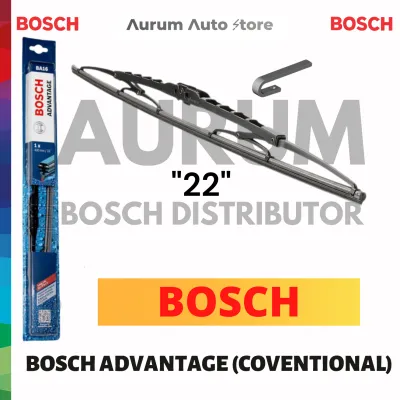
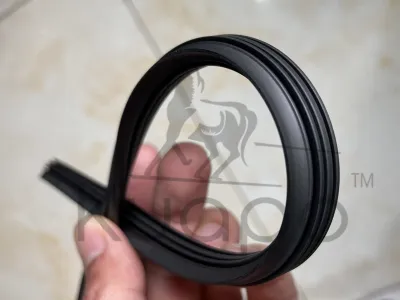
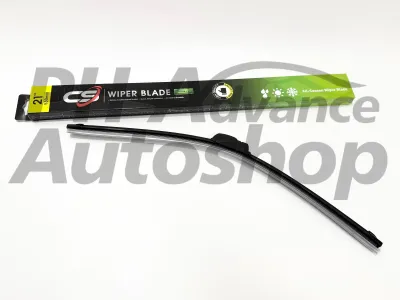
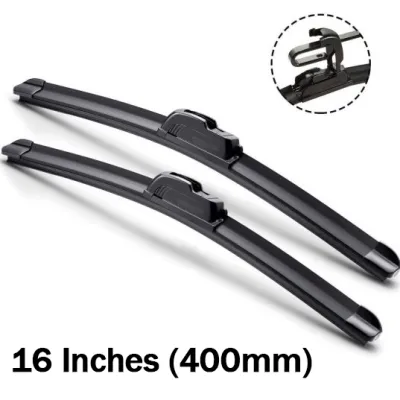
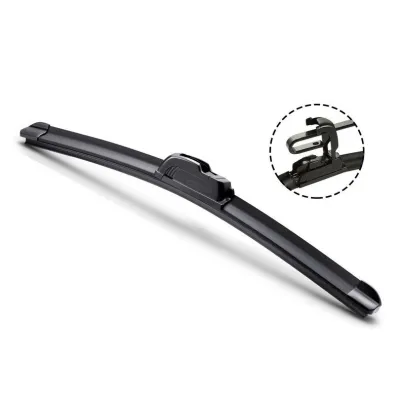
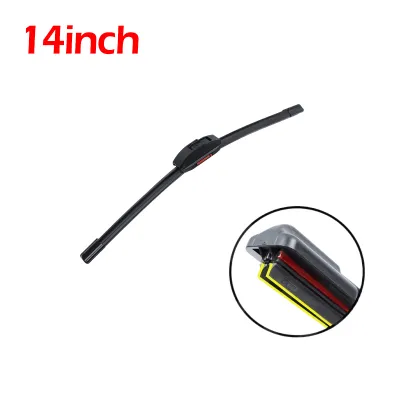
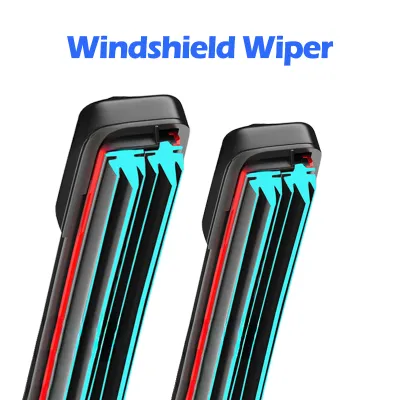
Prices are valid at publication and may change. Please refer to the product page for the latest price.
Structural Differences: How Beam and Conventional Blades Work
Conventional wiper blades feature a classic articulated metal or plastic frame with a series of brackets, claws, and pivot points. This skeleton-like structure is designed to distribute the downward force exerted by the wiper arm across the length of the rubber element. Because the force is applied through these mechanical joints, the blade relies on four to eight distinct pressure points to press the rubber against the windshield.

Beam wiper blades, also known as flat or bracketless blades, completely eliminate the external articulated frame. Instead, they feature a single, continuous piece of pre-tensioned spring steel or composite material enclosed within a protective synthetic rubber or silicone housing. This internal beam is engineered with a natural curvature that matches the contour of modern windshields. When installed, the entire blade flattens against the glass, distributing equal pressure along every single millimeter of the wiping edge.
This fundamental difference in engineering dictates how each blade type interacts with your windshield. Conventional blades create localized high-pressure zones at the pivot points and lower-pressure zones in the gaps between them, which can lead to uneven clearing. Beam blades provide a continuous, unbroken seal against the glass, eliminating the pressure peaks and valleys that cause poor performance.
Windshield designs have also evolved significantly over the years. In the past, automotive glass was relatively flat, which made conventional frame-style blades highly effective because they only had to flex in a single plane. Modern windshields, however, are designed with complex three-dimensional curves to improve aerodynamics and fuel efficiency. This curvature requires a wiper blade that can twist and flex dynamically across multiple axes, a task that rigid metal joints struggle to perform consistently.
Wiping Performance During Intense Tropical Downpours
During severe tropical storms, driving at highway speeds exposes your wipers to intense wind resistance. Conventional wiper blades have a high-profile, open metal frame that acts like a sail. High-speed wind can easily get underneath the brackets, creating aerodynamic lift that pulls the blade away from the glass. This causes the blade to skip, chatter, and leave large, dangerous patches of water uncleared on your windshield.
Beam wiper blades feature a significantly lower profile and are designed with an integrated aerodynamic spoiler. This spoiler is shaped to capture the oncoming wind and convert it into downward force. As your vehicle’s speed increases, the wind actually pushes the beam blade harder against the windshield, preventing wind lift and ensuring a stable, quiet, and highly effective wipe even during high-speed highway driving.
Clearing the massive volume of water dumped by a tropical downpour requires a perfect seal. Because conventional blades have uneven pressure distribution, they often struggle to clear heavy sheets of water, leaving thin, watery streaks in the gaps between their pivot points. These streaks can refract oncoming headlights, creating a dangerous glare. Beam blades maintain uniform pressure across the entire wiping edge, allowing them to sweep away large volumes of water cleanly in a single pass without leaving structural streaks.
Just like car tires, wiper blades can experience a form of hydroplaning when a thick sheet of water builds up on the glass during torrential downpours. If the wiper blade does not exert sufficient downward force, it will ride up on top of the water film instead of cutting through it to contact the glass. This leaves a thick, blurry sheet of water on the windshield, severely compromising visibility. The uniform pressure of beam blades, combined with the aerodynamic downforce of their integrated spoilers, ensures the rubber edge cuts through the water film to maintain direct contact with the glass.
Tropical storms and monsoons frequently blow leaves, twigs, road grime, and sand onto your windshield. The open brackets and hinges of conventional blades are highly susceptible to trapping this debris. If a small leaf or twig gets wedged inside one of the pivot joints, it can lock the mechanism, preventing the blade from flexing and leaving a massive un-wiped section. Beam blades feature a completely enclosed, smooth design with no external joints or crevices, allowing debris to slide off easily and preventing clogging.
Durability Against Humidity, Heat, and UV Exposure
The tropical climate of the Philippines presents a severe test for any elastomer. Daily exposure to intense ultraviolet (UV) radiation and high ambient temperatures breaks down the chemical bonds in wiper rubber, causing it to dry out, harden, and crack. Hardened rubber cannot flip back and forth smoothly at the end of each stroke, resulting in loud squeaking, juddering, and poor water clearing. While both blade types suffer from UV degradation, premium beam blades are more frequently equipped with advanced synthetic rubber or silicone compounds that offer significantly higher resistance to thermal cracking than basic natural rubber.
High humidity and salty coastal air can rapidly corrode exposed metal components. Conventional wiper blades, with their numerous metal joints, rivets, and brackets, are highly vulnerable to rust. Over time, moisture causes these moving joints to seize. Once a pivot joint rusts shut, the blade loses its ability to flex and conform to the shape of the windshield, leaving large areas completely untouched. Beam blades eliminate this failure point entirely; their internal spring steel is fully sealed within a protective synthetic housing, shielding it from moisture, oxygen, and corrosive coastal salt spray.
To maximize the lifespan and performance of your wiper blades in harsh tropical conditions, simple, low-risk maintenance is highly recommended. Every two weeks, or after parking under trees, lift the wiper arms and gently wipe the rubber edge with a clean, damp microfiber cloth to remove accumulated road grime, sap, and dust. Avoid using harsh chemical solvents, gasoline, or abrasive pads, which can strip the protective graphite coating from the rubber. Additionally, inspect the rubber element for physical tears, cracks, or permanent warping, and keep your windshield washer fluid reservoir filled with a dedicated wiper concentrate to reduce friction during dry wipes.
When selecting a replacement, it is helpful to understand the primary material options available:
- Natural Rubber: Offers excellent initial wiping performance and quiet operation but degrades rapidly under intense UV rays and high tropical heat, often lasting only six months.
- EPDM (Ethylene Propylene Diene Monomer): A synthetic rubber compound that provides significantly better resistance to heat, ozone, and UV exposure than natural rubber, extending the blade's functional lifespan.
- Silicone: The premium choice. Silicone blades are highly resistant to UV and thermal degradation, lasting up to twice as long as natural rubber. They also naturally deposit a microscopic water-repellent film on the glass with every sweep, causing rainwater to bead up and blow away.
Fitment: Windshield Curvature and Wiper Arm Compatibility
Modern automotive design heavily emphasizes aerodynamics, resulting in highly curved, sweeping windshields. Conventional wiper blades, with their rigid metal segments, often struggle to adapt to these extreme compound curves. This frequently causes the outer edges of the blade—particularly on the passenger side—to lift off the glass entirely, leaving a large uncleared arc. Beam blades are inherently flexible and adapt dynamically to complex glass contours, maintaining consistent contact from one end of the sweep to the other.
Before purchasing any replacement wiper blade, you must identify the connection mechanism on your vehicle’s wiper arms. While the classic J-hook (or U-hook) is highly common on older and Asian-market vehicles, many modern European, American, and premium vehicles utilize specialized connections such as pinch tabs, push buttons, side pins, or bayonet mounts. Many beam blades come with multi-fit adapter kits, but you must verify that the specific adapter matches your vehicle’s arm interface.
Always consult your vehicle’s owner manual to verify the correct driver-side and passenger-side blade lengths, as they are rarely identical. When installing new blades, ensure the connector clicks firmly and securely into the wiper arm. A loose or incorrectly installed blade can detach during operation, which not only causes immediate, catastrophic loss of visibility during a downpour but can also allow the bare metal wiper arm to scrape and permanently damage the windshield glass. If you are unsure of the attachment mechanism or if the blade does not lock into place with a distinct click, stop immediately and consult a qualified automotive technician.
An excellent practical safety tip during installation is to place a folded towel on your windshield directly beneath the wiper arm. When you remove the old wiper blade, the spring-loaded metal wiper arm is left bare. If the arm accidentally snaps back down onto the glass without a blade attached, it can easily crack or shatter your windshield. Keeping a thick towel in place acts as a protective cushion against accidental impacts during the replacement process.
Furthermore, the wiper arm itself relies on a heavy-duty tension spring located at its base to press the blade against the glass. Over several years of exposure to the elements, this spring can weaken or accumulate rust, reducing the downward force it can apply. If the spring is weak, even a brand-new premium beam blade will fail to clear the windshield effectively. Inspecting the tension of the wiper arm and ensuring it snaps back firmly against the glass is a critical diagnostic step before assuming a streaking issue is solely caused by the blade.
Cost and Lifespan: Evaluating Long-Term Value
Conventional wiper blades are highly budget-friendly, with prices typically ranging from ₱150 to ₱400 per pair. This low upfront cost makes them an attractive option for quick, economical replacements. Beam wiper blades are positioned as a premium product, with prices generally ranging from ₱600 to ₱1,500 or more per pair, depending on the brand and rubber compound (such as silicone).
Under the intense heat and heavy rainfall cycles of the Philippines, standard wiper blades generally require replacement every 6 to 12 months. Conventional blades often degrade faster structurally due to joint corrosion and pivot wear. Beam blades, despite their higher initial cost, typically deliver a longer functional lifespan because their lack of moving parts prevents structural failure, and they are more frequently paired with durable synthetic or silicone elements that resist UV damage.
While conventional blades save money upfront, they may require more frequent replacement and offer inferior visibility during severe storms. Investing in beam blades can provide better long-term value by ensuring reliable, high-performance clearing over a longer period, reducing the frequency of replacements, and significantly enhancing driving safety during hazardous downpours.
Decision Framework: Which Car Wiper Blade Should You Buy?
To make the right choice for your vehicle, weigh your driving habits, vehicle design, and budget against the specific characteristics of each blade type.
Choose Beam Blades if:
- You regularly drive on expressways or at high speeds where wind lift can compromise visibility.
- Your vehicle is a modern model with a highly curved windshield.
- You want a durable, low-profile design that resists UV degradation, rust, and debris clogging.
- You are willing to pay a higher upfront price for superior clearing performance and a longer replacement cycle.
Choose Conventional Blades if:
- You drive an older vehicle with a relatively flat windshield where complex curvature is not an issue.
- Your driving is primarily limited to low-speed city roads or heavy urban traffic where wind lift does not occur.
- You are looking for the most economical, budget-friendly immediate replacement option.
Verify First if:
- Always measure the exact lengths of both your driver-side and passenger-side blades before purchasing.
- Check the wiper arm connection type to ensure compatibility with the replacement blade's connectors.
- If your windshield continues to streak even after installing brand-new blades, inspect the wiper arm itself; a bent or weakened tension spring in the wiper arm can prevent the blade from pressing flat against the glass, requiring professional adjustment or arm replacement.
Community discussion
Share your experience or ask a question. Comments are reviewed before publication.