
Selecting the ideal transmission assembly for your motorcycle is a fundamental decision that shapes your entire riding experience, affecting everything from power delivery to your weekend maintenance routine. While you cannot easily swap one system for another on an existing bike, understanding how chain, belt, and gear drives operate is crucial when choosing your next motorcycle or maintaining your current ride. Each system offers a distinct balance of mechanical efficiency, durability, and hands-on upkeep that appeals to different types of riders.
The way your motorcycle transfers power from the engine to the rear wheel dictates how the bike responds to your throttle inputs, how much noise it makes, and how much time you will spend with grease on your hands. By evaluating the unique characteristics of each transmission assembly, you can align your choice with your personal riding style, budget, and willingness to perform routine maintenance.
Core Differences in Motorcycle Transmission Assemblies
At its most basic level, a motorcycle transmission assembly is responsible for transferring rotational energy from the gearbox output shaft to the rear wheel hub. While all three systems achieve the same ultimate goal, they rely on completely different mechanical principles and structural components to bridge this gap.
Products mentioned in this guide
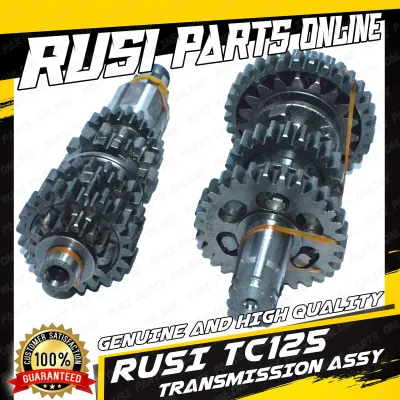
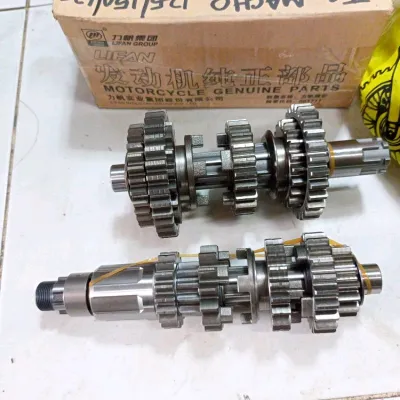
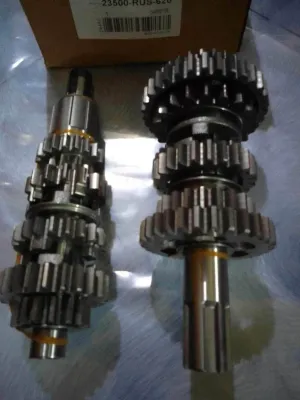
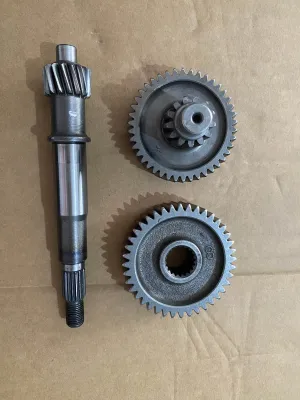
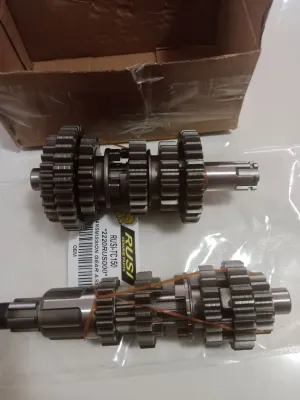
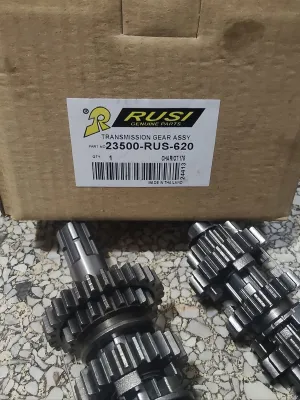
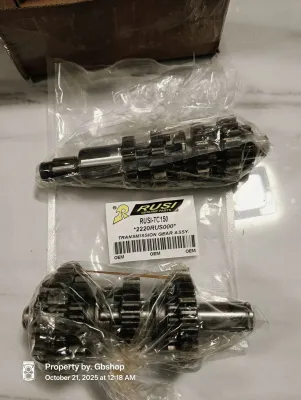
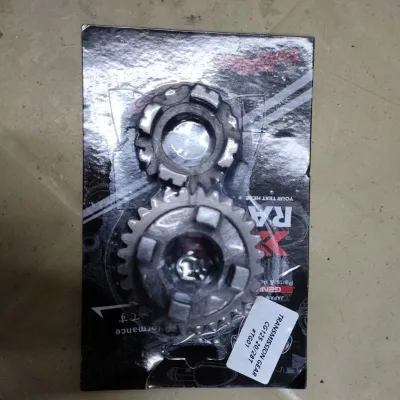
Prices are valid at publication and may change. Please refer to the product page for the latest price.
Chain drive systems are the most common configuration, utilizing a high-strength metal chain that loops around a small front drive sprocket and a larger rear driven sprocket. This open design relies on interlocking links and teeth to deliver a highly direct transfer of power.
Belt drive systems replace the metal chain and sprockets with a wide, reinforced composite or rubber belt and two grooved pulleys. Instead of interlocking metal links, the teeth on the inside of the belt mesh with the grooves on the pulleys, providing a smooth, quiet, and lubrication-free connection.
Gear drive systems, often referred to as shaft drives, use a rigid, rotating drive shaft enclosed within a protective metal housing. This shaft connects the transmission to the rear wheel via a set of bevel gears, which redirect the rotational force by ninety degrees to spin the wheel.
It is important to note that these systems are not universally interchangeable. A motorcycle’s frame, swingarm design, and engine casing are engineered specifically around one of these three transmission types, meaning compatibility is strictly determined by the vehicle’s factory engineering.
Chain Drive Systems: Performance, Maintenance, and Costs
Chain drives are the undisputed standard for sportbikes, dirt bikes, and many commuter motorcycles due to their exceptional mechanical efficiency. Because metal links do not stretch significantly under load, a chain drive delivers immediate throttle response and transfers a very high percentage of the engine’s power directly to the rear tire.

However, this high performance comes at the cost of frequent, hands-on maintenance. Because the chain is completely exposed to the elements, it constantly collects road grime, dust, and water. In tropical climates like the Philippines, where sudden downpours and high humidity are common, an unmaintained chain can quickly develop rust, stiff links, and accelerated wear.
To keep a chain drive operating safely, riders must regularly clean off accumulated road grit, apply specialized chain lubricant, and adjust the chain tension to account for natural wear over time. Neglecting these tasks can lead to a noisy ride, poor fuel economy, and, in worst-case scenarios, a snapped chain that can damage the engine casing or lock the rear wheel.
The primary advantage of this system is its cost-effectiveness and simplicity when replacement is finally needed. Chain and sprocket kits are widely available across various price points, allowing riders to manage their budget easily. Additionally, changing gear ratios to favor either acceleration or top speed is as simple as swapping out a sprocket.
Belt Drive Systems: Smooth Operation and Low Upkeep
Belt drives offer a highly refined riding experience that has made them a favorite for cruisers and modern touring motorcycles. The reinforced rubber and composite materials used in modern belts naturally dampen engine vibrations and eliminate the metallic clatter associated with chain drives, resulting in a remarkably quiet and smooth ride.
The standout benefit of a belt drive is its incredibly low maintenance requirement. Unlike chains, belts do not require regular lubrication, meaning you can say goodbye to messy grease splatters on your rear wheel, swingarm, and riding gear. They also require far fewer tension adjustments over their operational lifespan.
Despite these advantages, belt drives have specific vulnerabilities that riders must consider. Because they run open to the air, a small stone or piece of road debris can get trapped between the belt and the pulley, easily puncturing or tearing the composite material and causing sudden failure.
Furthermore, replacing a worn belt is a more labor-intensive process than replacing a chain. Because a belt is a continuous loop without a master link, installing a replacement typically requires removing the motorcycle’s swingarm or outer primary drive cover, demanding specific clearance, specialized tools, and often professional mechanical assistance.
Gear (Shaft) Drive Systems: Durability for Heavy Touring
Gear drive systems represent the pinnacle of durability and weather resistance, making them the preferred choice for heavy adventure-touring and luxury touring motorcycles. The entire drive shaft and gear assembly are completely enclosed within a heavy-duty metal housing, isolating the moving parts from rain, mud, sand, and road salt.
This enclosed design reduces routine maintenance to an absolute minimum. There are no chains to lube or belts to inspect for stones; the system simply requires periodic gear oil changes at extended intervals specified by the manufacturer. For long-distance riders crossing remote areas, this “fit-and-forget” reliability provides immense peace of mind.
However, the robust nature of a shaft drive introduces several distinct trade-offs. The heavy steel shaft, bevel gears, and protective housing add significant unsprung weight to the rear of the motorcycle, which can affect suspension responsiveness and overall handling agility.
Additionally, the mechanical process of redirecting power through multiple sets of bevel gears results in a slight loss of overall power efficiency compared to a direct chain drive. If an internal component does fail, the repair process is highly complex, requiring specialized precision shimming and expensive replacement parts that must be installed by a qualified technician.
Comparing Chain, Belt, and Gear Drives
To help you visualize how these three transmission assemblies stack up against one another, the table below compares their key operational characteristics across several critical decision-making dimensions.
| Transmission Type | Power Efficiency | Maintenance Frequency | Primary Vulnerability | Typical Riding Application |
|---|---|---|---|---|
| Chain Drive | High | High (Frequent cleaning & lubing) | Road grime, rust, lack of tension | Sport, off-road, and budget commuter bikes |
| Belt Drive | Moderate | Low (Periodic tension checks) | Stone punctures, debris damage | Cruisers, urban commuters, street bikes |
| Gear Drive | Moderate-Low | Very Low (Periodic fluid changes) | Internal seal leaks, high repair cost | Heavy touring, adventure, shaft-drive cruisers |
It is crucial to understand that the actual lifespan and performance of any transmission assembly depend heavily on your individual riding habits, local environmental conditions, and strict adherence to manufacturer specifications. For example, riding frequently in dusty or coastal environments will accelerate chain wear, while neglecting gear oil changes can lead to catastrophic shaft drive failure.
Ultimately, the right system is the one that aligns with your primary riding goals. If maximum power transfer and low initial cost are your priorities, a chain is unmatched. If you value a clean, quiet ride with minimal weekend upkeep, a belt is highly appealing. For long-distance touring where reliability is paramount, a gear drive is the clear choice.
Decision Framework: Which Drive Type Fits Your Riding Style?
When choosing your next motorcycle, matching the transmission assembly to your lifestyle can save you significant time, money, and frustration. Use this conditional framework to determine which system fits your profile.
Choose a Chain Drive if:
- You enjoy spirited sport riding, track days, or off-road trail riding where instant throttle response is critical.
- You are budget-conscious and prefer a system with low upfront replacement costs.
- You do not mind spending time every few weeks cleaning, lubricating, and adjusting your drive system.
Choose a Belt Drive if:
- You use your motorcycle for daily city commuting or relaxed weekend cruising and want a quiet, smooth ride.
- You prefer a clean motorcycle and want to avoid grease splatters on your wheels and clothing.
- You want a low-maintenance setup but do not want the added weight of a shaft drive.
Choose a Gear Drive if:
- You plan to cover long distances, cross borders, or ride through harsh weather conditions without worrying about drive maintenance.
- You prefer a highly durable, enclosed system and do not mind paying a premium upfront for long-term reliability.
- You want a hassle-free ownership experience where maintenance is limited to scheduled oil changes.
Verify first if: Before purchasing any replacement parts or attempting aftermarket modifications, always verify your specific motorcycle model, year, and factory swingarm clearance. Consult your owner’s manual to ensure any replacement transmission assembly components match the exact dimensions and mounting positions required for safe, road-legal operation.
Essential Maintenance and Safety Checks for Drive Systems
Regardless of which transmission assembly your motorcycle uses, performing regular visual and physical inspections is vital to ensuring your safety on the road. A failure at highway speeds can lead to a loss of control, making preventative maintenance a non-negotiable part of ownership.
For chain drives, regularly check the chain slack at the tightest point of the run, ensuring it falls within the manufacturer’s specified range. Inspect the sprockets for “hooked” or worn teeth, and look closely for any signs of rust, stiff links, or a loose master link clip.
For belt drives, inspect the entire length of the belt for cracking, fraying, or missing teeth. Check the belt tracking to ensure it is running straight on the pulleys, and use a tension gauge to verify it is adjusted to the exact specifications outlined in your owner’s manual.
For gear drives, inspect the housing seals for any signs of gear oil leaks, which can drip onto your rear tire and cause a dangerous loss of traction. Periodically check for any unusual physical play in the rear wheel hub by gently rocking the wheel side-to-side while the bike is on a center stand.
Always consult your motorcycle’s owner’s manual for exact tension specifications, torque values, and approved lubricants or fluids. Never use unauthorized cleaning solvents or high-pressure washers directly on seals, chains, or belts, as this can cause premature failure.
If you observe severe belt fraying, unusual whining noises from a shaft drive housing, or a missing chain master link clip, cease operation immediately. These are critical safety hazards that require professional inspection. Because transmission assemblies directly impact vehicle control, any complex disassembly, installation, or modification must be performed by a qualified professional mechanic.
Frequently Asked Questions (FAQ)
Can I convert my motorcycle from a chain drive to a belt or gear drive?
While aftermarket conversion kits exist for a limited number of specific cruiser models, converting a motorcycle’s factory transmission assembly type is generally highly impractical. Such conversions require extensive custom fabrication, swingarm modifications, precise alignment of the pulleys or gears, and specialized engineering. Attempting to modify your drive type without professional engineering oversight poses severe safety risks and can compromise the structural integrity of your motorcycle’s chassis.
How do I know when my transmission assembly needs replacement?
Your transmission assembly should be replaced based on observable wear indicators rather than mileage alone. For chains, replacement is necessary when the chain stretches beyond the adjustment marks on your swingarm, or when sprockets show distinct hooking. For belts, look for exposed internal cords, deep cracks, or missing teeth. For gear drives, excessive physical play in the rear wheel hub or metallic debris found in the drained gear oil indicates that the internal gears or bearings have reached the end of their safe service life.
Community discussion
Share your experience or ask a question. Comments are reviewed before publication.