
Choosing the right motorcycle brake pads in the Philippines requires balancing daily commuting demands, tropical weather conditions, and safety requirements. While Bendix is a highly visible and widely distributed brand across local auto and motorcycle supply shops, selecting the best brake pads is not as simple as picking a popular label. The ideal choice depends on matching the specific friction material to your motorcycle type, typical riding routes, and local climate conditions.
To make an informed decision, you must evaluate how different brake pad compounds handle the intense heat of stop-and-go city traffic and the sudden downpours of the monsoon season. Comparing Bendix against alternative brands involves looking at verifiable specifications, fitment compatibility, and authenticity markers rather than relying on generic marketing claims.
Defining Your Riding Needs and Brake Pad Materials
Before comparing brands, you must understand the three primary brake pad materials available in the market: organic, semi-metallic, and sintered. Each compound behaves differently under heat, moisture, and pressure, directly affecting your motorcycle’s stopping distance and rotor wear.
Products mentioned in this guide
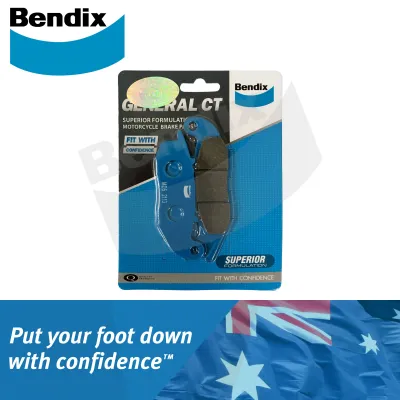
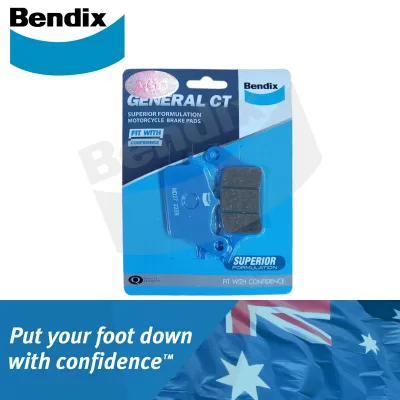
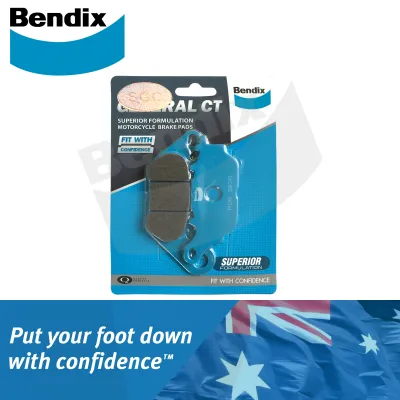
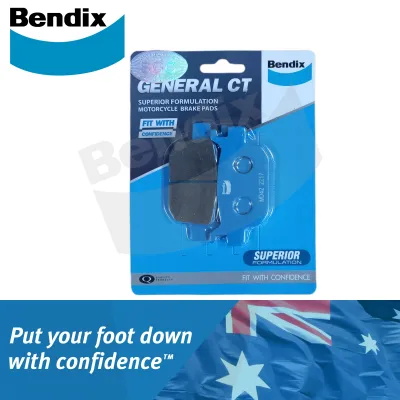
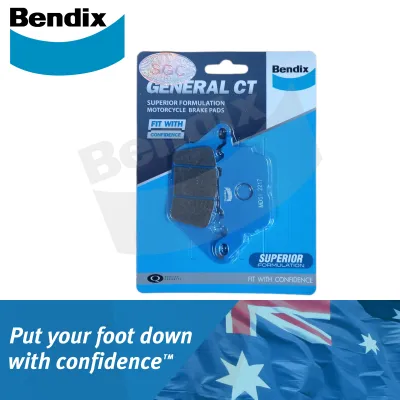
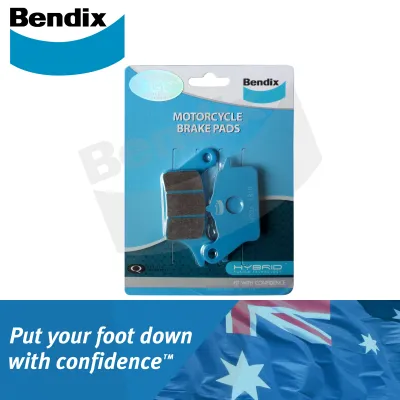
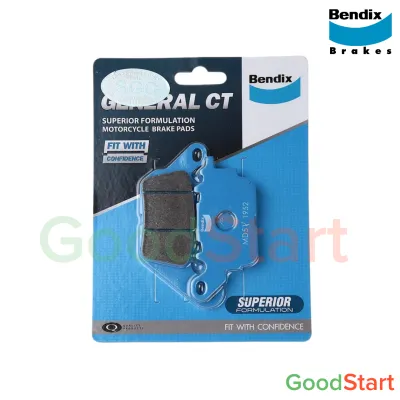
Prices are valid at publication and may change. Please refer to the product page for the latest price.
Organic brake pads are made from a mix of fibers and organic materials bonded with resin. These pads offer a soft, quiet initial bite and cause minimal wear on your brake rotors. However, they have a lower heat tolerance, meaning they can experience brake fade during prolonged braking down steep mountain roads or under heavy loads. They are generally best suited for light scooters and low-displacement underbones used for short, flat city commutes.
Semi-metallic brake pads combine organic materials with metallic fibers, such as copper or steel. This blend provides a stronger initial bite and better heat dissipation than organic pads, making them highly versatile for daily commuting in urban areas. They wear down rotors slightly faster than organic pads but offer a reliable balance of durability and stopping power across a wider temperature range.
Sintered brake pads, also known as metallic pads, are manufactured by fusing metallic particles together under high heat and pressure. These pads excel in extreme conditions, offering exceptional heat tolerance, a highly aggressive initial bite, and consistent performance in wet weather. The trade-off is that sintered pads are harder on brake rotors, can produce more brake dust, and may squeal when cold. They are the standard choice for larger displacement motorcycles, heavy touring bikes, and riders who frequently navigate steep provincial routes.
Selecting the correct material compound for your motorcycle’s weight, speed capabilities, and typical usage is far more critical than the brand name printed on the box. Installing a premium sintered pad on a light scooter meant for organic pads can lead to rapid rotor wear and poor braking performance if the system cannot generate enough heat to reach the pad’s optimal operating temperature. Conversely, using organic pads on a heavy adventure motorcycle can lead to dangerous brake fade when descending steep mountain passes.
Comparing Bendix and Alternative Brands Across Key Dimensions
When evaluating Bendix against alternative brands, you should look past subjective reviews and focus on verifiable specifications. The most reliable indicator of a brake pad’s performance is its friction rating, which is typically printed on the back of the pad or the packaging as a two-letter code (such as FF, GG, or HH).

These letters represent the coefficient of friction at normal operating temperatures and high temperatures, with “H” representing the highest level of friction. For example, an HH-rated sintered pad from any brand will provide a more aggressive bite under extreme heat than a GG-rated semi-metallic pad. Comparing these standardized ratings allows you to evaluate performance capabilities objectively across different brands.
Packaging quality and part numbering consistency are also key indicators of a brand’s manufacturing standards. Reputable brands maintain strict quality control, ensuring that part numbers clearly indicate the exact compound, dimensions, and compatible caliper models. High-quality packaging should also include clear installation instructions, safety warnings, and, in some cases, necessary mounting hardware like shims or clips to reduce brake noise.
Another critical dimension is the availability of specific compounds for your particular motorcycle model. Bendix offers a broad range of organic and semi-metallic options tailored for popular commuter motorcycles and scooters in the Philippine market. However, if you ride a niche, older, or highly modified motorcycle, you may find that alternative brands offer a wider selection of specialized sintered or ceramic compounds that match your specific caliper configuration.
Ensuring Fitment, Safety, and Authenticity
Brake systems are critical safety components, and any modification or replacement carries inherent risks. Before purchasing or installing new brake pads, always consult your motorcycle’s original service manual for specific torque values, installation procedures, and compatibility requirements. If you are not experienced in hydraulic brake maintenance, have a qualified mechanic perform the installation to ensure your system is properly bled and aligned.
To ensure proper fitment, you must cross-reference your motorcycle’s exact year, make, model, and caliper type with the manufacturer’s official fitment guide. Even within the same model year, manufacturers sometimes change caliper designs or use different suppliers, which can affect the shape and dimensions of the brake pad backing plate. Never attempt to grind, file, or modify a brake pad backing plate to force it into a caliper that it was not designed to fit.
The prevalence of counterfeit parts in online marketplaces and unauthorized physical shops is a significant safety concern. Counterfeit brake pads often mimic the branding and packaging of popular names but use inferior bonding agents and low-grade friction materials that can shear off the backing plate under hard braking. Red flags for counterfeit pads include misspelled text on the packaging, blurry printing, missing safety certification stamps, and unusually low prices. If a premium pad is being sold online for a fraction of its standard retail price, it is highly likely to be a dangerous counterfeit.
To protect yourself, purchase brake pads exclusively from authorized distributors, official brand flagship stores on reputable ecommerce platforms, or established physical motorcycle supply shops. Buying from authorized sources ensures that you receive genuine products backed by manufacturer warranties and quality control standards.
Decision Framework: Choosing the Right Brand for Your Motorcycle
To finalize your decision between Bendix and alternative brake pad brands, apply a structured framework based on your specific riding conditions, motorcycle type, and compliance requirements.
Choose Bendix if your primary goal is reliable, cost-effective performance for daily commuting, urban delivery work, or standard touring on popular motorcycle models. Bendix’s widespread local availability makes it easy to find replacement pads quickly at physical shops across the country. Their semi-metallic and organic lineups are well-suited for the stop-and-go traffic of major Philippine cities, offering consistent stopping power without excessive rotor wear.
Choose alternative premium brands if you ride a high-performance sportbike, a heavy adventure motorcycle, or participate in track days where specialized sintered or carbon-ceramic compounds are required. Brands that specialize in racing applications often provide compounds designed to withstand extreme thermal stress that standard commuter-focused pads cannot handle. Additionally, if your motorcycle is equipped with high-end aftermarket calipers, you may need to look to those specific caliper manufacturers to find matching high-performance pads.
Before making any purchase, verify if your motorcycle is still covered under an active dealer warranty. Some manufacturers require the use of original equipment manufacturer (OEM) parts to keep the warranty intact. Using aftermarket brake pads, even high-quality ones from brands like Bendix, could potentially void certain aspects of your vehicle’s warranty or affect insurance compliance in the event of an accident. Always check your warranty terms and local regulations before upgrading your braking components.
Frequently Asked Questions (FAQ)
How often should motorcycle brake pads be replaced?
Motorcycle brake pads should be inspected regularly and replaced before the friction material wears down to the metal backing plate. Most modern brake pads feature a wear indicator groove cut into the center of the friction material; once this groove is no longer visible, the pads must be replaced immediately. The actual lifespan of your brake pads depends heavily on your riding style, the weight of your motorcycle, and your environment. For instance, riding in dusty, muddy, or highly humid tropical conditions can accelerate wear, making visual inspections every few thousand kilometers essential.
Can I mix different brake pad brands on the front and rear brakes?
While it is physically possible to use different brake pad brands or compounds on the front and rear calipers, doing so can alter the braking balance of your motorcycle. Different brands and materials have distinct friction coefficients, which can change how quickly and aggressively each brake responds to lever or pedal pressure. If you choose to use different compounds—such as a high-grip sintered pad on the front for maximum stopping power and a milder semi-metallic pad on the rear to prevent lockups—consult your motorcycle’s service manual or a qualified mechanic first. Ensuring a predictable, balanced braking response is critical for maintaining control, especially during emergency stops on wet or slippery roads.
Community discussion
Share your experience or ask a question. Comments are reviewed before publication.