
Selecting the right 110/90-17 motorcycle tire requires a clear understanding of your daily riding environment. For riders who spend their time navigating paved city streets and congested urban highways, a dedicated street commuter tire offers optimal wet-weather grip, smooth handling, and extended tread life. Conversely, those who regularly travel on unpaved provincial roads, loose gravel, or muddy trails require a dual-purpose tire with aggressive tread blocks to maintain traction. Because no single tire can excel in all conditions, your decision must balance your weekly mileage split between asphalt and dirt. By evaluating your primary routes and verifying your motorcycle’s specific clearance and load requirements, you can choose a tire that ensures both daily reliability and safety.
Understanding the 110x90x17 Motorcycle Tire Size and Fitment
The numbers stamped on a tire sidewall provide essential technical specifications that dictate compatibility and performance. In a 110/90-17 tire, the first number, 110, represents the section width of the tire in millimeters when mounted on the correct rim. The second number, 90, is the aspect ratio, which indicates that the tire’s height is 90% of its width, translating to approximately 99 millimeters. This relatively tall sidewall provides excellent cushioning against potholes and road imperfections, making it a popular choice for both urban commuting and light off-road riding. The final number, 17, denotes the rim diameter in inches, which is a standard wheel size for many underbones, standard commuter motorcycles, and light dual-sport models.
Before purchasing a new tire, always consult your motorcycle’s owner’s manual and inspect the current tire sidewall to verify the recommended dimensions, load index, and speed rating. Installing a tire size that deviates from the manufacturer’s specifications carries significant safety risks. A tire that is too wide or too tall can rub against the swingarm, front fender, chain guard, or brake components, potentially leading to sudden tire failure or wheel lockup. Furthermore, altering the tire’s outer diameter changes the steering geometry, which can make handling feel sluggish or unstable, and will cause inaccurate speedometer and odometer readings.
Products mentioned in this guide
37 Lazada user ratings
seem okay. i will write a follow up review in the coming days. sobrang napakatagal lang na i ship ni seller. inabot ng 9 days bago nadala. w…Read full reviewShow less
seem okay. i will write a follow up review in the coming days. sobrang napakatagal lang na i ship ni seller. inabot ng 9 days bago nadala. walang problema sa delivery kasi mabilis yung nagde deliver sa akin. 2 stars sa seller 5 star sa delivery rider.
maganda yung gulong makapal solid , pangmatagalan ,sala.at sa seller at sa rider maganda pagkabalot, order aq ulit ,thank you
good quality at makapal happy ang anak ko may bagong gulong ang motor niya thank you seller
nice gusto ko to sulit makapal sya, order ako ulit nto
1 Lazada user ratings
hgdcgdhhbhffc hfdfh hgfdv hhf. jgddhnh bhfffvbg. hfdvhhy. jgfcbhf hgfvgdgdf hh. hgfdbhg b
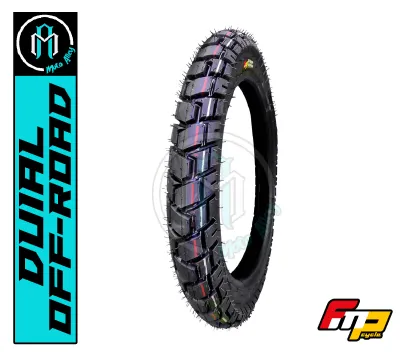
614 Lazada user ratings
Enhanced stability and control, Smooth and comfortable ride, Impressive grip and handling, Perfect fit for my motorcycle, Excellent traction…Read full reviewShow less
Enhanced stability and control, Smooth and comfortable ride, Impressive grip and handling, Perfect fit for my motorcycle, Excellent traction on various terrains, High-quality materials used,
Durable and reliable tires, High-quality materials used,High-quality materials used, Perfect fit for my motorcycle,
ayos siya sakto sa front wheel ko fit as it looks sa picture...thanks seller..
Enhanced stability and control, Impressive grip and handling, 🛵🛵🛵👩🔧👩🔧👩🔧👍🏻👍🏻👍🏻
Enhanced stability and control, Smooth and comfortable ride,
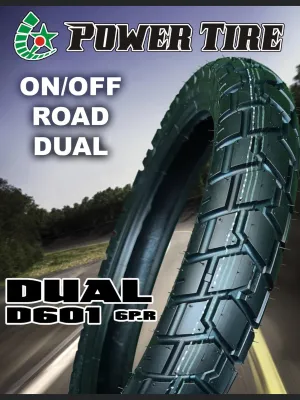
117 Lazada user ratings
🛠️Durability: Smooth and comfortable ride, Impressive durability and performance, 💰Price: affordable Compatibility: Highly compatible, 🔨Durab…Read full reviewShow less
🛠️Durability: Smooth and comfortable ride, Impressive durability and performance, 💰Price: affordable Compatibility: Highly compatible, 🔨Durability: aaaa
good and quality
good quality 😀
good quality
🛠️Durability:
Prices are valid at publication and may change. Please refer to the product page for the latest price.
Choosing Between Street Commuter and Dual-Purpose Trail Tires
Selecting the appropriate tire category is a matter of matching the tread design and rubber compound to your actual riding conditions. Street-focused commuter tires and dual-purpose trail tires are engineered with contrasting priorities, meaning that gains in off-road traction always come at the expense of on-road performance, and vice versa.

| Feature | Street Commuter Tires | Dual-Purpose Trail Tires |
|---|---|---|
| Primary Terrain | 100% Paved Roads (Asphalt/Concrete) | Mixed Terrain (Pavement, Gravel, Dirt) |
| Tread Design | Smooth with deep water grooves (sipes) | Blocky, aggressive lugs with wide gaps |
| Wet Asphalt Grip | High (optimized contact patch) | Moderate (reduced contact patch) |
| Off-Road Traction | Low (prone to slipping on loose soil) | High (blocks bite into dirt and mud) |
| Average Lifespan | Longer (even wear on flat pavement) | Shorter (faster wear on hot asphalt) |
| Road Noise | Low and quiet | Moderate to high (humming at speed) |
Riders should evaluate their weekly routes to determine the correct category. If your daily commute consists entirely of paved city roads with only occasional encounters with dry, hard-packed dirt, a street commuter tire is the most practical and economical choice. However, if your route includes unpaved provincial roads, active construction zones, or weekend trail riding, a dual-purpose tire provides the necessary bite to prevent slides and maintain control.
Street and Commuter Tires for City Riding
Street-oriented 110/90-17 tires are designed to maximize the rubber contact patch on flat, hard surfaces. The tread patterns typically feature continuous center ribs that reduce rolling resistance, which helps improve fuel efficiency and ensures a smooth, quiet ride at highway speeds. Deep water evacuation grooves, or sipes, are strategically cut into the tread to channel water away from the contact patch during heavy tropical downpours, reducing the risk of hydroplaning and maintaining wet-weather braking performance.
The rubber compounds used in commuter tires are formulated to withstand the high temperatures generated by constant friction on hot concrete and asphalt. Manufacturers often use harder rubber compounds in the center of the tread to prevent the tire from “squaring off” due to prolonged upright riding, while utilizing slightly softer compounds on the shoulders to provide reliable grip when leaning into corners.
Despite their excellent performance on pavement, street tires have severe limitations when encountering loose surfaces. The lack of deep, biting edges means that on loose gravel, sand, or mud, the tire cannot find traction, causing the rear wheel to spin and the front wheel to slide. If you must navigate a short unpaved section on street tires, it is critical to reduce your speed, keep the motorcycle as upright as possible, and avoid sudden throttle or braking inputs.
Dual-Purpose and Trail Tires for Mixed Terrains
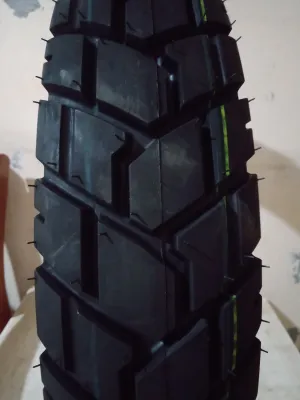
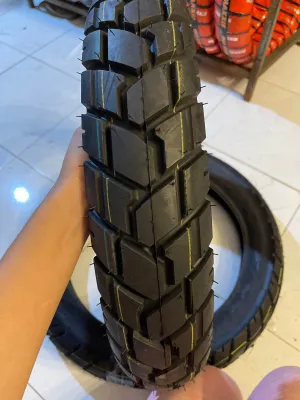
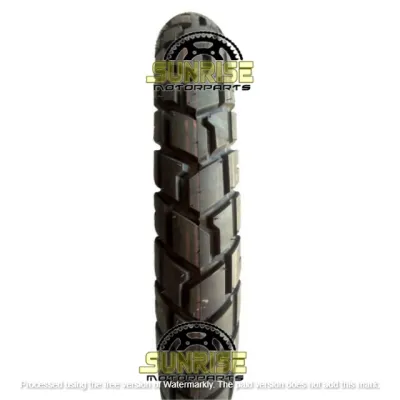
Dual-purpose 110/90-17 tires, often referred to as semi-knobby or trail tires, bridge the gap between street riding and off-road exploration. These tires feature aggressive, blocky tread patterns with deep grooves designed to bite into loose dirt, sand, and gravel. The wide spacing between the tread blocks allows the tire to self-clean by slinging out mud and stones as the wheel rotates, preventing the tread from becoming packed and losing traction.
However, this off-road capability requires compromises on paved roads. Because the blocky design reduces the total surface area of rubber in contact with the pavement, dual-purpose tires generally have longer braking distances on wet asphalt compared to street tires. The tread blocks can also flex under heavy braking or cornering on hard surfaces, which can make the motorcycle feel less stable. Additionally, the air passing through the gaps between the blocks generates a noticeable humming noise and mild vibrations at higher speeds, which can increase rider fatigue over long distances.
When choosing a dual-purpose tire, consider the manufacturer’s designated street-to-dirt ratio. A 70/30 tire is biased toward street riding, offering a relatively smooth ride on pavement while retaining enough tread depth to handle dry dirt trails. A 50/50 tire features more aggressive, deeper blocks designed for equal performance on and off-road, making it suitable for riders who regularly tackle muddy paths, steep gravel inclines, and rugged terrain.
Key Features to Evaluate Before Buying
To make an informed purchase, you must look beyond the tread pattern and evaluate the technical specifications of the tire. The load index and speed rating are critical safety metrics stamped on the sidewall immediately following the size dimensions (for example, “62P”). The load index is a numerical code representing the maximum weight the tire can safely support when inflated to its recommended pressure. A load index of 62, for instance, corresponds to a maximum load of 265 kilograms, which must account for the weight of the motorcycle, the rider, any passenger, and cargo. The speed rating is a letter code indicating the maximum sustained speed the tire can handle; a “P” rating denotes 150 kilometers per hour, while an “S” rating denotes 180 kilometers per hour. Never install a tire with ratings lower than those specified in your motorcycle’s manual.
The internal construction of the tire also plays a vital role in how it handles different terrains. In the 110/90-17 size, tires are predominantly of bias-ply construction rather than radial. Bias-ply tires are constructed with multiple layers of nylon or polyester cords laid diagonally across the tire from bead to bead. This design results in a stiff, highly durable sidewall that is exceptionally resistant to punctures, impacts from sharp rocks, and damage from deep potholes. This ruggedness makes bias-ply tires highly suitable for the demanding road conditions often encountered in both urban and rural areas.
Finally, always inspect the physical condition and age of the tire before buying. Locate the Tread Wear Indicators (TWI), which are small raised triangles or the letters “TWI” on the sidewall pointing to tiny bumps inside the tread grooves. When the tread wears down to the level of these bumps, the tire has reached its wear limit and must be replaced. Additionally, check the four-digit DOT manufacturing date code stamped on the sidewall (for example, “1226” indicates the tire was manufactured in the 12th week of 2026). Avoid purchasing tires that have been sitting in storage for more than five years, as rubber naturally degrades, hardens, and loses its grip properties over time, even if the tread looks completely unused.
Purchasing and Installation Considerations in the Philippines
Sourcing a genuine 110/90-17 tire requires selecting reputable retail channels. Authorized local dealerships and established physical motorcycle parts shops are generally the safest options, as they source their inventory directly from official distributors. This direct supply chain ensures that you receive authentic products and have access to valid manufacturer warranties. While reputable online marketplaces offer convenience and home delivery, buyers must exercise caution. Only purchase from official brand flagship stores or highly rated sellers with extensive, positive customer feedback.
When comparing options, be vigilant against counterfeit or substandard tires. Genuine tires feature clean, crisp sidewall lettering, consistent rubber coloration, and no excess rubber flashing from the molding process. Be highly suspicious of tires priced significantly below the average market rate, which typically ranges from ₱1,500 to ₱4,000 depending on the brand and tire type. Substandard tires often use low-grade rubber compounds and weak internal cords that can fail catastrophically under load or high temperatures.
Proper installation is just as critical as choosing the right tire. For safety and performance, have your new tire mounted by a qualified professional using a dedicated tire-changing machine. Manual installation using hand tools or tire irons can easily damage the tire bead or scratch the wheel rim, leading to slow air leaks or sudden tire deflation. Ensure that the installer balances the wheel after mounting to prevent high-speed vibrations that cause uneven tread wear and compromise handling. Finally, always replace the inner tube (for tube-type rims) or the tubeless valve stem during a tire change, as these components degrade over time and can cause sudden pressure loss if reused.
Frequently Asked Questions (FAQ)
Can I use a 110x90x17 tire on the front wheel?
The 110/90-17 size is a relatively wide and tall tire profile that is typically designed for rear-wheel fitment on small to medium-displacement motorcycles. Installing a tire of this size on the front wheel is generally not recommended unless the motorcycle was specifically designed for it from the factory. A front tire that is too wide can severely slow down steering response, make the motorcycle feel heavy and resistant when turning, and potentially rub against the front forks, fender, or brake lines. Always adhere to the manufacturer’s specified front tire dimensions to maintain safe and predictable handling.
How do I know when it is time to replace my motorcycle tires?
You should replace your motorcycle tires when the tread depth reaches the level of the Tread Wear Indicators (TWI), which typically represent a remaining depth of 1.6 millimeters. Beyond tread wear, tires must be replaced immediately if they show physical signs of aging or damage. Look for fine cracks in the sidewall or between the tread blocks, which indicate dry rot and a loss of rubber elasticity. Other critical signs requiring immediate replacement include uneven wear patterns (such as cupping), deep cuts, embedded debris that has damaged the internal cords, or any visible bulges or bubbles on the sidewall, which indicate internal structural failure.
Community discussion
Share your experience or ask a question. Comments are reviewed before publication.